












- Judge says Tesla used deceptive marketing for Autopilot system.
- Tesla may face 30-day sales and production license ban.
- DMV granted Tesla 60 days to revise Autopilot messaging.
Tesla must be cursing California’s DMV this week, while also secretly feeling thankful for its mercy, after a judge ruled that the company’s marketing around the Autopilot driver assist package was misleading.
The DMV brought the case, but it’s also given Tesla 60 days to clean up its language rather than immediately impose the sales and manufacturing license suspensions the judge recommended.
Also: Tesla Penalized Over A Word In Driver Assistance Tests And It Could Cost Them More Than A Score
The case stems from a 2022 complaint in which the DMV accused Tesla of overselling what its driver assistance systems could do. The agency said Tesla’s branding and website descriptions suggested the cars could essentially drive themselves when, in reality, the tech required a fully attentive human ready to intervene at any moment.
The judge agreed and pointed to the phrase Full Self Driving capability as particularly problematic. The ruling said a reasonable consumer would assume a feature with that name could operate without constant driver attention, which is untrue both technologically and legally.
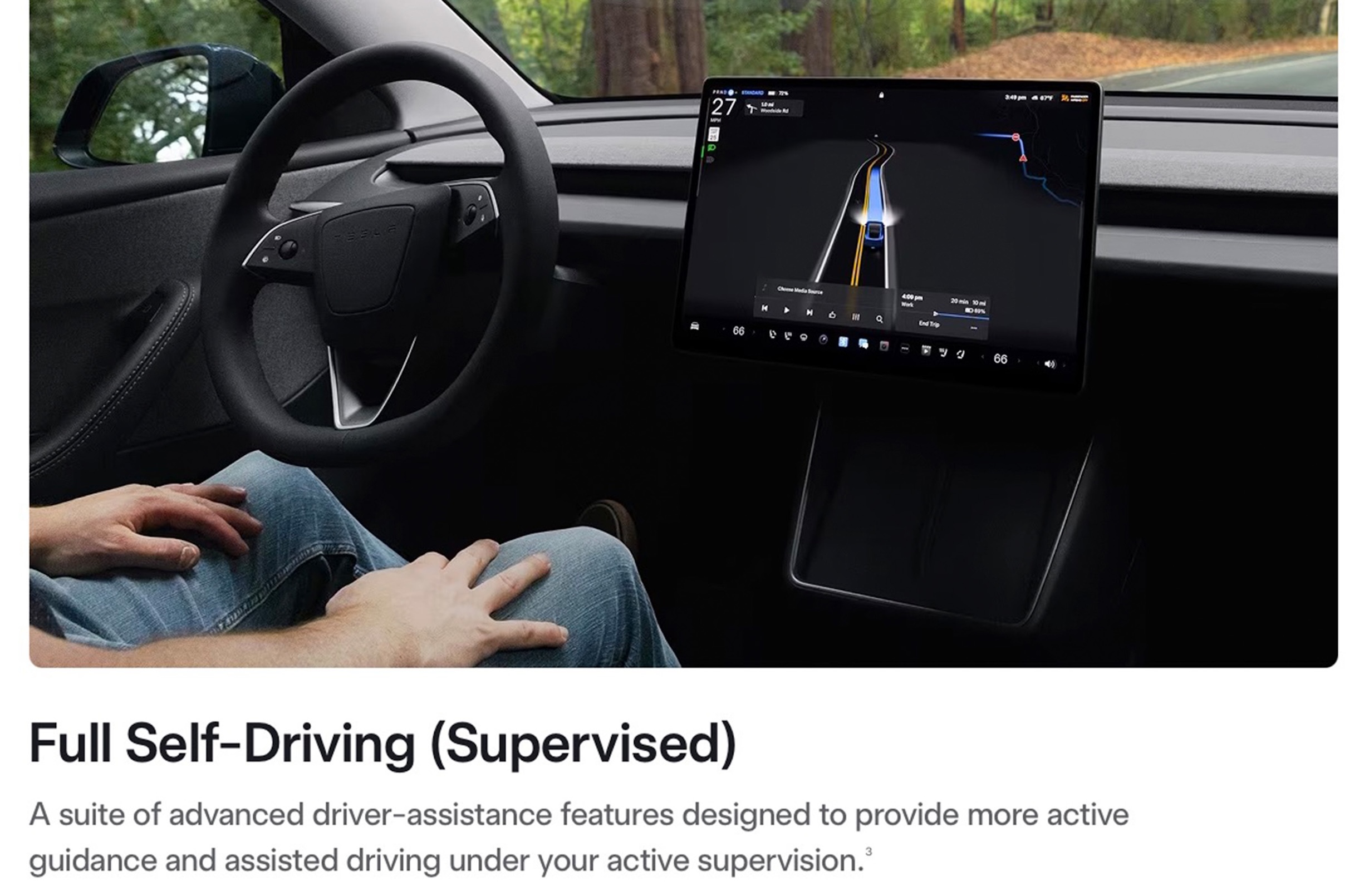
Tesla has since shifted to the name ‘Full Self Driving (Supervised)’, but the judge said past usage still crossed the line.
DMV’s Reprieve
The recommended penalty originally included a 30-day suspension of Tesla’s sales and manufacturing licenses in California. The DMV softened that slightly. It permanently stayed the manufacturing suspension to avoid disrupting operations and will only suspend the sales license if Tesla fails to address the Autopilot wording within 60 days.
Tesla responded by insisting this was a consumer-protection debate over terminology and claimed no customer had complained. It also said sales in California will continue without interruption. That might be true today, but the clock is ticking.
More Legal Problems
The DMV’s case didn’t reference specific consumer complaints, but CNBC News points out that Tesla is still facing a class action lawsuit from owners claiming they were misled about self-driving capabilities.
Meanwhile, Tesla’s stock hit a record this week on excitement surrounding its robotaxi plans, which might explain why the company would prefer not to rewrite its marketing language to downplay its autonomous expertise.
For now, Tesla has two months to decide whether it wants to argue with regulators or simply update a few words on its website. Either way, the saga around Autopilot and FSD is far from over.