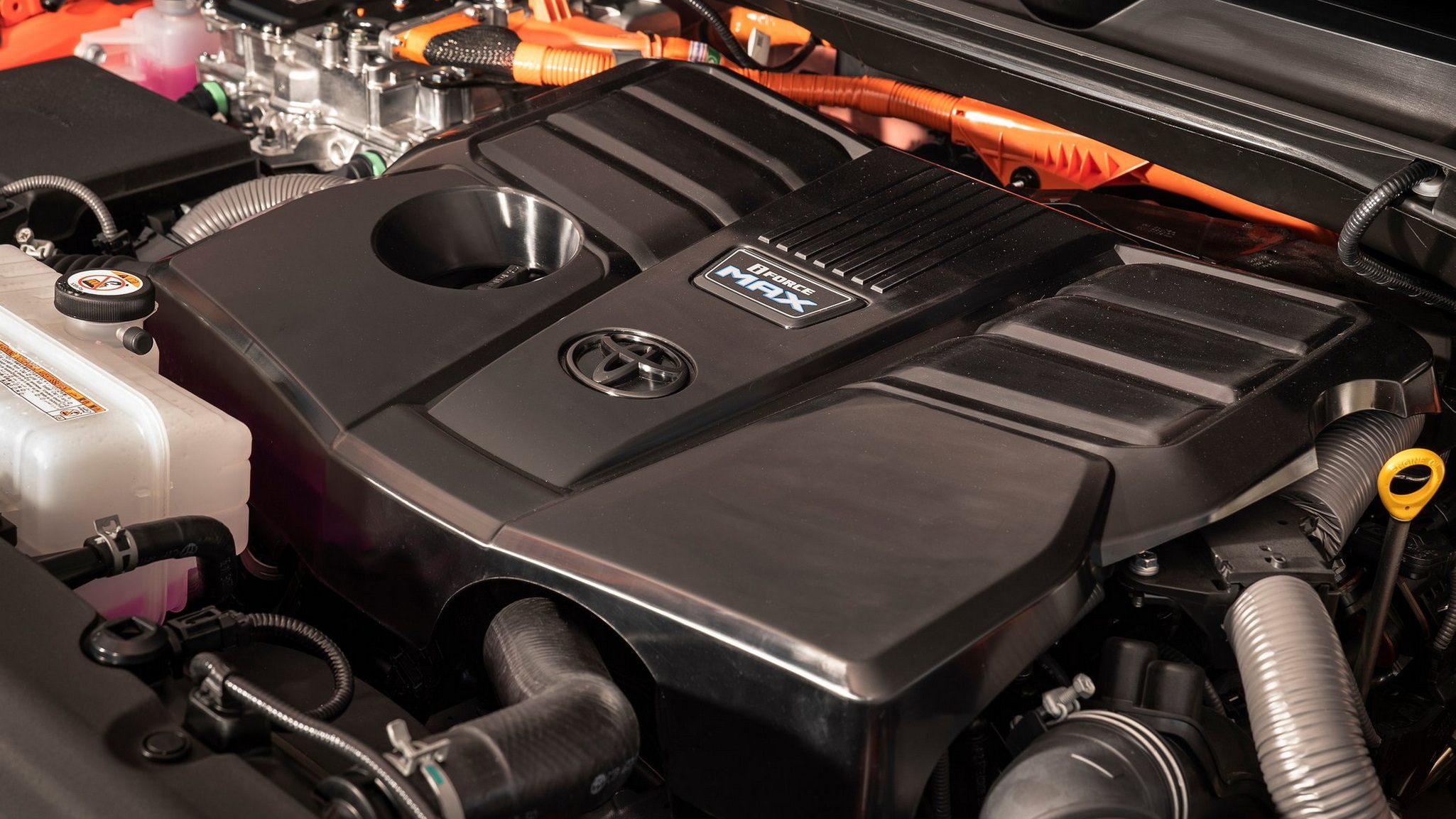










- Modern engines need near perfect machining with thin oil films.
- Over 5 million engines across automakers face recalls or probes.
- Warranty costs and long engine swaps are testing shops and trust.
Some recalls are a footnote. Others rewrite spreadsheets. And this year, more than a few have tipped into the latter category. A notable number of them have circled around a familiar culprit: engines.
More: Nissan’s Secret To Having Fewer Recalls Is All About Control
In April, GM recalled 721,000 6.2-liter V8 engines. Toyota followed with more than 102,000 V6 engines in 2024. Honda pulled back nearly 250,000 V6s. Stellantis is sorting out issues with 112,589 turbocharged four-cylinders that have also been flagged for defects.
At this point, more than five million engines from five different automakers are either recalled or under federal scrutiny in the States, an expensive situation that’s proving far easier to trigger than it is to explain away, especially when brand credibility is on the line.
What’s Causing the Trouble?
All these examples, and others like them, trace back to the same underlying combination, reports Automotive News, which is lightweight oil and extremely tight tolerances.
Automakers have spent decades paring down engine displacement. Smaller engines generally use less fuel. To stretch that benefit, they’ve worked to maximize thermal efficiency wherever possible.
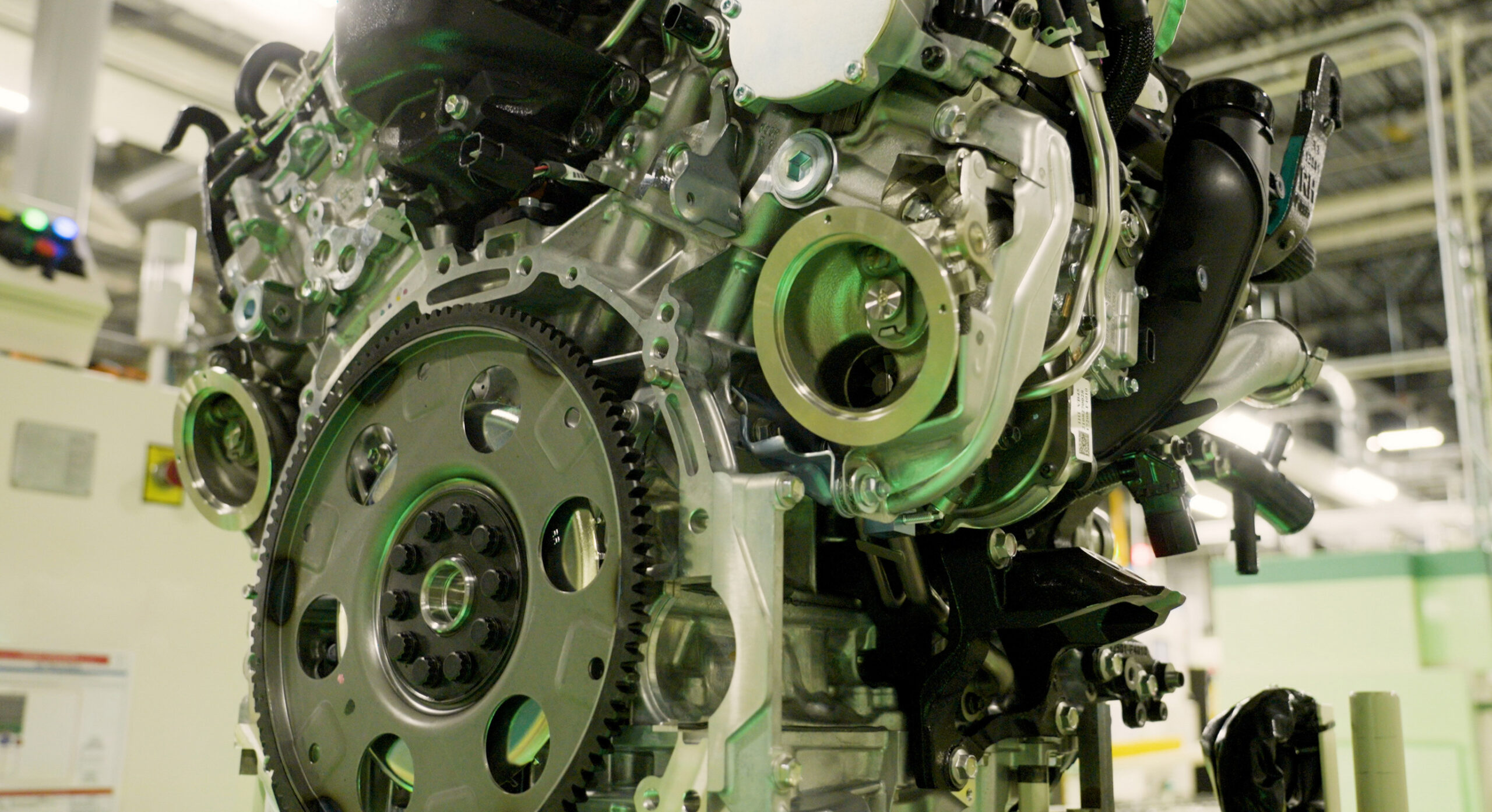
On top of that, they had to figure out how to keep consumers happy when they put the pedal to the metal. Modern engines often combine these features to maximize power and efficiency.
The only way they can function properly is with a low-weight, ultra-thin motor oil like 0W-16 or 0W-20. Those oils reduce drag and friction while helping automakers reach fuel economy targets.
They’re also key because they work in the ultra-tight lubrication margins that modern engines employ. Those tight tolerances are so tight that they’re a major contributor to the recalls we all see today.
In the past, larger tolerances in engines could handle minuscule machining errors during production. Today, modern engines aren’t capable of the same thing. If waste from the machining process gets into a crankcase or head, it can cause catastrophic failure in short order.
Take a deeper dive into the recalls we mentioned at the outset, and that’s a consistent through-line.
How Manufacturing Debris Slips Through
GM’s recall of its tried and true LS V8 found failures tied to bearing wear, crank defects, and metal swarf (a byproduct of machining) in the lubricating passages. Replacing just one engine takes some 18 hours. It should come as no shock, then, that GM is spending over $1 billion to try to remedy the issue for customers.
Read: Judge Approves $57 Million For Lawyers While Faulty GM V8 Owners Get $3,380 And A Smile
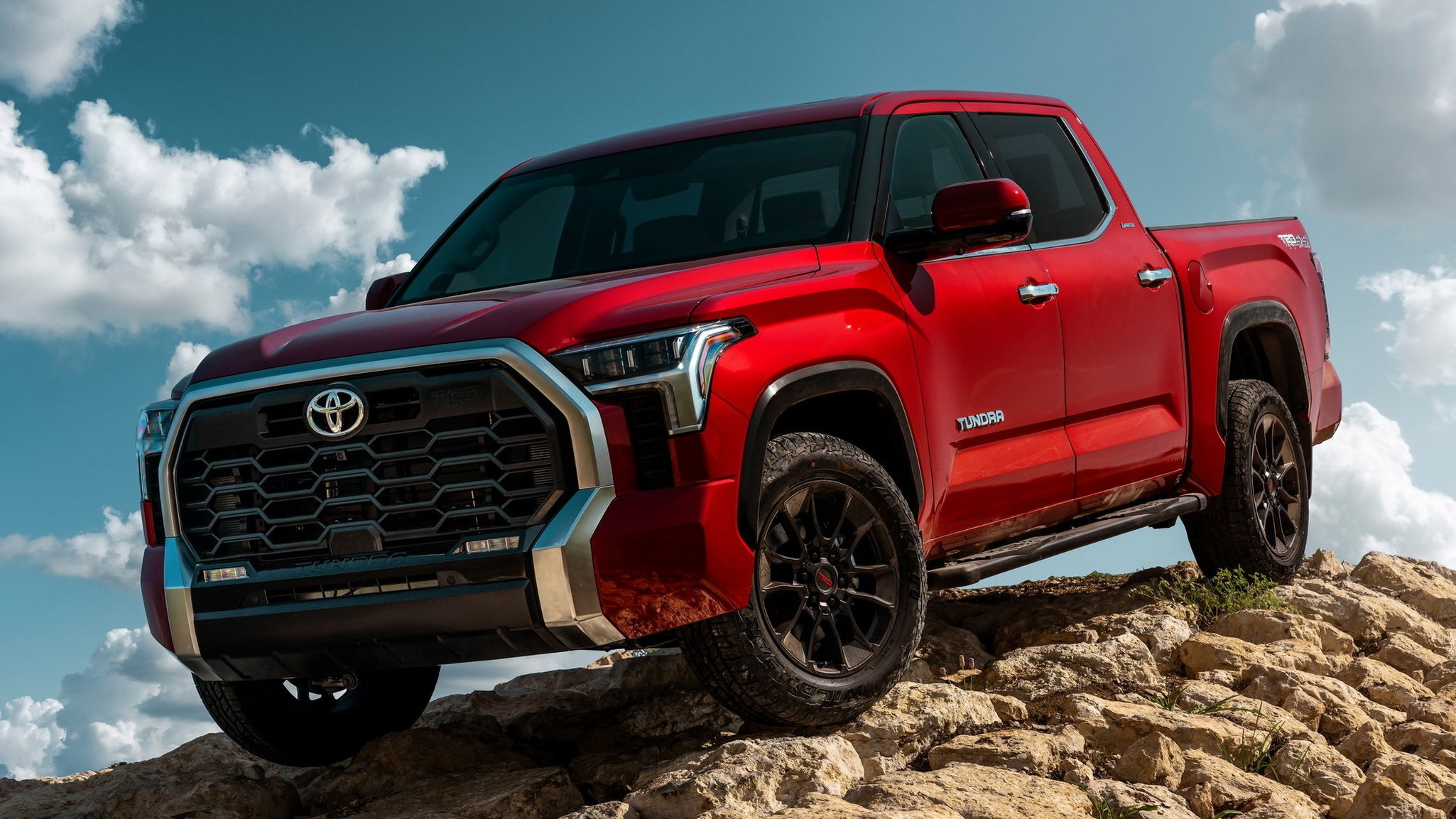
Toyota’s V35A twin-turbo V6 that rests in the Tundra pickup had a similar diagnosis. Tiny metal debris from machining managed to get into the crankcase of some engines. The issue was serious enough that just last month, Toyota added another 127,000 covered engines to the original 102,000.
Honda’s recall is related to engine bearings and connecting rods. Stellantis admitted that some engines in its recall could have sand, another component of the production process, in them.
2025 NHTSA Recalls by Manufacturer (Jan 1-Dec 14)
Source NHTSA, Overall recalls regardless of cause
Automotive News suggests that these failures, along with others, amount to over $8 billion in losses across the brands in question. Hyundai makes up the lion’s share of that with some $5 billion likely going toward costs associated with the recall of 3.3 million engines that allegedly have metal debris, faulty rod bolts, and improperly installed piston rings in them.
Also: Hyundai Owners Say Their SUV’s Engine Exploded Before 80,000 Miles
Modern-day engines are no doubt a feat of engineering might. When built properly, they provide more power, more efficiency, and better overall performance than older designs. The problem is that building them properly is a challenge, even for the world’s best automakers.