- The current 7-Series Level 3 system costs about $7,000.
- Refreshed models switches to more affordable Level 2.
- Stellantis scrapped its own Level 3 program last year.
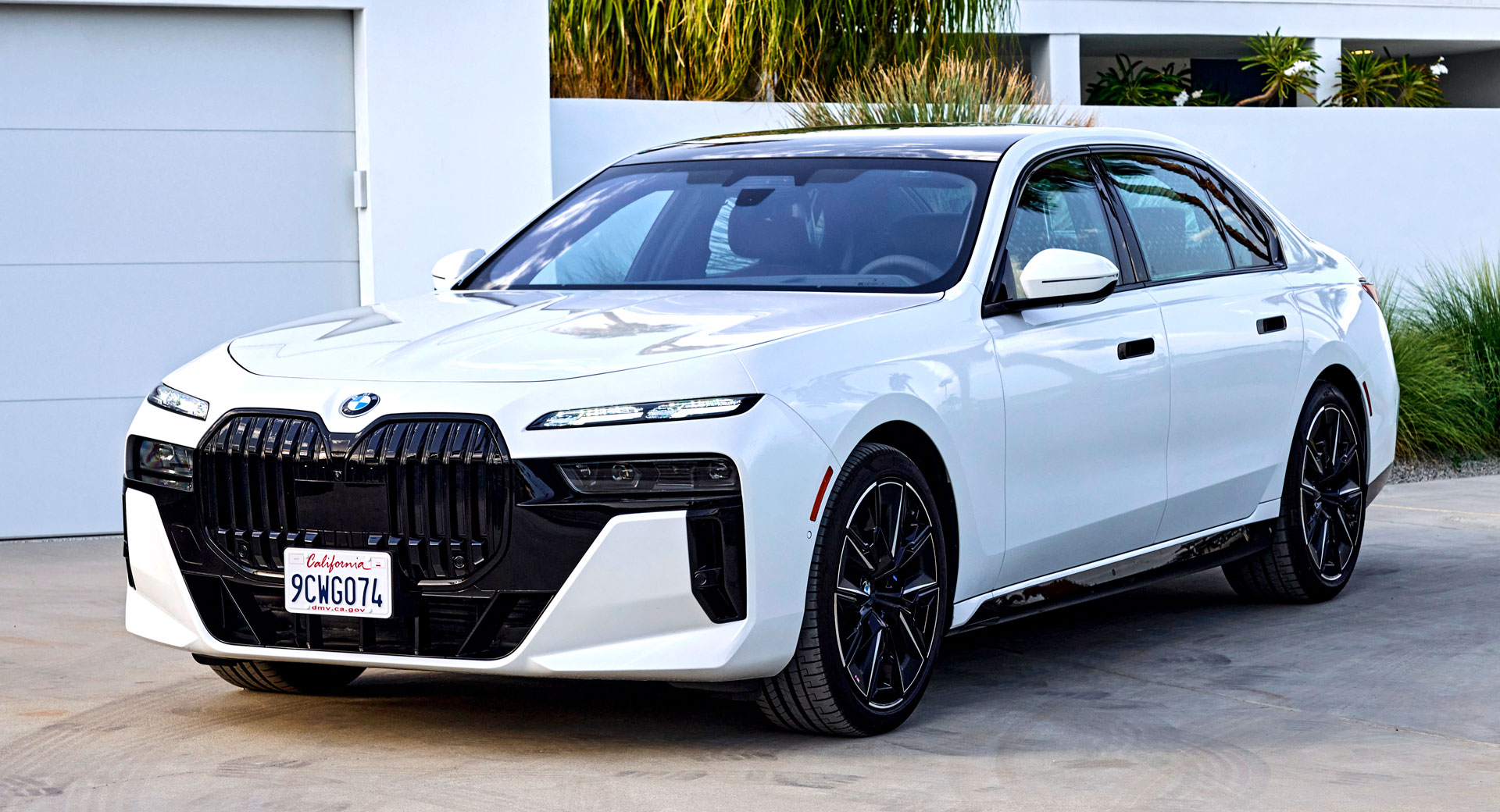
As the race toward autonomy accelerates, not every automaker is pressing harder on the throttle. While companies like Tesla are inching closer to making fully autonomous vehicles a reality, it has emerged that BMW will take a step back and discontinue the Level 3 system in the upcoming facelifted 7-Series in favor of a simpler Level 2 setup. BMW is not alone, as Stellantis and Mercedes are making similar moves.
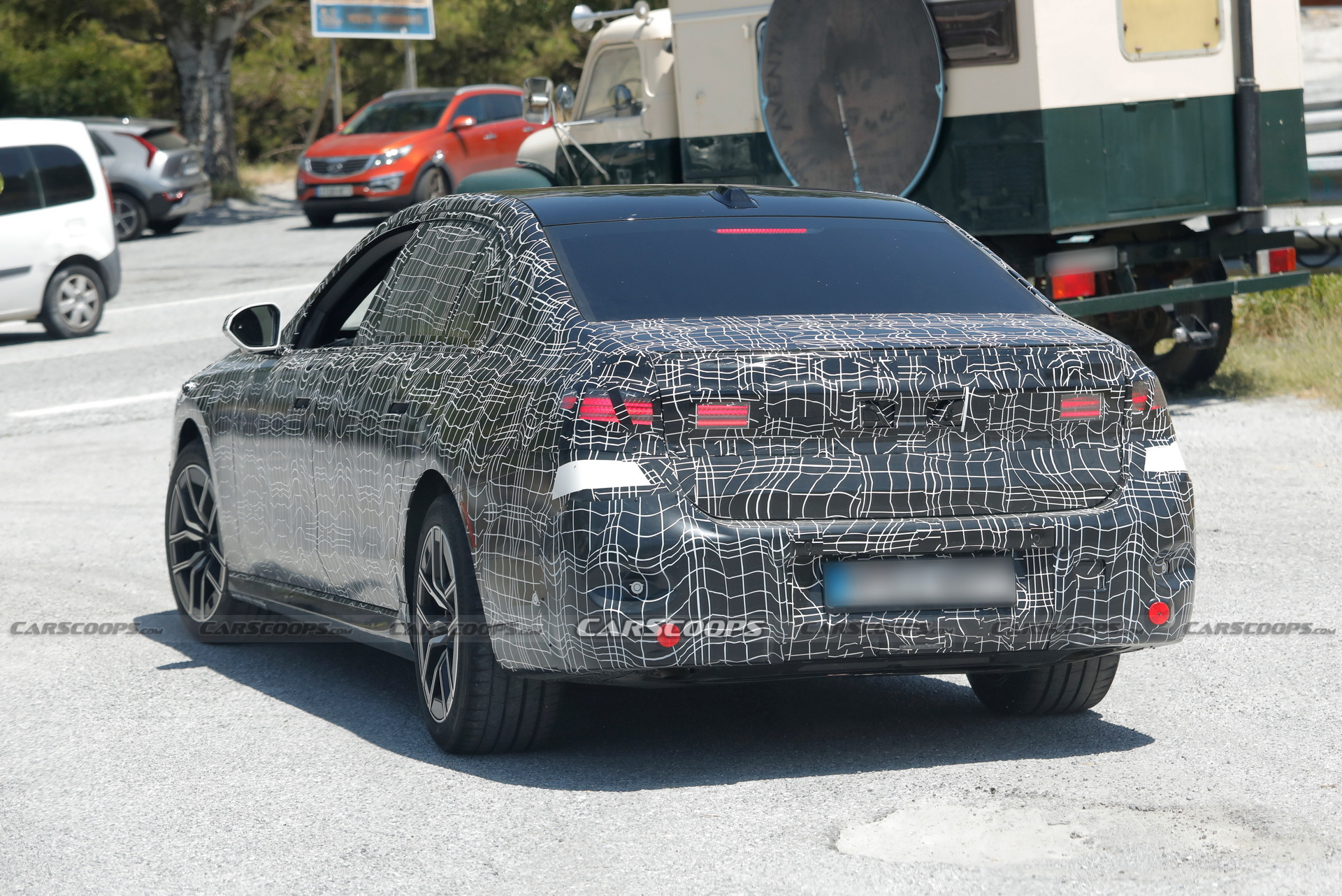
The current 7-Series is lining up for a refresh, complete with a Neue Klasse-inspired design, and the reveal is expected this April. It should look noticeably sharper than the outgoing model, or at least that is the promise.
Also: BMW’s Neue Klasse Era Is Coming For The 7-Series
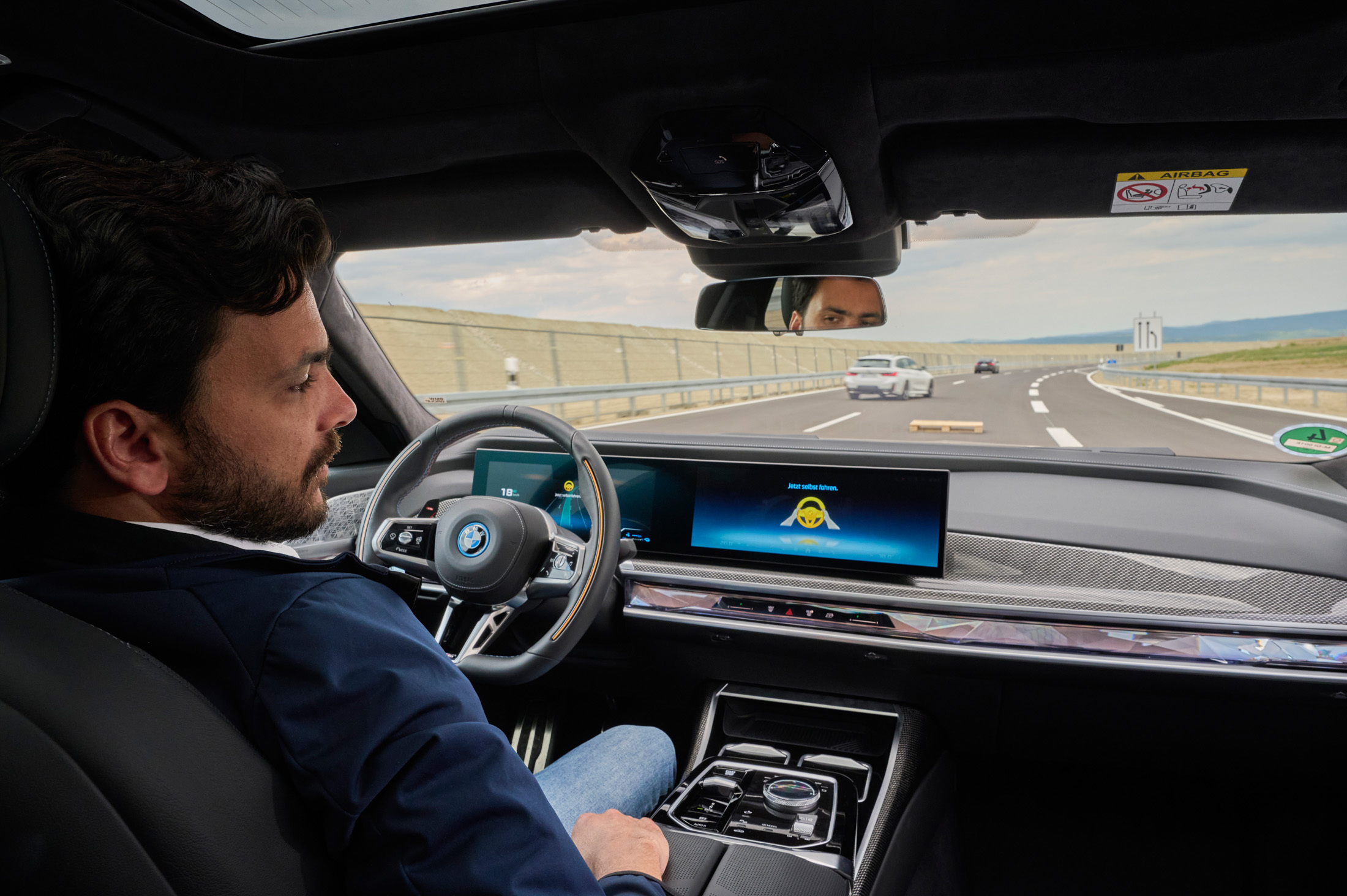
What will not survive the update is the existing ‘Personal Pilot L3’ system. The eyes-off automated driving setup is being dropped in favor of a new Level 2 system, derived from the Neue Klasse technology platform that debuted with the second-generation iX3.
Why Is BMW Scaling Back?
The reason for the downgrade is simple. Cost. As reported by Auto News, the Level 3 system relies on more complex and expensive LiDAR sensors, along with high-performance computing hardware. On top of that, it demands extra validation, safety certifications, and continuous fleet monitoring. Add it all up, and it becomes clear why the L3 option in the current 7-Series sits at about €6,000 ($7,000).
When the 2027 BMW 7-Series arrives, the Level 2 system will cost roughly €1,450 ($1,700). That is a significant drop from before, and it still brings a healthy stack of driver-assistance features. You still get hands-free freeway driving, address-to-address capability in urban traffic via the onboard navigation system, and automatic lane changes. In other words, most of what people actually use, without the headline-grabbing complexity.
Read: BMW Lets You Netflix And Chill With Level 2 & 3 Autonomy
Going with Level 2 also helps BMW sidestep a maze of regulatory paperwork. It can roll the system out across multiple markets without waiting for the slower, more complicated approval processes that come with Level 3. Sometimes, less really is more.
Is Level 3 Dead?
Mercedes-Benz is taking a similar approach. Although it was one of the first car manufacturers to receive regulatory approval for a Level 3 system in December 2021, that does not mean it is moving beyond Level 2. The new CLA will soon be offered with a Level 2 Plus Plus system through MB.Drive Assist Pro, arriving in China first and then in the US later this year.
Also: BMW’s 7-Series Is Getting A Neue Look, But It Won’t Let Go Of The Past
This advanced L2 system will be able to navigate highways and urban environments autonomously, and should also be cheaper than a Level 3 ADAS. Importantly, this doesn’t mean Mercedes is abandoning its grander autonomous vehicle ambitions. As recently as October last year, it was revealed that the new S-Class will eventually receive a Level 4 system thanks to Nvidia.
Then there’s Stellantis. Last year, it gave up on developing a Level 3 autonomous driving system due to the exceptionally high costs, technological challenges, and concerns about how such a system would be received by consumers.