- Transport Canada launches an online survey on nighttime glare.
- The survey accepts public feedback until April 20, 2026.
- High LED intensity and improper alignment are to blame.
Ever caught yourself squinting at oncoming traffic, wondering if headlights have quietly turned into portable suns? Canadian officials are starting to ask the same question. After a steady rise in complaints, the government has launched a public consultation to examine whether current safety standards are still fit for purpose, or simply too lenient for today’s brighter, sharper lighting tech.
Transport Canada is now inviting drivers to weigh in through an online survey, open through April 20. Anyone over the age of 16 can take part, though the emphasis is clearly on those who regularly deal with nighttime driving and its increasingly harsh glare.
More: Too-Bright Headlight Debate Heats Up, But Data Points To A Deadlier Threat
The review itself goes beyond just “too bright” complaints. Officials are looking at how headlights are aligned at the factory, along with whether stricter rules around auto-leveling systems might be necessary. What comes out of this data could shape future policy, from tighter manufacturing standards to more aggressive provincial inspection requirements aimed at keeping glare in check.
Headlights Are Getting Brighter

LEDs have quietly taken over, pushing the old halogen glow into the history books. They do a far better job lighting up the road ahead, no argument there. The catch is what happens for everyone coming the other way, where that extra brightness can feel less like progress and more like punishment.
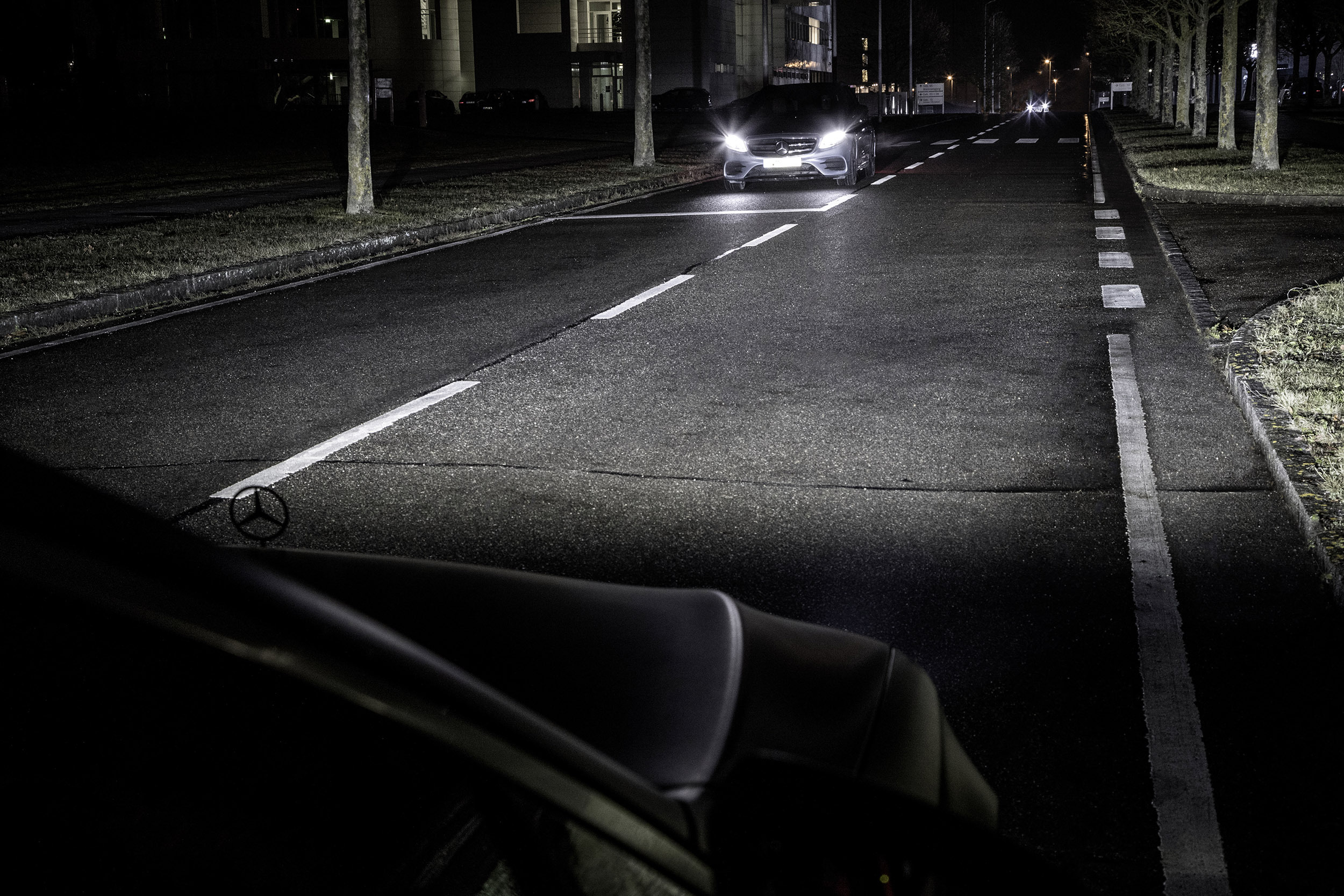
More: The Future Of LED Headlights Just Arrived Without A Lens
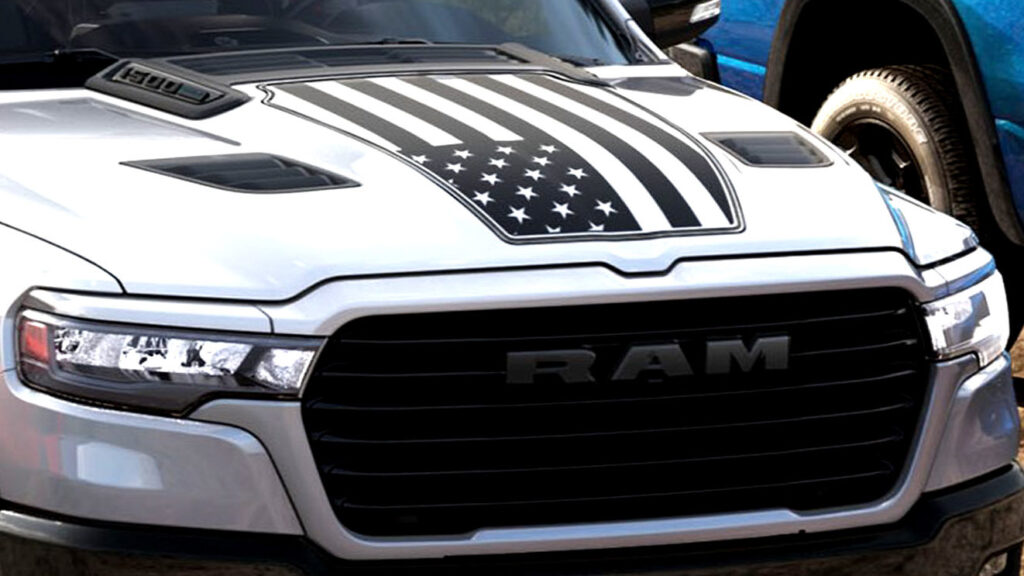
It gets worse when those LEDs are mounted higher up. Trucks and SUVs sit tall enough that their headlights line up with the mirrors and windshields of lower cars, turning a routine night drive into an exercise in squinting and guesswork.
Drivers across Canadian have been venting about it online, pointing to what they see as a lack of meaningful regulation. A common complaint centers on the stark white color of LED lights, which many say feels harsher and more fatiguing than the softer glow of halogens.
Speaking to CTV News, a Halifax resident described the experience of facing modern headlights at night as “feeling like being abducted by aliens.” It is a colorful way of capturing the reality, where dark rural roads meet the almost clinical intensity of modern headlights.
Europe Shows The Way
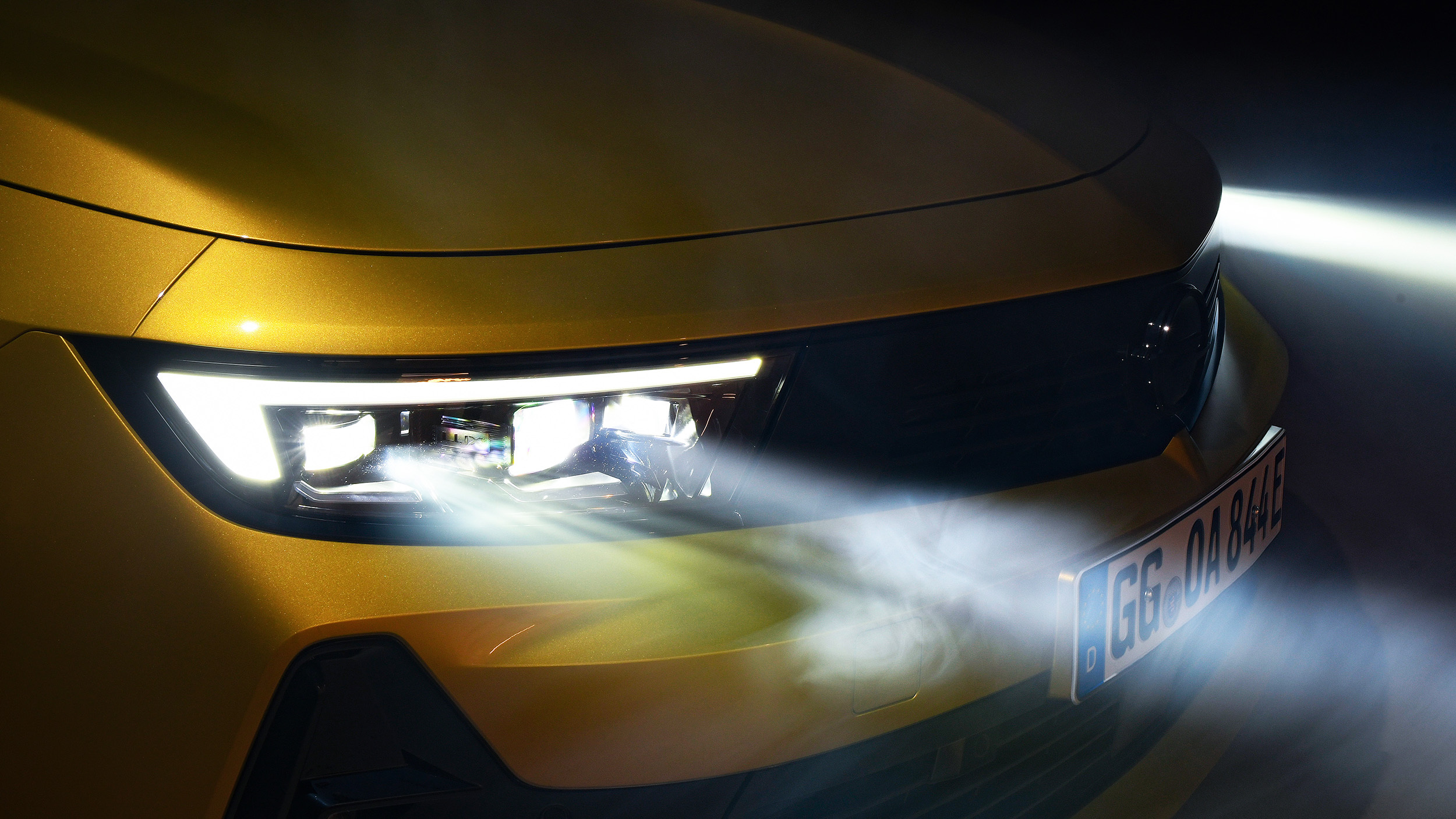
Truth be told, North America still trails Europe when it comes to rolling out truly advanced adaptive headlight tech. Across the pond, Matrix LED systems have become the norm. These setups can selectively dim portions of the beam to avoid blinding oncoming traffic while keeping everything else brightly lit. It’s clever, effective, and already proven.
More: Tesla May Finally Fix That Annoying Matrix Headlight Flaw
Meanwhile, North American regulations have been slow to catch up, largely tied up in technical standards that haven’t quite aligned with how these systems operate.
The Real Problem Might Be The Cheap Stuff
Factory lighting isn’t the only issue. The aftermarket scene has added its own layer of unregulated chaos. Swapping halogen bulbs for inexpensive LED replacements might sound like an upgrade, but in many cases, it’s anything but.
These plug-and-play LEDs are often mismatched with reflector housings designed for halogens. The result is a messy, unfocused beam that throws light everywhere except where it’s actually needed. Visibility doesn’t improve much, but glare for everyone else certainly does.
The Data Doesn’t Quite Match The Outrage
There’s a case to be made for tighter regulation here, and Canada’s current push could finally address it. Still, the reality is more nuanced than the complaints might suggest. Recent data from the Insurance Institute for Highway Safety shows glare plays a role in just one or two out of every 1,000 nighttime crashes. At the same time, LED headlights are linked to nearly a 20% reduction in single-vehicle nighttime accidents.
So while the glare debate isn’t going away anytime soon, the numbers suggest better lighting is doing more good than harm.