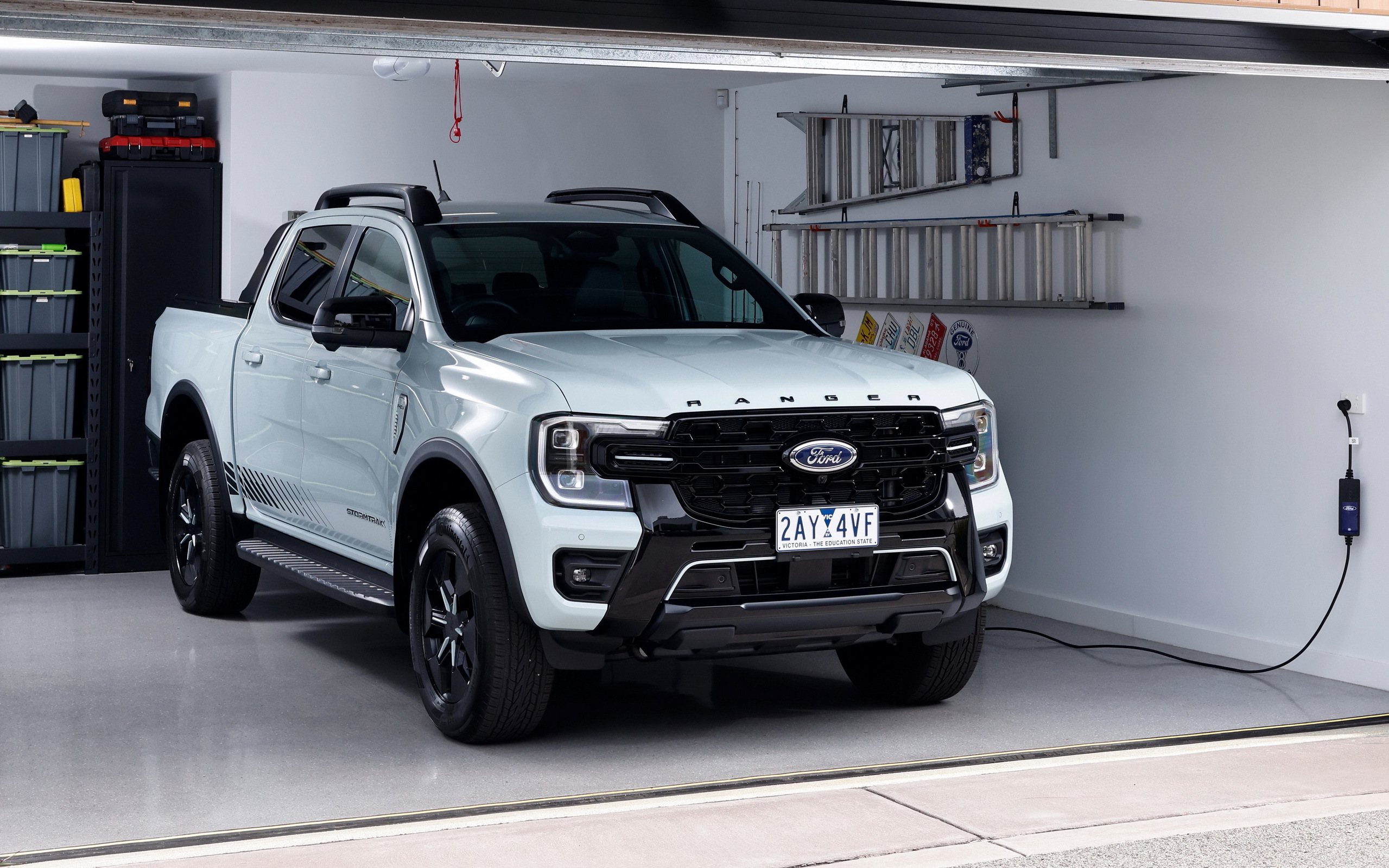










- Polestar exec calls plug-in hybrids cars the worst of both worlds.
- Renault CEO slams short range PHEVs as “fake” electrification.
- French boss argues range-extender hybrids make far more sense.
If you thought modern plug-in hybrids, with their improved electric driving ranges and ICE backup, offered the best of both worlds, two major automakers believe you’ve got it all wrong. As electrification strategies diverge and regulations tighten, the debate over what makes the most practical bridge between petrol and full electric is heating up.
Polestar’s Australian chief bluntly described PHEVs to local media as the “worst of both worlds,” arguing they bundle the complexity of a petrol engine with the engineering baggage of an electric drivetrain. In his view, that cocktail doesn’t align with a brand that’s built its image around performance EVs and serious carbon cutting ambitions.
Also: PHEVs Promised Efficiency, Drivers Are Burning Three Times More Fuel
“It doesn’t make sense to [add petrol engines to] a brand that prides itself on being dynamic, performance orientated, and with that strong sustainability message that we hold dear,” Scott Maynard told CarSales.
Faking It
Renault’s CEO is singing from a similar hymn sheet, though with a slightly different tune. François Provost has taken aim at PHEVs, specifically ones with electric only ranges so short that owners rarely bother plugging them in.
“They’re kind of a fake PHEV,” Provost told journalists recently. “The [electric-only range] is too small and customers are not convinced to charge.”
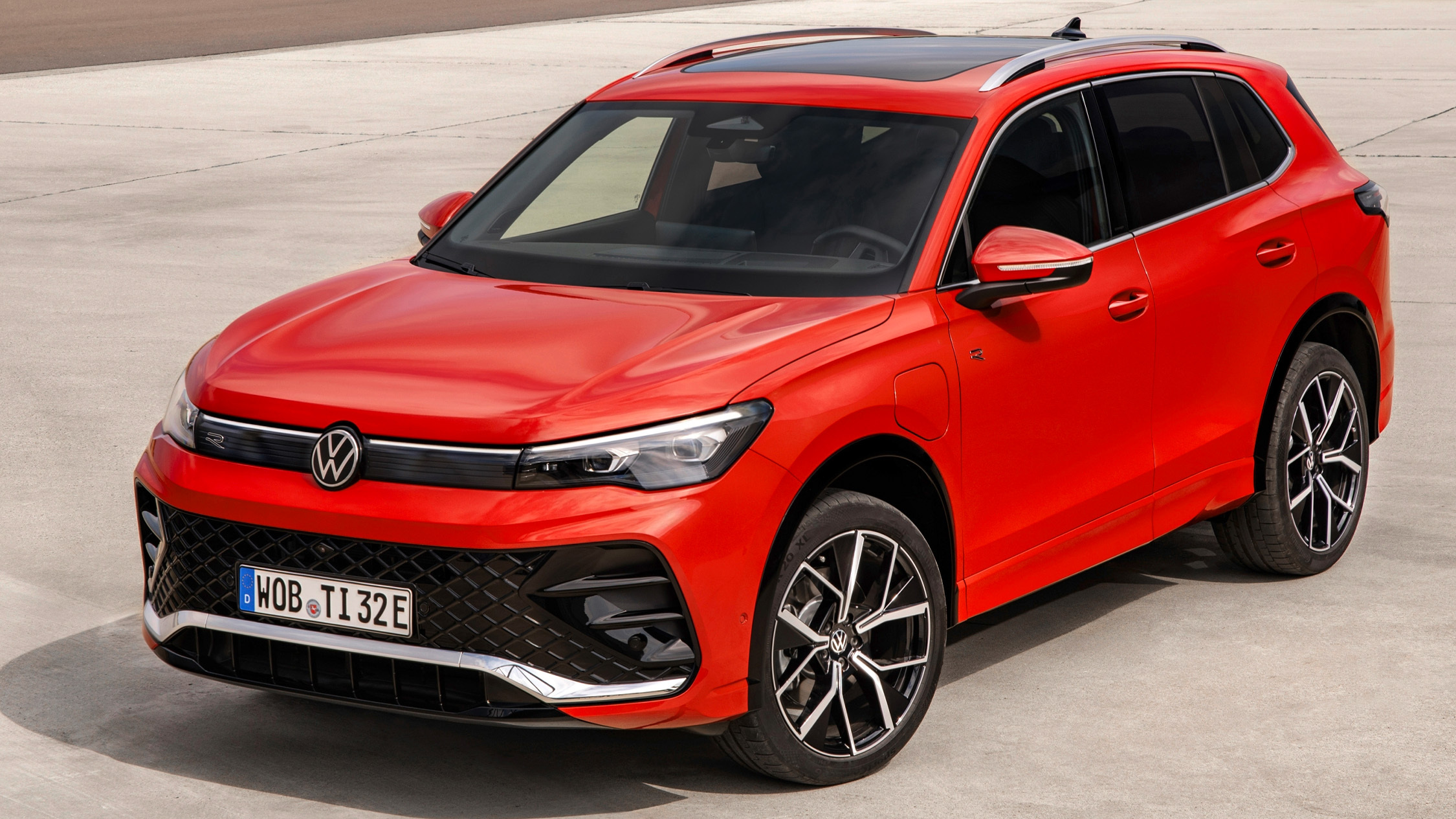
While some models like the latest Euro-spec VW Tiguan (shown above) are rated at up to 75 WLTP miles (121 km), others, such as the Mazda CX-60 PHEV, can only cover half that distance before needing a fill.
Intelligent ICE
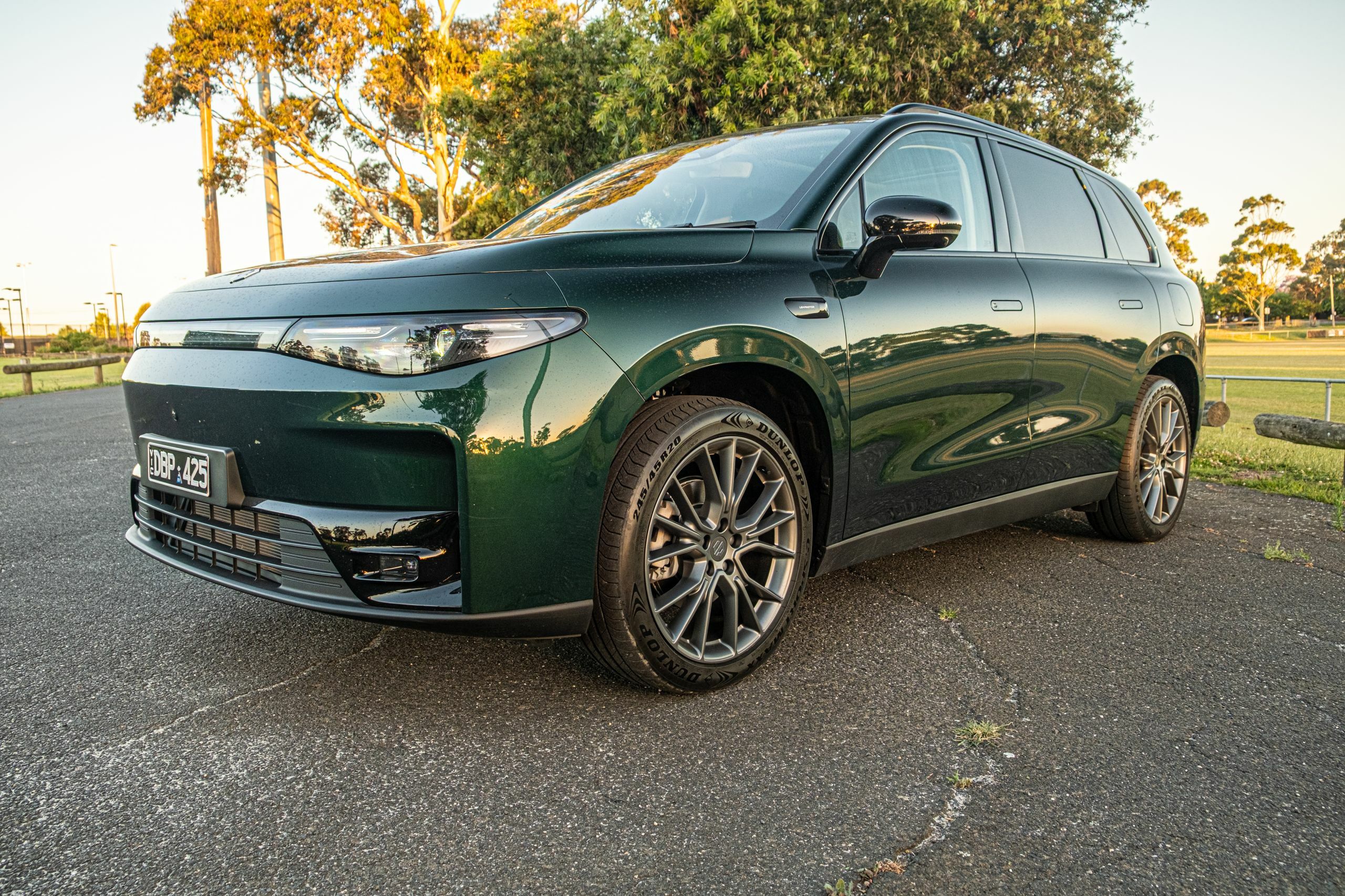
The answer, Provost told Autocar, isn’t traditional plug-in hybrids but range-extender EVs, something Renault is actively considering. In range-extender setups, such as the one in the Leapmotor C10 (below), the electric motor does the driving and a combustion engine acts purely as a generator.
Also: Oops, Stellantis Says 192 HP Hybrid Didn’t Deliver 192 HP After All
The goal, according to the French automaker chief, is to make daily driving electric first, petrol second, with enough backup to handle a 1,000 km (620 miles) road trip without sweaty palms.
PHEV-sceptic regulators are tightening the screws, too. New European emissions rules are forcing brands to increase battery sizes in plug-ins so their official figures better match reality, Autocar notes. Some models have nearly doubled their battery capacity to boost electric range and stay compliant, but the extra weight means they’re less efficient when running on petrol and hauling all of that redundant EV hardware around.
What do you think is the optimum solution for range, usability and efficiency? An EV with a bigger battery and faster charge times, a PHEV or a range-extender hybrid?