


- Maryland will require speed-limiting devices for certain repeat speeders.
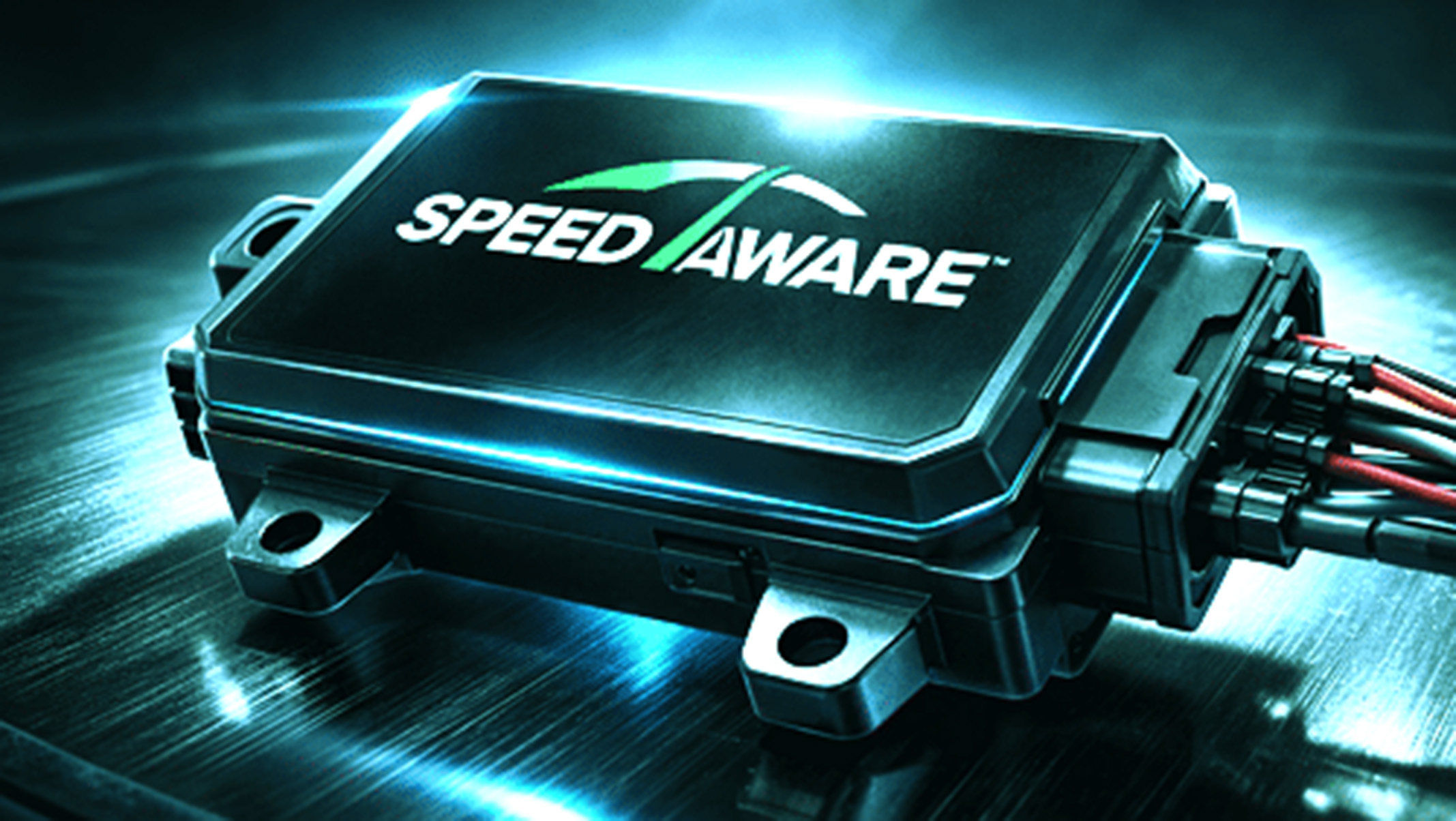
- The system uses GPS to stop cars from exceeding posted speed limits.
- Supporters say suspensions fail because many offenders keep driving anyway.
Maryland lawmakers just decided that if some drivers refuse to stop speeding, their cars should do it for them. Both the House and Senate signed off on a new bill that would require certain repeat offenders to install Intelligent Speed Assistance (ISA) devices in their vehicles. If a driver has racked up enough extreme speeding violations, the car simply won’t let them blast past the limit.
ISA tech is far from new. In fact, we’ve reported on other states, including Virginia, Washington D.C., and Washington State, enacting similar uses of it. On top of that, more than a dozen others are considering comparable legislation.
In Maryland, the law doesn’t apply to everyone who gets a speeding ticket. The bill targets drivers with a history of repeated or extreme speeding offenses. According to WJLA, those drivers would be allowed to retain limited driving privileges, but only if they agree to install the device.
More: Speed Limiters Might Soon Decide How Fast Some Are Allowed To Drive
That’s the key piece of this law. It’s not aimed at those caught on the rare occasion they’re enjoying the go pedal a little too much. Targeting repeat offenders makes it narrow enough that the chances of negatively affecting a non-habitual offender are very unlikely. Safety advocates say this move could prove more successful than just suspending a person’s license.
Some estimates suggest roughly 75 percent of drivers with suspended licenses continue driving anyway. Maryland’s new approach assumes that if offenders are going to keep driving, the state might as well make sure they can’t keep doing 90 mph in a 45.
The bill has passed both chambers of the Maryland legislature and is now waiting for the signature of Wes Moore. Given his support for other traffic safety measures, there is little reason to think it won’t soon become law.