- Chinese partnerships could help legacy brands use idle factories better.
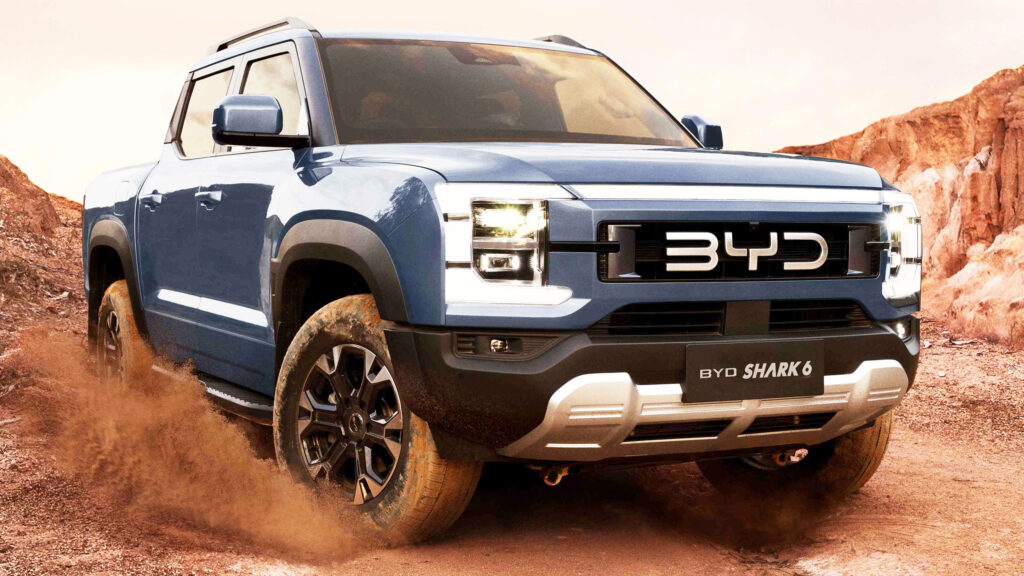
- Not all Chinese brands want European partners, and BYD is one of them.
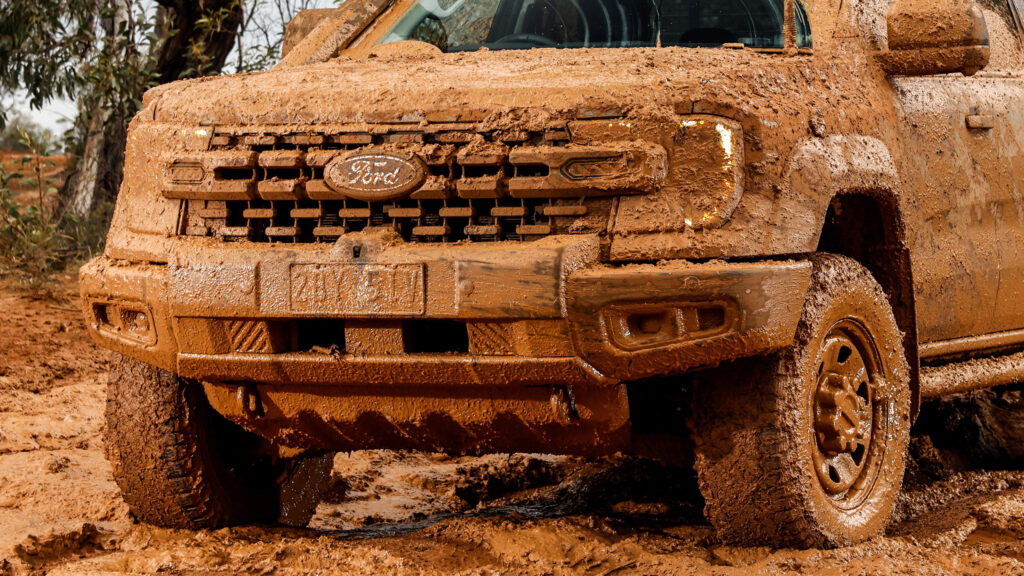
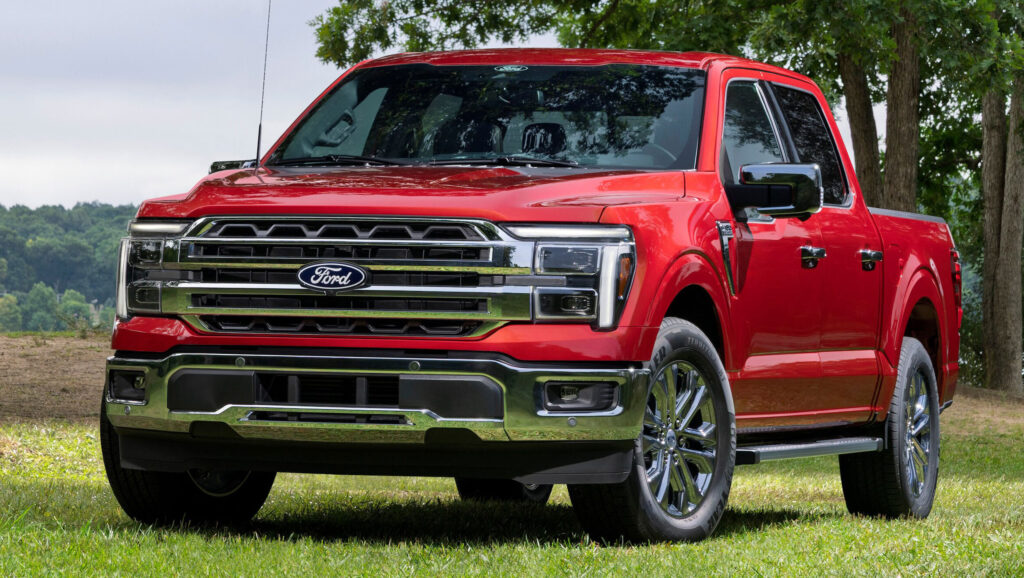
- Ford is said to be discussing a wide-ranging European deal with Geely.
Leapmotor’s confirmation that it will build cars in Europe, and co-develop an EV for Opel with Stellantis, has set off a round of similar conversations across the industry. Other legacy carmakers are now floating partnerships of their own. Whether any of this ends well for the European side is a question the industry itself is already starting to ask.
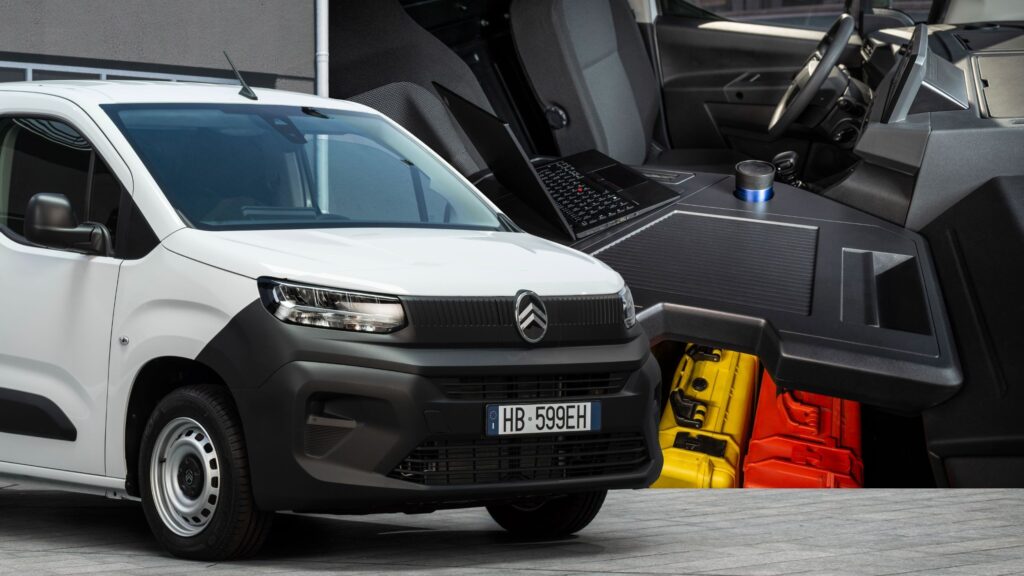
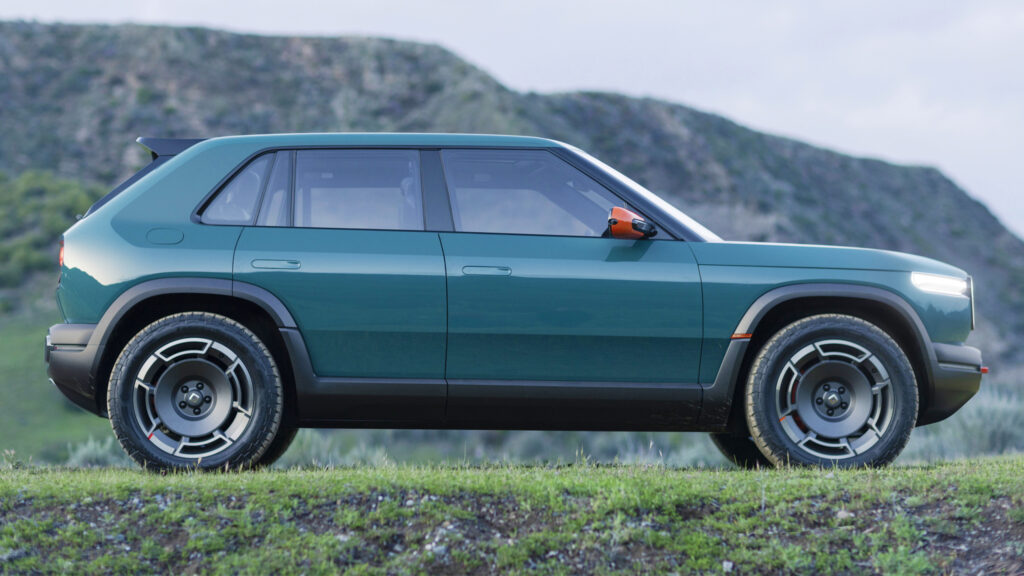
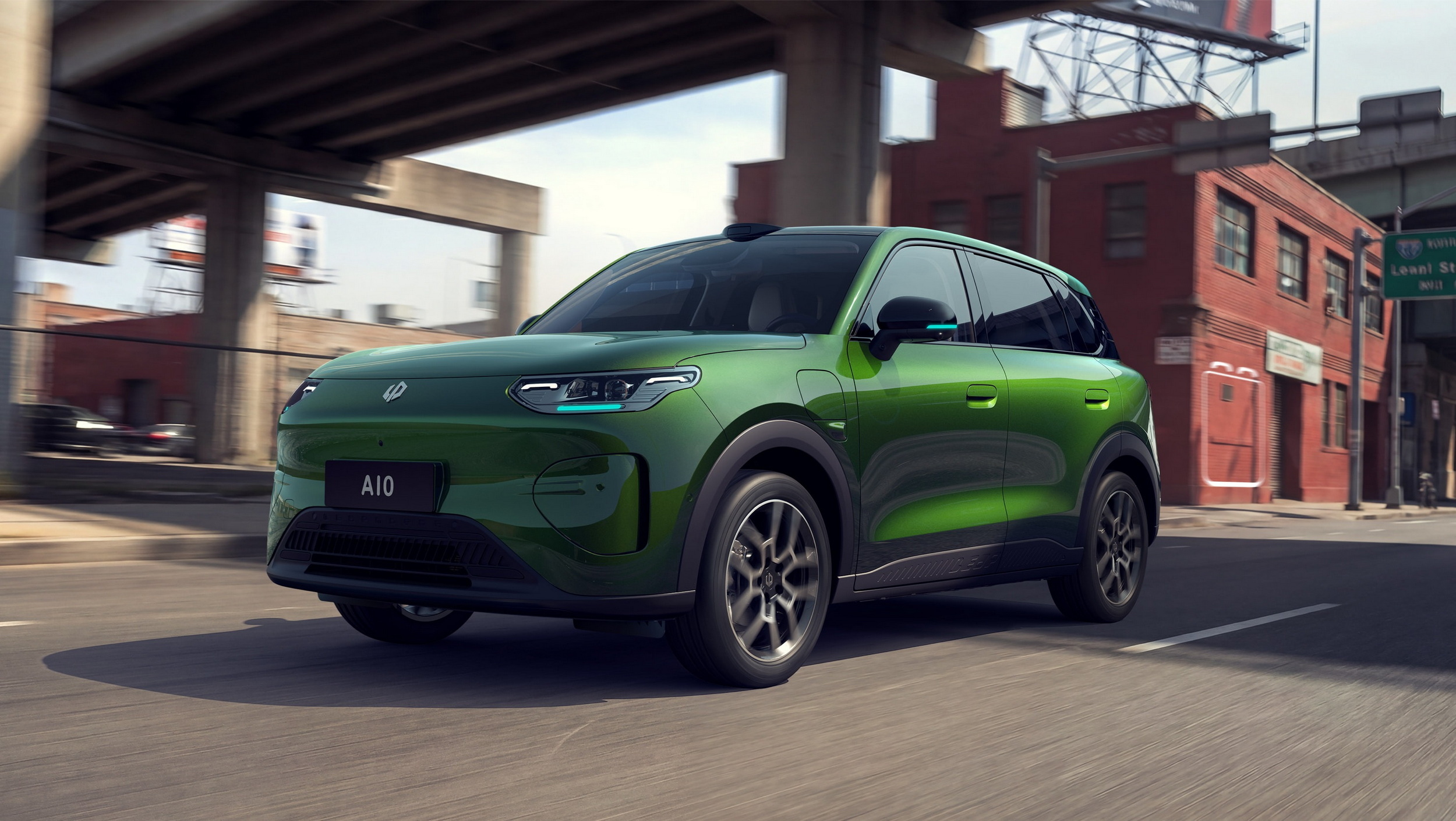
Stellantis took a 21 percent stake in Leapmotor in late 2023 and has been deepening the relationship ever since. The Opel SUV riding on Chinese underpinnings is due in 2028, while multiple Leapmotor-branded vehicles will roll out of the Stellantis plant in Villaverde, Madrid. Ownership of the plant will also be transferred to the Spanish subsidiary of the Stellantis and Leapmotor joint venture.
Read: Europe Spent Years Locking Chinese Carmakers Out, Now It’s Handing Them Factories
Not only will the deal help Stellantis bolster its local business, but it also provides Leapmotor with an easy entry into the European market, allowing it to avoid costly import tariffs by building vehicles locally. As reported by CNBC, Ford is also considering a partnership with Geely for a European partnership of its own. The boss of Stellantis, Antonio Filosa, also notes it’s not only Chinese brands the company is interested in joining forces with.
“Obviously, Chinese OEMs are strong players that are coming with a lot of power to Europe … but also we might look at others,” he revealed. “Leapmotor is a Chinese partner that we have — and we really appreciate that partnership. That’s why we took it [to] the next level but there are many things that can be done.”
Short Term Gain, Long Term Pain?
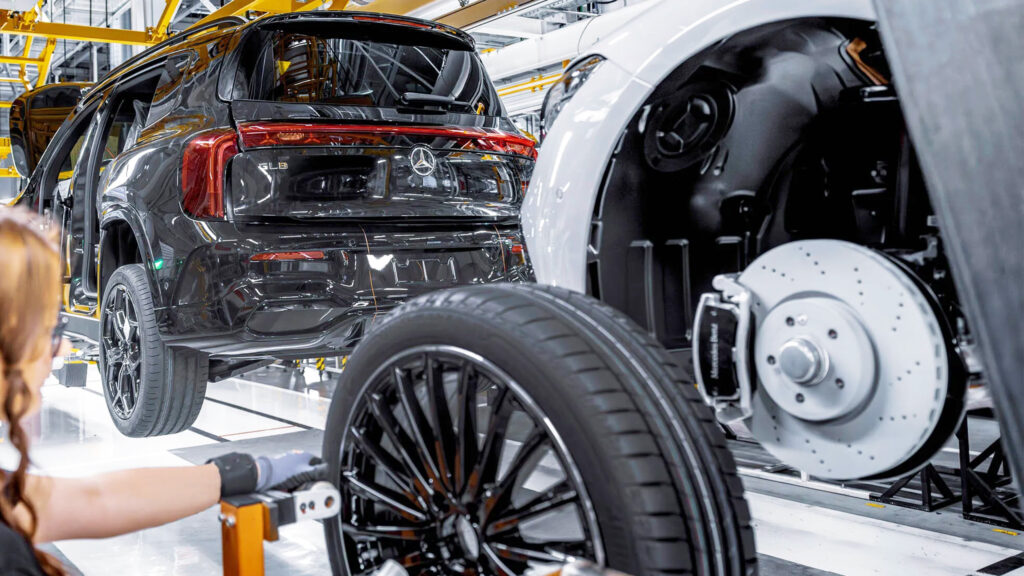
In the short term, these moves could help European companies boost factory utilization rates while also benefiting Chinese firms. However, Julia Poliscanova from campaign group Transport & Environment has concerns.
“I do worry about what that actually means long-term,” she said. “Once they help the Chinese brands get that brand awareness and once people get the car and see that it’s not such a bad car, I think it can be a point of no return.”
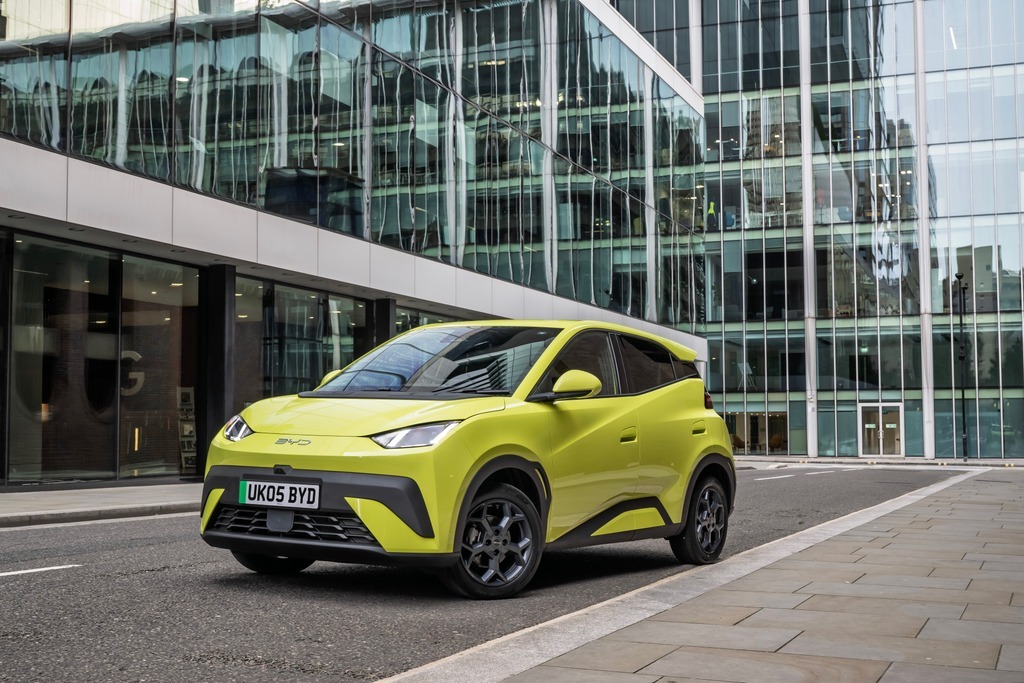
BYD Wants To Go Solo
For what it’s worth, leading Chinese car manufacturer BYD isn’t interested in working alongside a legacy brand. According to executive vice president Stella Li, BYD prefers to operate its own plants rather than through joint ventures and could be negotiating with Stellantis and other companies to take over underused factories.
“It’s very hard to partner and ask permission from another person,” Li told Reuters. “We prefer to run everything on our own. We partner with every auto manufacturer to either sell the battery to them or work with them for different aspects… but not manufacturing.”