


- GM says its EV fleet could help steady strained power grids nationwide.
- More than 250,000 GM EVs exist, but grid gear costs about $20,000.
- Owners may wait five years to break even, and EV fans worry about wear.
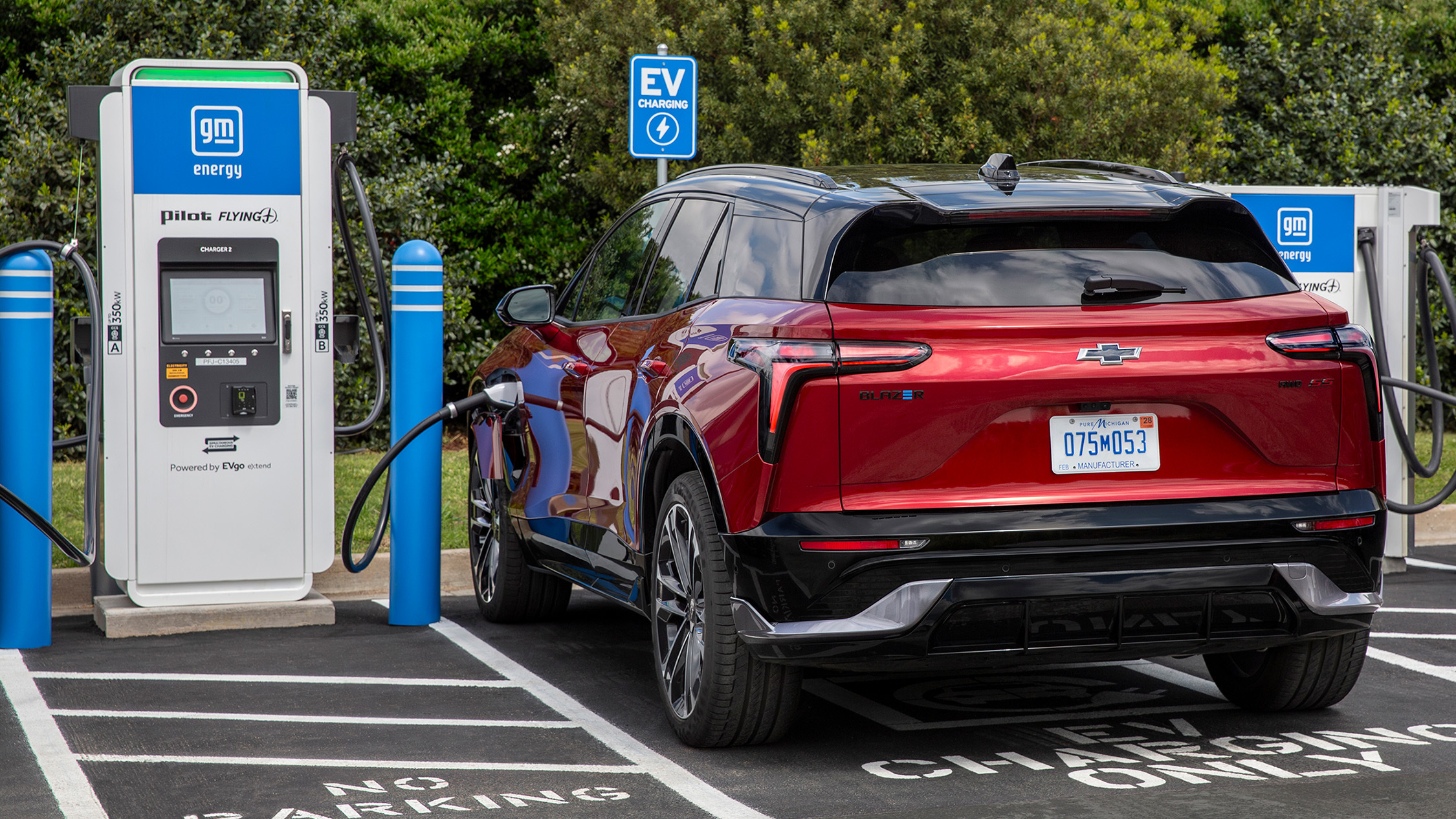
Most electric vehicles spend their nights doing absolutely nothing. They sit in driveways, plugged into chargers, waiting for morning. General Motors thinks that’s a missed opportunity and wants those parked Chevy, Cadillac and GMC EVs to become part of America’s energy infrastructure with the help of a simple software update – and an expensive hardware one.
In an open letter addressed to utility companies and energy policymakers, GM Energy vice president Wade Sheffer outlined the company’s vision for vehicle-to-grid technology. Instead of only drawing electricity from the grid, compatible EVs could also send energy back when demand spikes or supplies tighten.
Related: Ford Already Backed Away From One EV Truck, Now GM Is Backing Away From Four
GM says it already has more than 250,000 bidirectional-capable EVs on American roads. According to the company, those vehicles collectively store enough energy to help power roughly 120,000 homes for up to a week. As Sheffer put it, “The technology is already parked outside. Let’s turn it on together.”
The concept isn’t entirely new. Bidirectional charging systems have already been promoted as a way to keep homes powered during blackouts. GM now wants to expand that capability so EVs can help support local grids, potentially creating a new revenue stream for owners while reducing strain on utilities.
Of course, there’s a catch. Actually participating requires more than simply owning a compatible EV. Drivers need specialized bidirectional charging equipment, and current systems don’t come cheap. Wired reports that the required hardware package can cost around $20,000 before installation expenses are added, so it might take five years just to break even.
Bureaucratic Nightmare
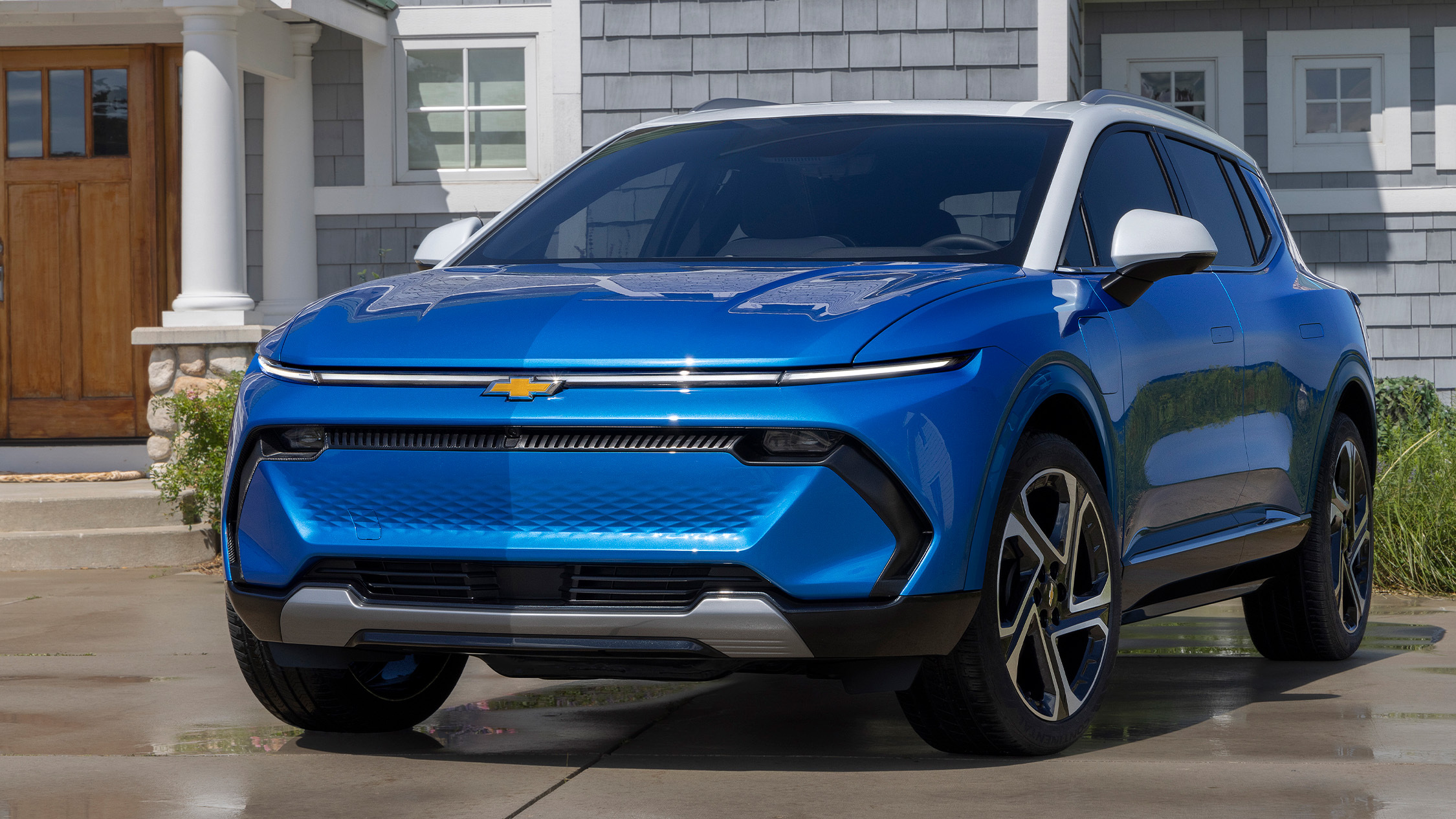
There are other hurdles too. Utility companies operate under different rules and regulations depending on where they’re located, meaning widespread adoption will require cooperation from thousands of organizations. GM is already working with Pacific Gas and Electric in California and DTE Energy in Michigan, but scaling the technology nationwide will be a much bigger challenge.
Beyond that, and the inevitable shock at the $20k setup cost, there’s the question many careful EV owners are likely to ask, which us if you’re regularly using your EV’s battery to support the grid, what impact does that have on long-term battery health? GM didn’t address that topic in detail in its letter, though it will almost certainly be part of the conversation as vehicle-to-grid programs expand.
For now, GM’s proposal remains more vision than reality. But with growing pressure on electrical grids from extreme weather, rising energy demand, and expanding AI infrastructure, future EVs could one day be doing a second job while you’re asleep.