










- Reopening Hormuz won’t instantly refill depleted auto supply chains.
- Nissan’s oil rationing at dealerships now looks like early warning signs.
- Paint products and synthetic lubricants could remain tight through 2027.
When Donald Trump this week announced a preliminary agreement with Iran that could reopen the Strait of Hormuz and end months of disruption, it sounded like good news for anyone worried about fuel prices. But for the wider auto industry, the problems created by the conflict may take far longer to disappear.
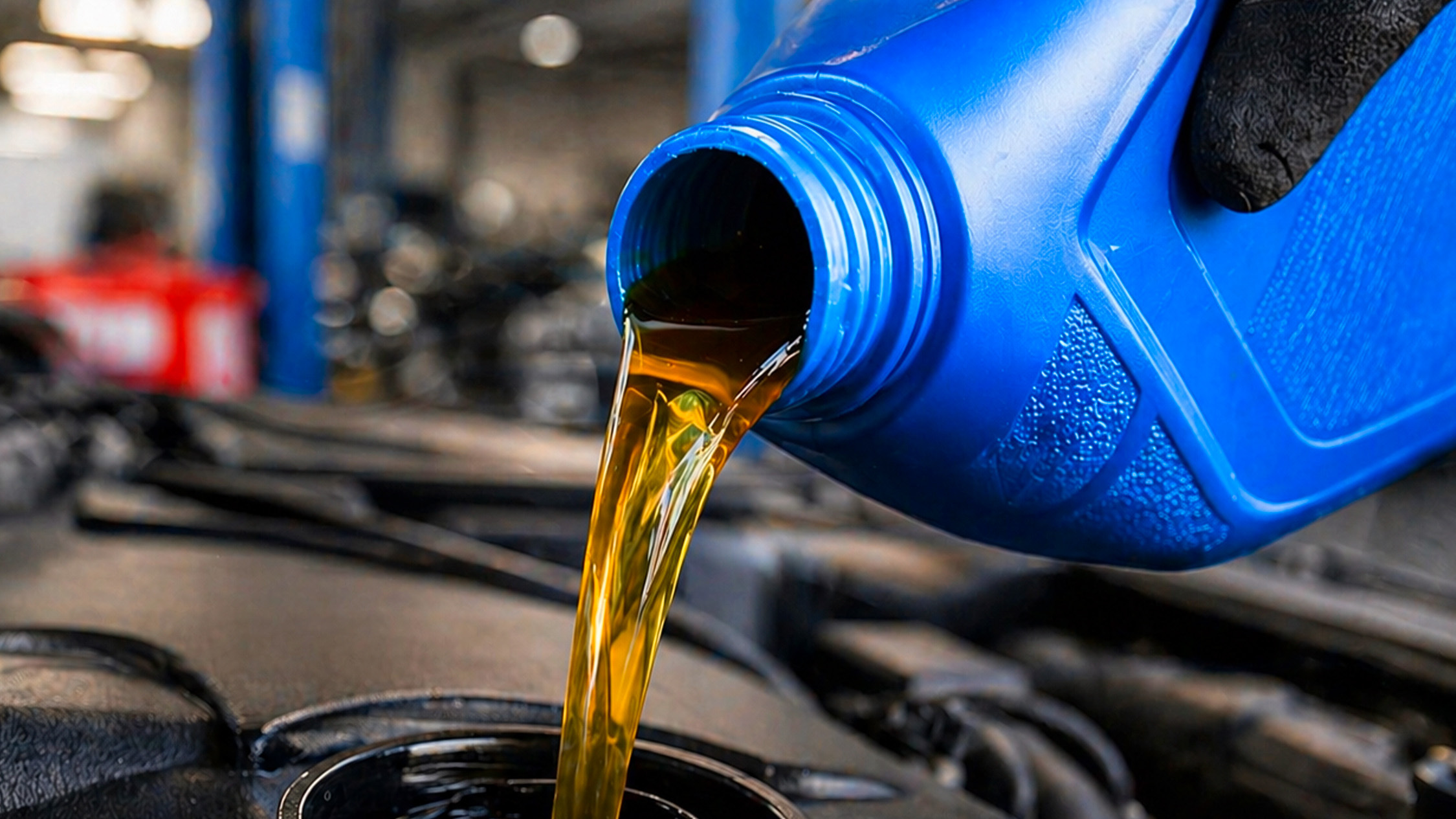
In fact, some automakers were already taking emergency measures weeks before news of a possible deal emerged. Last month, reports emerged that Nissan had begun rationing supplies of certain synthetic oils to dealers, cutting deliveries and instructing stores to prioritize warranty repairs, recalls, prepaid maintenance plans, and other key customers. Toyota also warned dealers about possible shortages of some low-viscosity oils and suggested substitutions might be necessary.
Related: Trump Suggests He Won’t Renew US-Mexico-Canada Agreement
At the time, those moves looked like prudent precautions. New reporting from Reuters suggests they may actually have been early signs of a much broader supply crunch. The publication spoke with repair shops and industry executives in Japan who described growing difficulty obtaining everything from engine oil to paint-related products. One Tokyo repair shop executive told Reuters that supplies had effectively stopped arriving shortly after the conflict began.
“Oil supplies were almost completely wiped out after the war started in March. Since April, nothing has been coming in,” Hiroyuki Nakamura of Shin Etsu Denso told the news organization.
The shortages extend beyond lubricants. Some body shops have struggled to source materials used in popular paint finishes, particularly those needed for pearl white vehicles. One repair business told Reuters it had considered completing repairs first and postponing paintwork until supplies improved.
Petroleum Products In Short Supply
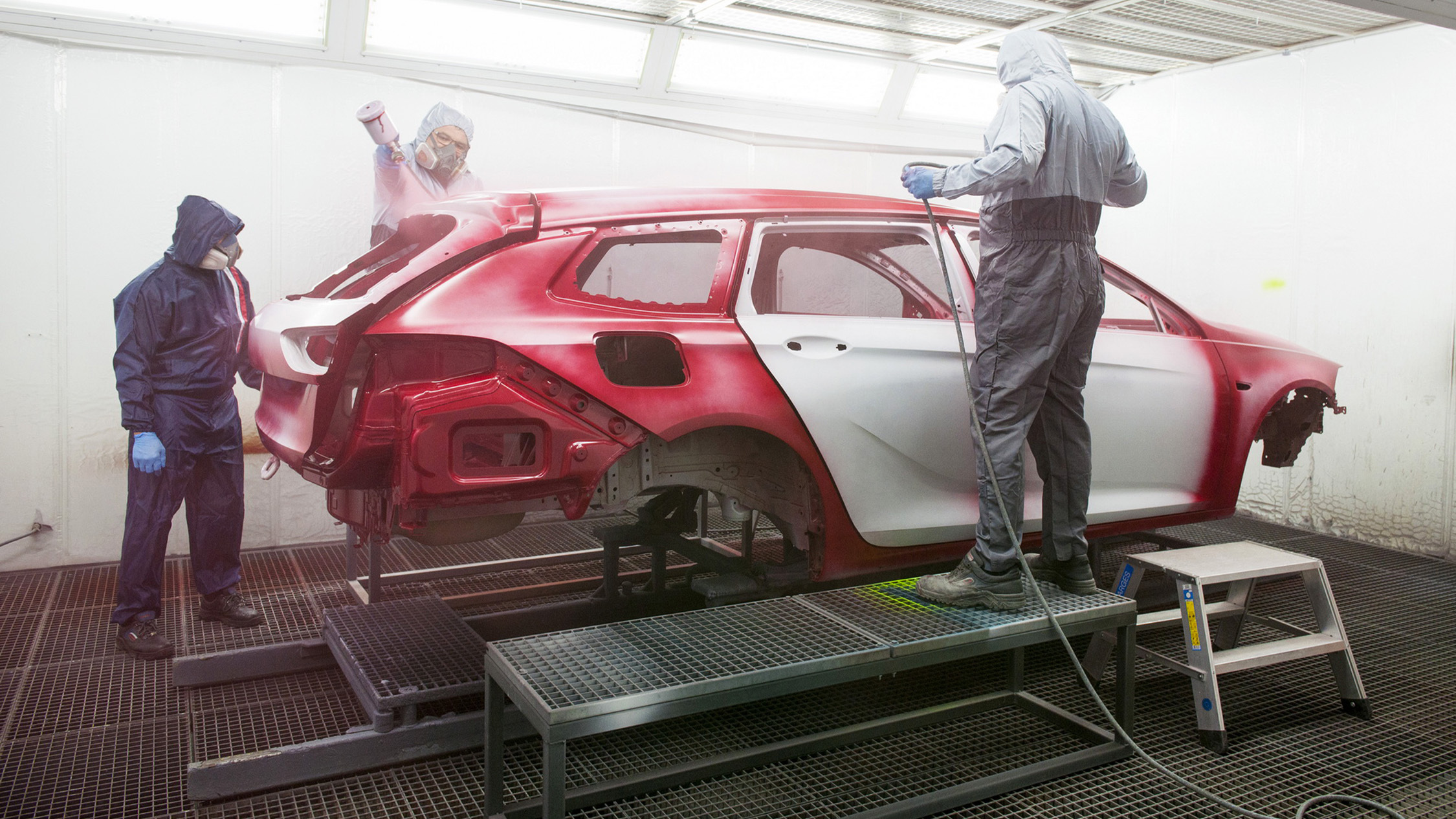
The issue stems from more than just oil shipments. The conflict disrupted supplies of specialized petroleum-derived materials used to manufacture synthetic lubricants, coatings, thinners, and other products that keep dealerships and repair shops operating.
Even if ships begin moving freely through Hormuz again, inventories remain depleted. Some companies have responded by purchasing extra stock whenever possible, while smaller businesses have been left competing for whatever remains.
That’s one reason industry groups expect lubricant prices to stay elevated and supplies to remain tight well into 2027. While a diplomatic breakthrough could eventually restore normal trade flows, drivers shouldn’t expect an immediate return to business as usual. The conflict may be winding down, but the supply chain hangover is only just beginning. Our advice: don’t wreck your car.