- Several US-built vehicles will soon go on sale in Japan.
- Japan may approve US-certified cars without retesting them.
- Political pressure is reportedly driving the policy change.
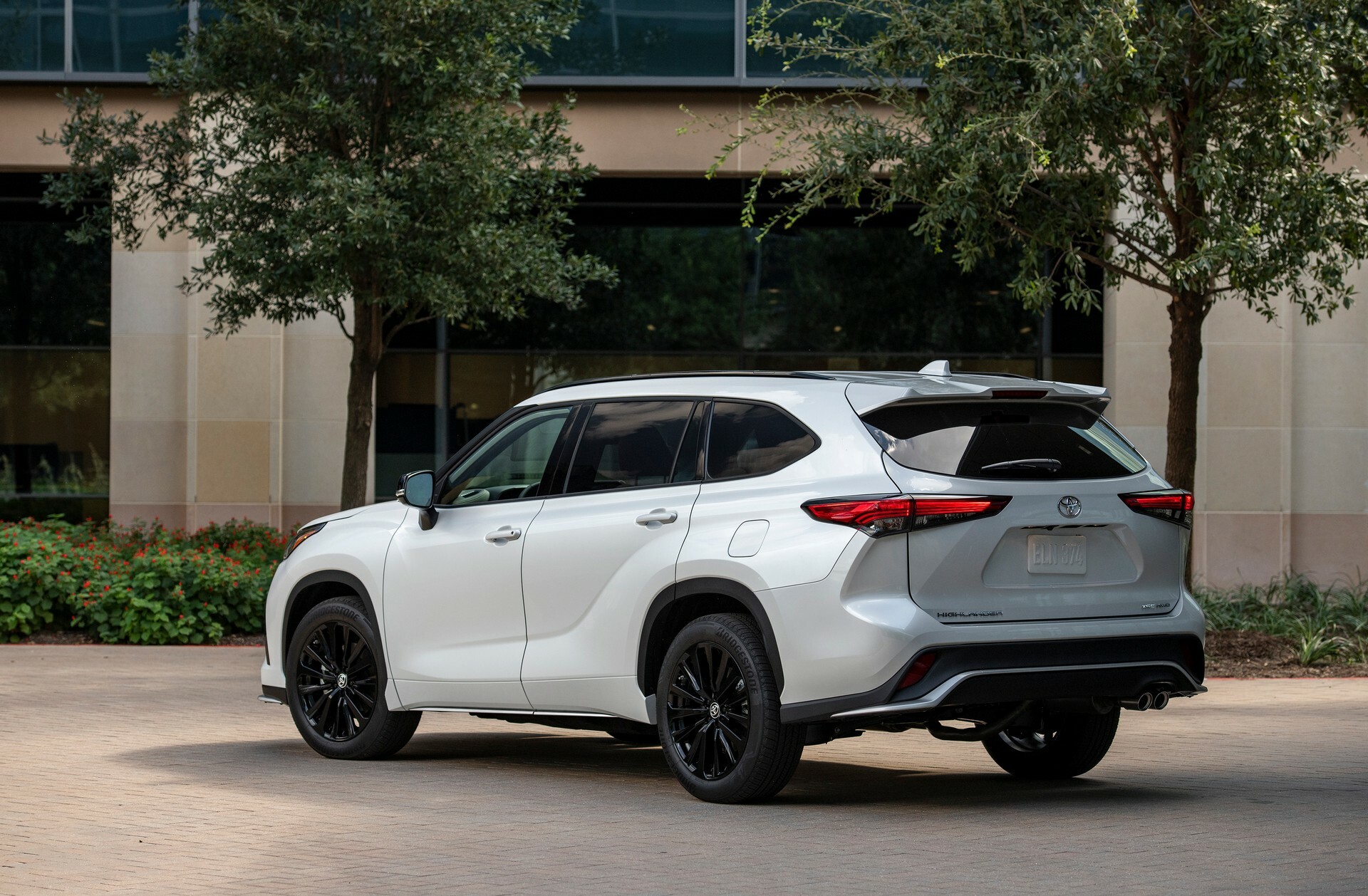
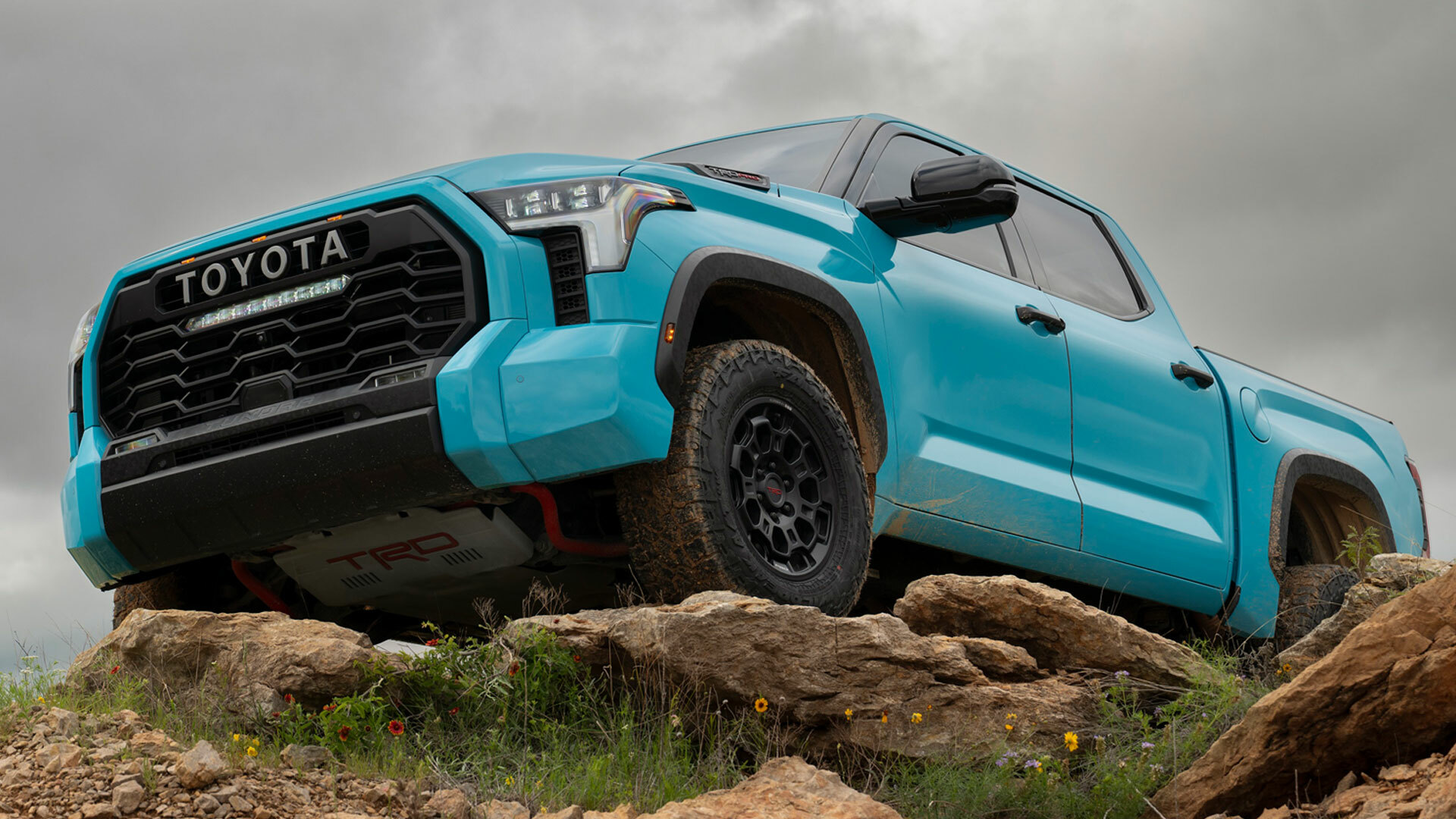
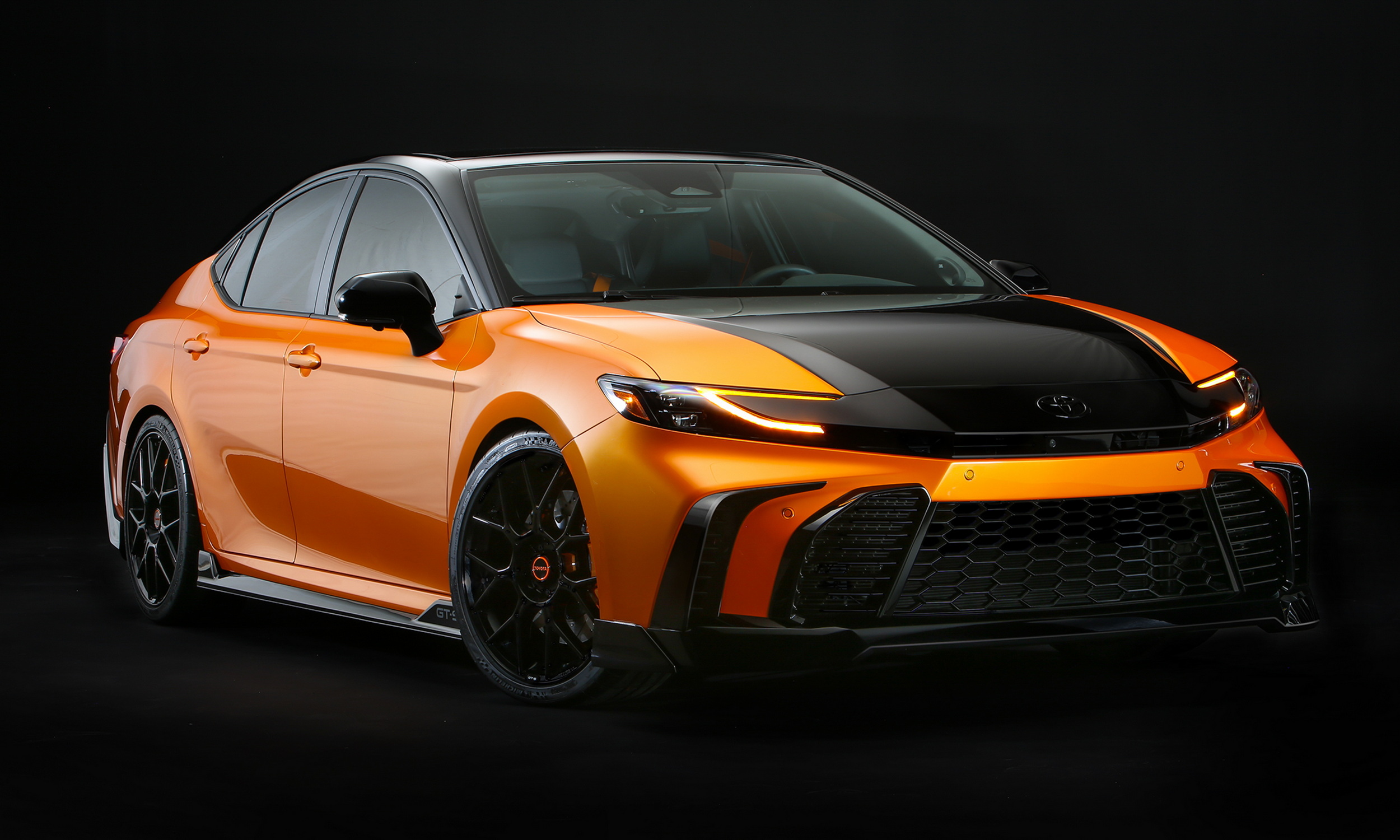
Update: It’s now official, as Toyota has confirmed that it will begin importing three American-made models into Japan starting in 2026, including the Camry sedan, Highlander SUV, and Tundra pickup truck. This marks a rare reversal of the usual automotive export flow and positions Toyota to test an unorthodox strategy in its home market.
“By selling these three popular American models in Japan, Toyota will be able to meet the diverse needs of a broad range of customers, while also helping to improve Japan–U.S. trade relations,” the company said in a statement.
“As part of preparations to introduce these models to Japan, Toyota will also make use of a new system being considered by the Ministry of Land, Infrastructure, Transport and Tourism following bilateral negotiations.”
Original story follows below.
Toyota is preparing an unusual move, as starting next year, it reportedly plans to import vehicles from the United States to Japan. The decision appears, at least in part, to be a response to pressure from the Trump administration, which has long raised concerns about the U.S. trade deficit with Japan. Officially, however, Toyota is framing the move as a way to offer more choices to Japanese buyers.
And it’s not alone, as similar strategies are reportedly under consideration at other major Japanese automakers, including Honda and Nissan.
What’s Coming to Japan?
According to Nikkei Asia, the first imports will likely include America’s perennial best-selling car, the Camry sedan. It will be followed by other popular models such as the Highlander SUV and the Tundra full-size pickup. None of these are currently offered in Toyota’s domestic market.
Still, whether the plan makes financial sense is unclear, given the higher production and transport costs tied to North American labor and shipping.
More: Toyota Revives Scion, But Its Future Doesn’t Involve Traditional Cars
President Donald Trump has repeatedly criticized the U.S. trade imbalance with Japan, often pointing to what he sees as unfair trade barriers limiting the success of American-built vehicles overseas, while largely ignoring the stark contrast in consumer preferences. For example, full-size pickups and SUVs dominate in the U.S., whereas Japan favors compact city cars and kei vehicles.
Toyota Chairman Akio Toyoda, for his part, has shown an interest in exploring the possibility of American imports into Japan.
Who Else Might Join In?
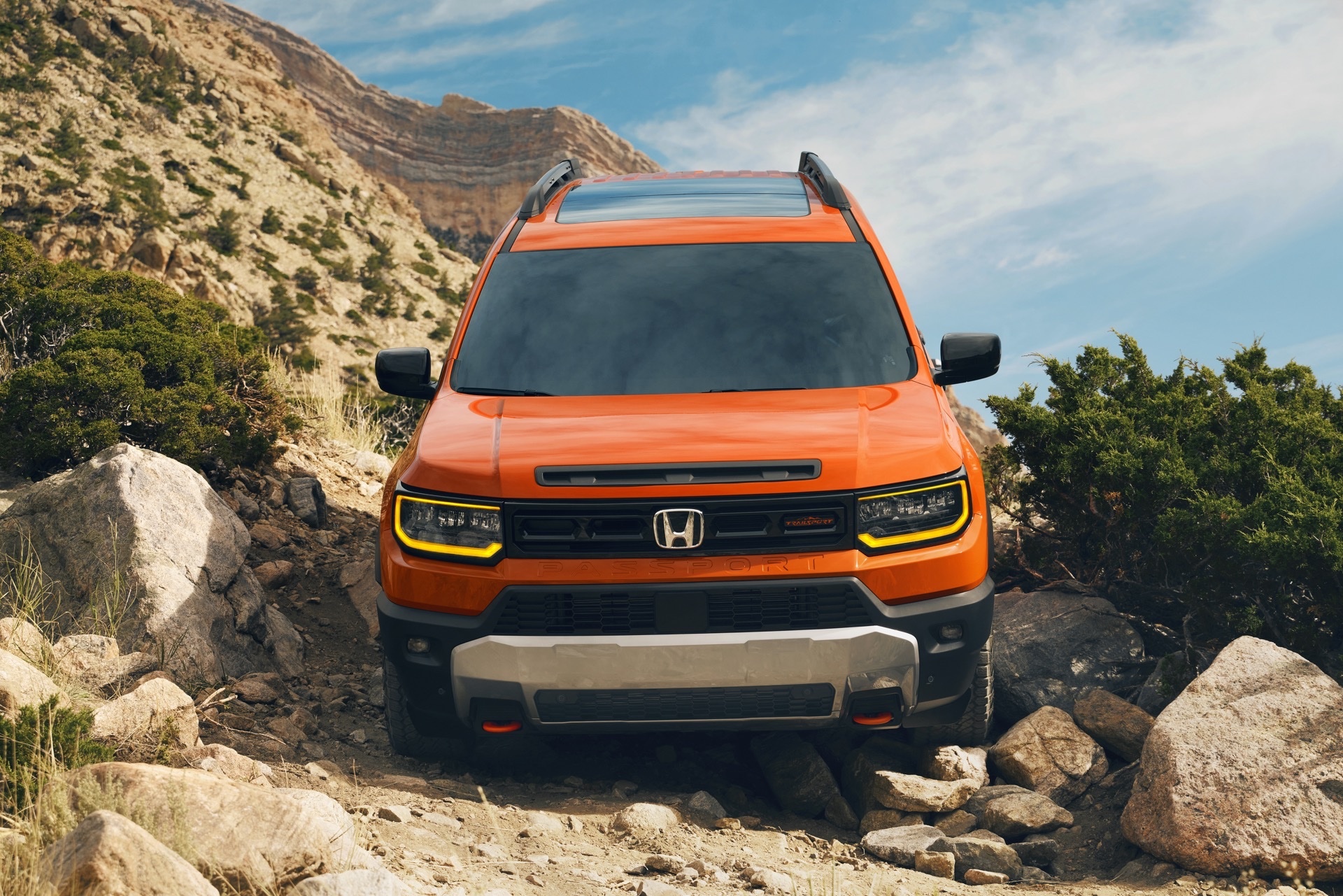
Nikkei also reports that Honda is weighing a similar move, with potential imports including the U.S.-built Ridgeline pickup, Pilot SUV, and several Acura electric models. Honda has taken this route before, albeit in limited fashion, with the hydrogen-powered FCX and FCX Clarity, both of which were sold in Japan in very small numbers.
Nissan could follow suit with models like the Murano and Pathfinder SUVs, neither of which is currently available in its home market.
Awaiting the Green Light
A key element in this plan is regulatory change, part of a recent trade agreement between Japan and the United States. Japan’s Ministry of Land, Infrastructure, Transport, and Tourism is working on a new certification pathway that would allow U.S.-built vehicles to be approved through documentation review alone, rather than requiring additional domestic testing.
More: Honda Updates 2026 Accord, But You Probably Won’t Notice
If this change is implemented, the new rules could go into effect as early as 2026, dramatically lowering the barrier for American-made vehicles to enter the Japanese market.
The Trump administration has also claimed that Toyota has agreed to open its Japanese dealership network to American brands like Ford and General Motors. Whether that development leads to meaningful change, however, will depend on how those companies choose to approach the opportunity.