









- Outback moves closer to SUVs without major size gains.
- The new model is 1.4 inches taller with extra capacity.
- Sales peaked in 2017 before settling post-pandemic.
For years, the Subaru Outback stood as one of America’s last great wagons, carving out a niche apart from the taller SUV crowd. Introduced 32 years ago as a cladded and lifted version of the Legacy station wagon, it grew so popular that it ultimately outlived the car it was based on.
Sadly, the latest Outback has transitioned closer to an SUV than ever before, triggering fierce debate among many Subaru faithful.
From Wagon Roots To SUV Shape
Asked why Subaru moved away from the traditional wagon silhouette, company spokesperson Aaron Cole said customers wanted to keep the wagon’s practicality but asked for more cargo space. According to Subaru, that feedback directly shaped the design we see today.



“We conducted focus group testing through the design process for the new 2026 Outback,” Cole told CarBuzz. “Our customers were very clear that they liked the wagon’s utility, including ingress and egress, cargo capacity, and more. They indicated they did not want the dimensions to change, though they said more cargo room would always be helpful.”
Read: Subaru Asks Drivers If They Still Crave A Stick-Shift SUV
In photos, the new Outback might pass for a conventional SUV, but the tape measure tells a slightly different story. It is 0.2 inches shorter and narrower than before, and only 1.4 inches taller. That puts it somewhere between a lifted wagon and a full-fledged crossover, depending on how generous you are feeling. According to Cole, focus groups responded well to the revised shape.
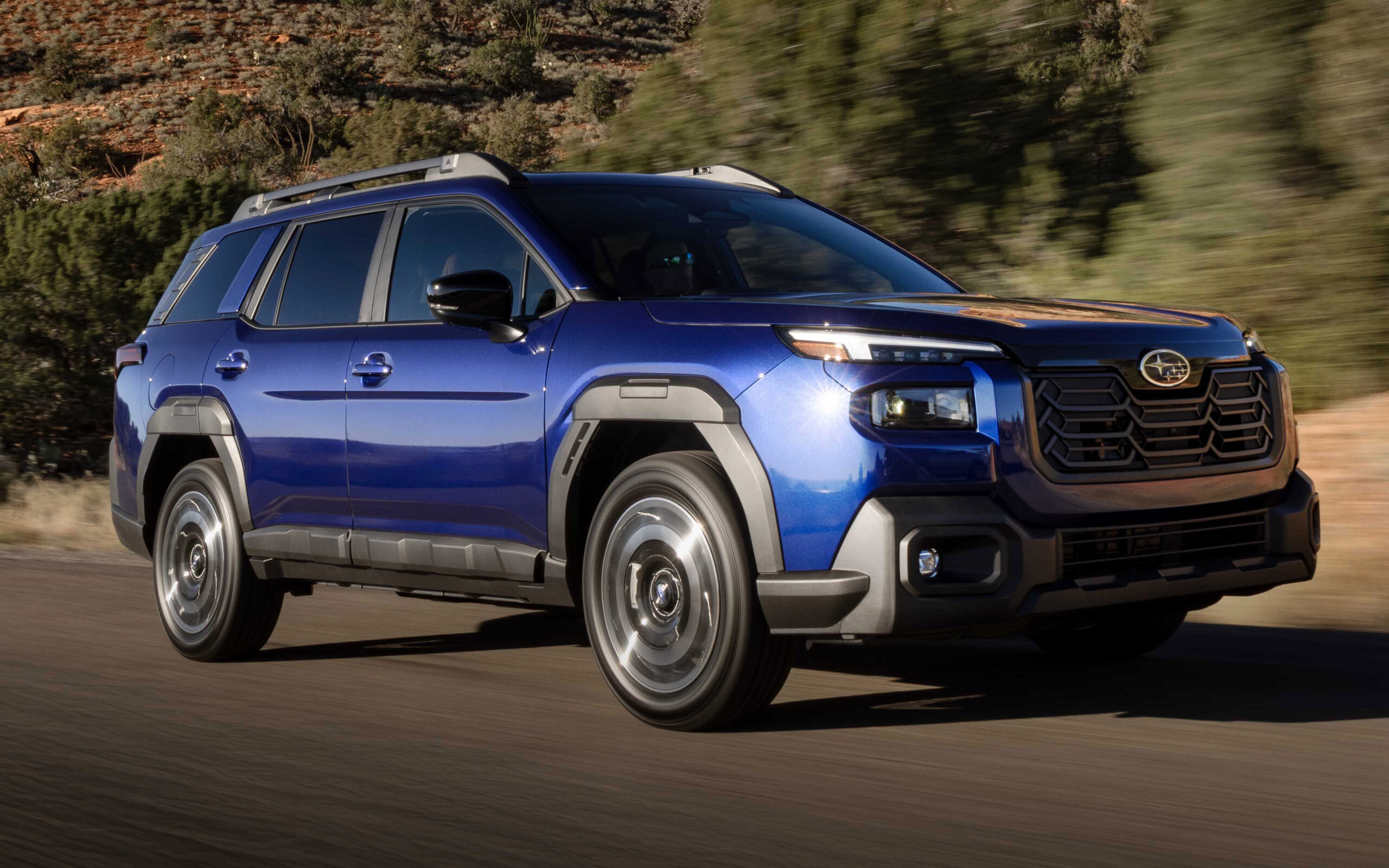
“Our final design reflected [customer needs], with the same wheelbase, nearly the same overall length, 1.4 inches taller, similar proportions, but two additional cubic feet of cargo room. Most attendees [of the focus groups] told us they liked the new exterior design, and as we refined the final design, the feedback we received was increasingly more positive.”
Also: Subaru’s Legacy Fades To History As Its Longest-Running Nameplate Is Dead In America
Cole added that Subaru also carried out extensive research with younger buyers. Many told the company they valued the Outback’s practicality but had previously passed on it because of how it looked, a data point that likely carried weight during the redesign.
What Else is New?


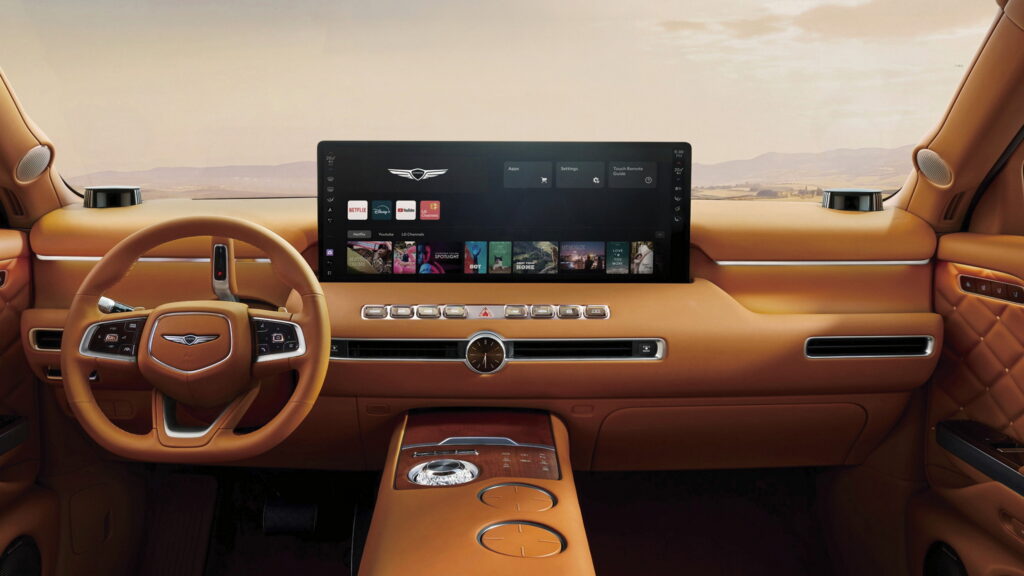
While we suspect opinions will remain divided, some of the features of the new Outback should be appreciated by the vast majority of customers. For example, Subaru finally abandoned the portrait-style infotainment display of the old model, which housed all the climate controls, in favor of a 12-inch horizontal display and separate physical buttons and dials for the HVAC. Sometimes progress looks a lot like going back to what worked.
Less encouraging is what sits under the hood. The familiar 2.5-liter four-cylinder carries over unchanged, producing 180 hp and 178 lb-ft of torque. A turbocharged 2.4-liter with 260 hp remains on the options list for those who prefer a little more urgency. A hybrid is rumored to join the lineup in the near future, though for now, the powertrain story is largely business as usual.
Outback sales hit their high-water mark in 2017, when Subaru moved 188,886 units. As Carbuzz pointed out, the following two years remained strong, but the post-pandemic reality has been less emphatic, with annual totals hovering between 147,000 and 168,000 units.