


- Jim Farley says Ford misread post-pandemic EV demand signals.
- The F-150 Lightning will return as a 700-mile extended-range truck.
- Ford’s new strategy prioritizes cost control and mainstream practicality.
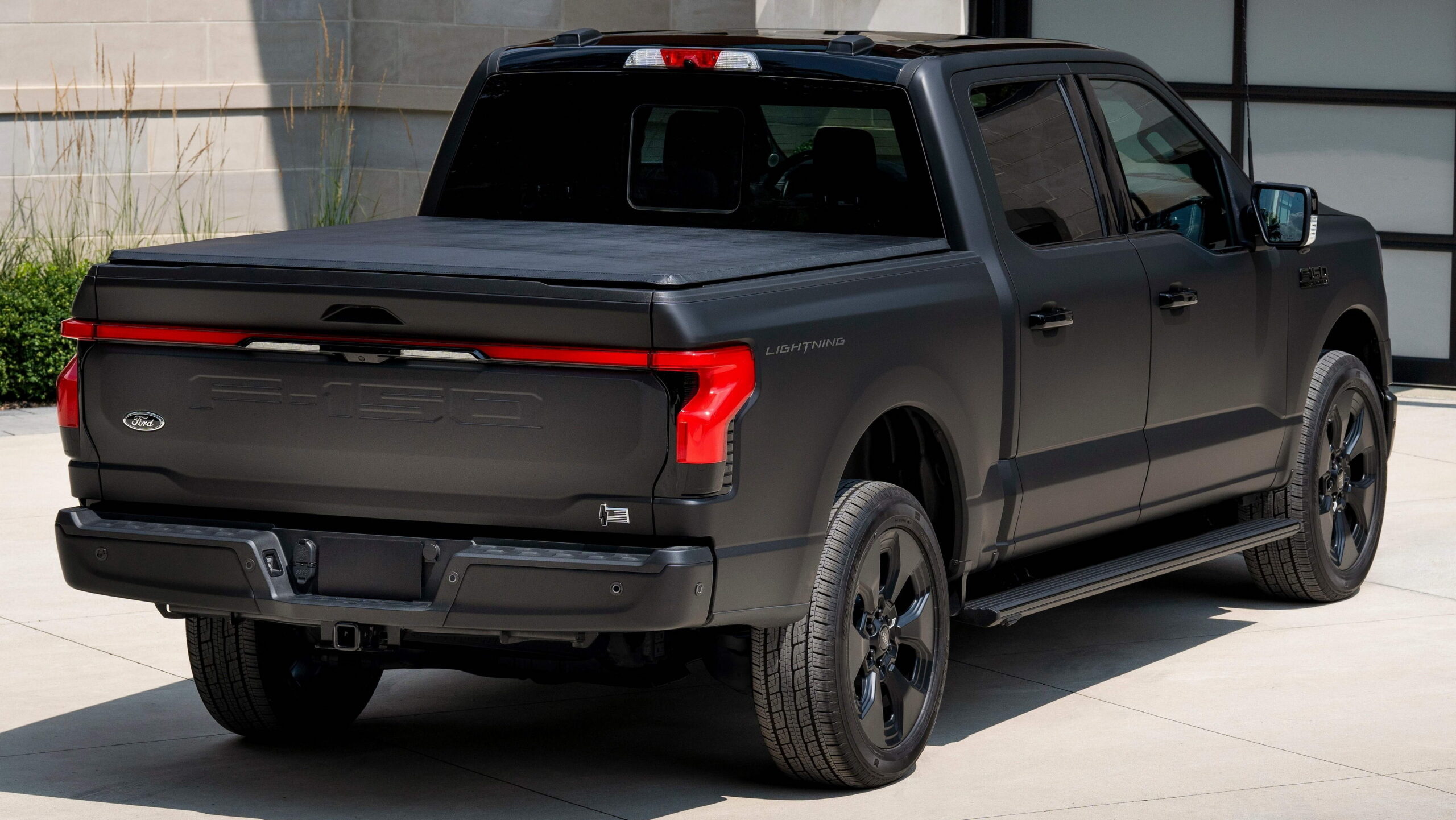
The last decade has seen the automotive industry tipped on its head, and it hasn’t completely righted itself even now. Ford’s CEO Jim Farley says that shift is part of what led the brand to take missteps as he now sees them around the F-150 Lightning.
Now that the brand is pivoting to an extended range version of the truck, he’s spilling details on how the first Lightning got off to a hot start and then burned out fast.
After losing billions on its first-generation electric vehicles, Ford has scrapped its next-gen electric truck, canceled multiple three-row EV crossovers, and pulled the plug on a next-generation van. All of those choices have come down to what Farley says was an initial mis-reading of the market.
More: Ford’s $30K Pickup Wants To Beat Cybertruck At Its Own Game
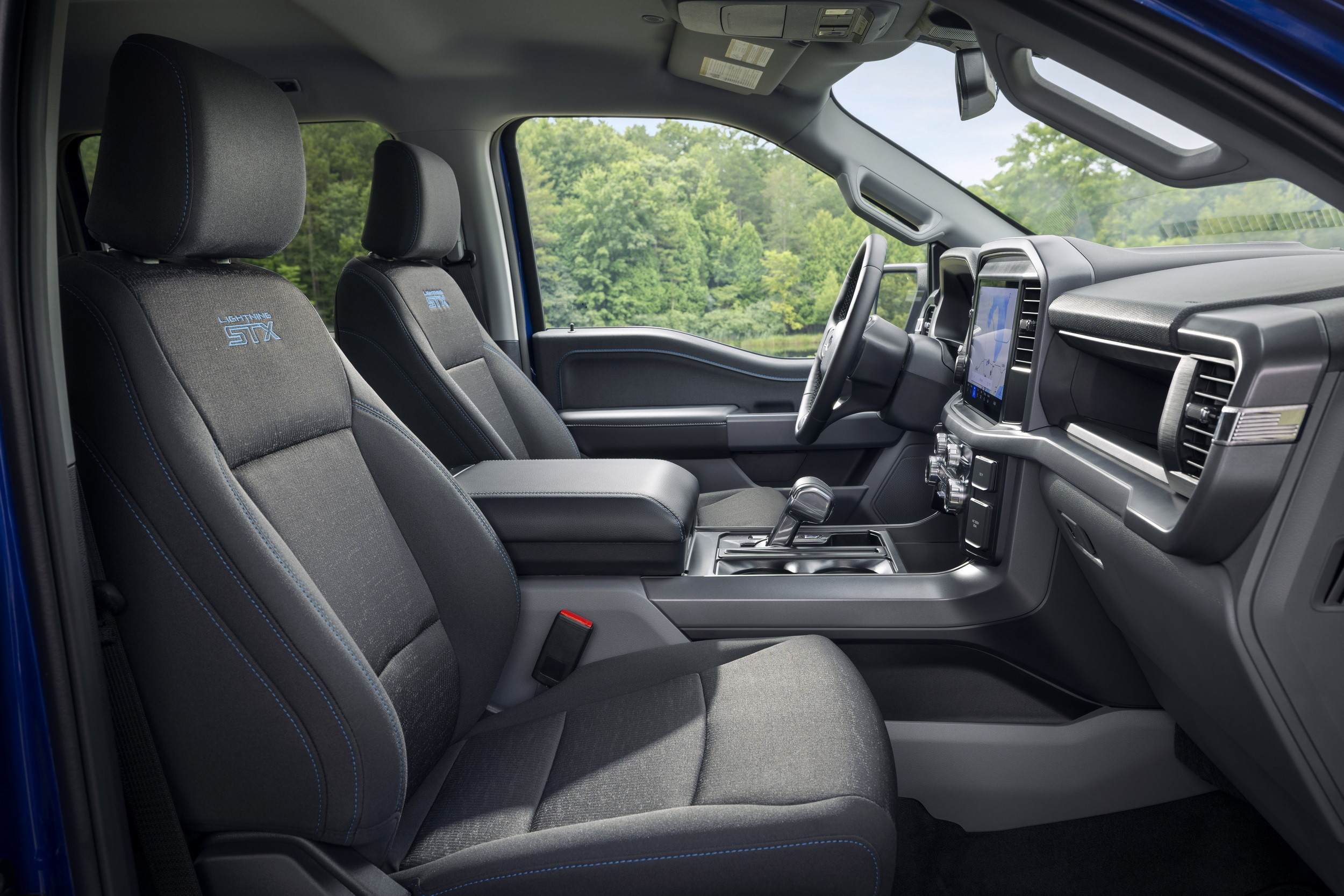
In a recent interview with CarAndDriver, he admits about the F-150 Lighting, “I totally would’ve done it differently. I mean, look, we didn’t know what we didn’t know… COVID totally was a false signal. Post-COVID, and during the chip crisis that was a result of it, there was such high demand for all vehicles. If you could build a vehicle, you were going to sell it basically at 30 or 40 percent higher prices than before COVID.”
Despite that big boom in profit, the reality was that production costs were too high to remain sustainable, says Farley. “I guess it didn’t take us long to learn that our internal-combustion-engine prejudice was so high that we hadn’t designed the [electric] cars right. We had a Mustang [Mach-E], we had an E-Transit, we had a Lightning, and people loved these products. The problem was they were never going to pay the cost we put into the vehicle.”
Tesla’s Big Assists
How did Farley come to this realization? As it turns out, Tesla had a hand in it.
“When we ripped apart a Tesla with Doug Field [Ford’s chief officer for EVs, digital, and design, formerly of Apple and Tesla], I was just absolutely flabbergasted,” Farley told the magazine.
“The Mach-E’s wiring harness was 70 pounds heavier and 1.6 kilometers longer. We didn’t know what was going on in [Tesla engineers’ ] minds. But now we understand. They had no prejudice. We had prejudice. We’d gone to our supply-chain person and said, ‘Buy another wiring harness.’ [Tesla] said, ‘Let’s design the vehicle for the lowest, smallest battery.’ Totally different approach.”
Read: Gas Mustang Sales Are Suddenly Surging While Its Electric Twin Is Collapsing
That shift might have played a role in Ford moving to a 48v architecture for its upcoming EV pickup. Tesla famously sent an instruction manual on building such a vehicle to Ford and other competitors. Not only does it help the brand save money on material costs, but it should also help the final product weigh less and have a longer range as a result.
While the first-gen Lightning might be something Ford wishes it could redo, it’s clear that the brand is going into the second generation with an all-new vision.