









- The war in Iran could send ripple effects across the auto industry.
- The consequences may stretch beyond higher oil prices alone.
- Shipping delays and parts shortages are beginning to surface.
The growing strife in the Middle East is no longer a mere geopolitical news item. It is beginning to change the expectations of the economy, and the automotive industry is poised to feel the pinch.
From Detroit to Tokyo, executives are revamping forecasts as rising energy prices and trade disruptions complicate what was already a difficult global market. What happens in the Gulf does not stay in the Gulf, at least not when there is oil and shipping lanes.
How Oil Prices React
Oil prices have risen sharply as tensions between Iran and its adversaries have grown and that alone is enough to shake the car business. The Strait of Hormuz, a narrow but vital route for worldwide oil shipments, remains a pressure point.
Read: Just As Gas Dropped Below $3, Iran Strike Sends Prices Back Up
Any threat to its stability promptly feeds into crude prices. Higher oil means higher fuel costs, and that affects everything from the operations of factories to the trucks and vessels that move parts and finished vehicles around the world. Margins already tight in many segments are now under renewed pressure.
A Short-Term Intervention, Or A Prolonged War?
Another question on everyone’s lips is whether the current action against Iran will be over in the short, medium, or long term. A report from S&P Global highlights several scenarios for the auto industry as a whole.
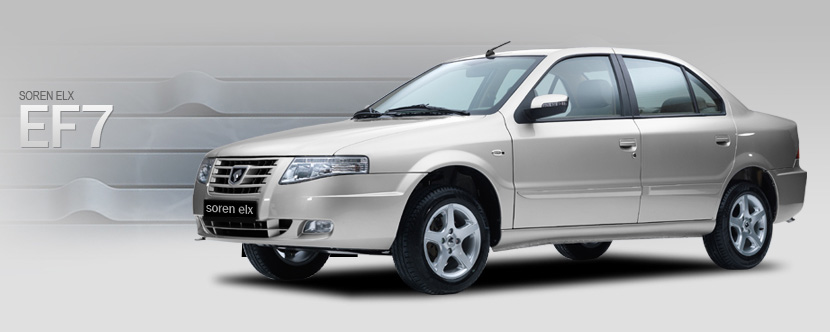
While Iran isn’t a major player in the global scene (the 1.1 million cars produced in 2025 were predominantly for local consumption), a prolonged conflict will have knock-on effects around the world, from currency fluctuations to buyers’ price sensitivity.
Shipping has become the other weak link. Key maritime routes in the Gulf are experiencing delays, high insurance rates, and periodic slowdowns due to security risks. For Asian automakers who export in large volumes to the Middle East, this poses real operational challenges.
Brands in Japan, South Korea, China, and India rely on smooth passage through these waters to service customers in Saudi Arabia, the UAE, and other nearby countries. Even brief interruptions can have knock-on effects, delaying deliveries and driving up transport costs.
Why Toyota Is Cutting Output

According to Reuters, Toyota recently signaled the seriousness of the situation by cutting planned production of vehicles bound for the Middle East by tens of thousands of units over the next several months. When a company of that scale changes output, suppliers take notice immediately.
Smaller component manufacturers tend to work on a tightly held margin and schedule. A change in the volume of exports can result in having too much inventory one month and scrambling for parts the next. The uncertainty is making it challenging to plan at every level of the chain.
The economic impact does not stop with manufacturers, however. Higher freight costs and fuel bills drive up overall costs and some of that always trickles down to the consumer. In markets where inflation has already expanded household budgets, even modest price hikes for vehicles can slow down demand. Buyers may postpone purchases, especially in areas where the cost of financing is also high.