


- Virginia will require speed limiters for extreme speeding convictions.
- Drivers can choose the speed-limiting device instead of losing their license.
- The law specifically targets offenders who get caught going above 100 mph.
Speeding is a hot topic across the USA, and Virginia is doing something no other state has to combat it. Starting July 1, those caught going triple-digit speeds will face a new consequence. No, they won’t necessarily go straight to jail, though it’s possible. They’ll either lose their license or get an electronic nanny in the car to keep them from speeding anywhere.
The new law creates what’s called an Intelligent Speed Assistance program, and it allows judges to order speed-limiting technology for the most serious offenders instead of suspending their license outright. Supporters say it could save lives. Critics will almost certainly argue it’s another step toward cars that watch everything you do.
More: The IEA Just Told Governments To Lower Speed Limits To Reduce Oil Use
The legislation, signed by former governor Glenn Youngkin, targets drivers caught going more than 100 mph (160 km/h) or committing extreme reckless driving. In those cases, courts can allow the offender to keep driving, but only if their car is fitted with a system that prevents it from exceeding posted limits.
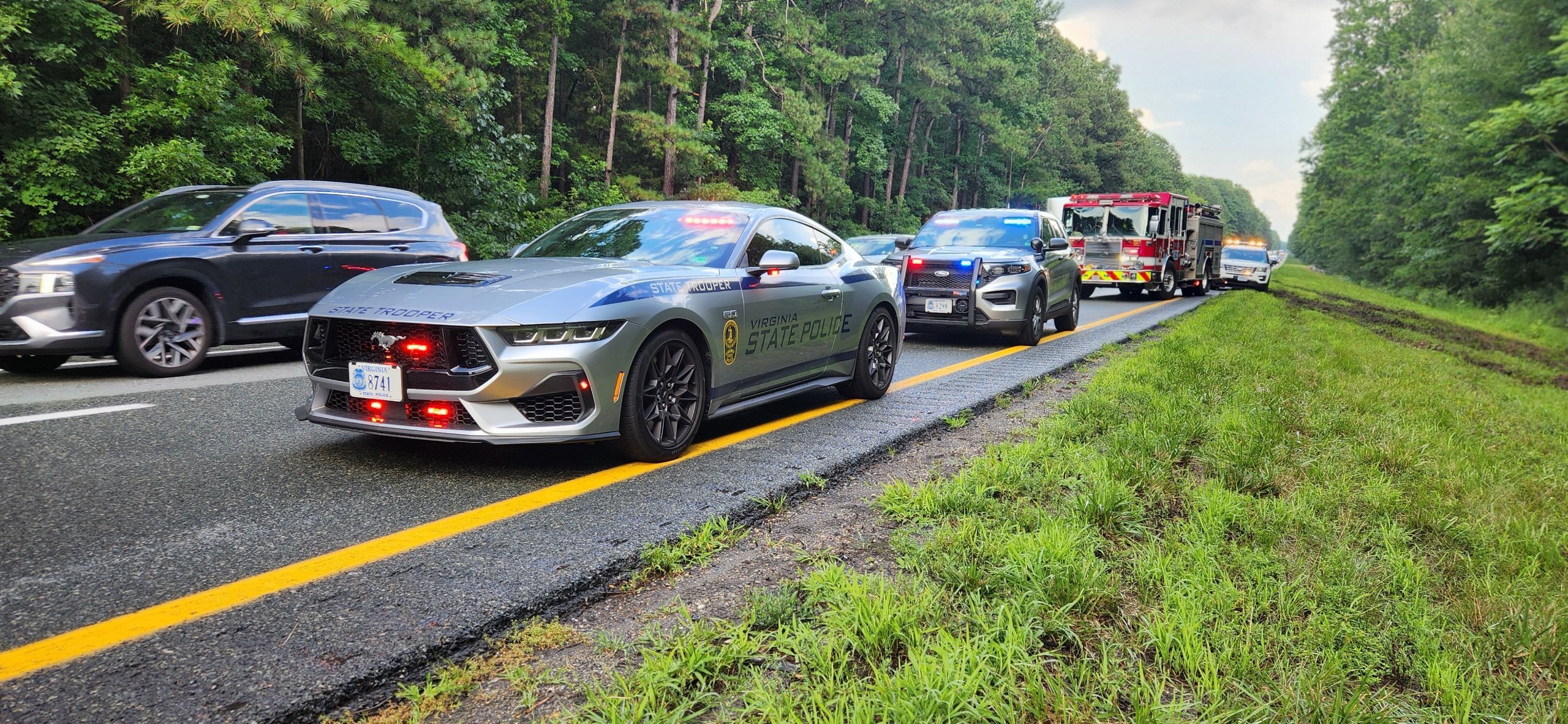
Virginia State Police say the goal is simple: slow people down before they hurt themselves or someone else. In 2024 alone, the state recorded more than 25,000 speed-related crashes and over 400 fatalities, numbers officials say justify trying new tools instead of relying only on fines or suspensions.
Limiter Follows The Driver, Not The Car
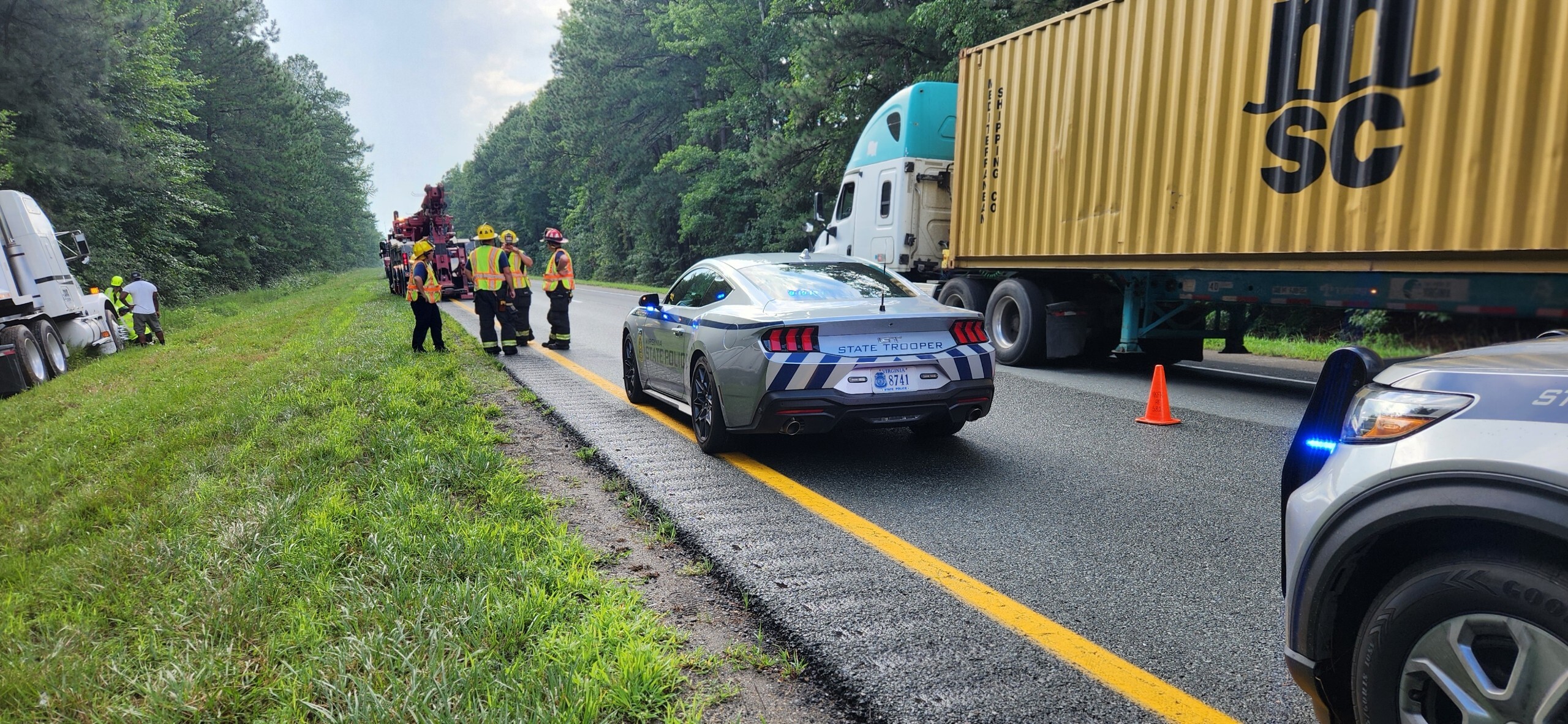
It gets more complicated. Once a driver enrolls in the program, they can’t just borrow another car to get around the restriction. According to WAVY, the law requires them to drive only vehicles equipped with the limiter, and tampering with the system can result in a misdemeanor charge.
Intelligent Speed Assistance systems use GPS and speed-limit databases to determine how fast a car should be going, then limit throttle input if the driver tries to exceed it. Similar systems already exist in Europe, and some cities in the U.S. are experimenting with them on government fleets.
Virginia will be the first state to roll out the program statewide, but if the numbers improve, don’t be surprised if others decide to follow.