


- Six in ten drivers say modern headlights create excessive glare at night.
- AAA links brighter tech and taller vehicles to worsening visibility issues..
- IIHS says glare is irritating, but crash rates have not increased overall.
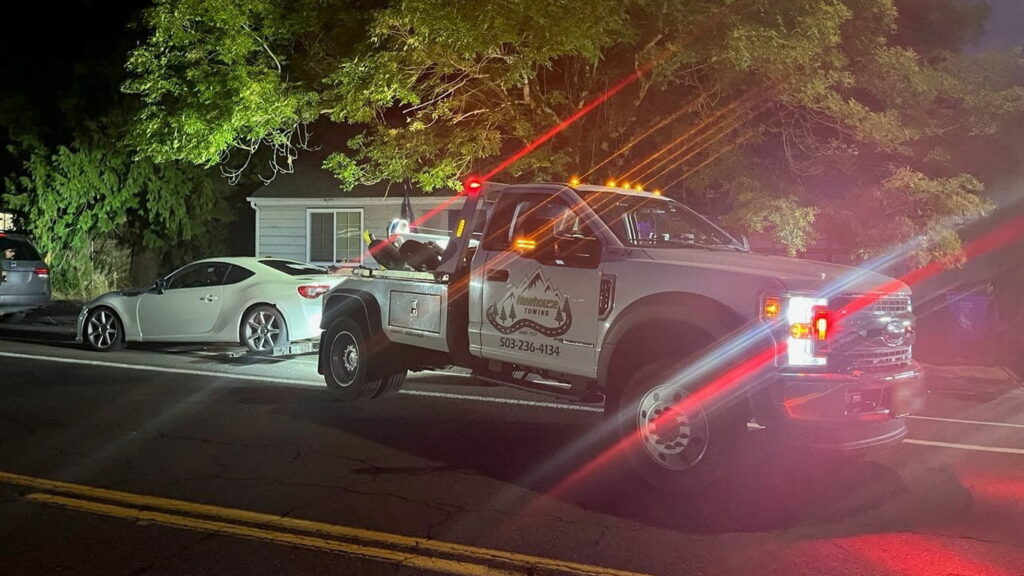
Most of us who drive at night have noticed a big change on the roads. Headlights are brighter than ever before. Now, new data is backing up that anecdotal experience. AAA says that six in ten drivers report that headlight glare is creating a problem on the roads they drive. At the same time, that glare doesn’t appear to be causing any more accidents than in the past.
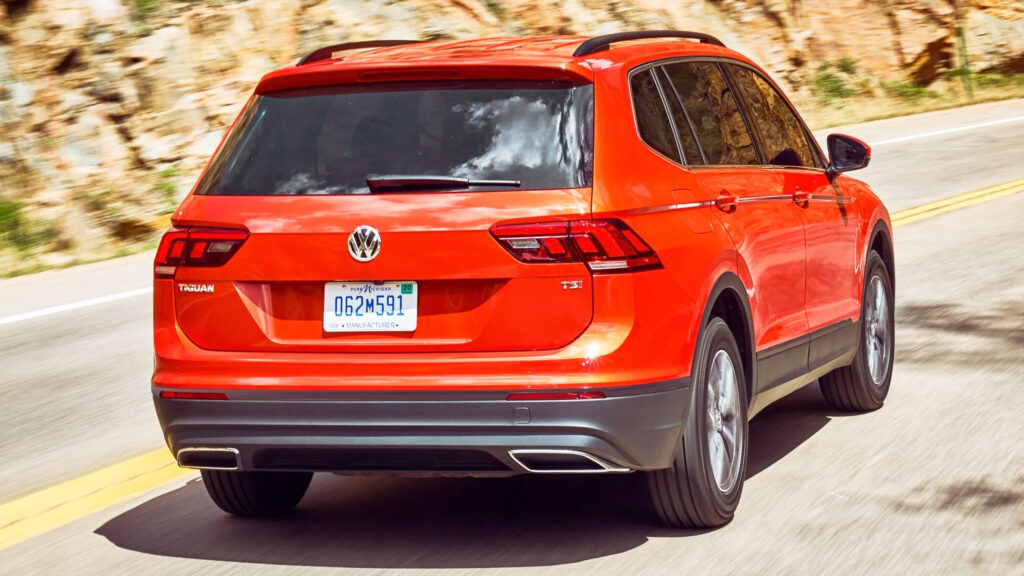
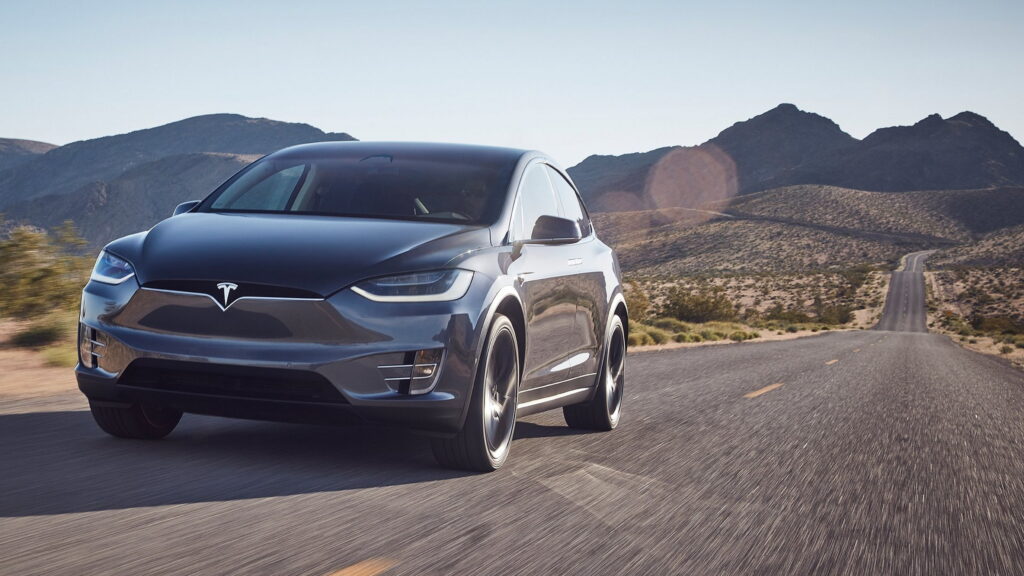
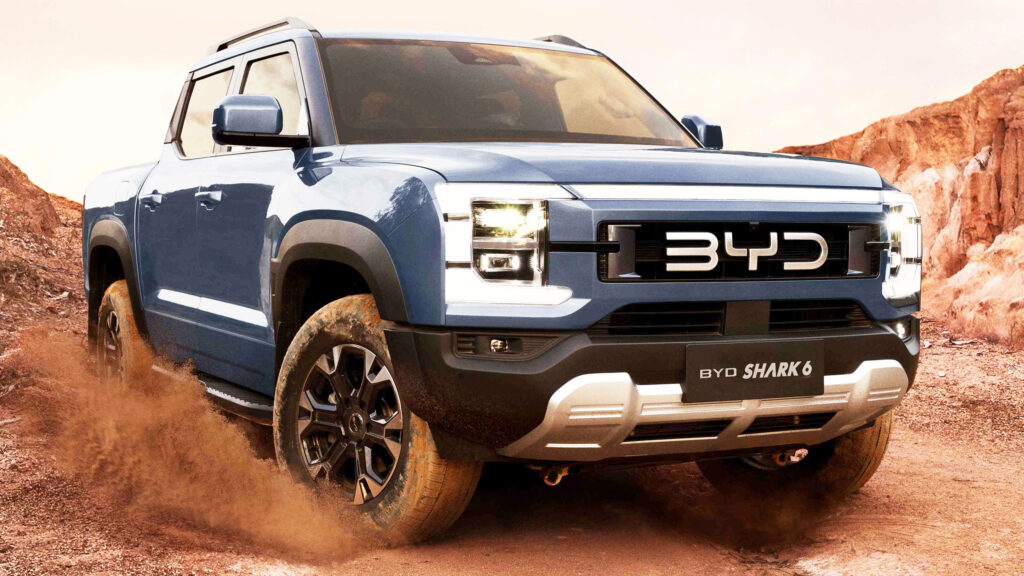
AAA says the issue is likely tied to changes in vehicle design and lighting technology. LED and HID headlights are now common across the industry, and newer vehicles, especially trucks and SUVs, tend to sit higher off the ground, which can put their beams directly into the eyes of oncoming drivers. This isn’t surprising given the trend we’ve seen of cars, SUVs, and trucks getting bigger and bigger over the last few decades.
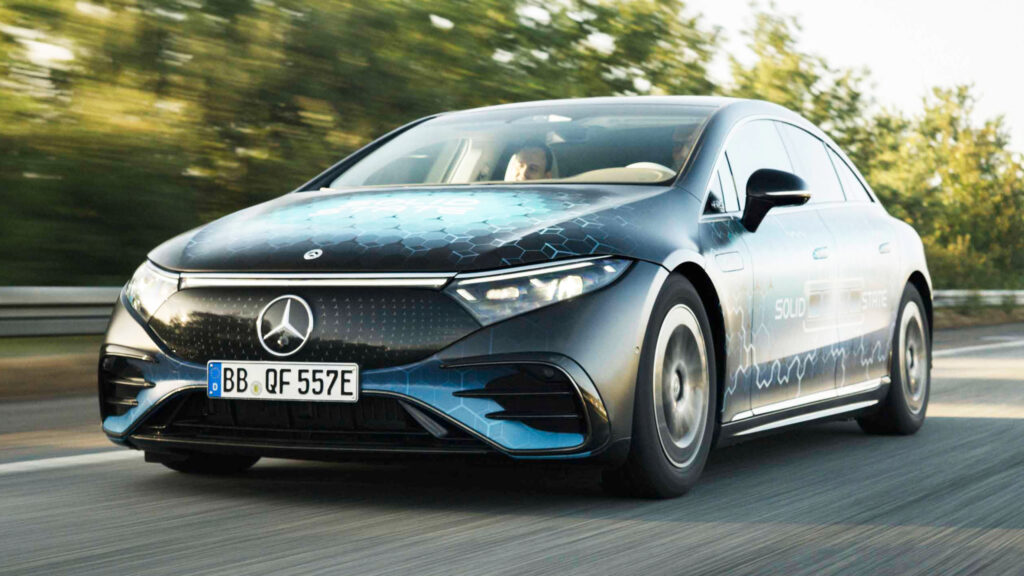
More: The Future Of LED Headlights Just Arrived Without A Lens
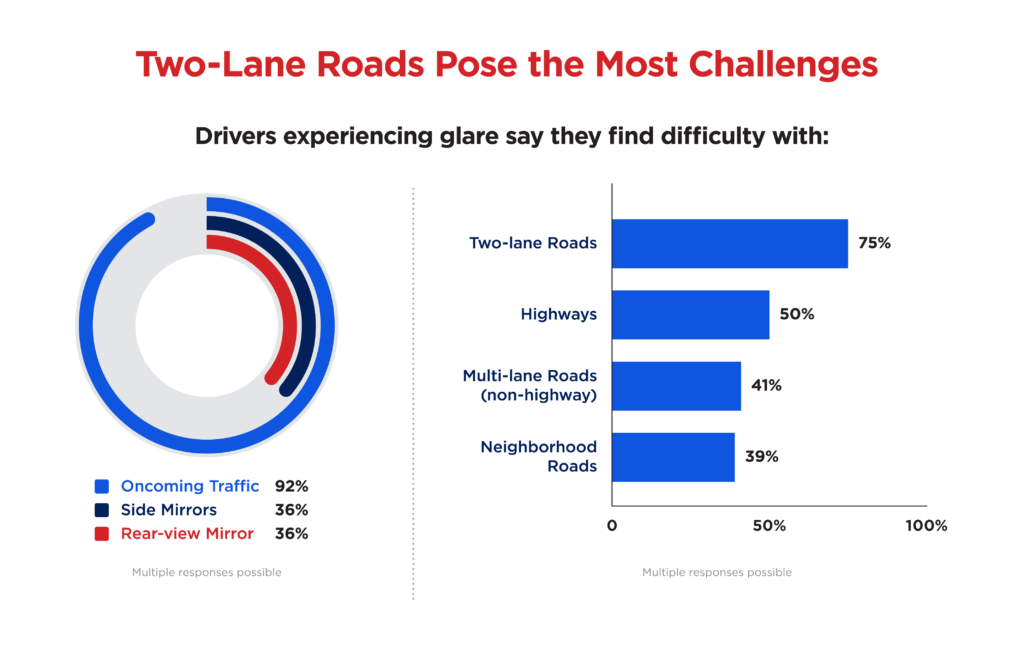
“Headlight glare has become a major source of frustration and concern for millions of drivers,” said Greg Brannon, AAA’s director of automotive engineering and research. “As vehicle lighting technology evolves, so must our understanding of glare, its impact, and the steps drivers can take to maintain safety.” Most drivers say that the biggest issue is glare from oncoming traffic.
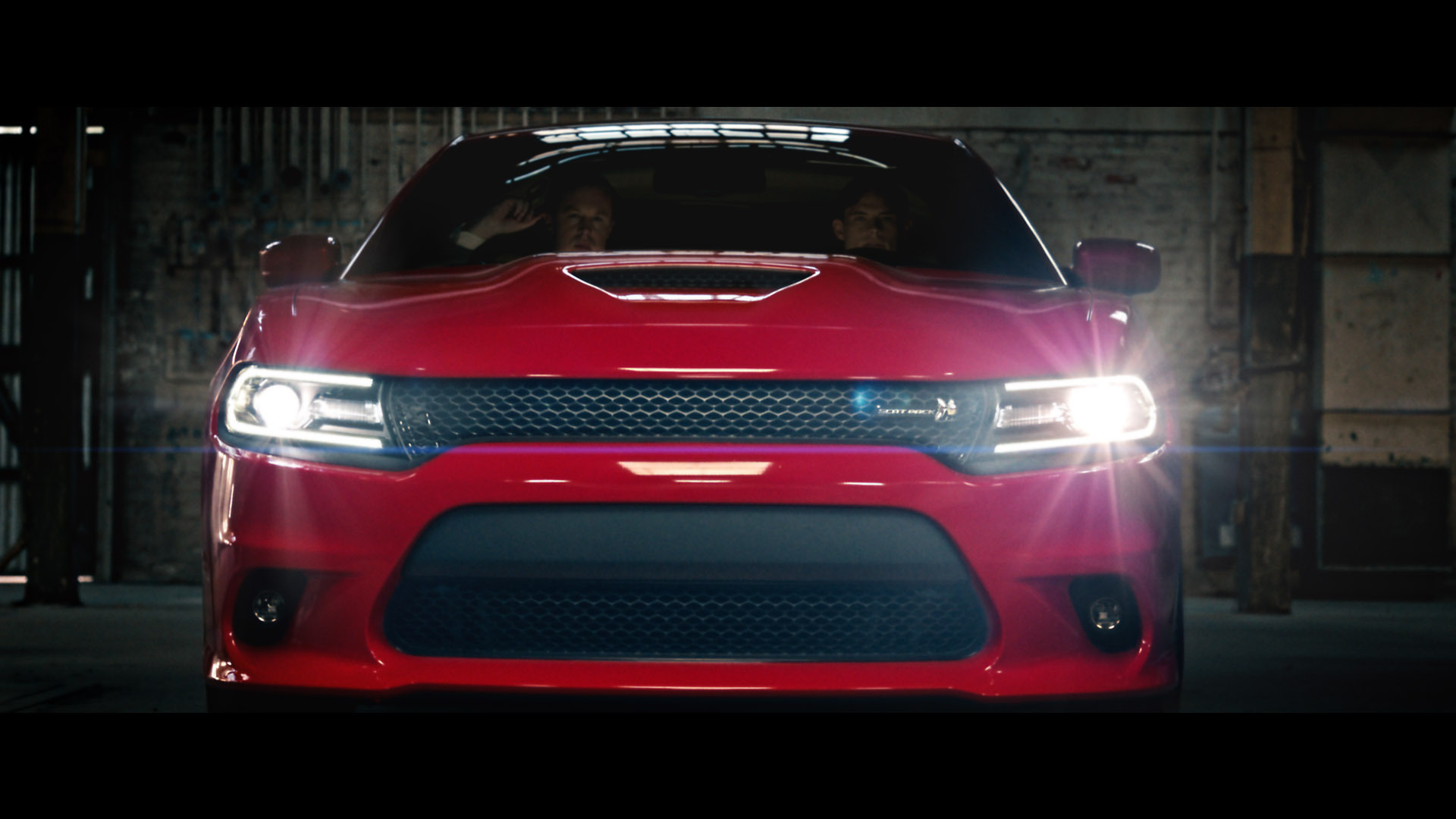
The survey found that 92 percent of drivers who notice glare say oncoming headlights are the main problem, while about one-third also report being bothered by lights reflecting in their mirrors. Drivers who wear prescription glasses reported more glare issues than those who do not, and women were more likely than men to say glare affects them.
Interestingly, pickup truck drivers were less likely to complain about glare, which could be related to their higher seating position.
Surprising Safety Ripples
One could expect these brighter lights to pose a higher safety risk. Instead, it appears as though they’re potentially a net positive. AAA indicates the headlights are now so bright and effective for those behind the wheel (and the tech baked into modern cars) that automatic emergency braking is likely better as a result. Visibility for drivers themselves is no doubt better as well.
Also: Canada Wants To Know If Facing Modern Headlights Feels Like Being Abducted By Aliens
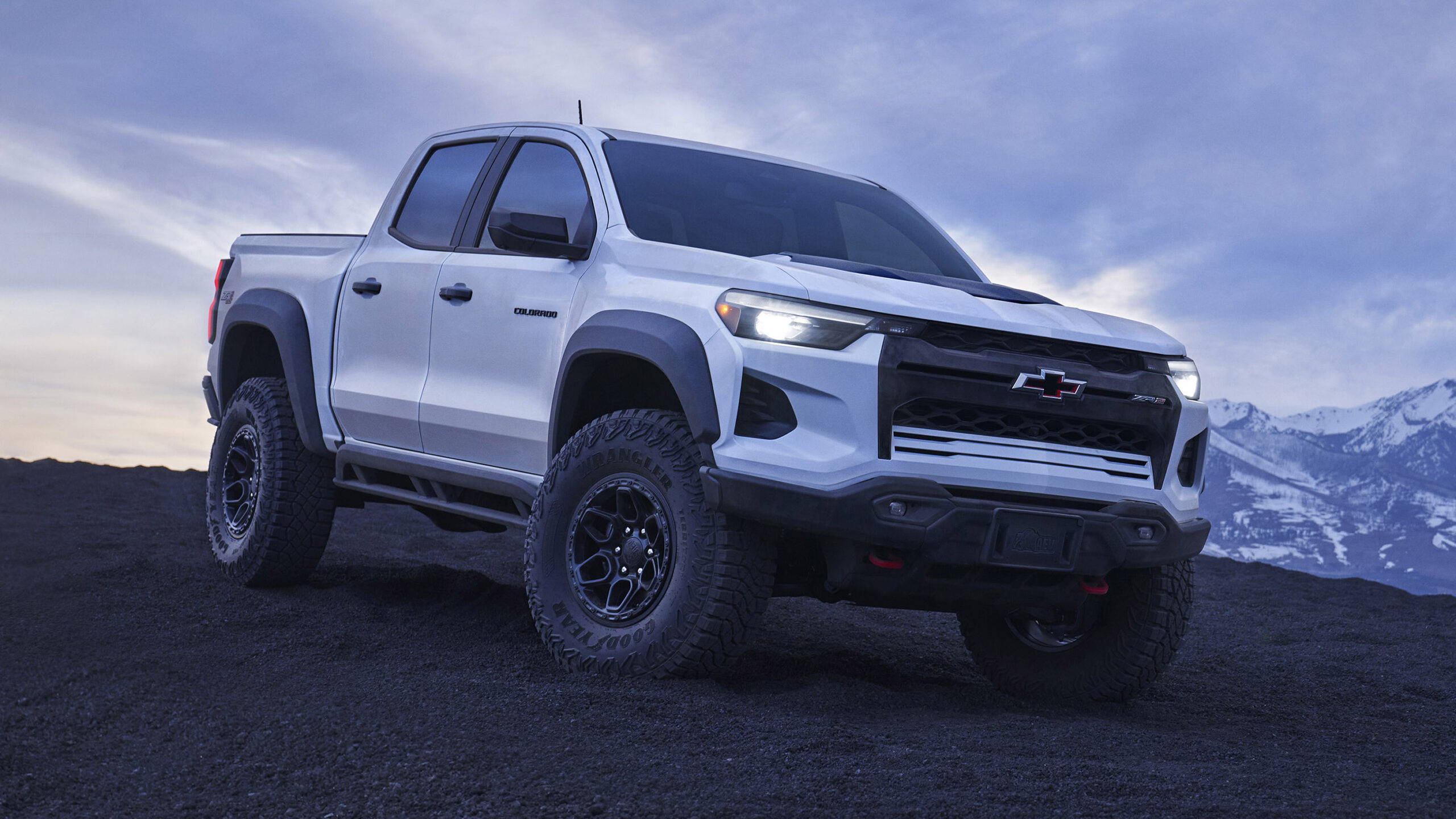
On top of that, an IIHS study published last year found that glare is cited in only one or two out of every thousand nighttime crashes, and that rate hasn’t increased even as headlights have become brighter. In fact, the organization says insufficient visibility contributes to far more crashes than excessive brightness.
“Although it can certainly be uncomfortable, headlight glare contributes to far fewer crashes than insufficient visibility,” said IIHS president David Harkey. All of this makes us wonder when modern cars will all have adaptive beam technology that allows them to light up only what’s ahead and cut out glare toward other vehicles on the fly and in real time. We hope that day is sooner rather than later.