










- Nissan says the next GT-R is coming, but EV power is off the table.
- Execs admit current battery tech can’t deliver a proper GT-R experience.
- Hybrid V6 power now appears the most likely setup for the R36.
Electrification has spread through the auto industry like wildfire, even as the US market cools. It started with economy cars and commuter appliances, moved into luxury sedans and SUVs, and eventually found its way into six- and seven-figure exotics and supercars.
These days, nearly every performance conversation seems to end with a battery pack somewhere in the equation. But while Nissan’s next GT-R may embrace some degree of electrification, there’s a line the company apparently isn’t willing to cross yet.
More: Nissan’s New Skyline Borrows Its Most Iconic Detail From The GT-R
For now, hybrid power is as far as Nissan will go with the next R36, a decision we suspect also has to do with the current situation in America, where automaker after automaker is either abandoning or watering down its EV plans.
Espinosa Confirms A Successor Is Coming
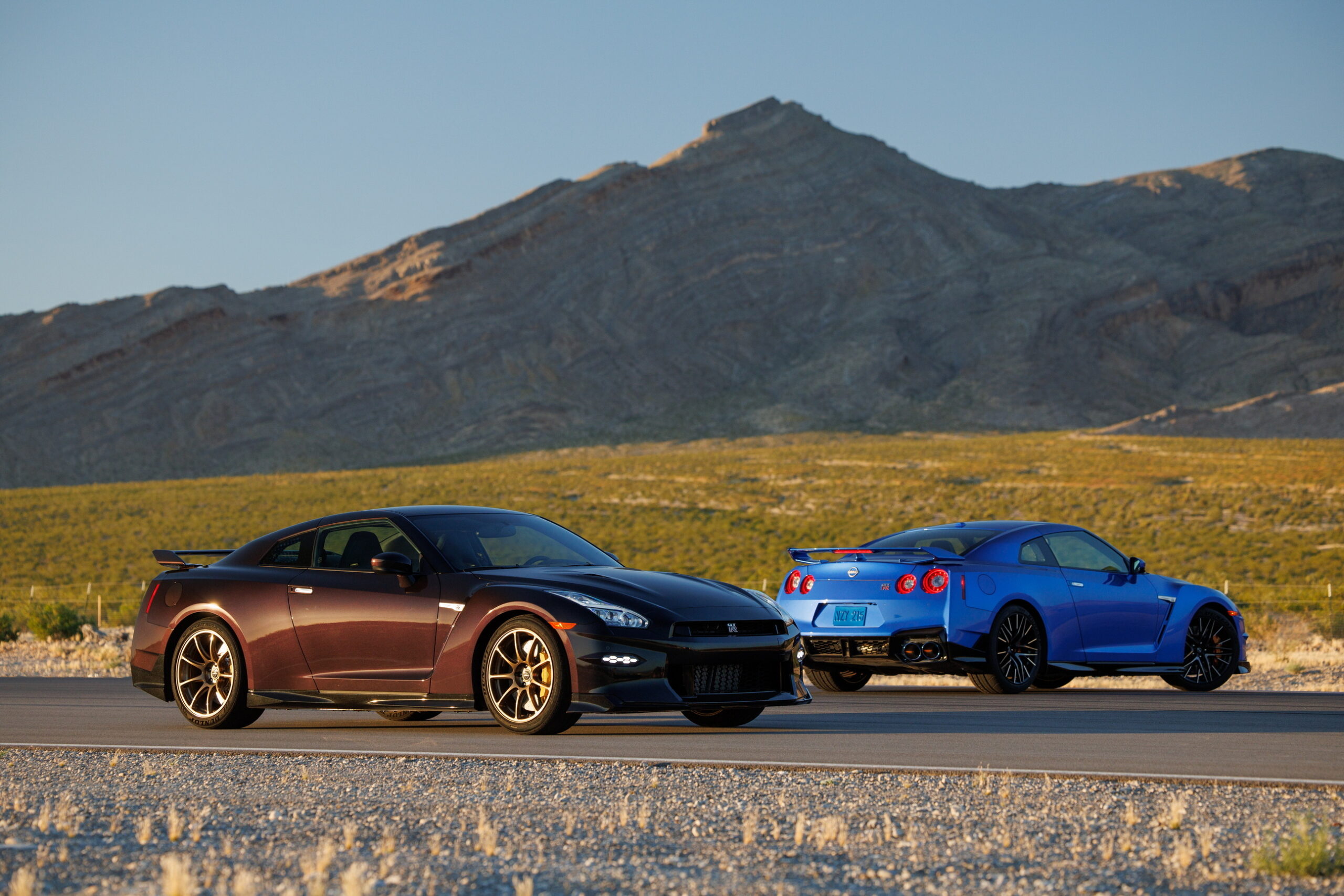
When production of the R35 GT-R ended in August of last year, it wasn’t surprising that everyone started wondering what the next iteration would look like. Then, earlier this year, Nissan CEO Ivan Espinosa made it clear that the GT-R remains one of the company’s highest priorities. Calling it one of Nissan’s strongest brands, he said a successor is definitely coming.
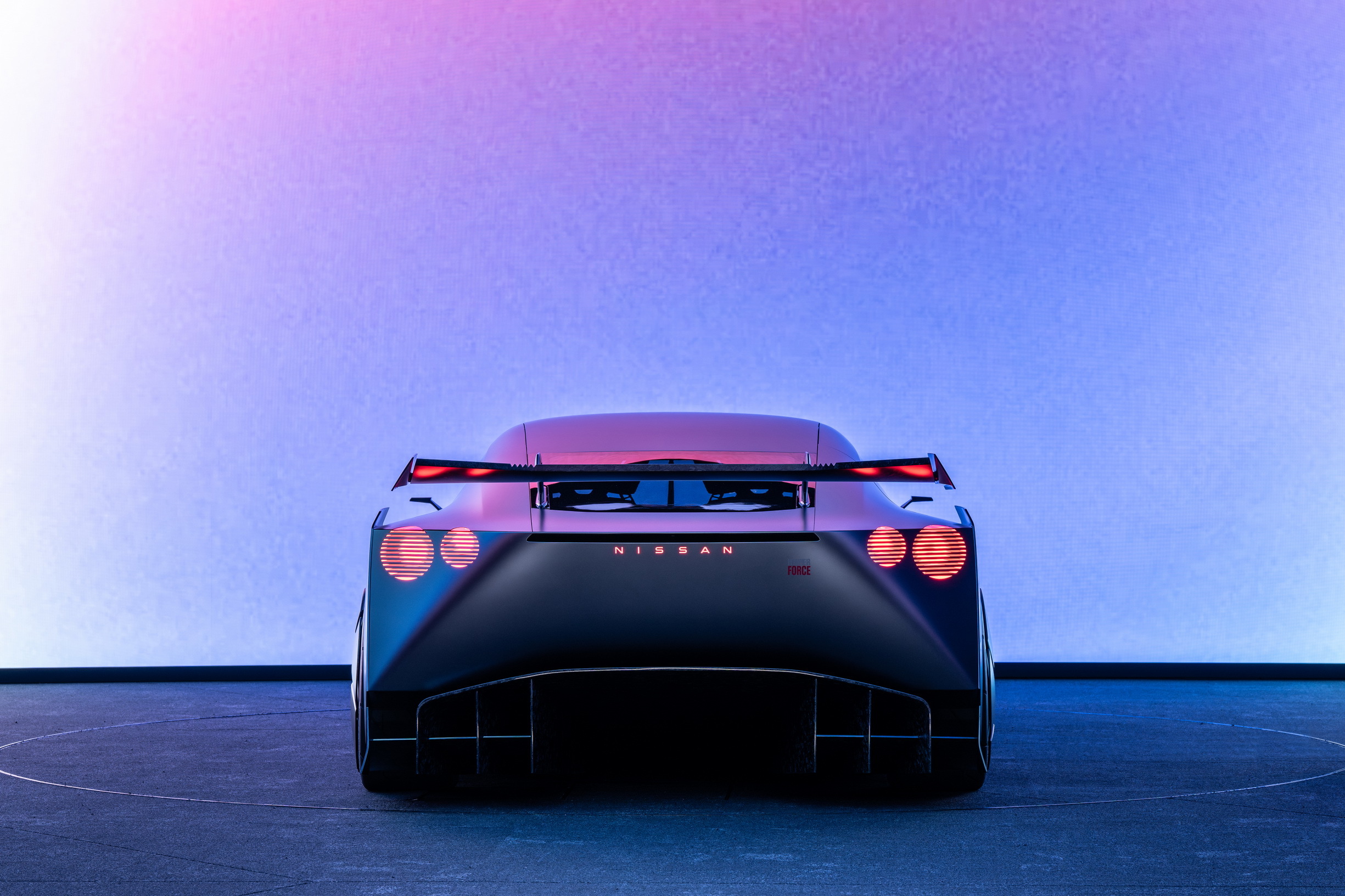
Now we know the new model won’t be a pure EV, even though Nissan tested the waters with the 2023 Hyper Force concept that hinted at an electric GT-R future.
Battery Chemistry Isn’t There Yet

Speaking to EVO magazine, Richard Candler, Nissan’s global head of product strategy, said, “‘What we’ve seen so far is that electric sports cars haven’t been hugely popular. I think they’ll come as battery technology takes its next leap, but the current lithium chemistries are not capable of producing a GT‑R-type product. We’re not going to go with batteries in the next generation. No way.”
Candler’s comments come after many high-profile EV hypercars like the Rimac Nevera and Lotus Evija clearly struggled to gain traction despite their huge performance numbers, something Nissan appears to be watching closely.
That’s a strong declaration from Nissan, but it does come with an electron-filled caveat.
Candler continued to explain that the GT-R “will have to be electrified because of emissions regulations at some level. It’s just common sense that you would have a sense of electrification, but the battery’s a limiting factor.” So, in other words, expect a hybrid GT-R whenever it arrives. Most likely, we’ll see it get a hybrid V6 of some sort since Nissan is already working on that powerplant.
Given the timeline, that sort of setup might work out better for Nissan than it has for others. While the brand is no doubt working on the GT-R plan right now, it has little time to learn from the successes and failures of other hybridized sports cars. Here’s to hoping it gets the recipe right.