










- Sedans may be staging an unexpected comeback as buyers tire of endless SUVs.
- Affordability and fuel economy are driving renewed interest in traditional cars.
- A return to sedans could bring an overlooked benefit: more engaging driving.
It’s no secret that sedans have been a dying breed over the last twenty or so years. Automakers killed them off one by one, replacing low-slung four-doors with an endless procession of crossovers, SUVs, and trucks. Consumers followed, sales charts shifted, and eventually the idea of buying a traditional sedan started to feel almost old-fashioned. Now, though, some industry observers think the pendulum may finally be swinging back.
According to analysts and executives speaking with the Detroit Free Press, shoppers are increasingly showing signs of what can only be described as SUV fatigue. The numbers help explain why.
Compact Cars Undercut SUVs By Thousands
Cox Automotive data shows compact cars averaging around $27,590, while compact SUVs sit at $37,514. Move into midsize territory, and the gap gets even larger, with midsize sedans averaging $34,069 versus over $50,000 for midsize SUVs. Edmunds data from the first quarter also showed compact and midsize sedans accounting for 14 percent of mainstream purchases, or roughly one in every seven vehicles sold.



The Buick Electra L Concept.
Unsurprisingly, given the war in Iran, fuel economy also remains a factor. Sedans typically carry aerodynamic advantages and lower weight penalties than larger utility vehicles. According to the report, gasoline sedans can average roughly 10 mpg better combined fuel economy than large gasoline SUVs.
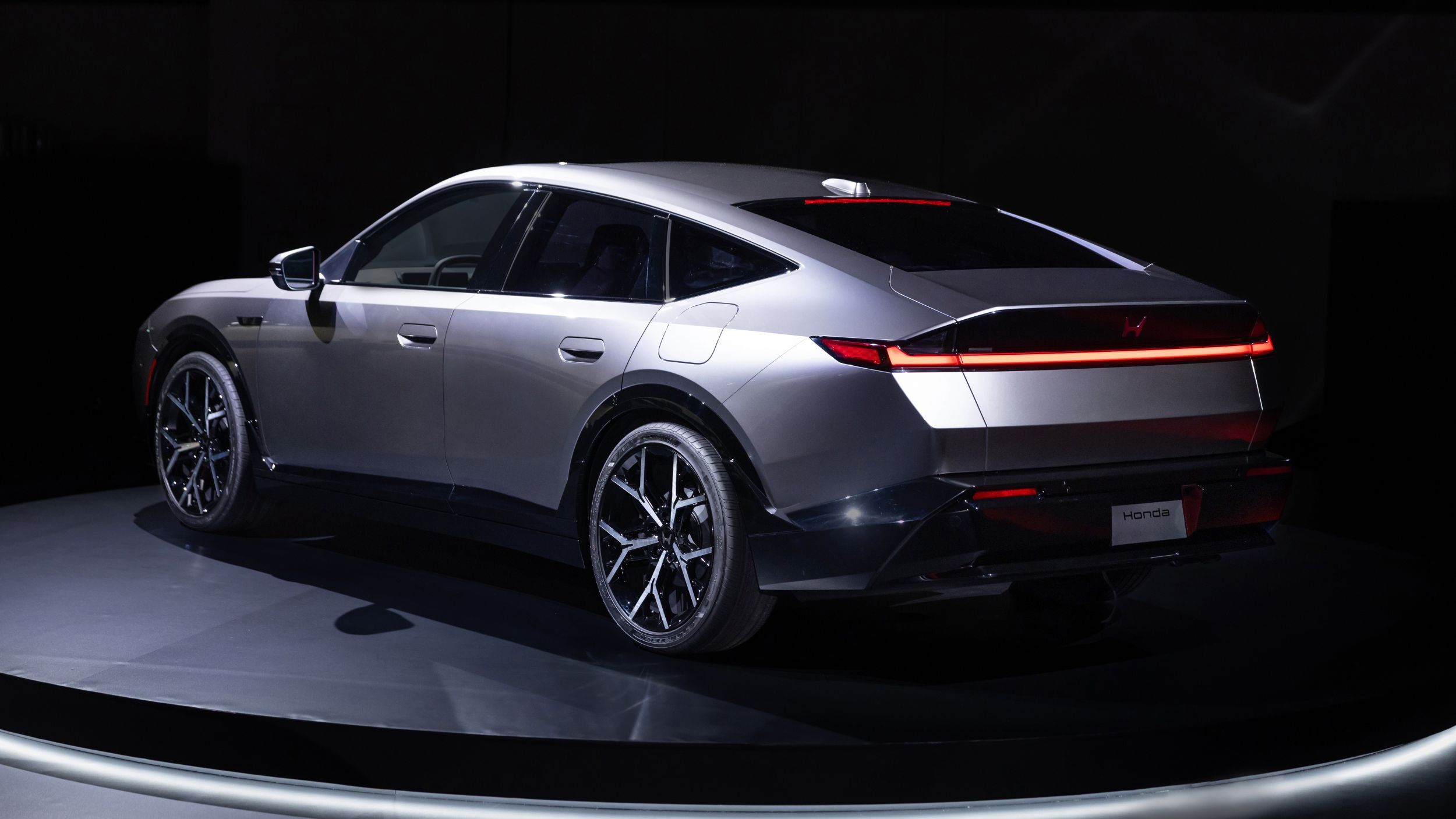
Read: Honda Previews New Fastback Sedan And Next Acura RDX, And Neither Is An EV
Younger shoppers appear interested, too. A recent Escalent EVForward 2025 Teenagers DeepDive study, published in February 2026, surveyed more than 1,000 teenagers between 14 and 19 years old. The results showed 51 percent imagined themselves driving sedans in the future, with 31 percent picking SUVs and 14 percent selecting trucks.
There is a familiar pattern at work. The SUV-saturated landscape of today was itself a rejection of the sedans and minivans Gen X grew up riding in. Each generation tends to want the opposite of whatever filled the family driveway, and for teens raised on crossovers, the SUV now is starting to look like the automotive equivalent of their parents’ hand-me-down taste.
Executives Admit Their Own SUV Fatigue
Industry voices increasingly sound like people who spent years eating the same meal and suddenly realized they’re ready for something else. Karl Brauer of iSeeCars described consumers and designers as experiencing “SUV fatigue,” while Stellantis design boss Ralph Gilles admitted earlier this year that even he has grown tired of SUVs. Automakers seem to be listening.
Also: Lexus ES Chief Engineer Is ‘Not Happy’ About SUVs Taking Over
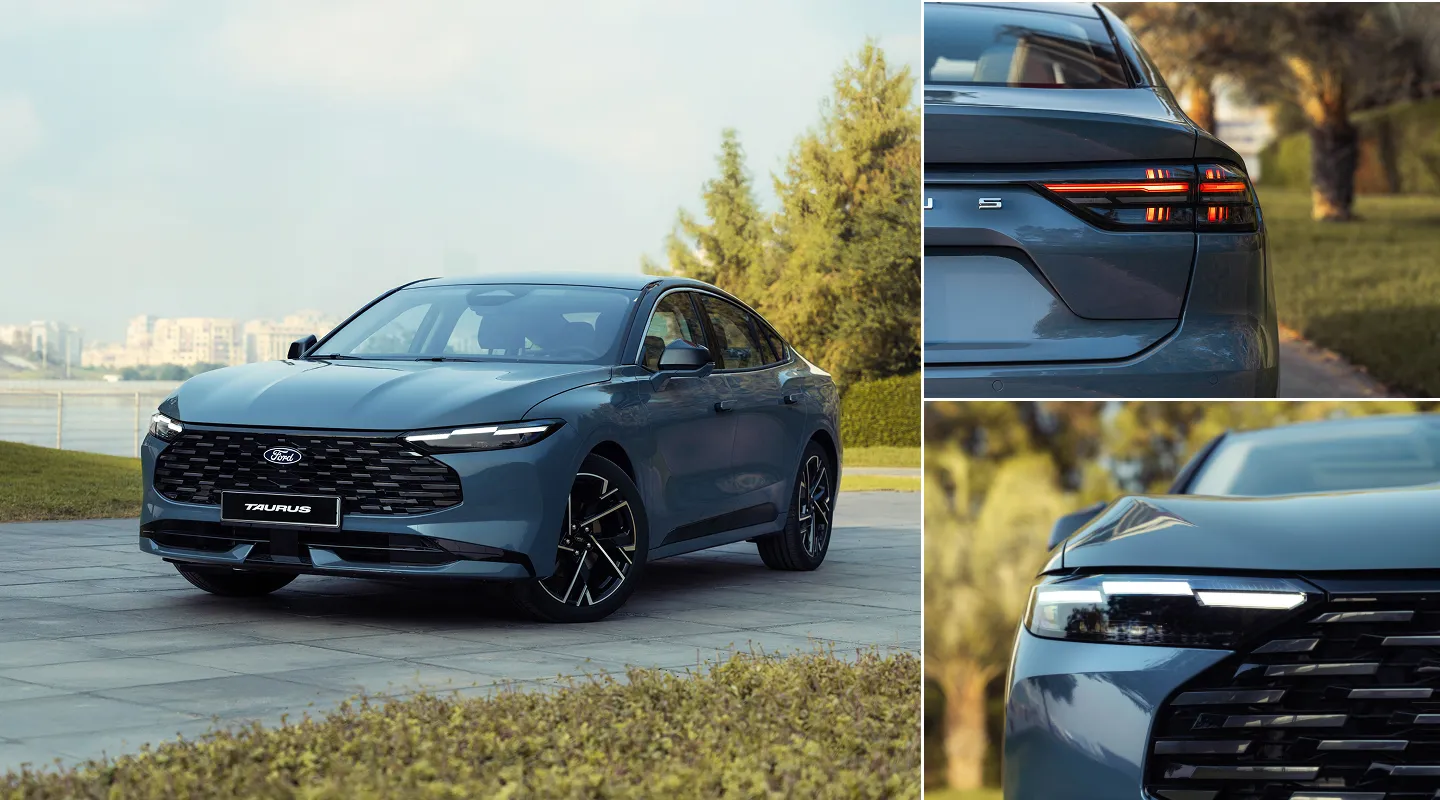
Jim Farley has repeatedly teased the possibility of future Ford sedans. Reports suggest GM could be considering another Buick sedan. Honda recently showed a hybrid sedan prototype. Even Mitsubishi has reportedly floated a strategic rethink. Nissan’s Infiniti brand is also preparing a return to the segment with a new Q50S sports sedan expected next year. And there may be another overlooked upside.
“Right now, so many automakers have exited the sedan space that it could almost be considered a ‘white space’ category — one that new or returning players can join and make a big splash,” Aaron Bragman, Detroit bureau chief at Cars.com told the Detroit Freep. “The stalwarts are still there, like Toyota, Honda, Hyundai, and Kia, but others like Mazda, Nissan, Ford, Chevrolet, Chrysler, all would make news with a return to the segment.”
The Case For Driving Feel
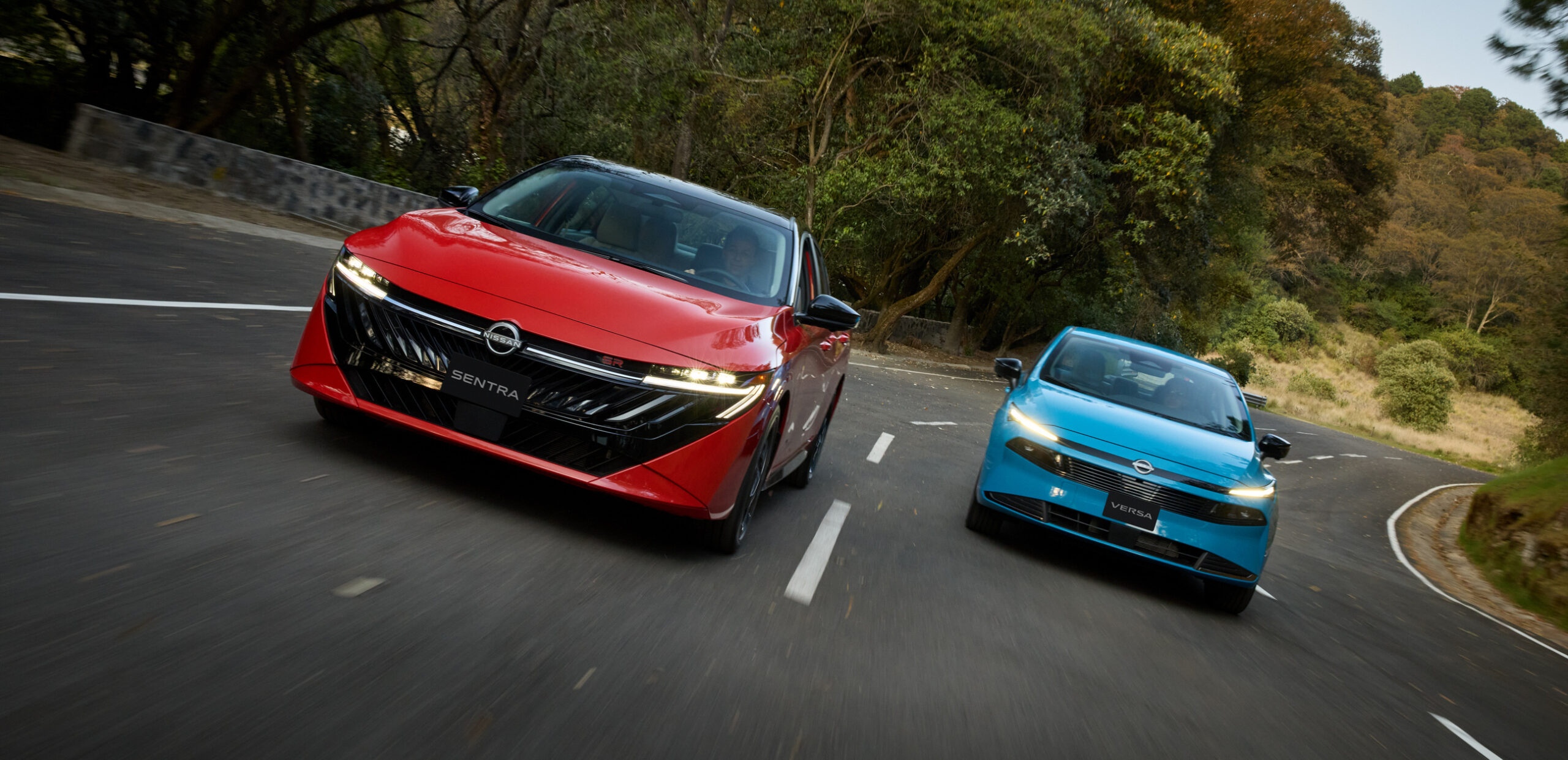
Sedans don’t just cost less and sip less fuel. They also tend to drive better. Lower centers of gravity, less body roll, and more direct responses can make them feel more connected to the road than taller crossovers and trucks. That isn’t just enthusiast talk. The more engaged drivers are with the act of driving, the less likely it becomes that piloting a two-ton machine turns into background activity.
Sedans also tend to attract buyers without trade-ins, according to Edmunds, partly because their lower prices make them more accessible to first-time or budget-conscious shoppers.
Crossovers made driving easier. Sedans, meanwhile, may quietly help make it more involving. In busy city streets, on highways, and around crowded neighborhoods, that’s not a bad thing.