


- Austrian researchers found women face dramatically higher injury risks than men.
- New US female crash dummies finally account for realistic anatomical differences.
- Volvo’s adaptive seatbelt technology adjusts forces using real-time occupant data.
Cars have become dramatically safer over the past few decades, but according to new research from the Graz University of Technology, women still aren’t benefiting equally from those advances. The study found female occupants face a 60 percent greater risk of injury in crashes compared to men, despite often being involved in lower-speed impacts.
Researchers analyzed Austrian crash data from 2012 through 2024, then reconstructed real-world accidents using crash tests and virtual human models. Their findings showed women were significantly more likely to suffer serious injuries to the chest, spine, arms, and legs. Older women faced the greatest risks of all.
Related: Toyota’s Popular Rebadged Suzuki Failed Its Crash Test So Badly NCAP Cut It Short
One major reason is that for decades, vehicle safety standards have largely been based around the “average” male body. Even the industry’s traditional female crash dummy is basically just a scaled-down male version representing a very petite woman. According to the study, 95 percent of women are actually larger than that reference dummy.
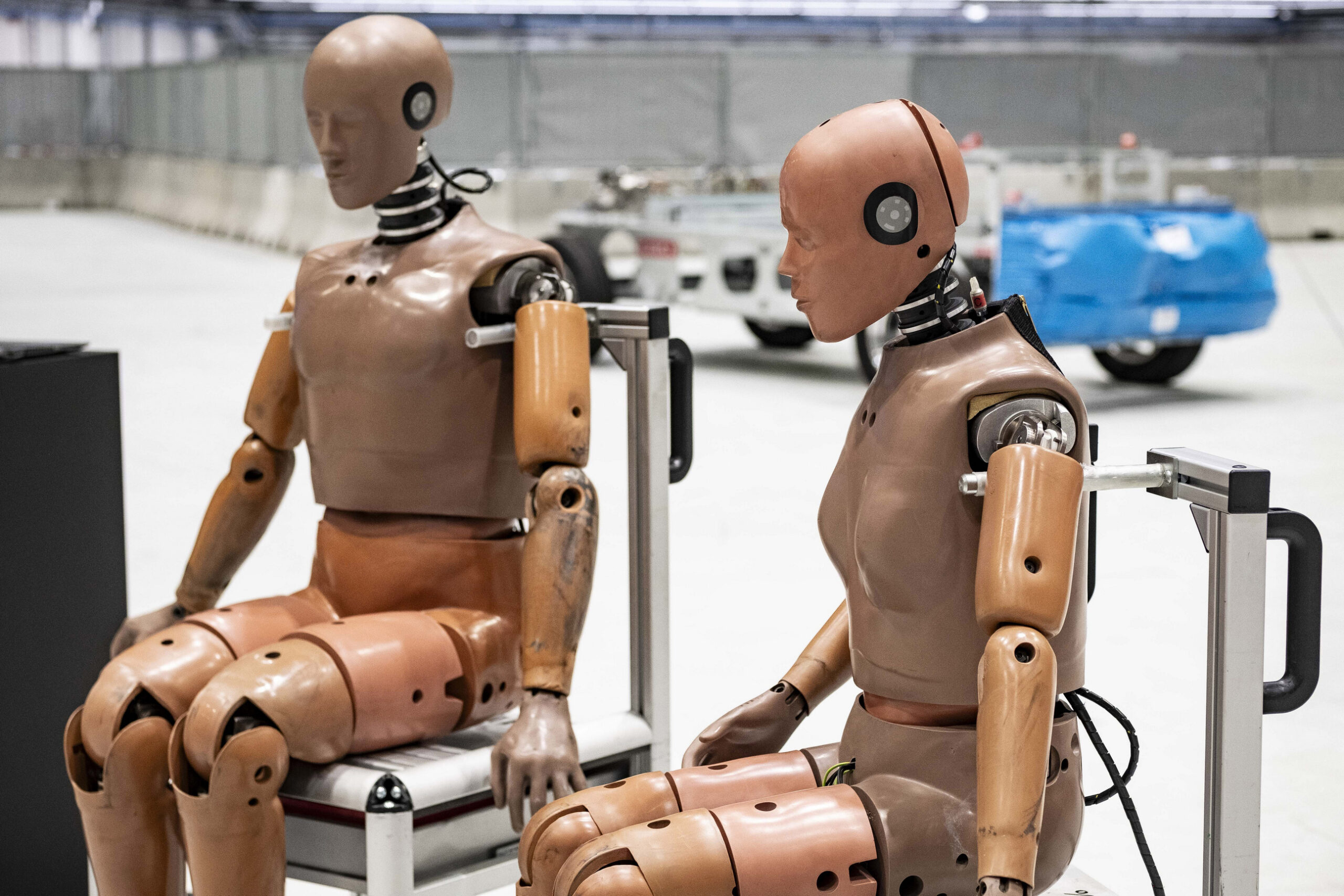
That may finally be changing. Last year, the US government formally introduced the THOR-05F crash test dummy, a far more sophisticated female model designed around realistic female anatomy instead of simply shrinking a male dummy. It includes advanced sensors and improved biomechanics intended to better measure how women’s bodies react during collisions.
The Austrian researchers say this kind of change is badly needed because women aren’t simply smaller men. Differences in pelvic structure, chest shape, shoulder geometry, and spinal motion can all dramatically affect injury outcomes during crashes.
Seat Position A Major Factor
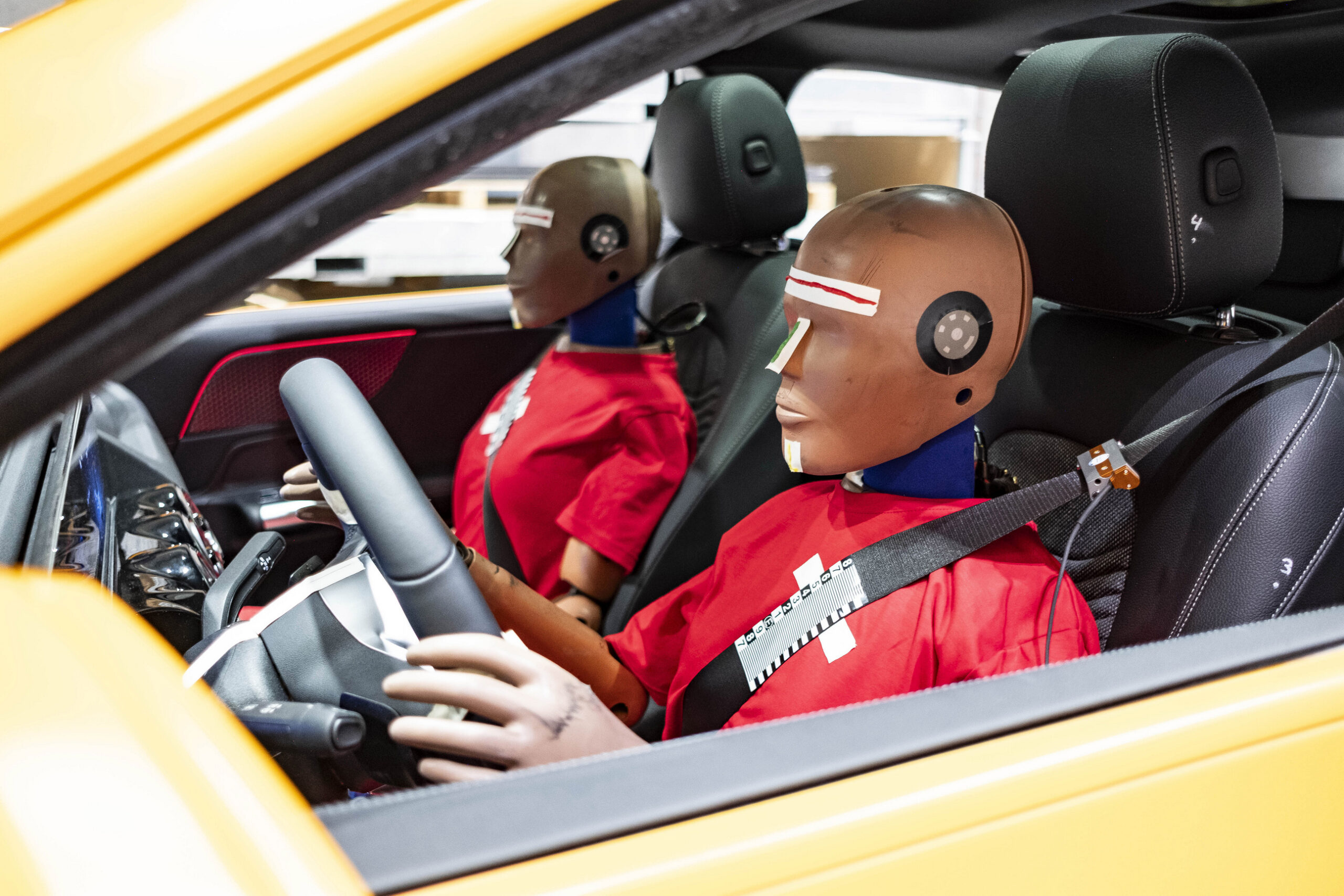
The study from TU Graz also highlighted seating position as a major factor. Front passengers often recline more or sit farther back than drivers, reducing how effectively airbags and seatbelts function. Women are also more likely to occupy the passenger seat, increasing exposure to those risks.
Thankfully, automakers are already responding with smarter restraint systems. Volvo’s new EX60 features a multi-adaptive safety belt system capable of monitoring occupant size, posture, seating position, and crash severity in real time. The system then adjusts seatbelt loads accordingly, potentially reducing injuries for smaller occupants while improving protection for larger passengers.
That’s a huge shift from traditional seatbelts, which typically operate using only a handful of fixed restraint settings. Combined with more realistic crash testing, it could finally help modern vehicle safety catch up with the people actually riding inside today’s cars.