- Ford argues Europe should do more to explain the benefits of hybrids.
- Research suggests many plug-in hybrid owners rarely charge their cars.
- Future Ford and Renault EREVs could end up sharing core technology.
The powertrain the industry left for dead is back, and two of Europe’s biggest names want to lead the revival. Both Ford and Renault see range-extender EVs as important powertrain options for the European market, and as legacy automakers throw their weight behind the technology, expect rivals to follow.
The technology isn’t new. The first mass-market EREV was the Chevrolet Bolt, launched back in 2011, followed a few years later by the BMW i3. However, after BMW dropped the EREV i3 in favor of an all-electric version, extended-range EVs largely disappeared as car manufacturers shifted focus to hybrids and battery-electric models. That was until Chinese brands brought EREVs back into the mainstream during the pandemic, and now legacy brands are starting to see their appeal.
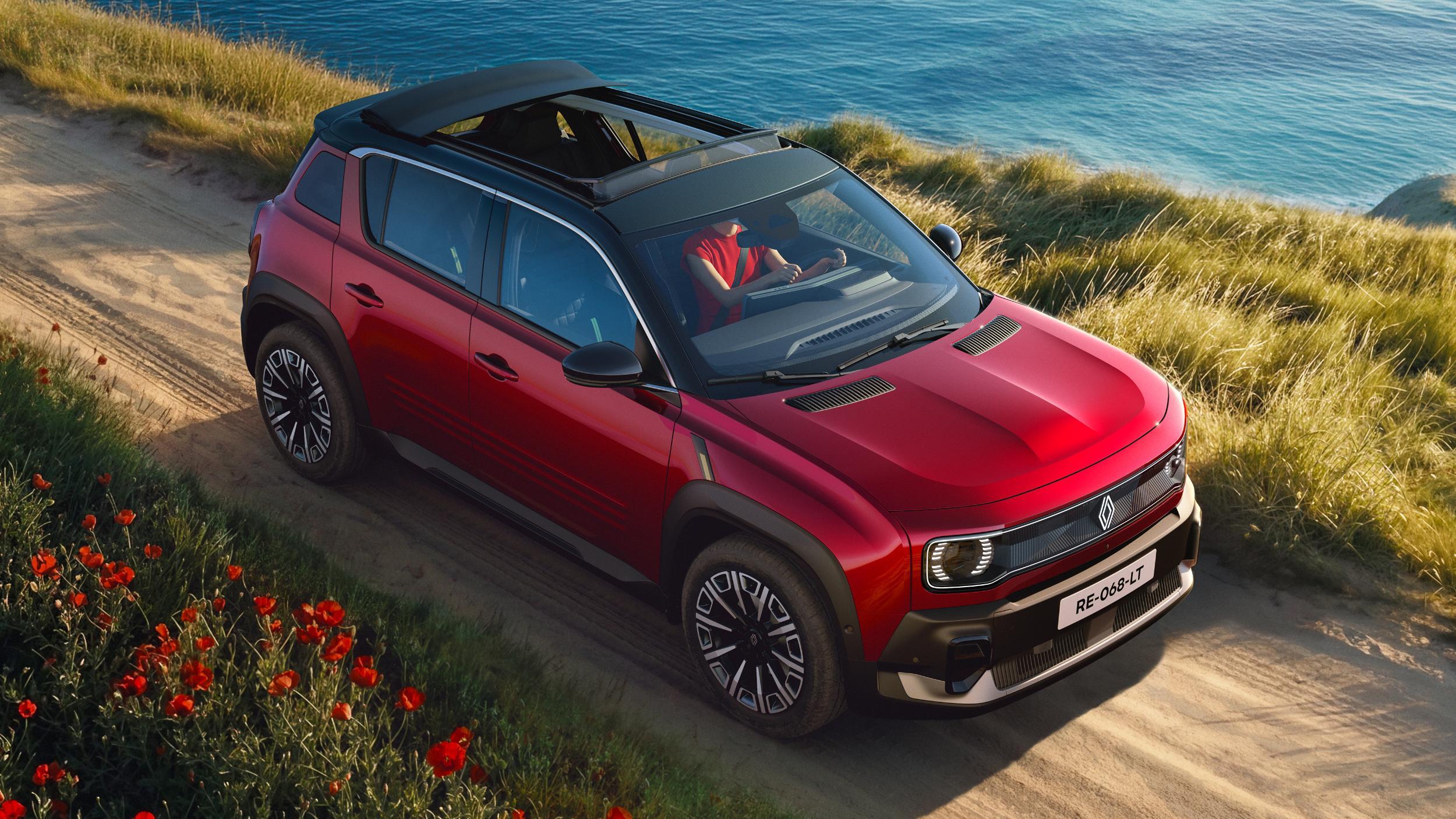
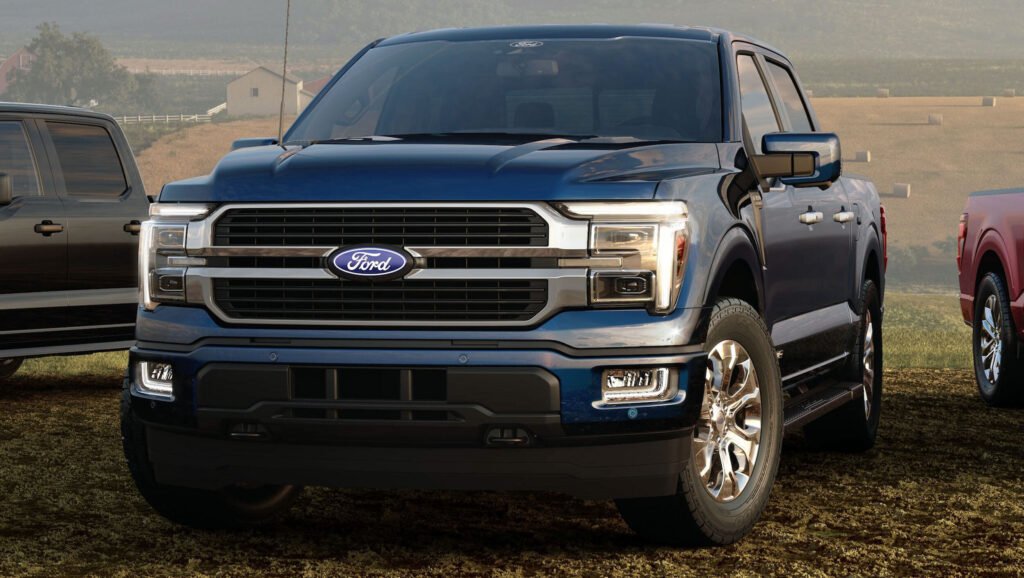
According to Ford’s European head Jim Baumbick, “these vehicles can bring about a fundamental change” in the local market. Ford is already working to bring a dedicated version of the Bronco to Europe and planing several EREV, plug-in hybrid, and traditional hybrid models.
Read: Ford’s European Bronco Won’t Be Fake-Tough, But It Won’t Be A Real Bronco Either
“Electric vehicles are of course part of our portfolio, but the broader spectrum of electrification – from full hybrids to plug-in hybrids and next-generation EREVs – will play a very significant role,” Baumbick told German publication Automobilwoche.
Ford And Renault To Partner On EREVs?
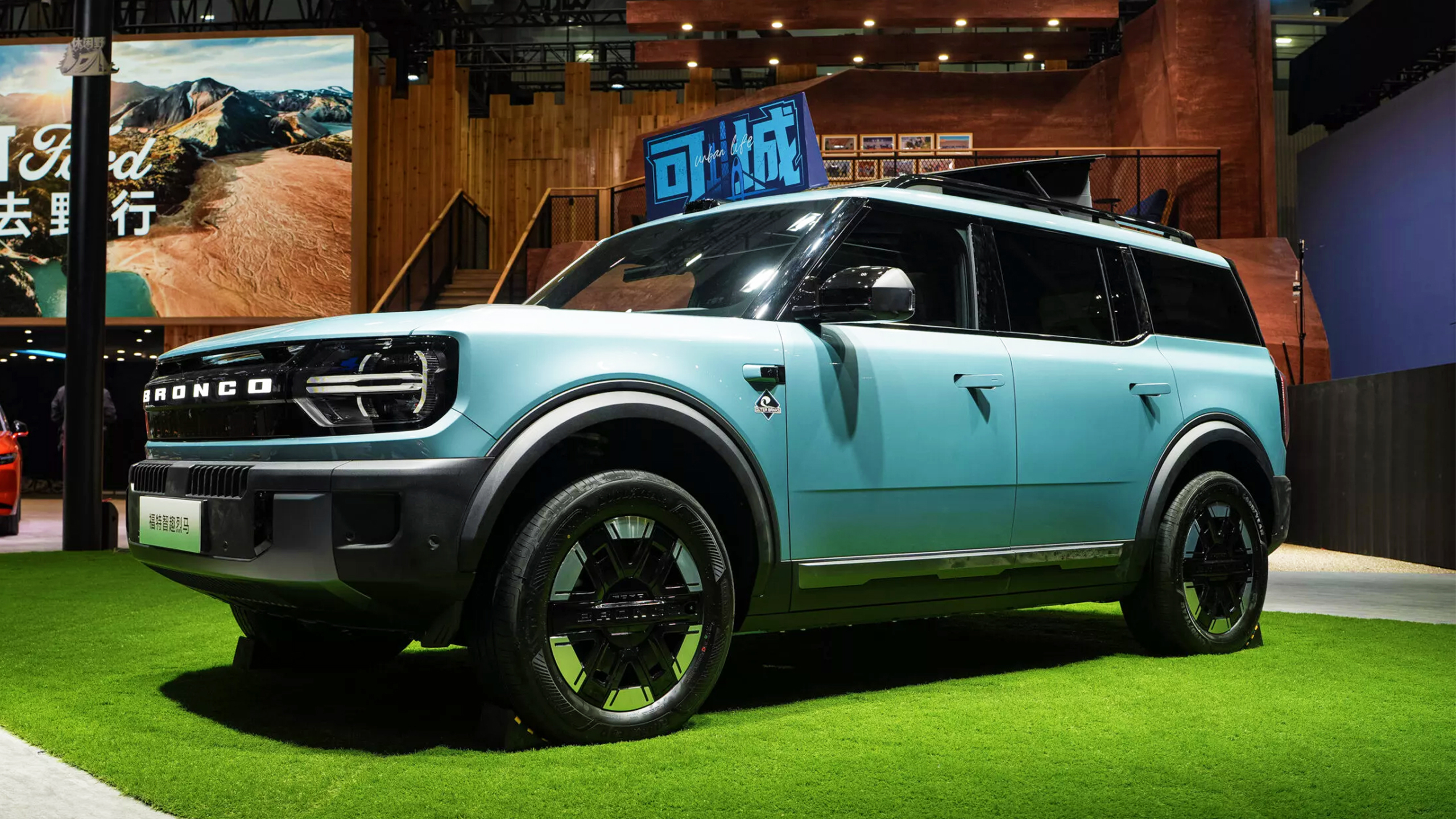
Ford introduced an EREV version of its Chinese Bronco last year, fitted with a 1.5-liter turbocharged engine and a sizeable 44 kWh battery pack. It’s unclear whether the company will import this powertrain to Europe or develop a new one for the local market. One possibility would be to deepen its partnership with Renault, which is also investing heavily in EREVs.
Renault’s chief executive François Provost says the company’s EREVs could offer all-electric driving ranges of up to 124 miles (200 km) and will be especially well-suited to larger vehicles.
“For large vehicles, it makes sense to use plug-in hybrids or range extenders, because it’s completely insane to have 2.5 or 2.7-ton cars driving through city centers every day,” he said.
Work still needs to be done to win over buyers and to ensure those who own EREVs actually use them properly. Baumbick argues that[Europe needs to do a better job promoting charging for PHEVs and EREVs, with studies showing that many owners don’t plug in and rely mainly on the combustion engine.