- Slate’s break-even point will be selling 80,000 electric models a year.
- Entry-level pickup starts at $24,950, and the SUV starts at $29,950.
- Cheap production methods and materials separate it from other EV startups.
Rivian and Lucid both spent years bleeding cash on the road to profitability. Slate Auto doesn’t expect to walk the same path. The startup believes it can reach positive free cash flow and earnings before taxes, depreciation, and amortization by 2027, all while building a vehicle that stickers below $25,000. Slate counts Amazon founder Jeff Bezos and Los Angeles Dodgers controlling owner Mark Walter among its backers, and it says every vehicle it builds should land gross-margin positive.
Half A Factory Pays The Bills
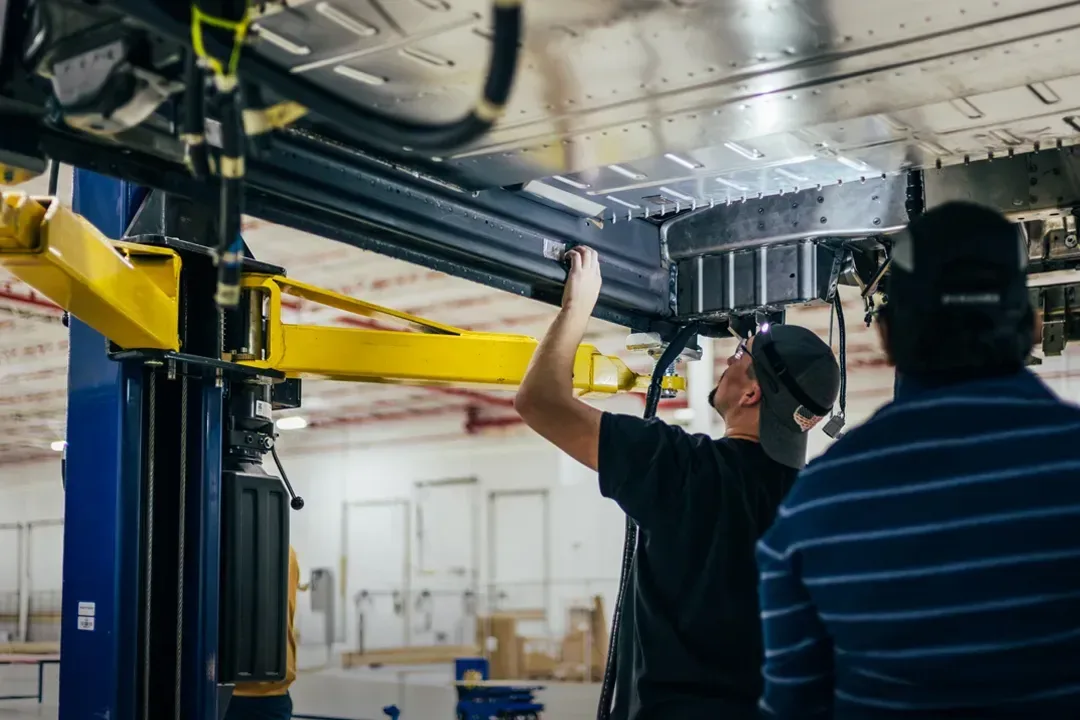
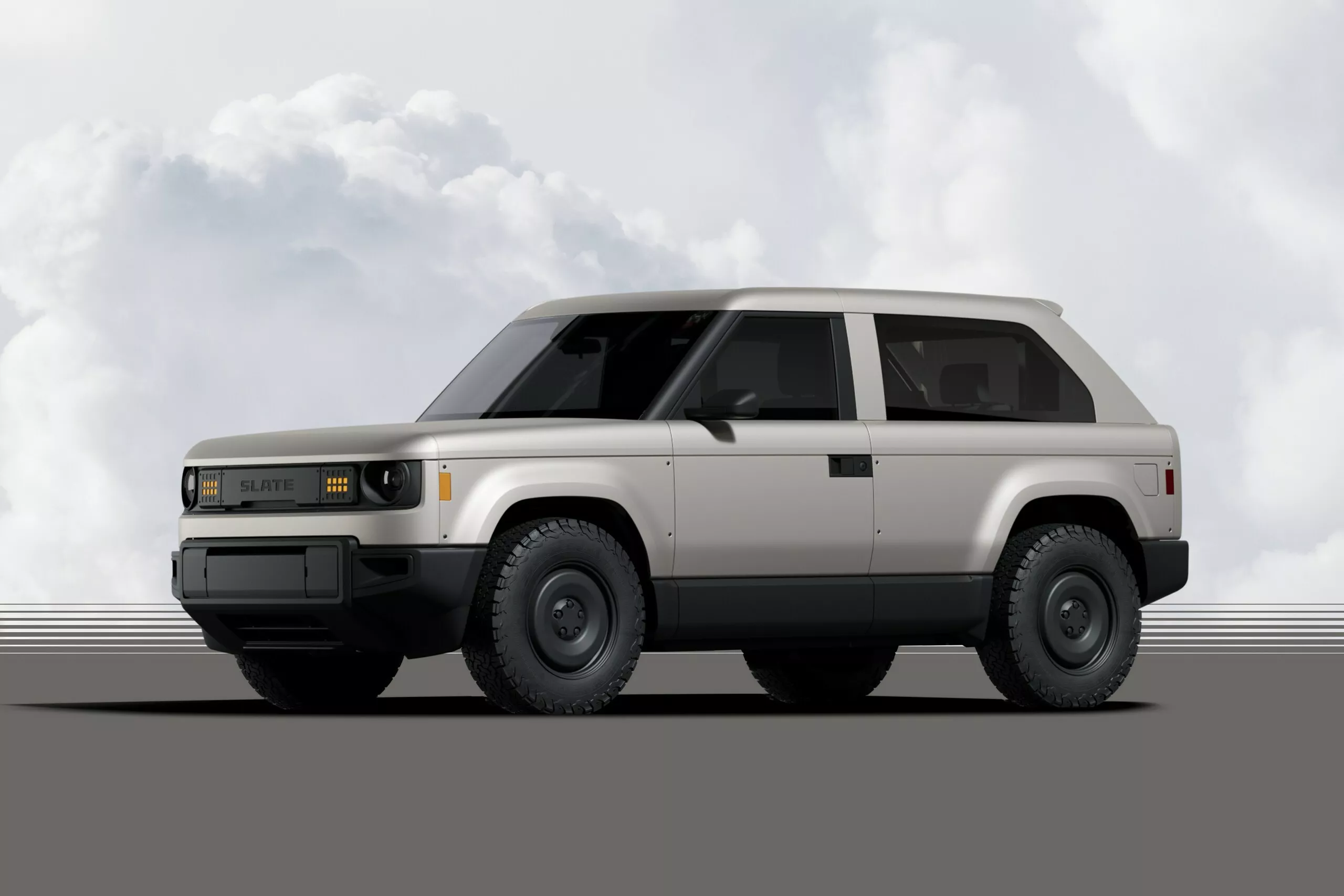
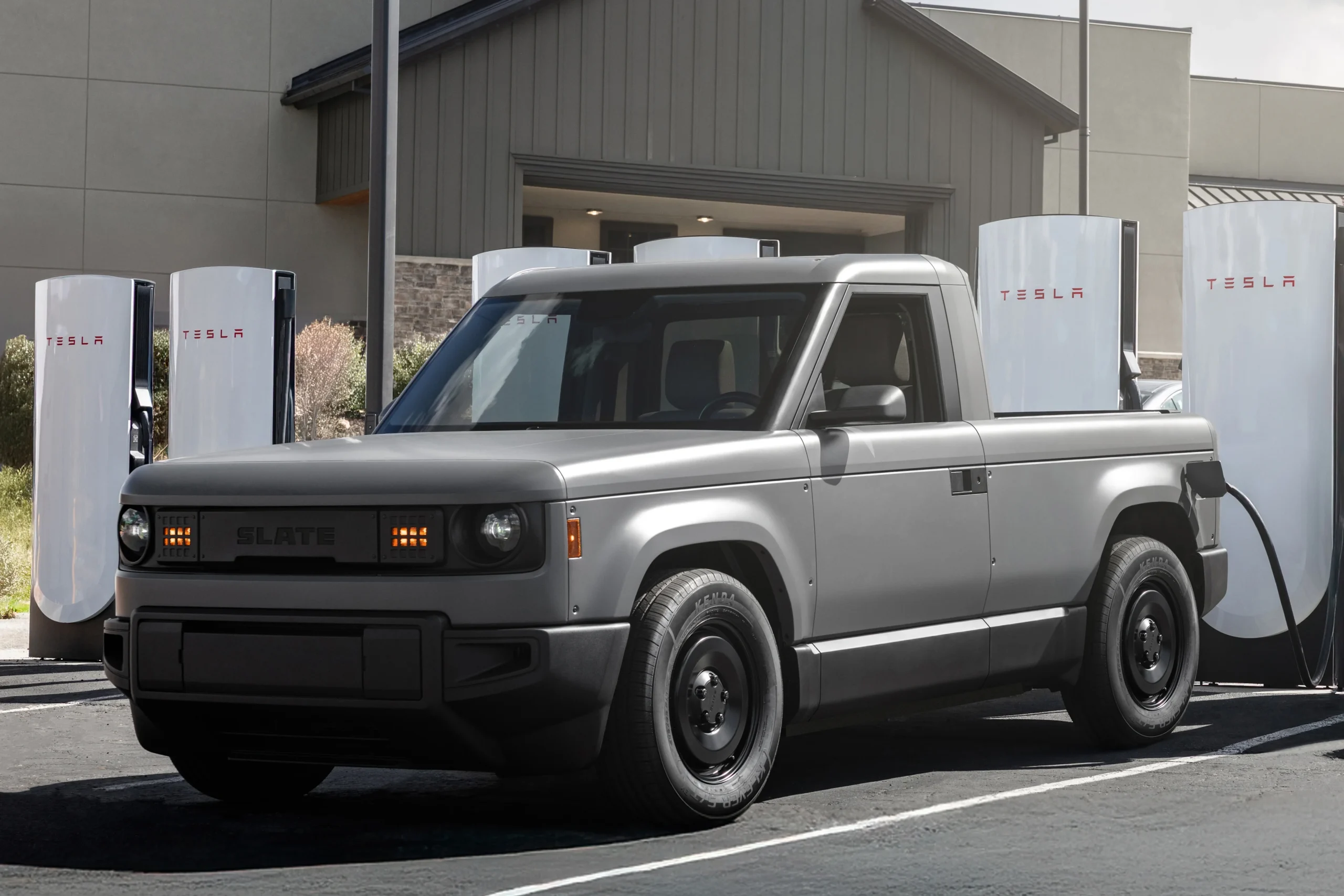
The company pegs its break-even point at roughly 80,000 vehicles a year, a little more than half the 150,000-unit annual capacity of its coming factory in Warsaw, Indiana. Not only does its electric pickup undercut other EVs sold in the US, but it also costs far less to build than the competition, thanks to a back-to-basics philosophy and low-cost parts, including plastic body panels.
Read: Slate’s EV Pickup Is So Cheap It’ll Make You Wrap It At Home
Slate Auto credits “a different cost structure and a different business model than other automakers have,” pointing to the truck’s simplified design, its manufacturing process, and its approach to customization.
Speaking to CNBC, chief executive Peter Faricy conceded that going gross-margin positive by 2027 is “an ambitious goal,” but said it’s exactly what the company is chasing. “No other automotive company has been able to do that before. So it’s ambitious. It’s going to take a lot of work. Nothing’s guaranteed in life, but you have to have ambitious goals if you want to achieve big things,” he said.
Earlier this week, it was confirmed that the all-electric pickup will start at $24,950 before taxes, fees, and destination charges. While this is more than the initial sub-$20,000 price tag promised by Slate, that was before the Trump administration axed the $7,500 federal EV tax credit. Two SUV versions round out the lineup, the Squareback from $29,950 and the Fastback from $31,950.
Will Cheap Prices Equal Strong Demand?



Chris Barman, Slate’s president of vehicles, expects the SUVs to make up about 60 percent of sales. Reservations have already passed 180,000, and reserving one now takes a $300 nonrefundable deposit, up from the refundable $50 fee Slate charged at the start.
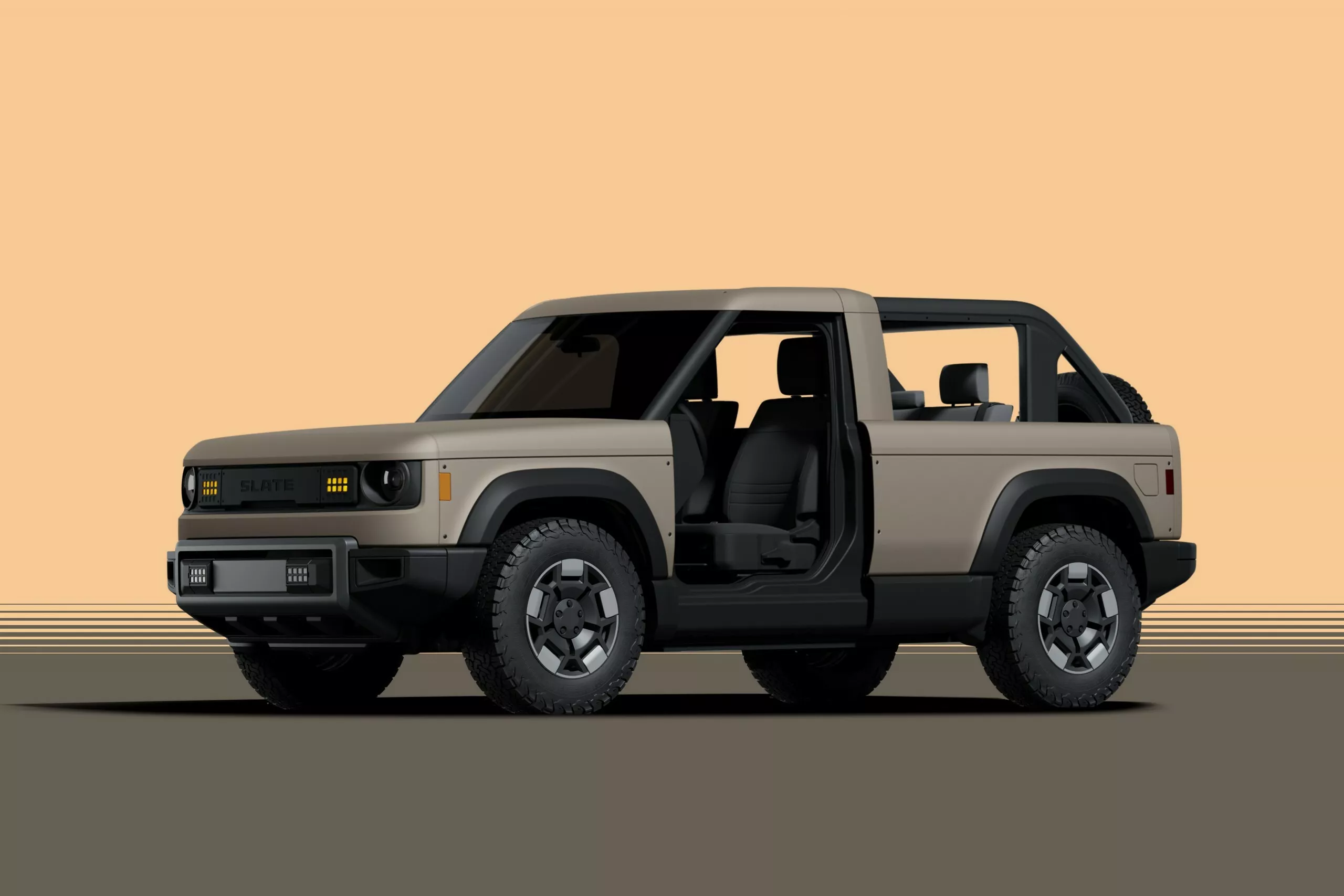
Every version shares the same powertrain: a battery pack good for 205 miles (330 km) of range and a rear-mounted electric motor with 181 hp and 195 lb-ft (264 Nm) of torque. Each one leaves the line looking identical, and buyers sort out the differences afterward through dozens of upgrades and accessories.
Wrap It Yourself
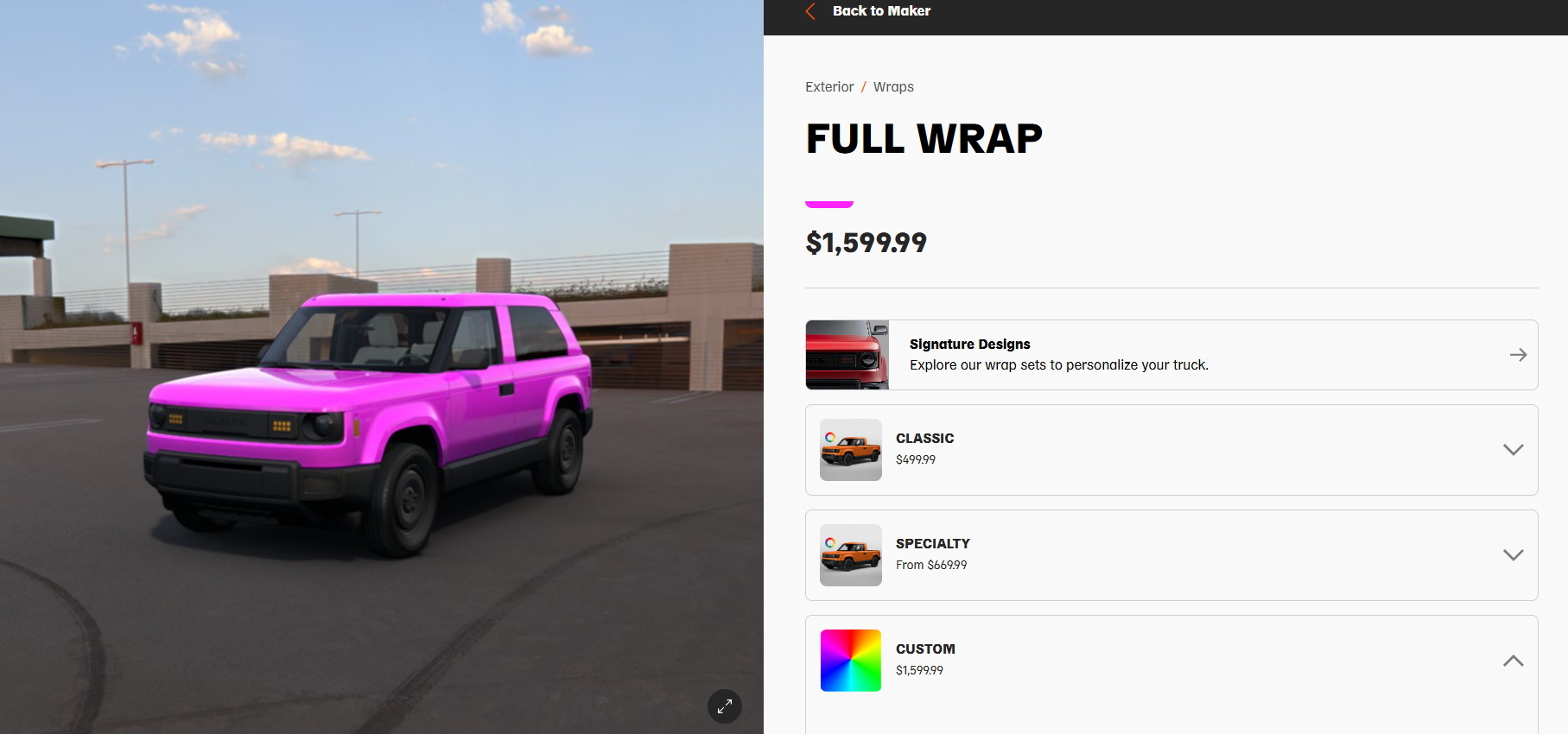
The launch catalog runs past 175 accessories, more than 80 of them under $500. Slate will also sell over 100 standard vinyl wrap colors from $499.99 to $1,599.99, leaning on wrap-ready composite body panels rather than paint and sparing itself the expense of a paint shop entirely. The catch is that the wrapping is on you, since Slate hands over the materials and leaves the labor at your door.
An IPO, Eventually
The startup has pulled in more than $1.3 billion across three funding rounds, starting with one led by a Bezos-affiliated investment and followed by two more under Walter’s TWG Global. Faricy said an IPO is still on the table, though he thinks “2027 is probably too soon,” since Slate wants production launched and the business scaled before it tests the public markets