- Data shows Waymo robotaxis have a 68 percent lower crash rate than human drivers.
- In addition, the self-driving robotaxis are involved in fewer crashes that result in injuries.
- Authors of the study say comparing crash data is difficult, as many incidents are unreported.
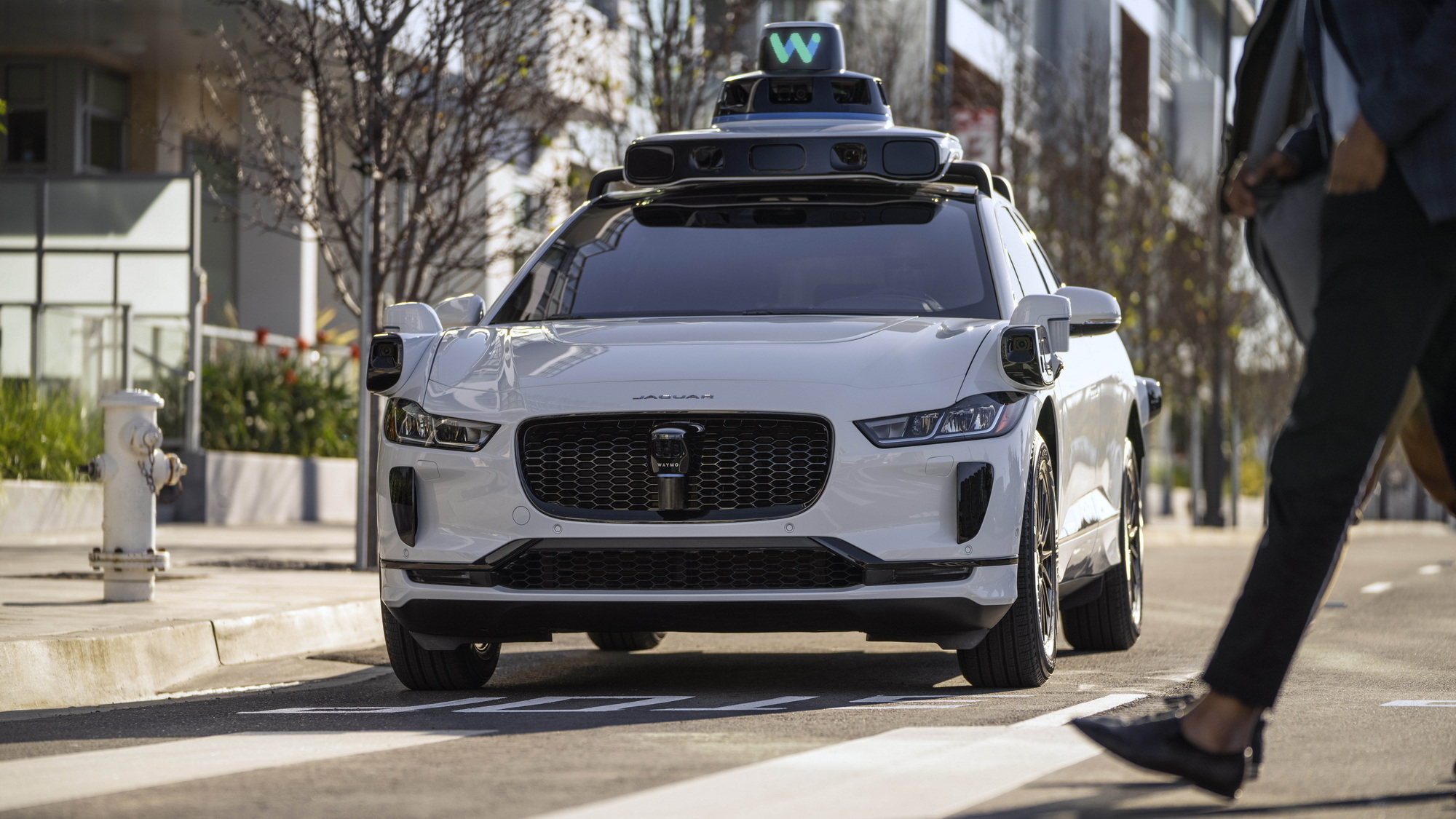
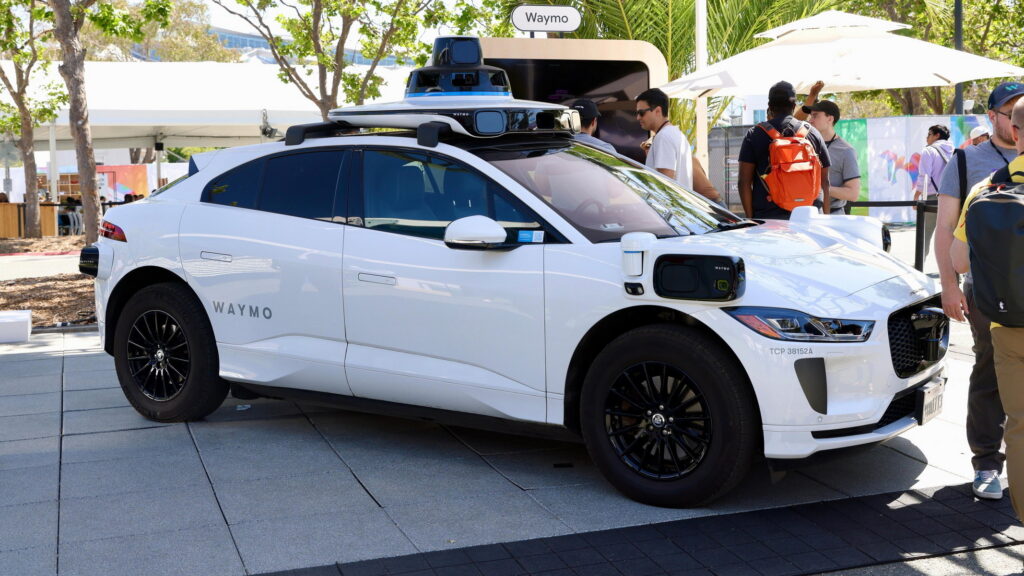
Is a self-driving robotaxi from Waymo safer than a normal human driver? Well, according to a new study from the Insurance Institute for Highway Safety, it very well could be, although even the IIHS acknowledges the limitations of comparing accident data of self-driving vehicles to regular cars and motorists.
To determine the safety of Waymo’s vehicles, IIHS members analyzed 50 million miles of Waymo driving between 2021 and 2024 throughout San Francisco, Los Angeles, Phoenix, and Austin, and compared it against data from 222 billion miles recorded by human drivers over the same period in the same cities.
Read: Waymo’s Self-Driving Brain Can’t Spot A Closed Freeway
The data reveals that, on average, Waymo vehicles had a 68 percent lower crash rate and were involved in 85 percent fewer single-vehicle crashes, as well as 81 percent fewer crashes resulting in injuries, when compared to human drivers.
The rates varied by location. In Los Angeles, for example, Waymo vehicles had a 71 percent lower crash rate than human drivers, while in Phoenix it was 76 percent lower, in San Francisco it was 35 percent lower, and in Austin, it was actually 4 percent higher, in part due to the small sample size.
A total of 736 crashes involving Waymo’s autonomous vehicles were reported across the period analyzed. However, the IIHS determined that just 22 percent of these were likely to be “police-reportable,” and just 64 of them occurred while the vehicle was in autonomous mode. Additionally, 31 of these incidents occurred when there was no occupant in the Waymo vehicle and 25 of these involved property-only damages.
Comparing Waymo To Humans
The authors acknowledge it’s difficult to accurately compare crash data between Waymo vehicles and human-operated cars. Indeed, it’s very difficult to determine precisely how many crashes involving human-operated vehicles occurred in these four cities because, according to the IIHS, roughly half of all crashes and around a third of all injuries are never reported to the police.
Despite this, the IIHS concluded its study “provides further evidence that Waymo’s L4 vehicles in driverless operation have lower crash involvement rates than human drivers in reasonably similar deployment areas and they are involved in less egregious types of crashes.” However, lead author Eric Teoh noted that “the present data collection system isn’t good enough to allow continuous monitoring of a large-scale expansion.”