










- ADAS-equipped vehicles cost more per collision claim to repair.
- Those same vehicles file significantly fewer damage claims overall.
- Avoiding even one crash means no deductible or repair-shop visit.
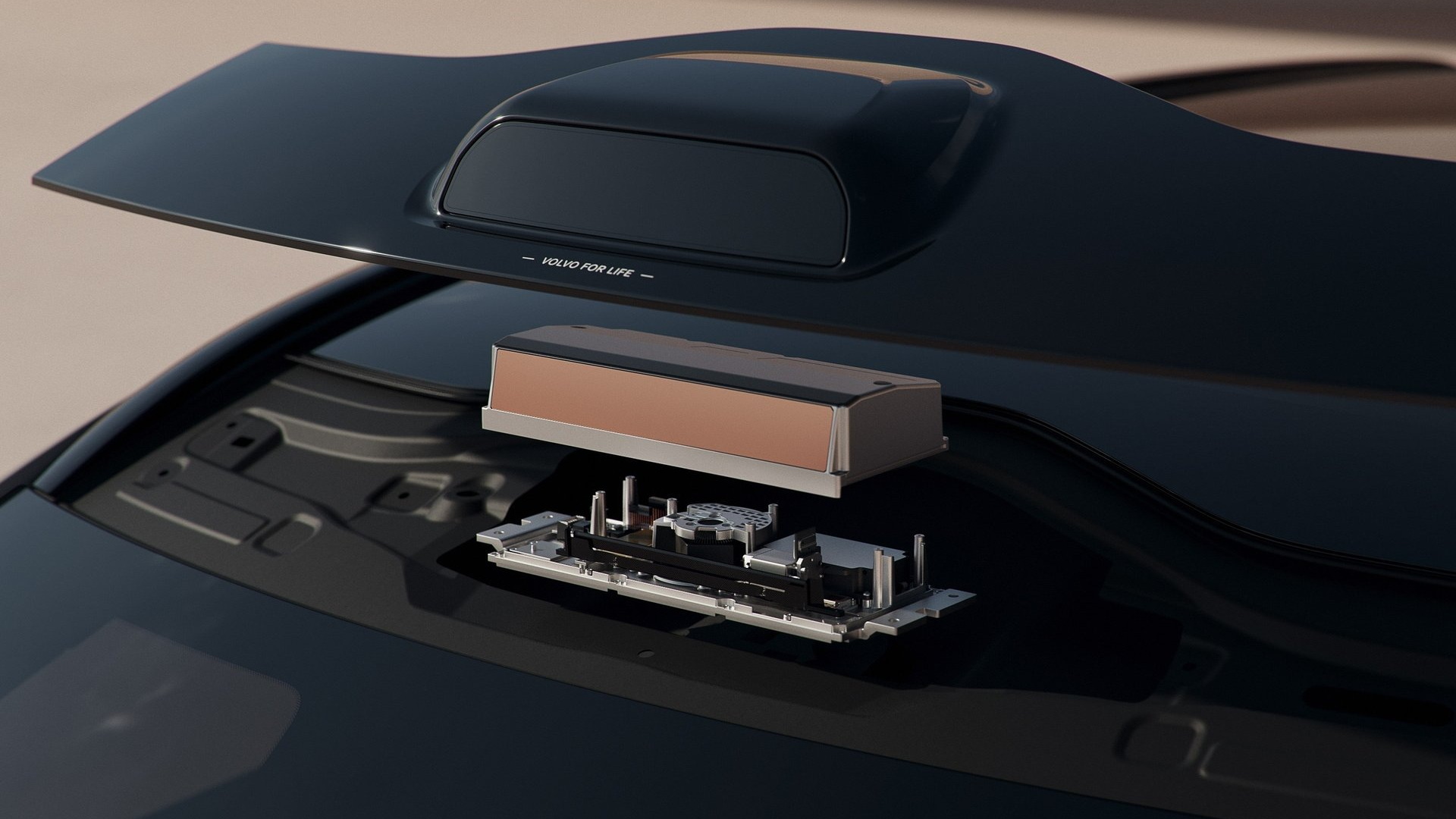
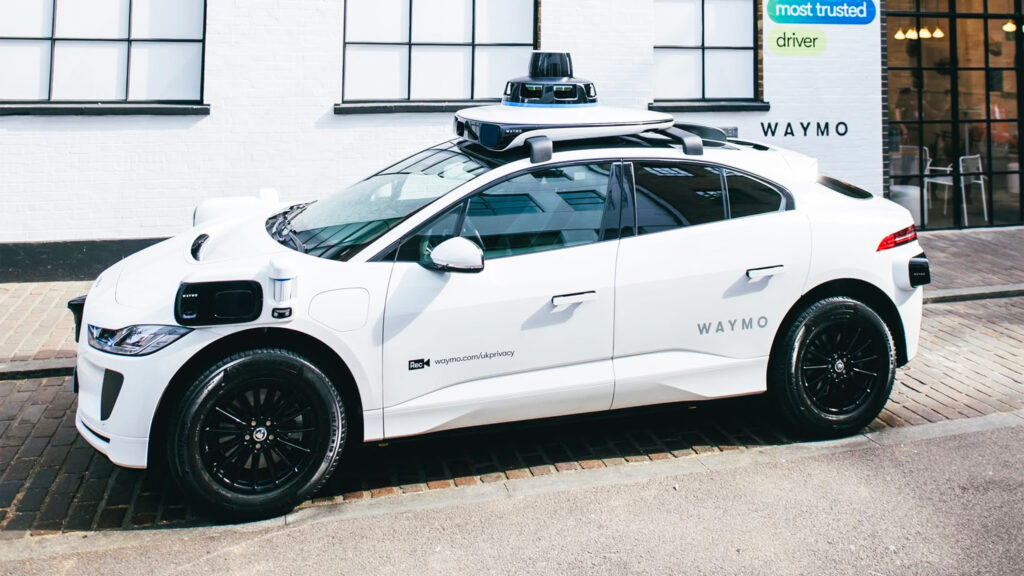
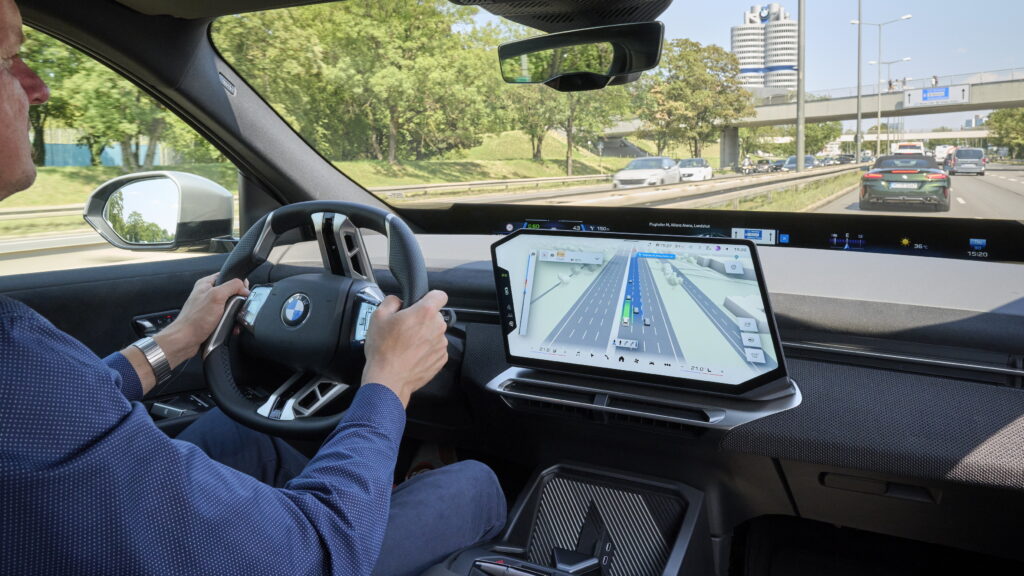
There’s no question that modern technology has changed the roadways. When a fender bender happens today, there are sonic sensors, wiring harnesses, cameras, lidar, radar, and sometimes even more to fix. That hardware helps explain why it’s so expensive to repair what used to be very minor accidents. New data from IIHS-HLDI suggests we’re seeing only half the story, though. The number that matters more is how many crashes never happen in the first place.
Read: Spilled Water Bricks Lucid, Repair Costs As Much As A Used Corolla
According to the U.S. Bureau of Labor Statistics, vehicle repair prices have increased by more than 40 percent since 2020. It’s tempting to point directly at automatic emergency braking, blind-spot monitoring, and lane-departure warnings, then call it a day. Those systems certainly add cost when a car does hit something, but modern vehicles have become more expensive to fix for plenty of other reasons too.
Why Everything Costs More to Fix
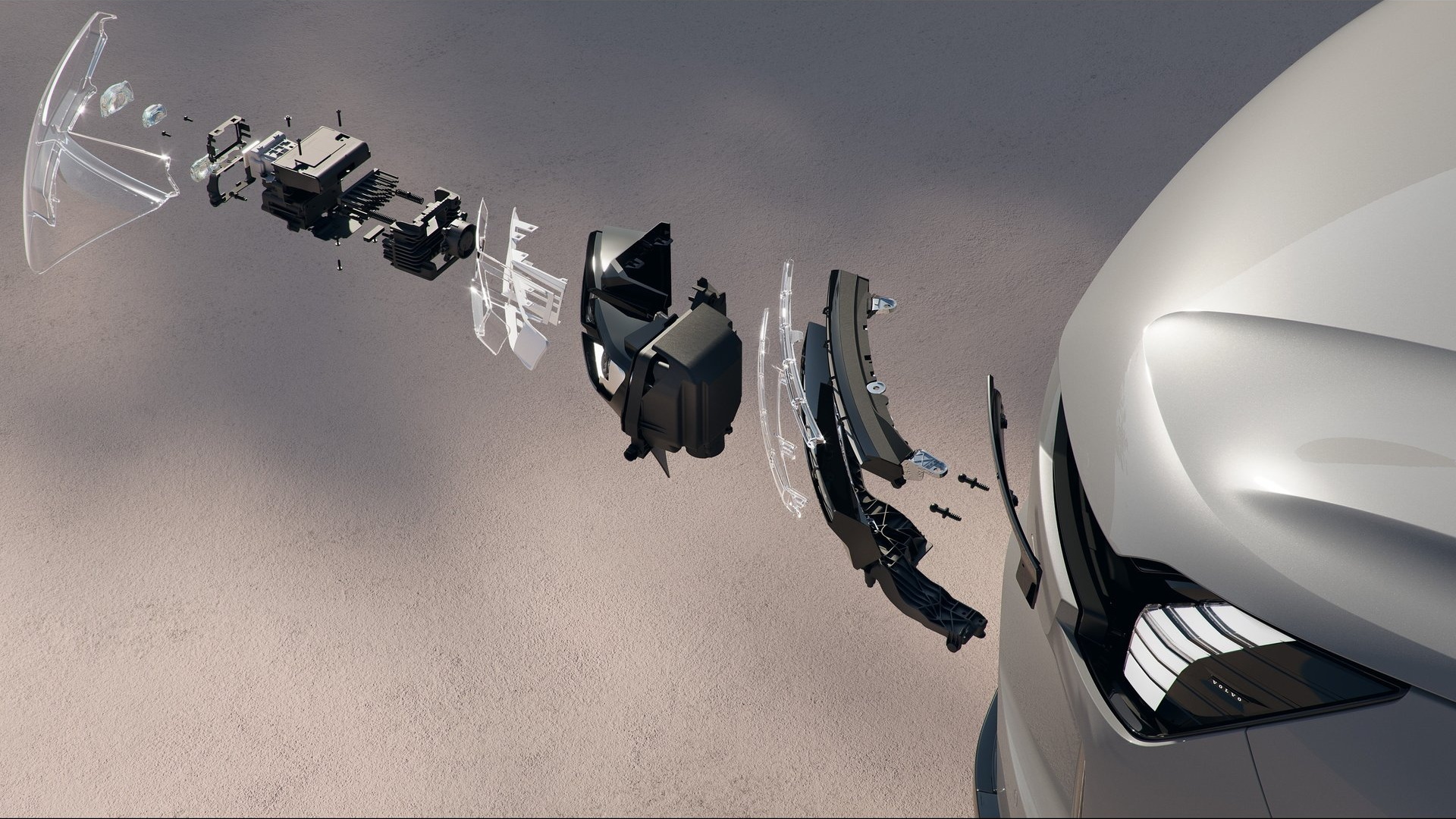
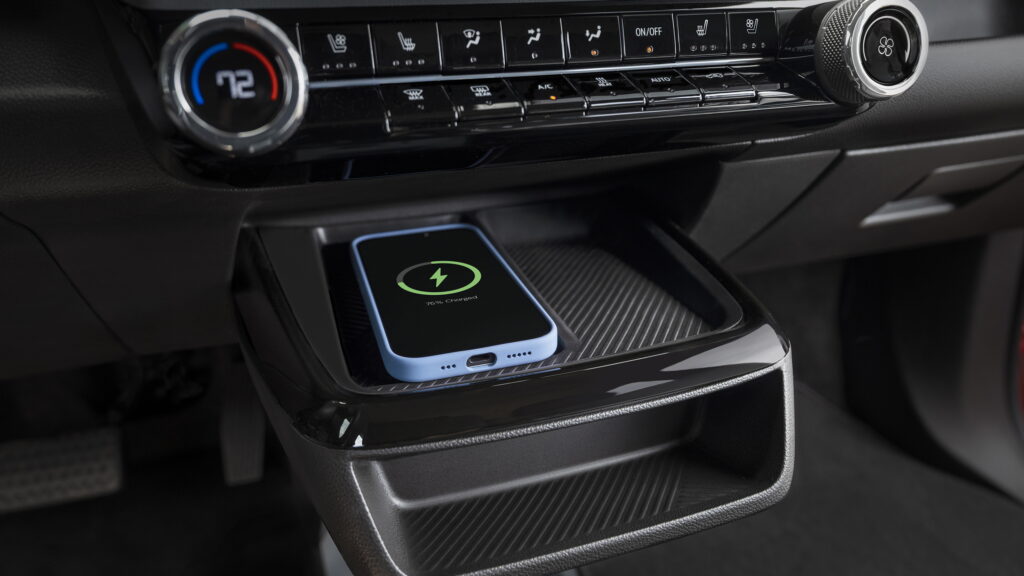
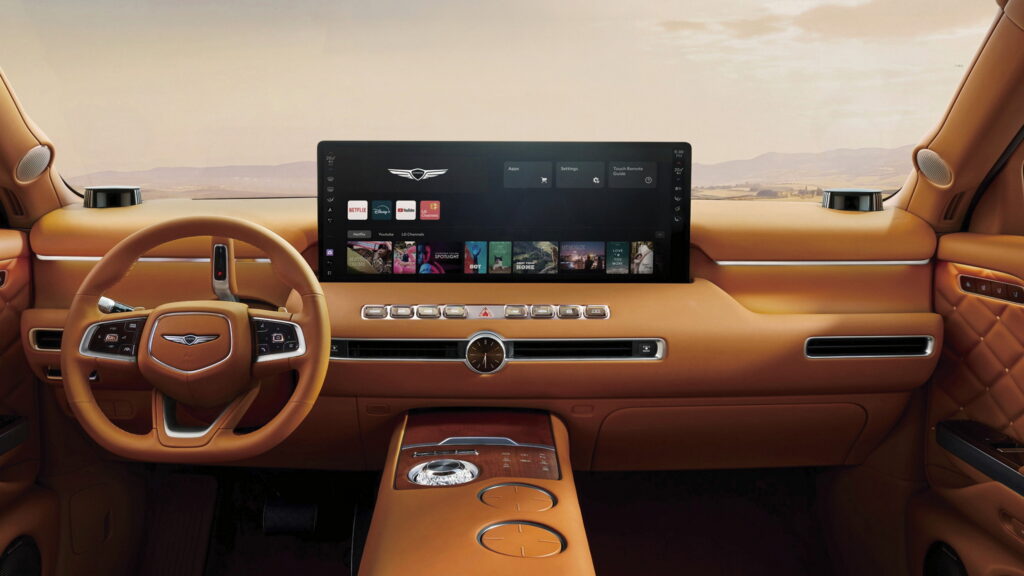
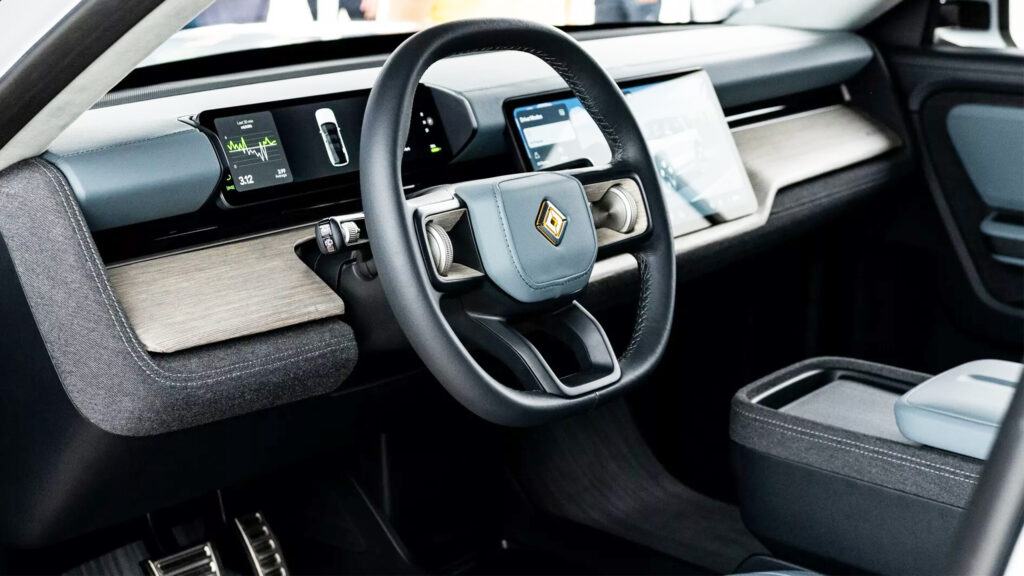
Headlights are more complex. Cars are filled with equipment that used to be luxury-only fare. SUVs and pickups dominate the market, and larger vehicles tend to do more damage when they crash. Nearly two-thirds of new vehicles now have all-wheel or four-wheel drive, while more than half have turbocharged or hybrid engines or are fully electric. Those more advanced powertrains can require specialized expertise to repair.
The IIHS-HLDI data confirms that, with some caveats, costs are growing for cars like this. Collision claim severity was about 10 percent higher for cars with driver aids than for those without. The comparison covered otherwise identical 2017-22 model year vehicles equipped with and without a bundle of driver assistance features. Simply put, when modern cars crash, they’re more expensive to fix.
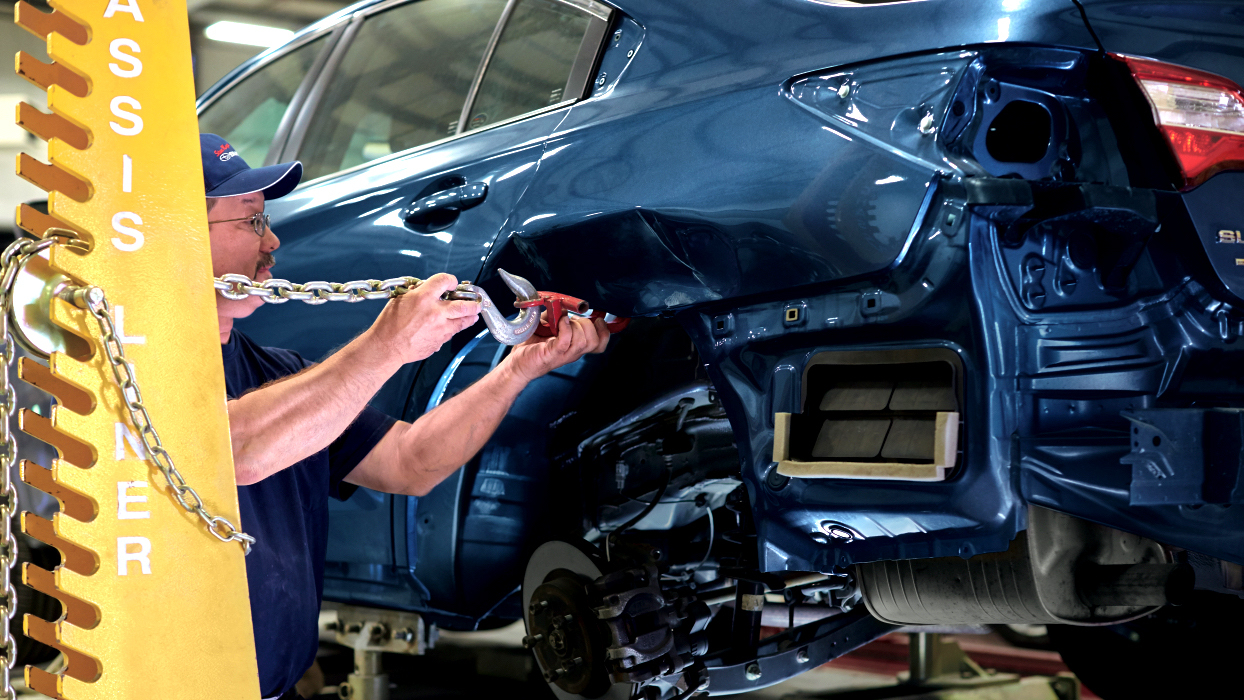
But the repair bill isn’t the whole ledger. Collision claim frequency was roughly 10 percent lower for the better-equipped vehicles, while property-damage liability claims fell by almost 40 percent. Once frequency and severity were combined, overall collision losses fell about 5 percent, while property-damage losses dropped nearly 30 percent. So cars with driver aids are actually saving drivers money overall because they avoid crashes to begin with.
None of that makes a four-figure bumper repair feel any less absurd when it lands in your lap. Automakers still need to make sensors, parts, and calibrations more reasonable to repair. But a pricey radar unit or something similar is easier to swallow when it helped stop the crash that would have wrecked the rest of the car.