


- Ontario man got surprise towing bill for SUV he’d forgotten all about.
- Buyer never transferred registration, leaving seller as registered owner.
- Some US states give sellers protection when buyers neglect paperwork.
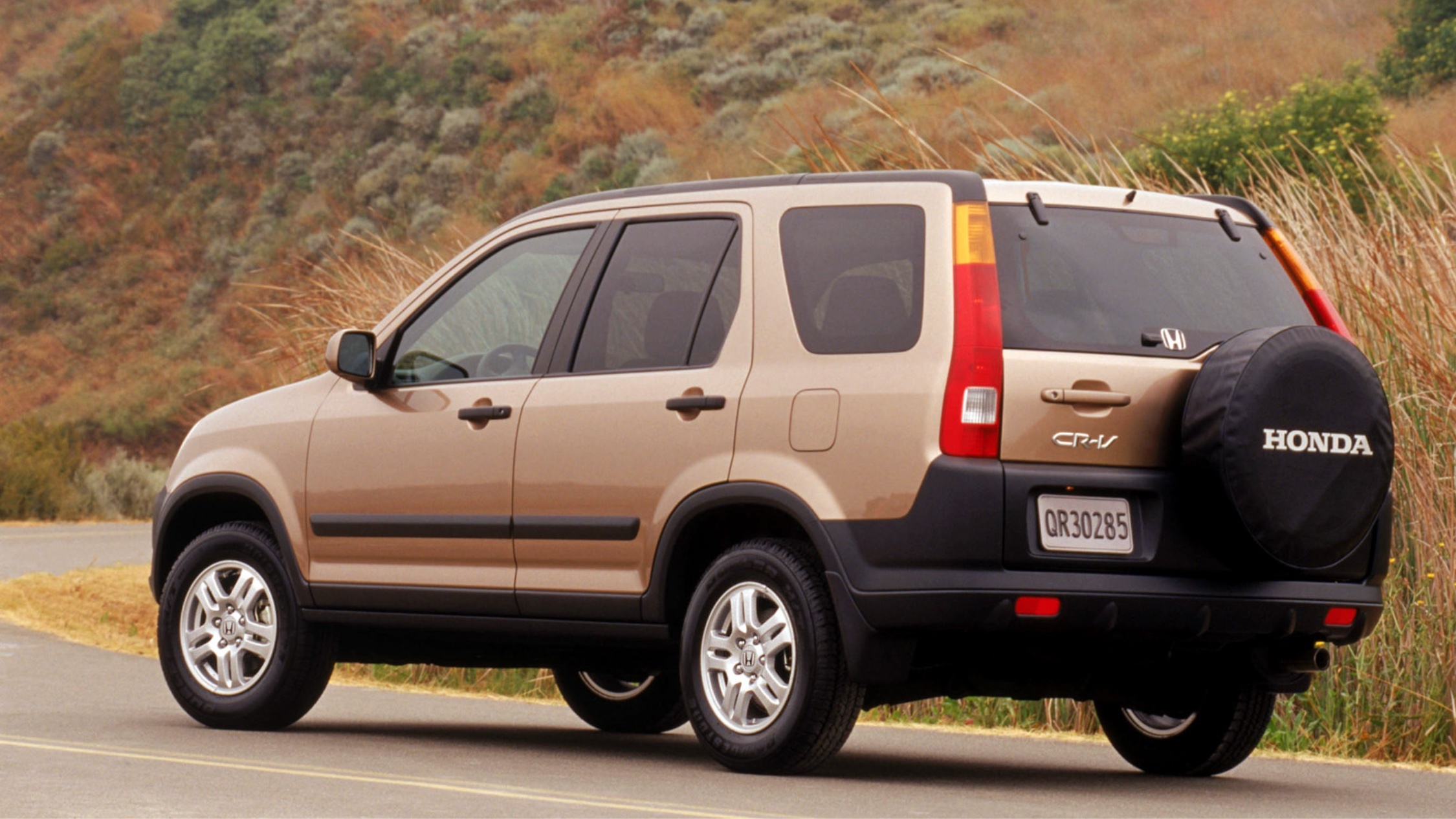
Selling a used car usually means pocketing the cash, waving goodbye and forgetting about it. But for Toronto resident Mario Iamundo, a 2002 Honda CR-V he sold way back in 2011 recently returned to his life in the least welcome way possible: as a four-figure bill.
Iamundo received a CA$1,130 ($815) charge this summer from Classic Towing and Storage in Etobicoke for towing and storing the Honda SUV. The problem was that although he’d sold the CR-V 15 years earlier and its status had been marked as sold, the buyer apparently never completed the ownership transfer.
Related: Kia EV Owner Adds $2 Of Electricity, Gets A Bill For $16,000
That meant Iamundo remained the last registered owner, though he wasn’t the vehicle’s actual owner. “I was responsible to pay the storage fees for a car I haven’t seen in 15 years, which doesn’t seem fair to me,” he told CTV News. Whether anyone had actually been driving the old Honda during its decade-and-a-half away from Iamundo isn’t known.
Classic Towing and Storage general manager Kevin Araya told CTV that used-car buyers failing to transfer registrations happens more often than you might expect. His advice for private sellers is to not hand over the keys until the buyer has changed the ownership into their name.
Ontario gives used-car buyers six days after a sale to register themselves as the new owner. Once that deadline passes, sellers can visit ServiceOntario and have the vehicle’s status changed to sold. But that doesn’t transfer the registration. If the buyer doesn’t complete their side, the seller can remain listed as the last registered owner.
Some Sellers Get More Protection
That’ll sound familiar to some Americans, although certain states give sellers an extra layer of protection. In California, for example, sellers must notify the DMV within five days using a Notice of Transfer and Release of Liability. The buyer still has to complete the ownership transfer, but filing the notice generally shifts responsibility for subsequent parking and traffic violations and civil liability to them.
Texas has a similar safety net. Sellers can file a Vehicle Transfer Notification, which adds the sale to the state’s vehicle record. Filing it within 30 days can protect the seller from liability even if the buyer fails to transfer the title promptly. And in the UK, the seller gets the buyer to fill in their details on the registration document at the point of sale, and sends it off themselves to make sure the ownership transfer is logged.
Iamundo ultimately – and very reluctantly – paid the CA$1,130. But he believes consumers deserve better protection from bills arriving years after a sale. His experience with a CR-V that he thought had left his life years ago certainly makes a compelling case for closing Ontario’s paperwork gap.