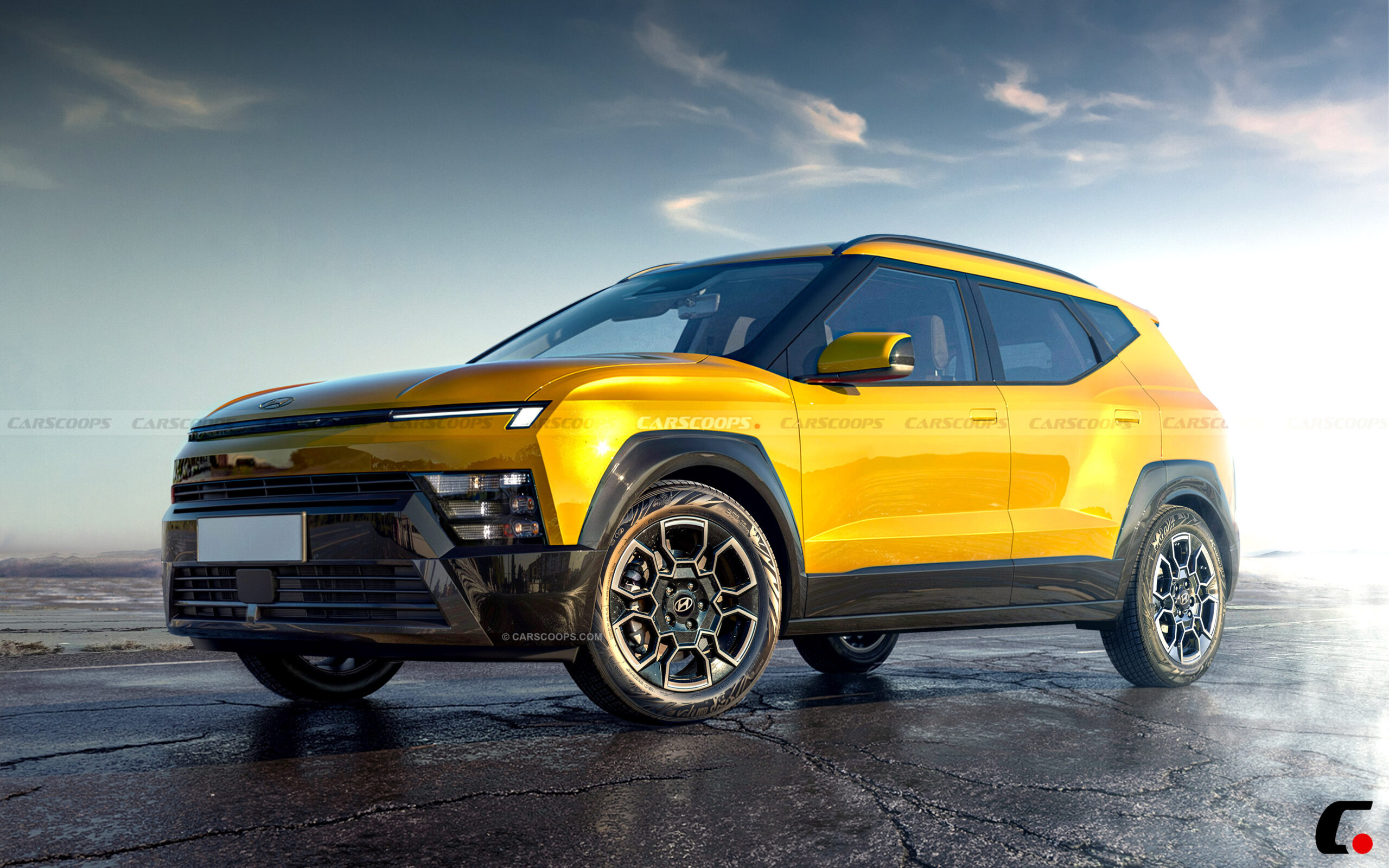
- Official sketches reveal a boxier second-gen Hyundai Bayon.
- The interior borrows the digital cockpit from the new i20.
- It will debut in India before reaching Europe and other regions.
Hyundai is almost ready to introduce a new generation of the Bayon, the subcompact SUV sharing its underpinnings with the i20 hatchback. The new model will borrow styling cues from larger Hyundai SUVs, combined with an overhauled interior.
The outgoing Bayon was introduced in 2021 and received a facelift in 2024. Production takes place in Turkey, and sales are largely focused on European markets.
More: Hyundai’s Venue-Sized Bayon Could Get A 140-HP Hybrid America Won’t
The second generation will debut in India in the coming weeks, most likely with local production. Eventually, the model will find its way in more regions around the globe, including Europe and the Middle East. Still, don’t expect it to reach North America, which will likely stick with the similarly-sized Venue.



Hyundai
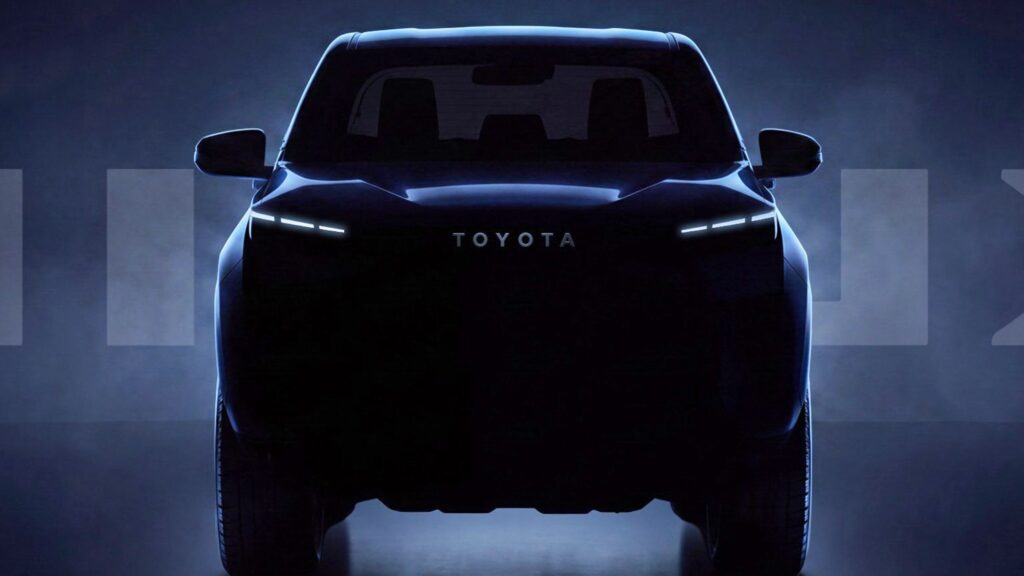
Official sketches shared by Hyundai confirm what we knew from earlier sightings of camouflaged prototypes. The new Bayon adopts a much boxier look compared to its hatchback-style predecessor, making use of Hyundai’s Art of Steel design language. Highlights include the split LED headlights, the oversized skid plates, the sculpted fenders, and the raising beltline.
More: Hyundai’s New i20 Morphs Into A Baby Crossover
The change of direction was to be expected, as the new i20 that debuted in South America a few months ago has morphed into a crossover hatchback, leaving little room for the existing Bayon. Furthermore, buyers tend to prefer rugged designs, even for urban-focused offerings that will never leave the tarmac.
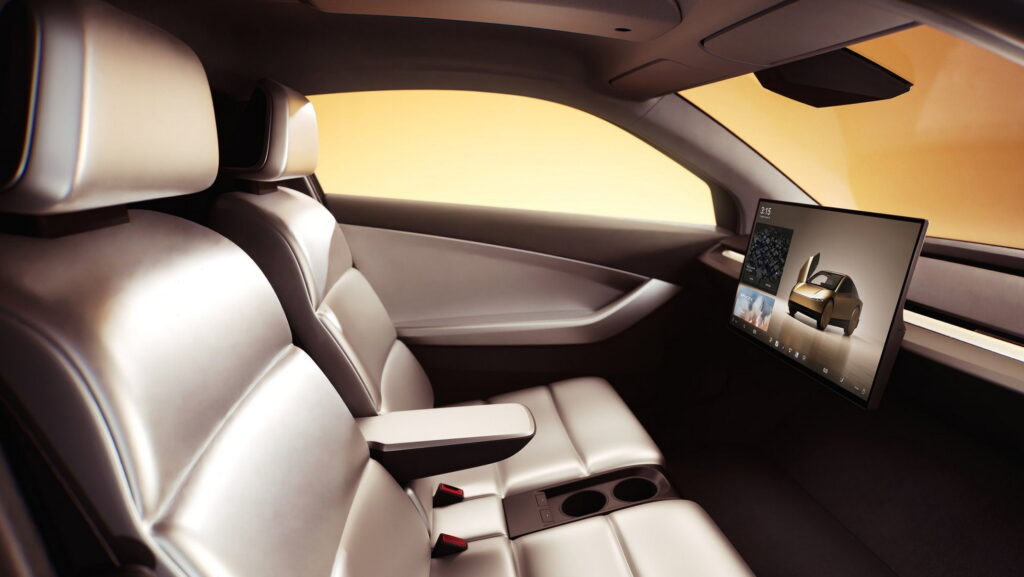
Inside, the digital cockpit appears to be derived from the new generation of the Hyundai i20. The hatchback comes with dual 12.3-inch displays, at least in high-spec trims. The good news is that Hyundai remains faithful to physical controls, with three traditional rotary dials appearing on the center console.


Spy Shots: Baldauf
Under the skin, we expect the Bayon to offer an evolution of the current architecture. Powertrain options could include gasoline, CNG, and mild-hybrid units, although availability would depend on the region. The outgoing model is fitted with a turbo 1.0-liter three-cylinder engine, which is rumored to be swapped for a mild-hybrid 1.2-liter unit in Europe and a non-electrified 1.5-liter unit in India.
More: Hyundai’s New Kona Ditches The Weird Look For A Normal Crossover Shape
In terms of market positioning, the Bayon will likely sit above the Exter and the Venue, and below the Creta in the Indian lineup. In Europe, it will slot between the smaller and fully electric Inster and the larger Kona, right in the heart of the B-SUV segment.
We expect to learn more about the subcompact SUV in the coming weeks, as we move closer to its debut. For those wondering about the name, it was inspired from Bayonne, a city in the French Basque Country known for its medieval architecture.