- Stellantis ended its hydrogen program citing weak demand and lack of infrastructure.
- Production of hydrogen-powered vans in France and Poland has been cancelled.
- The company doesn’t anticipate the adoption of hydrogen LCVs within the decade.
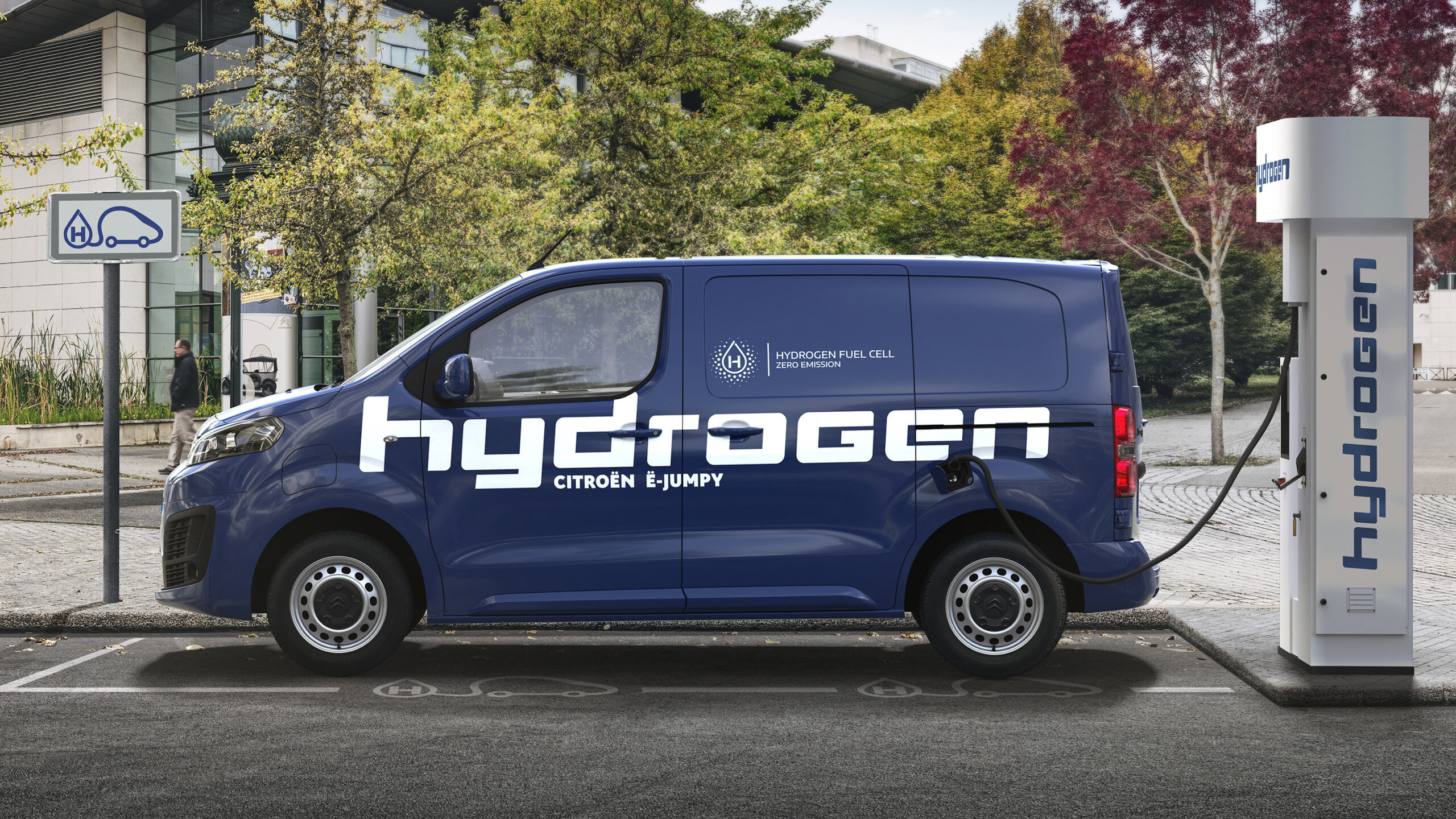
As the auto industry races toward cleaner propulsion systems, not every technology is crossing the finish line. Stellantis has quietly stepped back from its hydrogen fuel cell development efforts, citing a lack of realistic short- to mid-term potential. The company has canceled its plan to begin series production of hydrogen-powered vans this summer at facilities in Hordain, France, and Gliwice, Poland.
More: 2026 Hyundai Nexo FCEV Is A Hydrogen SUV That Makes Sense
The automotive giant cites the limited availability of hydrogen refueling infrastructure, high capital requirements, and the lack of strong consumer purchasing incentives as the main reasons for its decision to pull the plug on the FCEV program. In the company’s view, hydrogen-powered light commercial vehicles (LCVs) are unlikely to see widespread adoption before the end of the decade.
Unwinding the Partnership
Stellantis is now exploring its options regarding Symbio, the hydrogen fuel cell manufacturer in which it acquired a 33.3% stake in 2023. Symbio is a joint venture with Michelin and Forvia, aimed at scaling up hydrogen-powered vehicle production in Europe and North America. Bloomberg reports that Michelin was caught off guard by the decision, calling Stellantis’ exit “unexpected” and noting that it could result in job losses.
Despite the broader program shutdown, Stellantis says it will retain current staffing levels at its production sites. Employees working on hydrogen-related R&D will be reassigned to other projects within the company.
Jean-Philippe Imparato, Stellantis Chief Operating Officer for Enlarged Europe, commented: “In a context where the Company is mobilizing to respond to demanding CO2 regulations in Europe, Stellantis has decided to discontinue its hydrogen fuel cell technology development program. The hydrogen market remains a niche segment, with no prospects of mid-term economic sustainability. We must make clear and responsible choices to ensure our competitiveness and meet the expectations of our customers with our electric and hybrid passenger and light commercial vehicles offensive.”
A Sudden Change Of Heart?
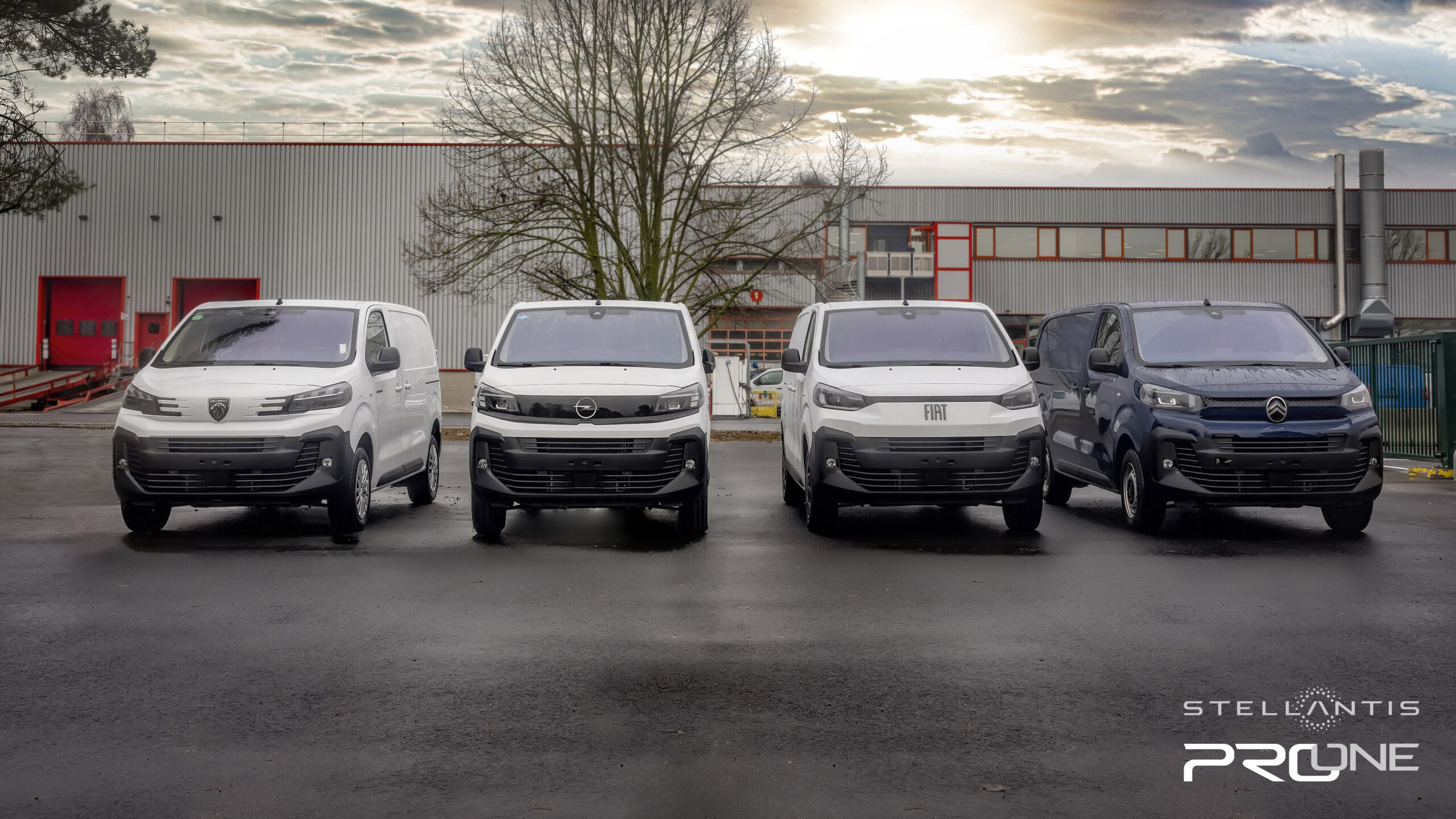
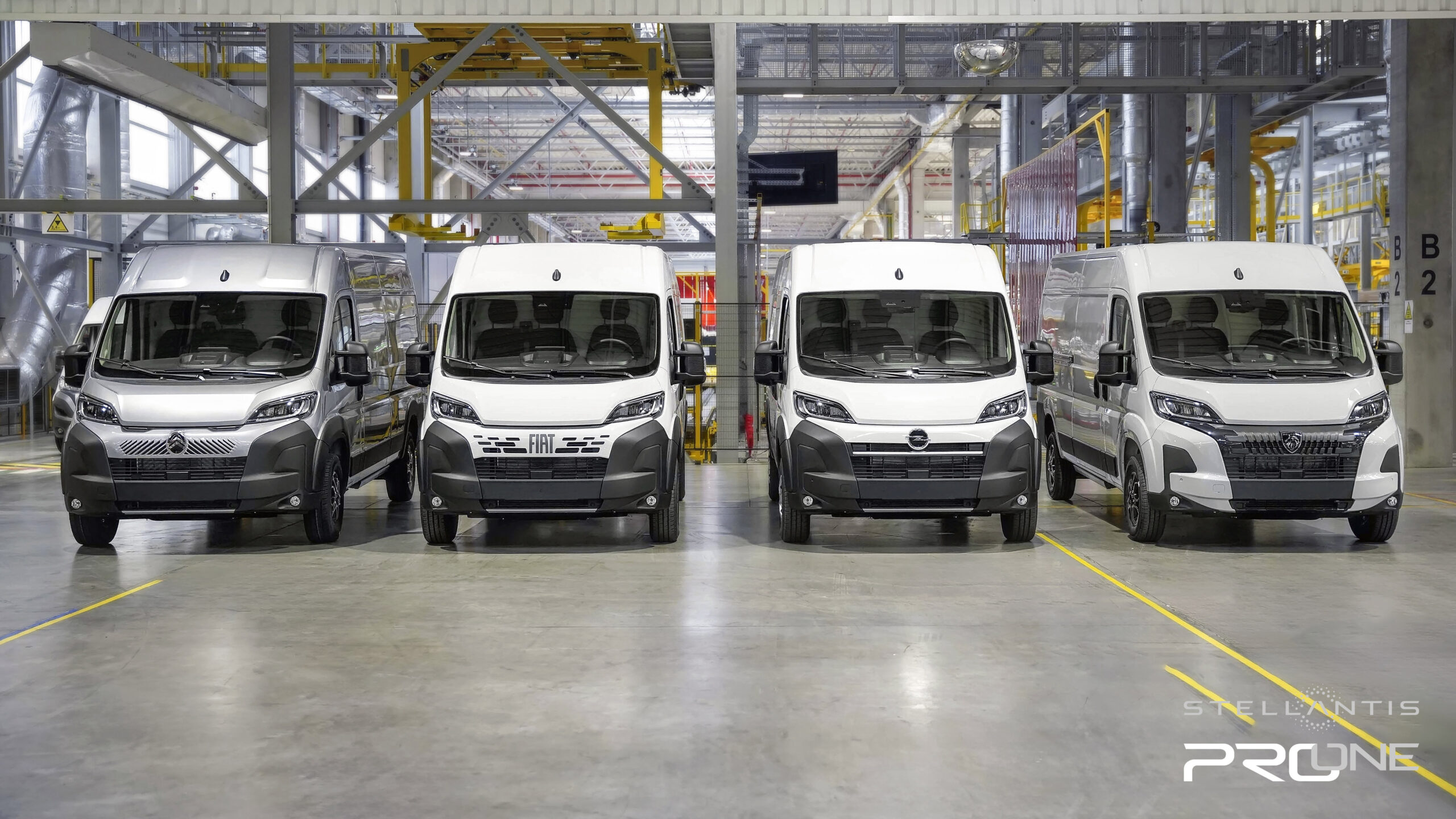
The move marks a significant reversal from just a few months ago. Back in January 2024, Stellantis had outlined plans to roll out eight fuel cell electric vehicle variants of its mid-size and large commercial vans. These were to come from the Stellantis Pro One lineup, including the Citroen e-Jumpy and e-Jumper, Fiat E-Scudo and E-Ducato, Opel/Vauxhall Vivaro and Movano, and Peugeot E-Expert and E-Boxer.
More: Toyota’s Third-Gen Fuel Cell Is Cheaper And 20% More Efficient
At the time, Jean-Michel Billig, Chief Technology Officer for Hydrogen Mobility at Stellantis, had positioned the move as a strategic push to keep the company at the forefront of hydrogen innovation. “The action to bring hydrogen fuel cell mid-size vans and add fuel cell large vans to our production lines is a proof point of our commitment to maintain the lead in cutting-edge hydrogen technology and make it available to our most demanding customers,” he said.
While the new announcement sounds like a sudden change of heart, it is worth noting that Stellantis wasn’t always a firm believer in the potential of hydrogen tech. Back in 2021, former Stellantis CEO Carlos Tavares had said that automakers pushing for hydrogen-powered vehicles were behind the curve on battery and EV technology.
Despite Stellantis’ retreat, several automakers continue to invest in hydrogen technology. Among them are Toyota, BMW, Hyundai, Honda, and Renault, all of which see potential for hydrogen in future mobility ecosystems.