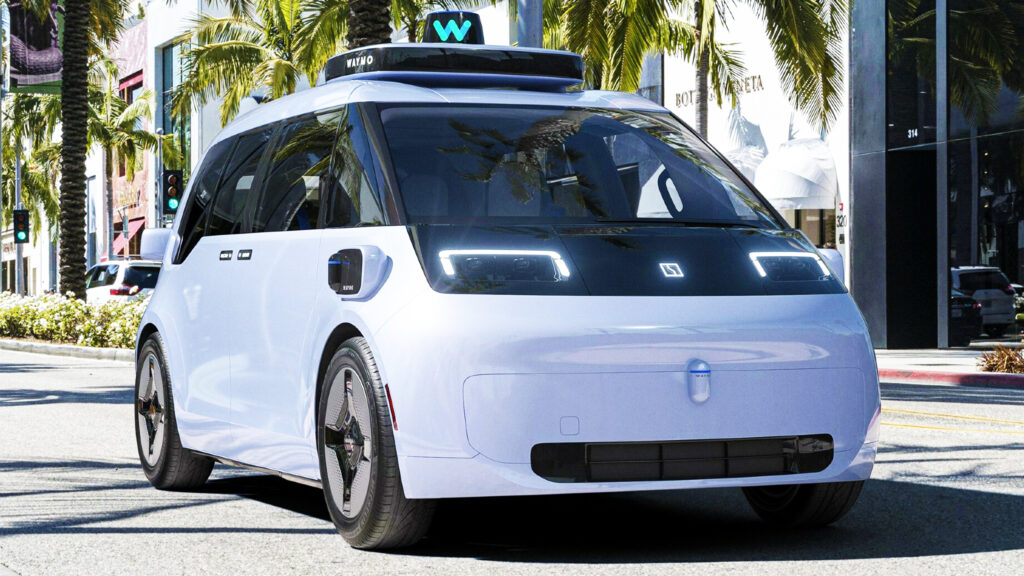
- GM is investing an additional $600 million into its South Korean production.
- Trump’s tariffs increase the cost of Chevy and Buick models by about $2,000.
- Shifting production to the United States wouldn’t make economic sense for GM.
While US tariffs have prompted some manufacturers to build more cars in the country, GM is happy to continue building several Buick and Chevrolet models in South Korea and exporting them to the US.
GM is investing an additional $600 million in its Korean assembly plant, which currently builds the Chevrolet Trax and Trailblazer, as well as the Buick Envista and Encore GX. Approximately 90 percent of the vehicles assembled there are then sent to the United States and are subject to a 15 percent tariff.
Read: Tariffs Be Damned, GM Plans To Import Half A Million SUVs
With the new investments, GM will be able to ramp up production to full capacity of roughly 500,000 vehicles annually. Approximately 460,000 vehicles were built at GM’s Korean plants last year.
Tariff Cost Per Vehicle
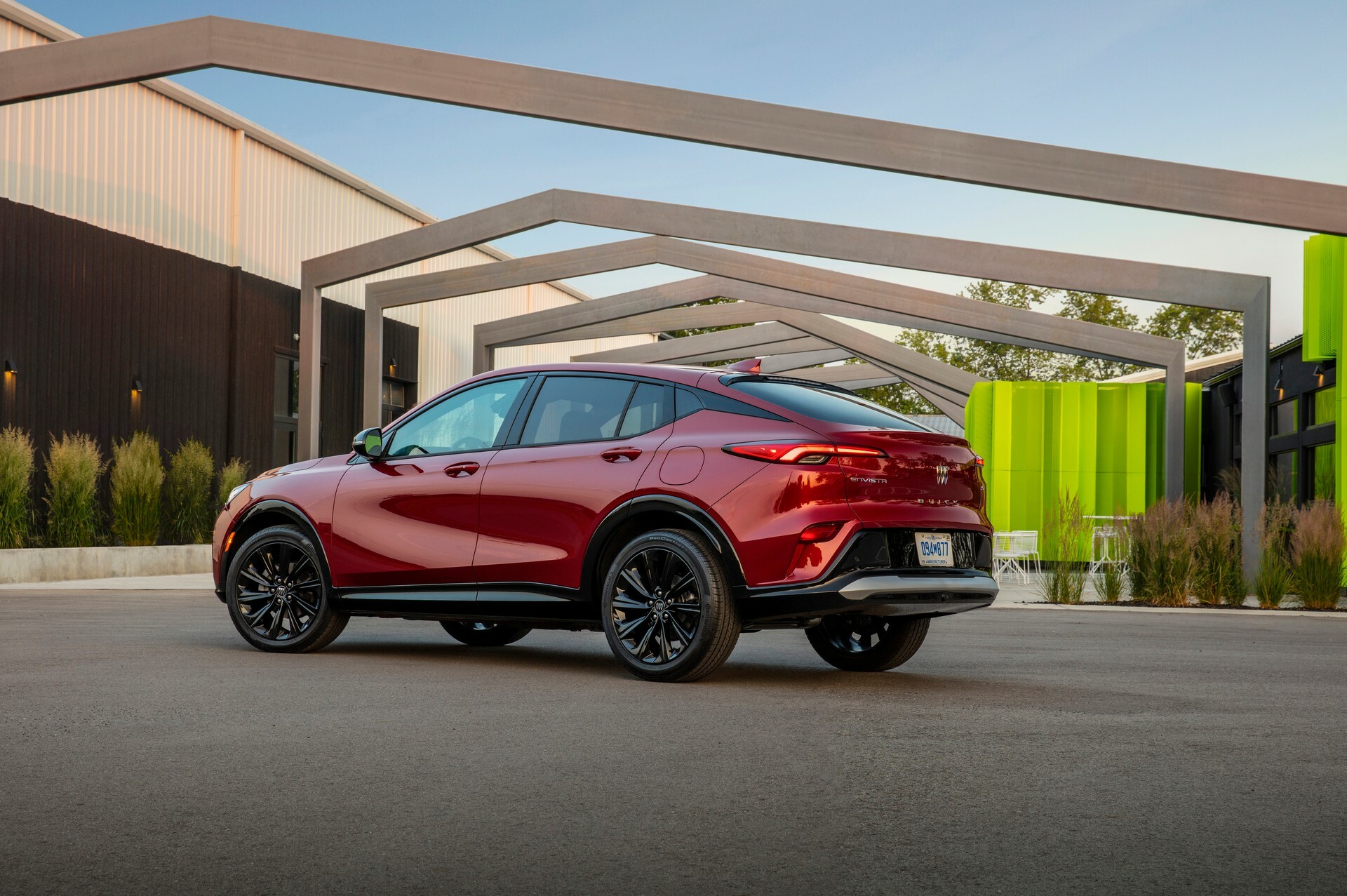
This tariff is believed to add about $2,000 to the cost of each of these Buick and Chevrolet models. While the company could build them in the US to avoid tariffs, it would require billions of dollars to create new supply chains, manufacturing facilities, and training. And come 2028, it’s possible the Democrats could return to power, instantly scrapping the tariffs.
In addition, S&P Global Mobility’s vehicle sales and production analyst Henner Lehne notes building a new plant usually takes two to four years. As reported by The Wall Street Journal, moving production to the US could add $3,000 per vehicle, so it appears the move to a U.S. production facility doesn’t make business sense.
South Korea Wage Gap
Ongoing labor costs would also be higher. Most workers at a US plant would earn $30-$40 an hour, or up to $60 an hour when represented by the UAW. GM’s South Korean workers likely earn between $20-$30 an hour. GM currently employs about 12,000 people in South Korea and runs three factories.
The car manufacturer expects tariffs to cost it between $3 billion and $4 billion this year. Its Korean arm really felt the effects of the tariffs in 2025, reporting a 60 percent fall in operating profit and a 12 percent drop in revenue.