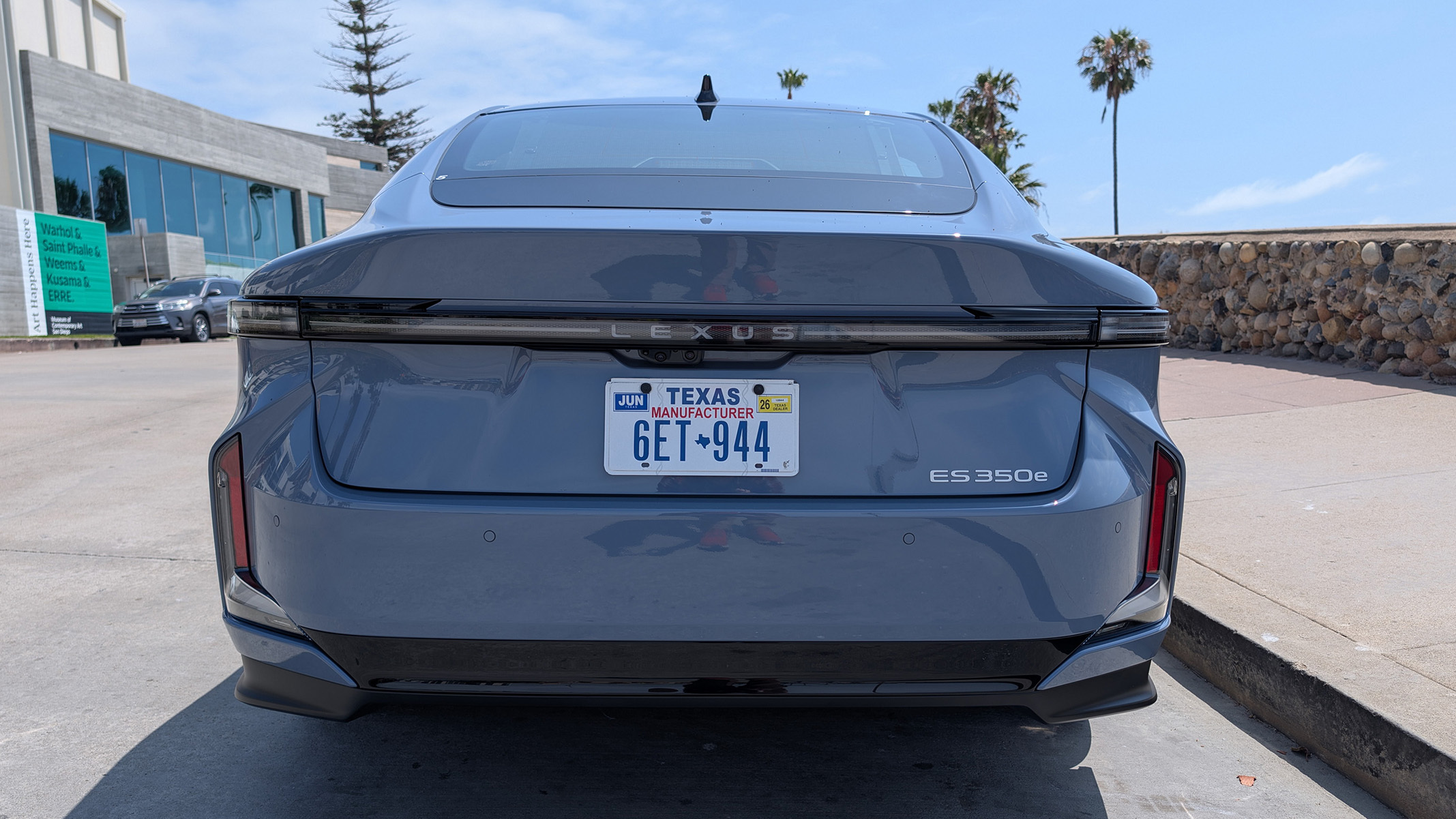



- Lexus says EV power may make more sense for future F-Sport models.
- Chief engineer Kohei Chiashi believes electrification enables new possibilities.
- The ES500e can send all available torque rearward in some situations.
Performance and electrification spent years looking like reluctant roommates. Enthusiasts rolled their eyes, automakers talked about efficiency, and every new hybrid sports car seemed to come with a warning that excitement wasn’t the priority. Fast forward to now, and electrification has infiltrated nearly everything, from economy cars to six-figure exotics with varying degrees of success.
Increasingly, performance brands aren’t asking if electricity belongs in the conversation, but how much of it should be involved. According to the engineer behind the all-new Lexus ES, electrification may end up shaping the future of F-Sport too.
Chief Engineer Makes The Case For Batteries
While speaking with ES chief engineer Kohei Chiashi during the new ES first-drive launch event, we asked which powertrain made more sense if Lexus ever wanted to build a more performance-focused F-Sport variant: hybrid or battery-electric. His answer was revealing.
Also: Lexus ES Chief Engineer Is ‘Not Happy’ About SUVs Taking Over
“Personally, I think the BEV is well-suited because electrification has raw power and we can manipulate the powertrain more granularly to produce different types of performance within that envelope,” Chiashi told us.
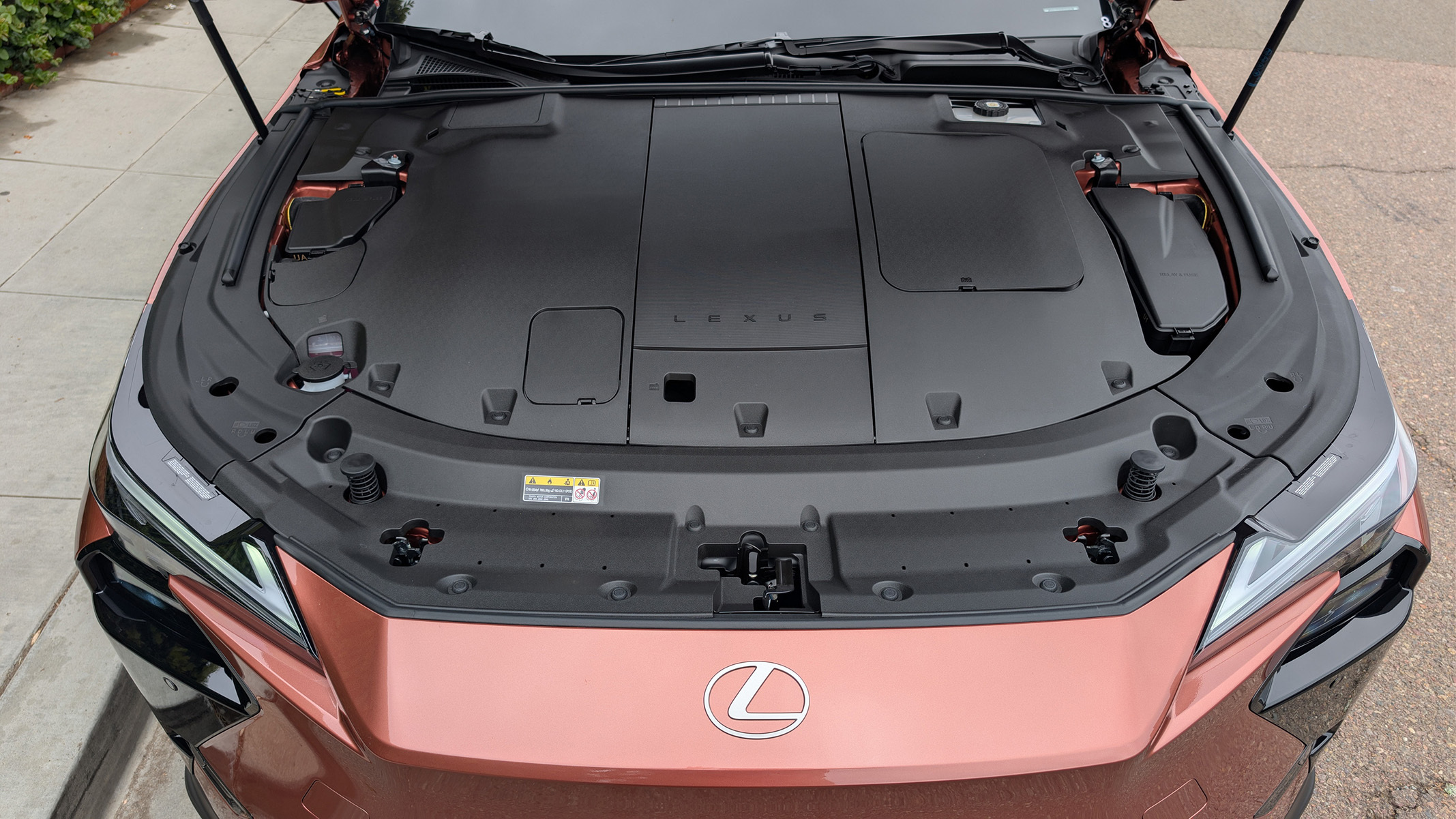
That line may sound like standard EV talking points at first, but Chiashi followed it with something more interesting. According to him, the ES500e’s system can send 100 percent of available torque to the rear wheels in certain situations. Drivers don’t control that behavior directly, though, so before anyone starts imagining a drift button hidden in a submenu, Lexus isn’t going there.
Why An F-Sport ES Isn’t Here Yet
The answer also helps explain why Lexus isn’t rushing to add an F-Sport model to the ES lineup immediately. According to Chiashi, the ES500e already checks many of the boxes that F-Sport traditionally represented, and introducing another trim at launch would have complicated things.
Read: The First Electric Lexus ES Actually Costs Less Than The Hybrid
That doesn’t mean Lexus has abandoned the idea. Chiashi made clear the company is still considering future possibilities. If nothing else, the comments offer an interesting glimpse into where Lexus performance thinking may be headed. F once stood for naturally aspirated V8s and high-revving theatrics. The next chapter might involve software, instant torque, and a whole lot more electricity.