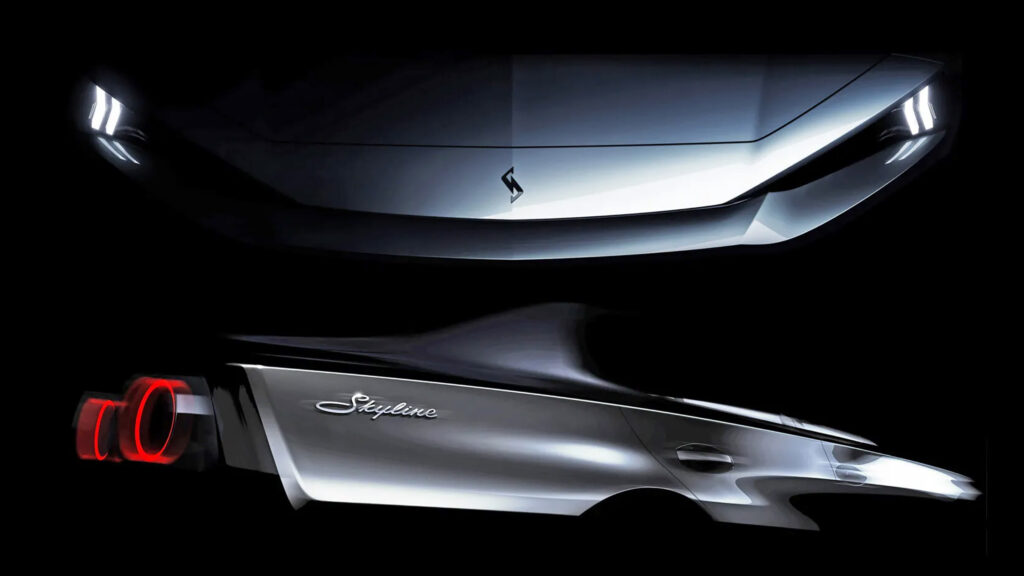
- Chinese researchers created a paint that absorbs 99.90 percent of light.
- The paint combines nanoscale carbon black and carbon nanotubes.
- Panels survived 10 days underwater and 104 degrees without damage.
In 2019, BMW unveiled an X6 painted in Vantablack, and the result looked less like a car than a hole cut into the world. The color, developed by Surrey NanoSystems in the UK, swallows 99.965 percent of light, enough to flatten a 3D object until the eye reads it as a 2D silhouette. Many hoped BMW would put the paint into production and let buyers order it on a showroom car. That day never came.
Watch: World’s Darkest Porsche 911 Looks Like A Video Game Car That Hasn’t Been Unlocked Yet
However, researchers in China believe they have developed a light-absorbing paint that is nearly identical to Vantablack and can be manufactured at scale. Whereas the original Vantablack used a material composed of billions of vertically aligned carbon nanotubes, this Chinese derivative tweaks the formula to create something that might actually be usable for car manufacturers.
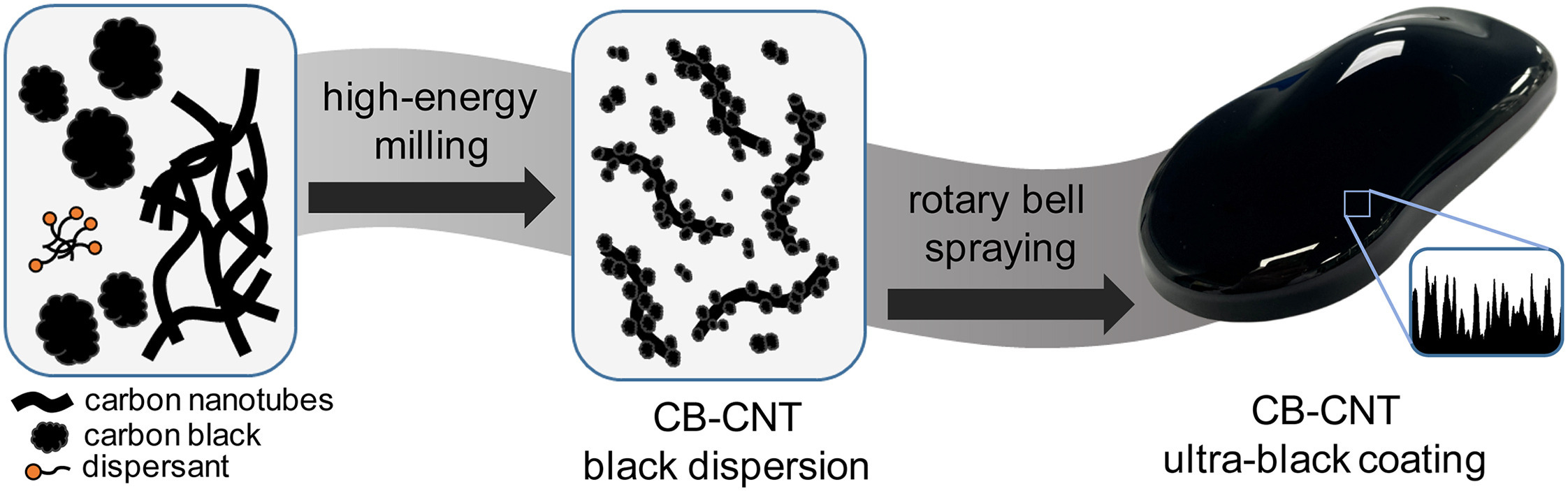
The formula leans on nanoscale carbon black and carbon nanotubes, both sourced from outside suppliers rather than brewed in-house. According to the team of researchers, Zhiwei Liu, Changyi Pan, and Jet Cui, the carbon black particles settle along the length of the nanotubes, building an irregular surface studded with microscopic peaks and valleys that does the heavy lifting.
The moment light touches the surface, it bounces around these valleys, rather than reflecting out. By mixing carbon black and carbon nanotubes with a mixture of deionized water, dispersant, and deformer, it’s possible to create a finish that absorbs more than 99.90 percent of light.
Tests performed by the researchers showed the paint finish could withstand humidity levels of up to 95 percent at 40 °C or 104 °F. In addition, panels were submerged in water for 10 days, and passed without any visible signs of deterioration.
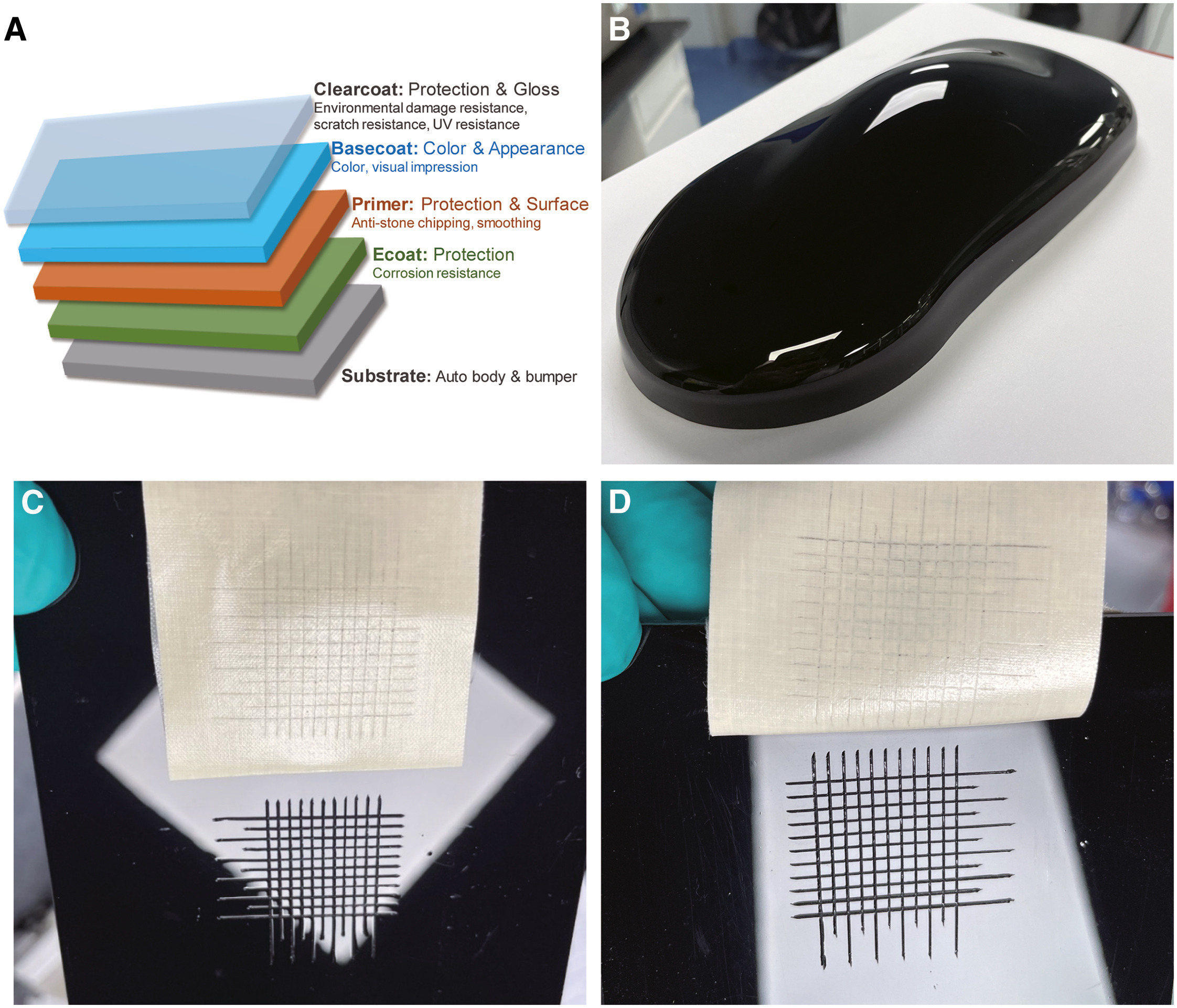
Importantly, none of this means a blacked-out car is headed for your local dealer anytime soon. The study, published in Matter & Light, was built mainly to test the paint’s adhesive properties and figure out whether it could survive on a car at all. It cleared that hurdle, but manufacturers would still need to see how resistant it is to UV, scratches, corrosion, and rock chipping before it could ever be commercialized.