- Bugatti CEO responded to a DIY rebuild of a wrecked Chiron.
- He denied claims of extreme repair and service part prices.
- Rimac warned that DIY repairs raise major safety concerns.
For years, stories about Bugatti repair bills have made the rounds online like urban legends, often wrapped in tales of five-figure oil changes and shockingly priced parts. But according to Bugatti CEO Mate Rimac, most of those horror stories don’t hold up under scrutiny. The truth, he says, is far less dramatic.
Read: Bugatti Boss DMs Popular Influencer Who Threatened To 3D Print His Blacklisted Chiron
Of course, that truth still depends entirely on your definition of expensive. If you’re someone who balks at a $6,000 key fob (back in 2021) or $20,000 just to replace spark plugs and coil packs, you’re not alone. We reported on both of those figures in recent years, and they’re objectively outrageous to the average person. But to the kind of individual who owns a Bugatti, those numbers are basically pocket change.

Rimac shared a video on his social media account to illustrate just how intricate Bugatti components really are. The goal, in part, was to caution independent builders against attempting to restore damaged Bugattis on their own. He also pointed out that the Chiron came with four years of complimentary service and warranty, which effectively zeroes out maintenance costs during that time.
And yes, someone could argue that these perks are backed into a multi-million-dollar sticker price, and they’d be absolutely right.
What Set Off the Bugatti Rebuild Dispute?

The video was also a direct response to YouTuber Mat Armstrong, who recently took on the challenge of reviving a heavily wrecked Bugatti Chiron Pur Sport. The hypercar belongs to Alex Gonzalez, who re-purchased it from Copart after a crash and an insurance payout. Now, he’s trying to get it roadworthy again.
Gonzalez publicly requested that Bugatti lift the car’s blacklisted status and even threatened to 3D print the replacement parts himself. Rimac responded by reaching out to offer assistance, but the effort appears to have stalled. As it stands, the project risks becoming a prohibitively expensive and potentially unsafe DIY build, lacking both the resources and approval of Bugatti’s Molsheim headquarters.
Among the myths Rimac addressed was the widely circulated claim that a set of Bugatti Chiron headlights costs €150,000 (around $174,000). Not true, he said. The actual cost is closer to €50,000 ($58,000), which is still a massive number but, in context, more grounded. He explained that developing and homologating these parts requires tens of millions of euros in R&D, spread across just 500 cars.
More: Bugatti May Rebuild A 20-Year-Old Legend, But Don’t Even Dream Of Buying It
He also made clear that 3D printing a Chiron headlight simply isn’t possible. The technology isn’t there yet for such specialized components, despite Bugatti’s own use of 3D-printed parts in areas like suspension systems.
The Danger of Using Different Parts
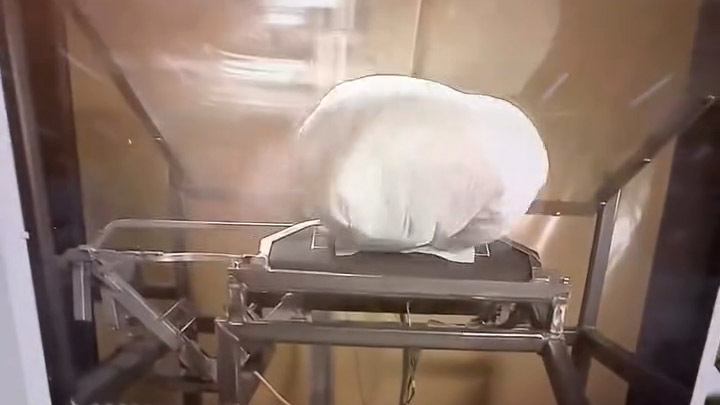
In his latest video, which has already pulled in 6.8 million views in just four days, Armstrong points out that some Bugatti airbags share part numbers with those used in the Audi A3, as we reported the other day. But Rimac isn’t convinced that makes them interchangeable. He warned that swapping parts into a hypercar without proper precautions can be dangerously misleading.
Rimac revealed that during cold-weather testing of the new Tourbillon at -20°C (-4°F), they discovered that the leather upholstery on the dashboard could stiffen enough to interfere with airbag deployment. Bugatti, he says, had to adjust how the leather is weakened during production to avoid compromising safety, something no DIY rebuild could realistically replicate.
Why Bugatti Doesn’t Approve
Rimac was careful to emphasize that he holds Armstrong in high regard and enjoys his videos. He even said he’d be glad to support the project as a fellow car enthusiast. But he also drew a clear line. Bugatti can’t approve this repair, and for good reason.
More: Bugatti Brouillard W16 Brings The Chiron Back From The Dead
He explained that the damage to Gonzalez’s Chiron Pur Sport wasn’t just cosmetic. The crash had shattered the gearbox housing and caused structural damage to the monocoque, issues that go far beyond bodywork or component swaps.
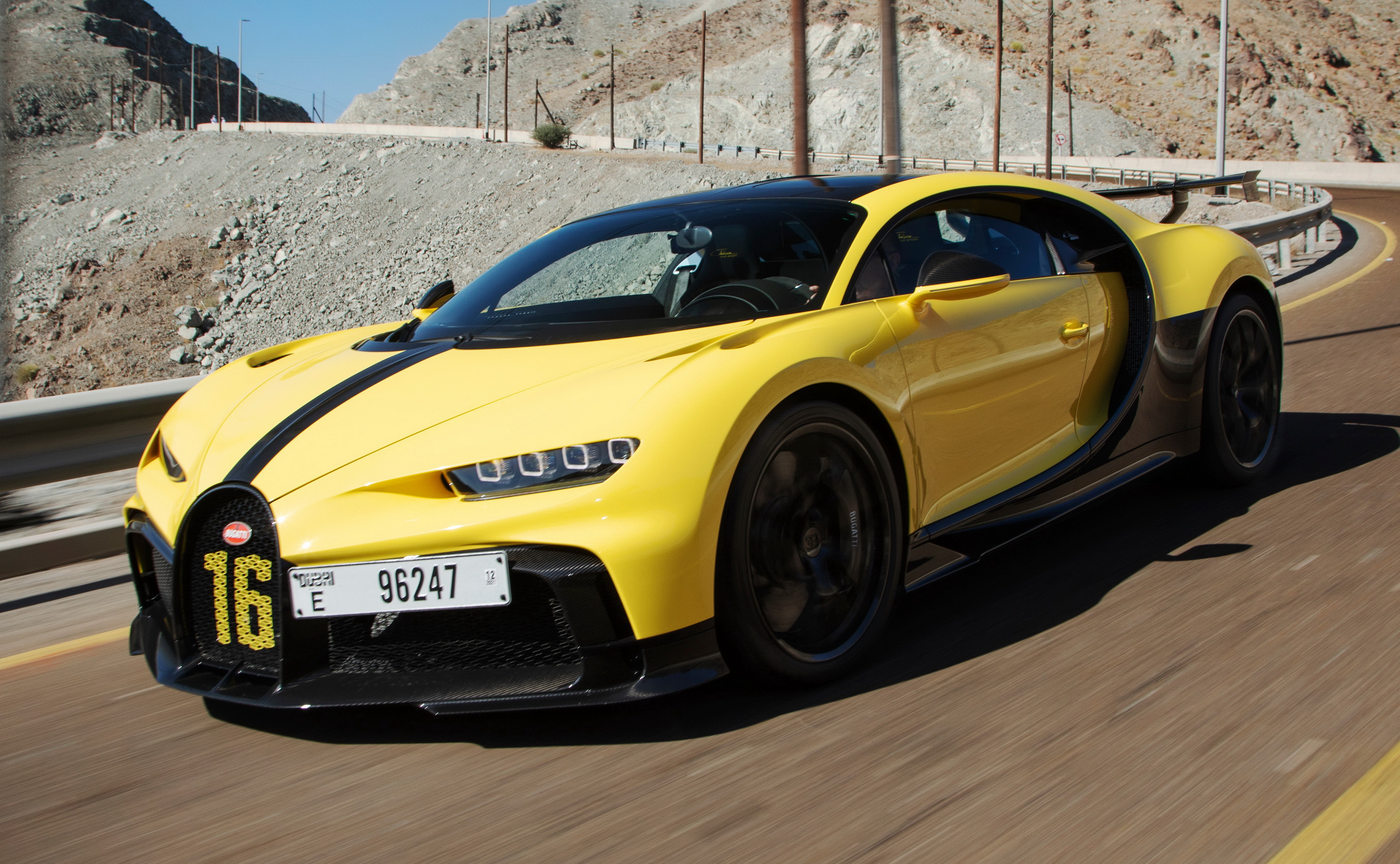
According to Rimac, repairs that fall short of factory standards pose serious risks to both current and future owners, which is why Bugatti refuses to endorse them. The CEO described the Chiron as a “very valuable asset” that demands exceptional care due to its engineering complexity, adding that Bugatti wants its cars to still be on the road 50 or even 100 years from now.
More: Koenigsegg Publicly Calls Out Buyer After Explosive Feud Over $2M Regera
Bugatti reportedly made what Rimac called a “fair offer” to carry out the repairs, but Gonzalez declined. The CEO speculated that this choice was driven by clicks. Still, he said the door remains open if the owner has a change of heart. Based on Armstrong’s own comments, he seems to recognize just how difficult the project will be, and that some help from Bugatti wouldn’t hurt.
With any luck, both sides will find a way forward that preserves the car’s integrity without compromising its future. The Chiron Pur Sport is too important, and too complex, to become a cautionary tale on wheels.