










- Modern cars cost much more to repair even for trivial damage.
- Tech like sensors and cameras drives up parts and labour costs.
- Germany’s ADAC calls for more repair-friendly vehicle designs.
Remember when tiny parking bumps were never a big deal, and often no deal at all? After seeing how a relatively minor incident left a $100,000 Rivian R1S owner staring at an unbelievable $54,000 repair bill yesterday, it’s clear those days are gone. Today, the same kind of low-speed shunt can easily land you with a big repair bill, and a European study has dug into the sometimes shocking numbers.
According to Germany’s Allgemeiner Deutscher Automobil-Club (ADAC), Europe’s biggest automobile association, the steep rise in repair costs is not just due to inevitable inflation and higher labour rates. The real culprit is the heavy dose of tech stuffed into modern cars.
More: Before You Buy A Used Luxury Car, Read This Volvo Owner’s Bill
Highly sensitive sensors and cameras, along with modular parts that can’t easily be repaired piecemeal, are making even trivial repairs painfully expensive.
The High Cost Of Minor Impacts
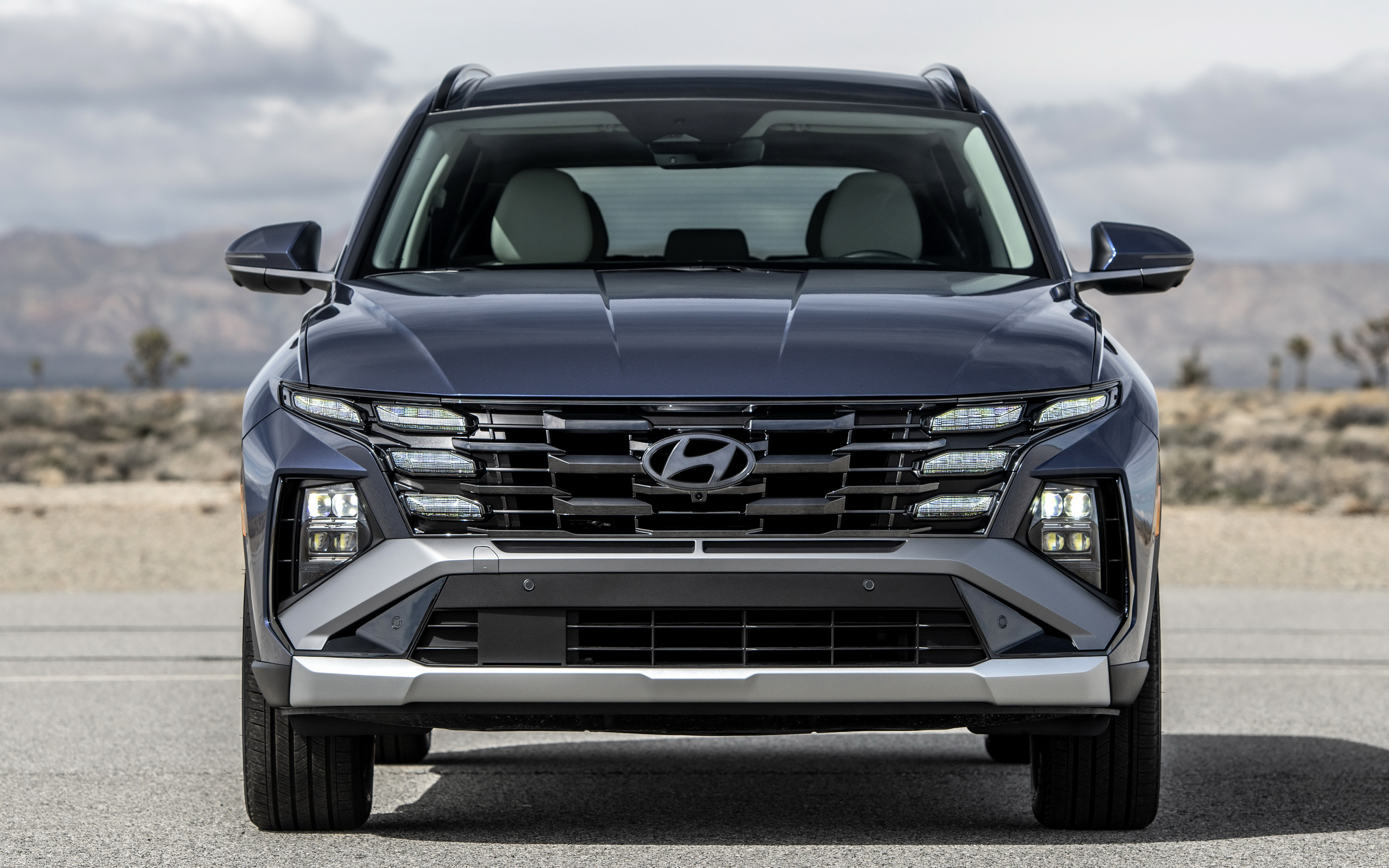
Consider something as seemingly simple as swapping a windshield. In the past, a stone chip might have meant you having a quick coffee while you wait for the technicians to pull the busted glass and slot a new screen in its place.
Today, the repair shop often has to take out and recalibrate cameras for lane assist and automatic headlight systems. What was once a couple of hundred euros (or dollars) can now easily top €1,000 ($1,190) and in some models hit well over €2,000 ($2,370).
$9k For A Headlight
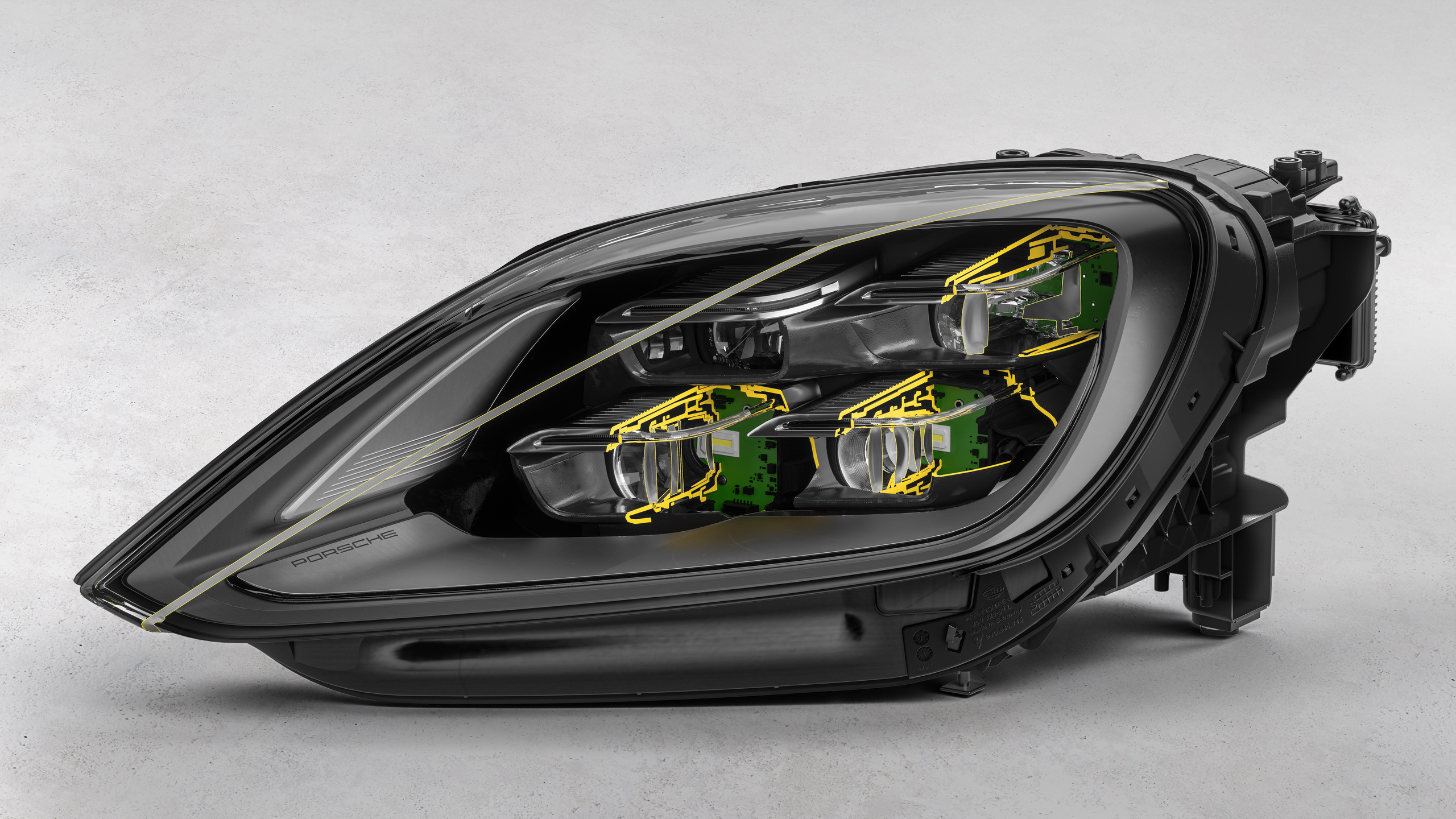
The same story plays out with bumpers and headlights. For a light front-end impact that damages a headlight and bumper, ADAC found bills ranging from just over €3,000 ($3,600) to nearly €7,800 ($9,300) depending on model and part complexity.
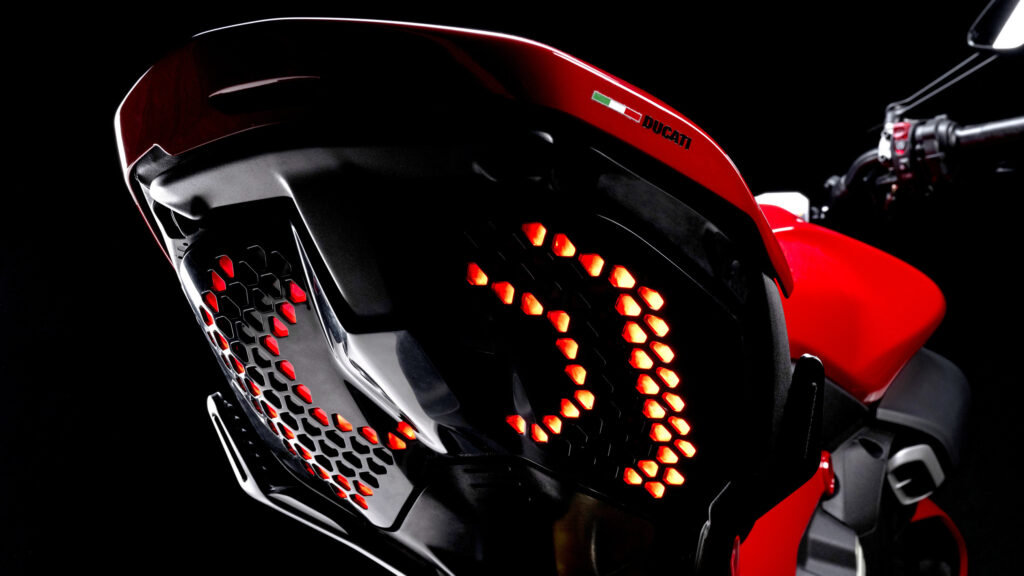
Laser and matrix headlights, fancy driver assistance sensors, and tightly integrated bodywork make it almost impossible to replace a single component without triggering a cascade of costs.
Also: Can You Believe This Rivian R1T Damage Repair Cost $21,000?
Take the laser units fitted to a BMW 330e. As a spare part, they cost roughly €3,300 ($3,920), which can easily nudge a routine front-end repair toward €8,000 ($9,500). Even BMW has since stepped back from laser headlights, acknowledging that their real-world benefit is limited compared to the repair expense they bring.
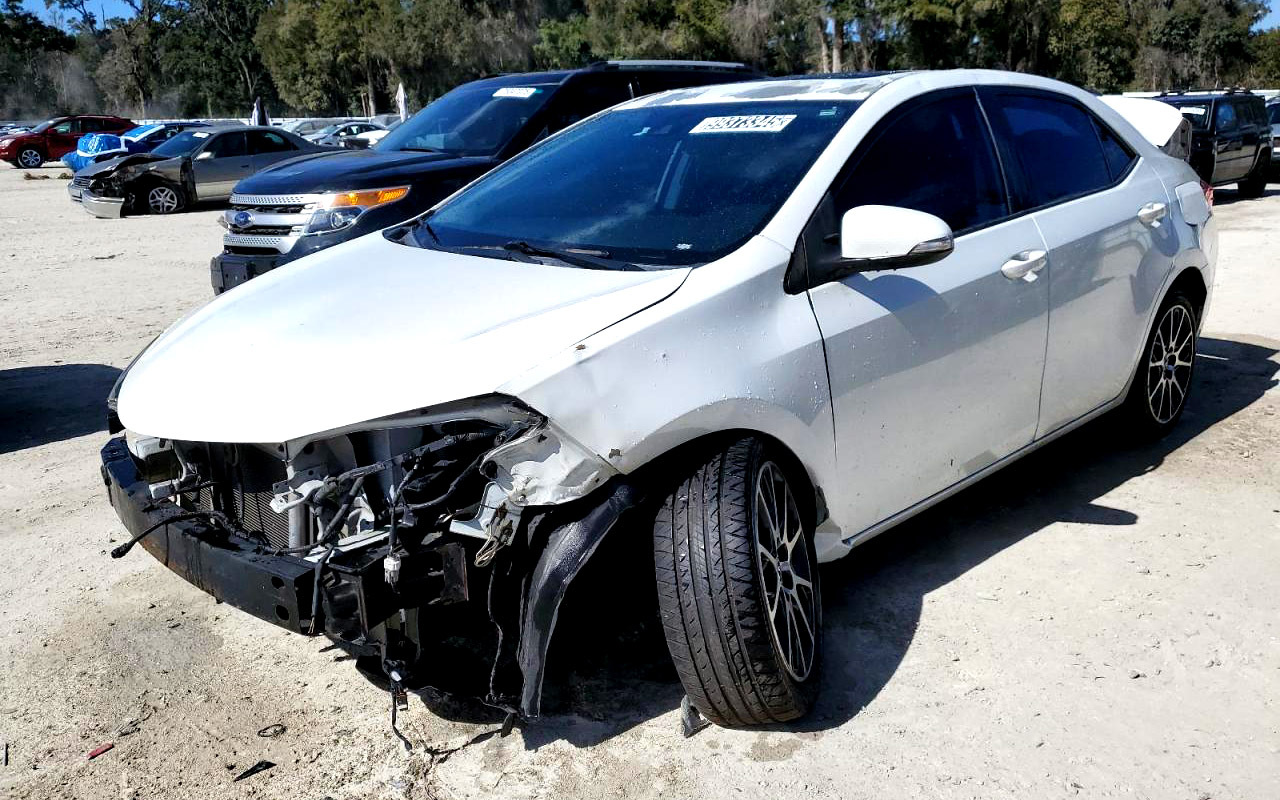
And even when two cars come off the same production line, prices can differ wildly because manufacturers price parts differently or insist on full assembly replacement rather than a simple repair. In one comparison, a Suzuki Swace, a rebadged Corolla wagon, carried a windshield price more than €500 ($590) higher than a Toyota Corolla’s, even though the cars and the glass are identical.
It’s not just about outlandish parts pricing. Many manufacturers forbid post-repair painting in certain areas because it could allegedly affect sensor function, forcing whole part swaps instead of affordable paint jobs. Critics argue some of this attitude is rooted more in protecting parts revenue than safety.
Insurance Ripple Effects
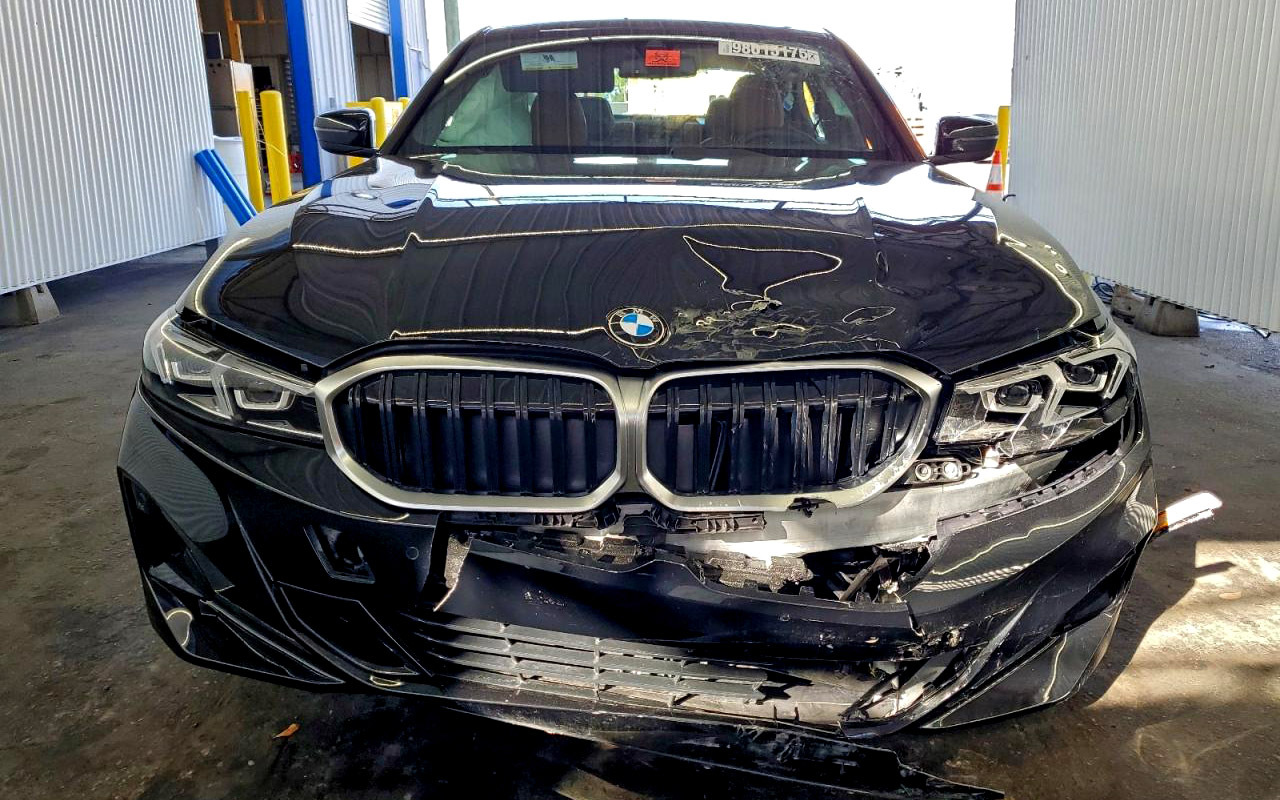
The knock-on effect extends beyond the workshop. According to insurance comparison data cited in the ADAC study, premiums for new customers in Germany rose by 16 percent over a 12-month period between 2024 and 2025 alone. Over the past three years, average premiums have climbed by roughly 50 percent. When even minor bumps generate major bills, insurers adjust accordingly, and drivers pick up the tab.
Older vehicles are particularly vulnerable. A relatively small accident can now push repair costs high enough to declare a total loss, even when the car itself might otherwise have years of life left.
Considerate Design
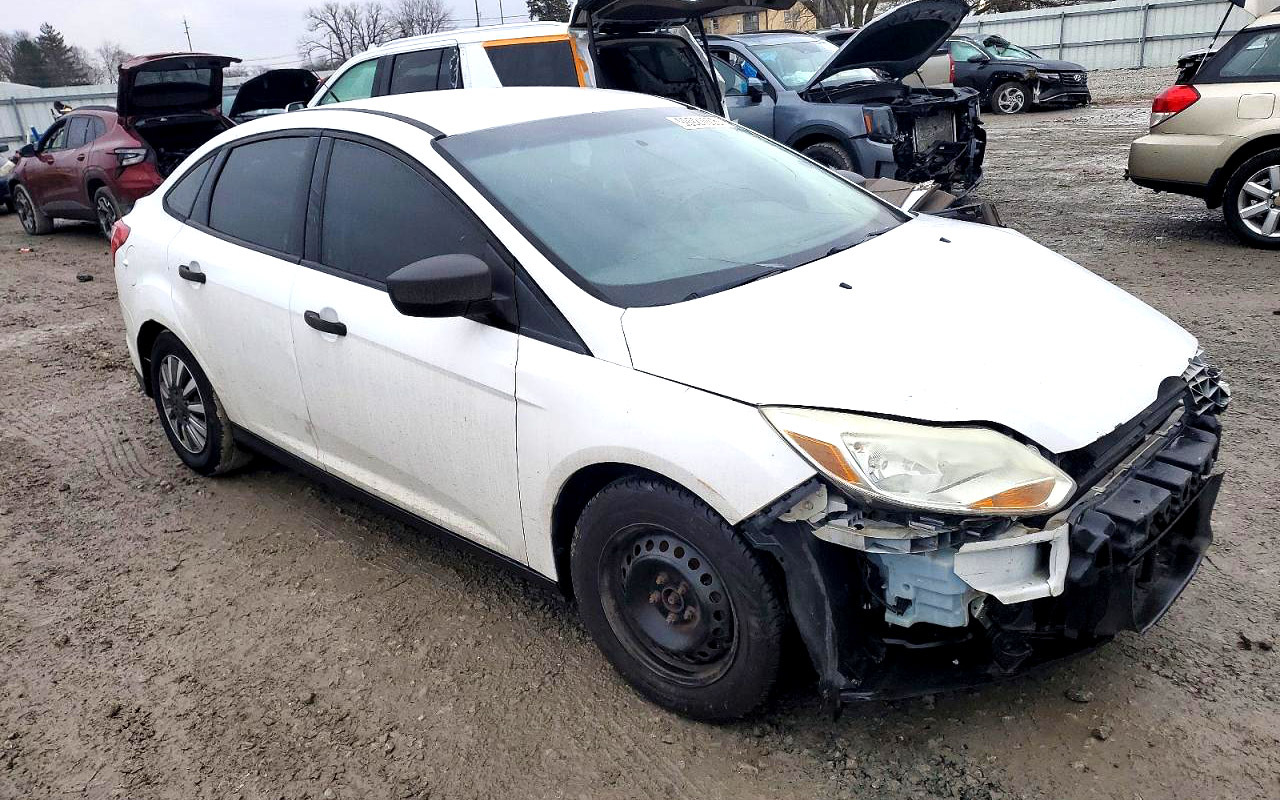
ADAC is calling for automakers to stop adding expensive unnecessary tech to new vehicles, and to design them so they are robust and repair-friendly with replaceable components that don’t require you to take out a personal loan to fix a tiny ding.
Related: Why 1 In 4 Cars Is Totaled After A Crash Now
The organization is also urging manufacturers to rethink so-called “prestige technologies” such as laser headlights, camera-based exterior mirrors, or electrically extending door handles, arguing that they add little everyday benefit while dramatically increasing purchase and repair costs.
More fundamentally, ADAC wants complex systems designed so individual modules can be replaced separately instead of forcing full-assembly swaps. In other words, build cars that can actually be repaired rather than replaced piece by piece.
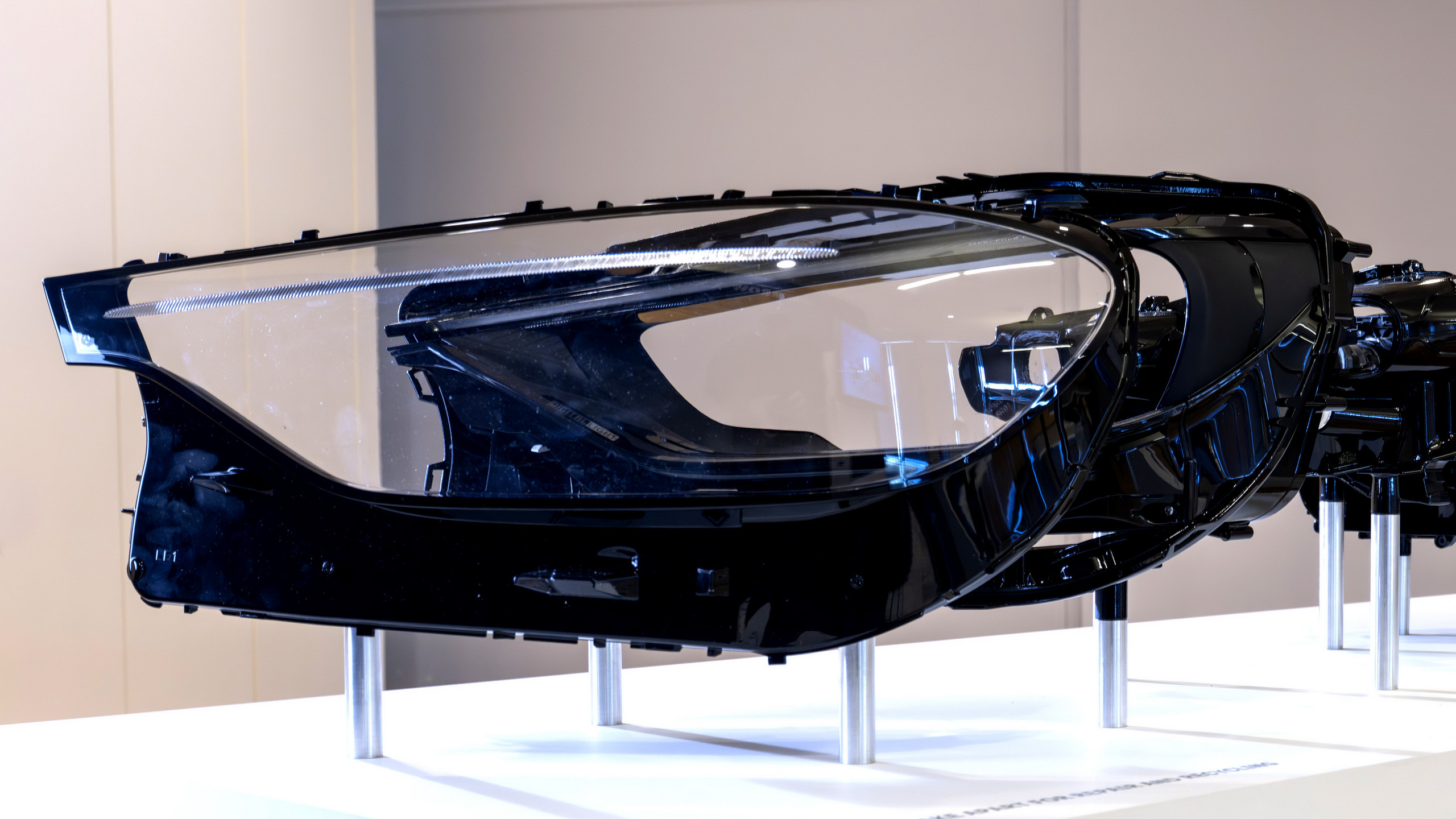
Mercedes’ new swappable headlamp lenses, which appear to debut on the new S-Class and replace glue with screws, offer a practical example of progress in this area. Instead of forcing replacement of an entire adaptive LED assembly, a damaged lens can simply be unscrewed and changed on its own. Until every other brand adopts the same mindset, you should be careful how you park.
A Snapshot Of Real World Repair Bills
The table below from ADAC’s study shows three kinds of common repairs on different vehicles. The first is a windshield swap, the second a fix for minor front-end damage that requires a new headlight and bumper, and the third is a rear fender-bender, again needing a new bumper, but not light unit.
The prices include parts, labor, painting where required, incidental costs, small parts allowances, and 19 percent VAT, meaning these totals reflect what owners would actually pay.