- EV owner satisfaction has reached an all-time high.
- Best models come from Tesla, BMW, and Cadillac.
- Most EV owners would consider getting another one.
Electric vehicles have come a long way in the past few years, and the progress is finally showing up where it matters most: in owner satisfaction. According to the latest data, these steady gains in technology and infrastructure are translating into record-high approval from drivers.
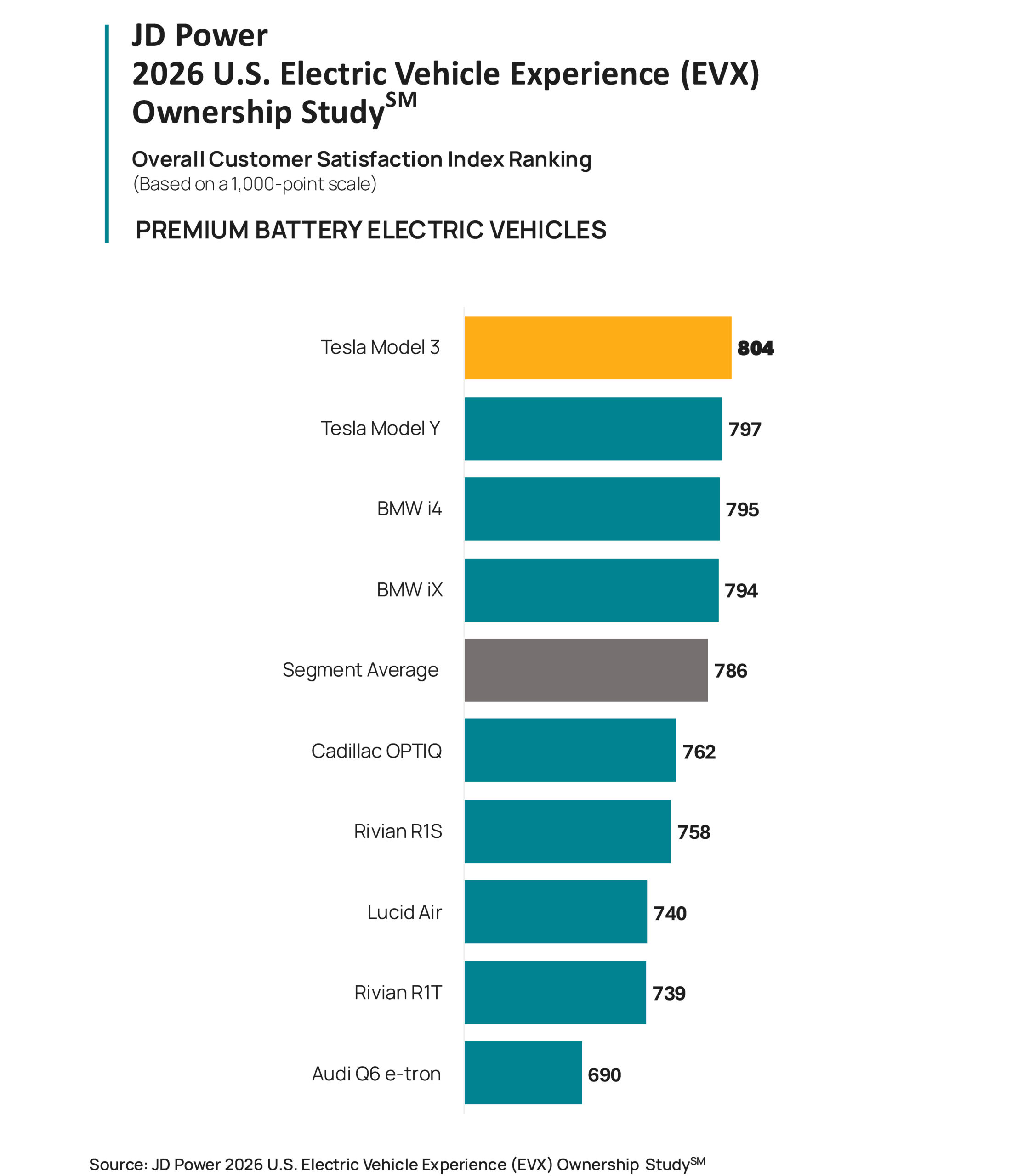
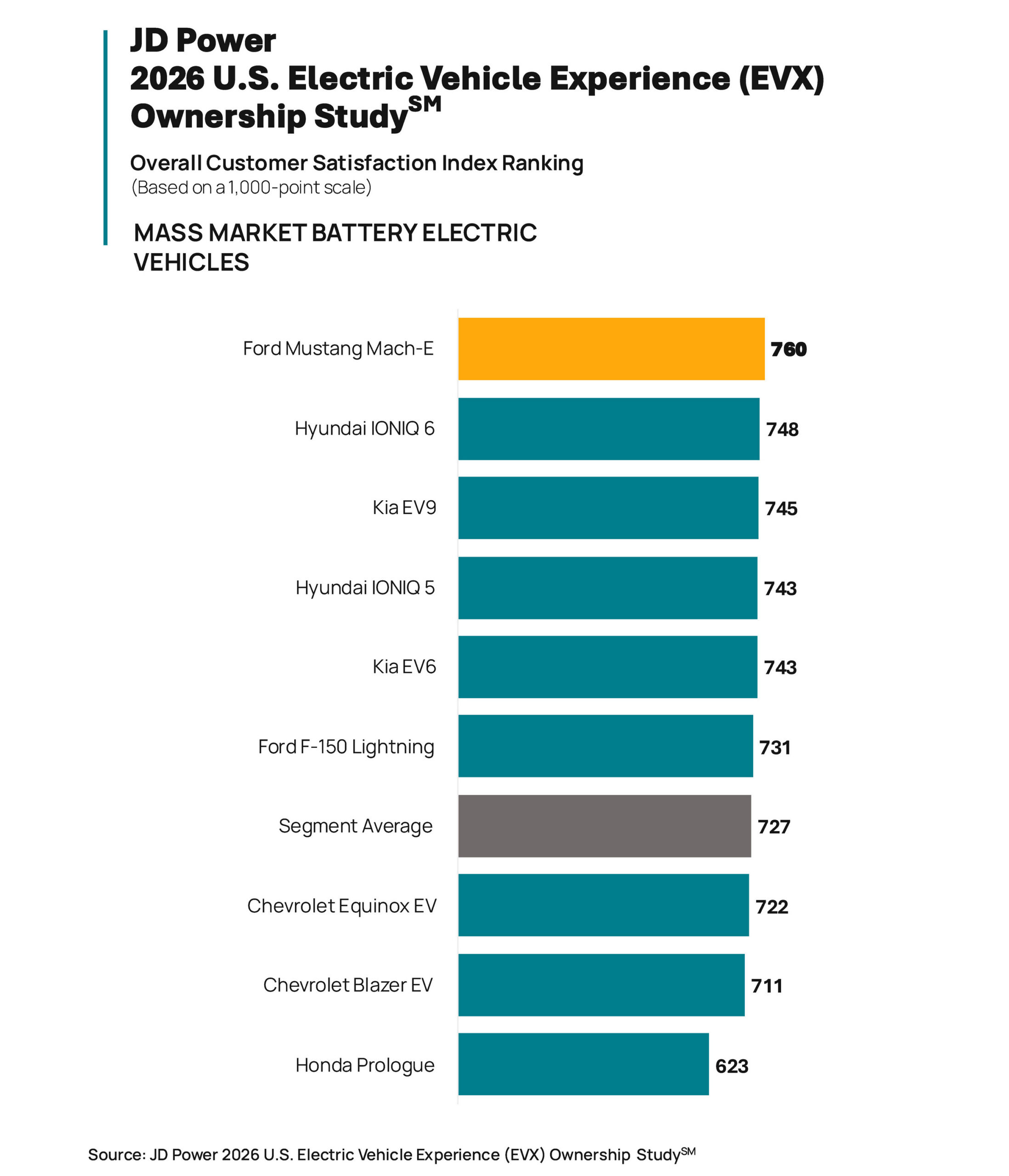
That’s the verdict from JD Power’s 2026 U.S. Electric Vehicle Experience Ownership Study, which found premium EV satisfaction climbed from 756 points last year to 789 in 2026. Mainstream EVs also improved two points to hit 727 out of 1,000.
More: A Third of Americans Are Priced Out Of New Cars, And It’s Getting Worse
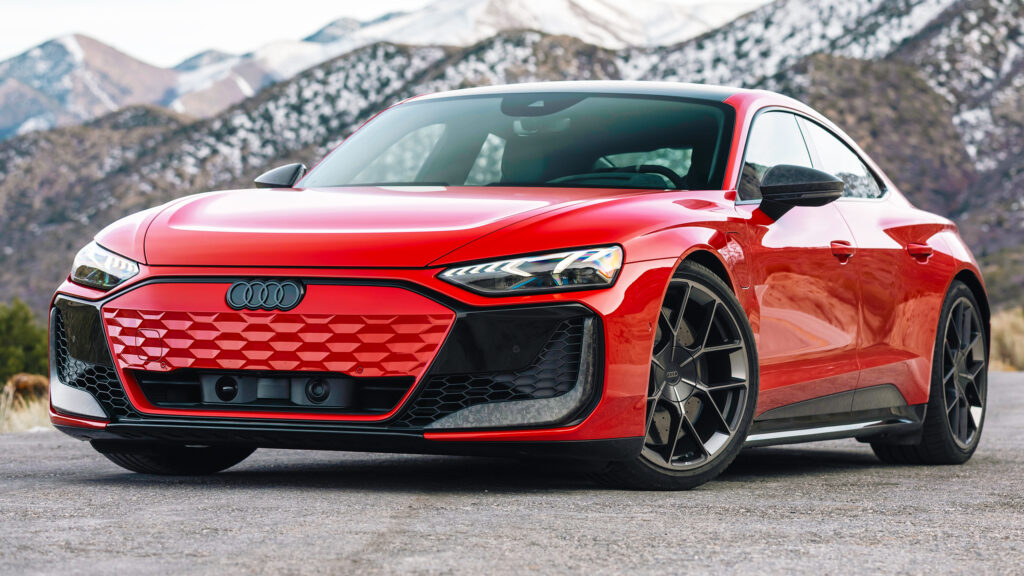
The highest rated premium EVs were the Tesla Model 3 (804), Tesla Model Y (797), and BMW i4 (795). On the flip side, the new Audi Q6 e-tron came in dead last at 690. It placed well below the Lucid Air (740) and Rivian R1T (739).
Segment Standouts And Stragglers
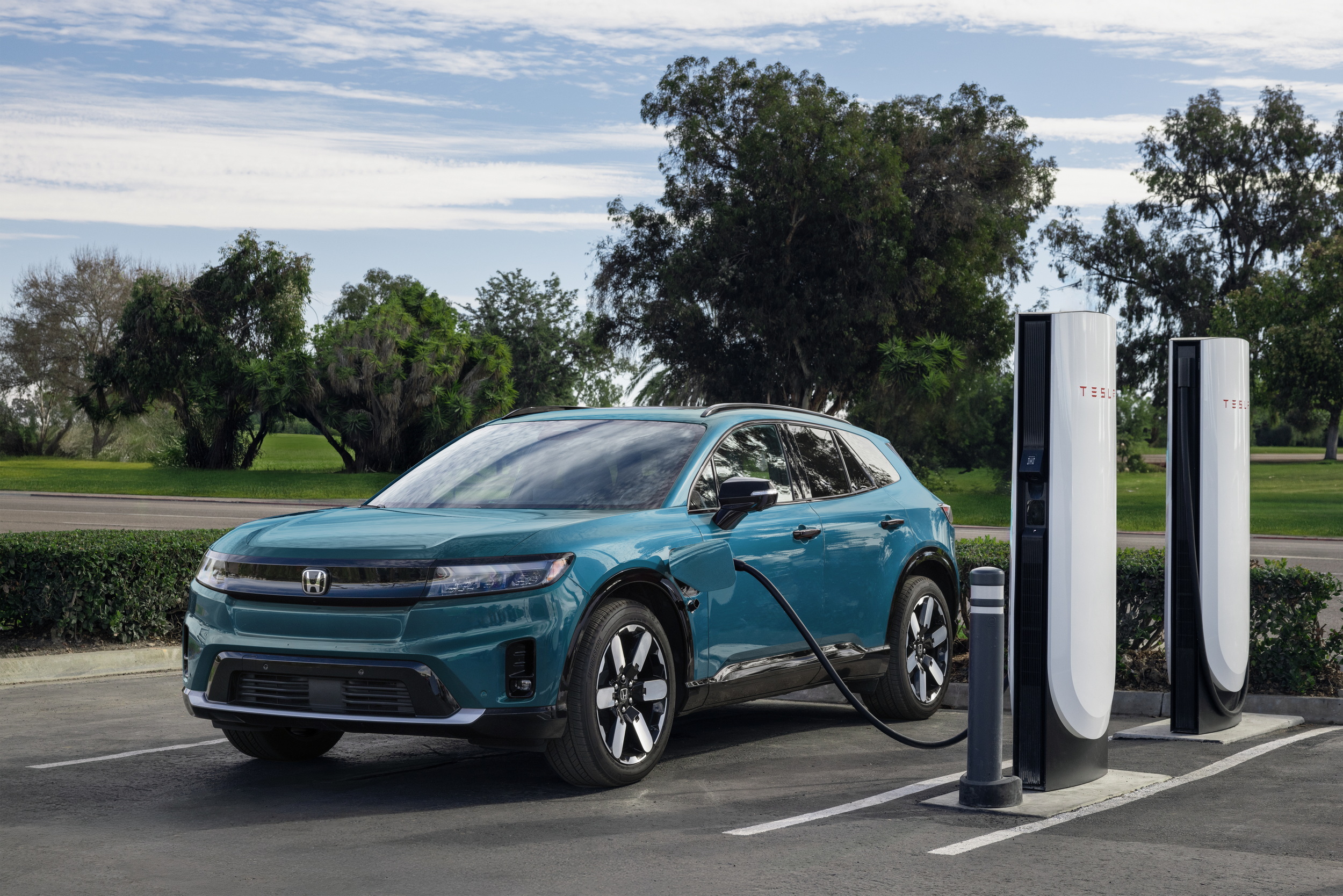
On the mass market side of the equation, the Ford Mustang Mach-E took top honors with a score of 760. The electric pony car was followed by the Hyundai Ioniq 6 (748) and Kia EV9 (745). Interestingly, the two lowest rated EVs were the Chevrolet Blazer EV (711) and Honda Prologue (623). That’s a huge point spread considering both models are built by GM and have a lot in common.
Of course, things aren’t completely straightforward as the study examined ten different factors. This includes the “accuracy of stated battery range, availability of public charging stations, battery range, cost of ownership, driving enjoyment, ease of charging at home, interior and exterior styling, safety and technology features, service experience, and vehicle quality and reliability.”
Encouragingly, 96 percent of EV owners said they would consider buying or leasing another one and the study also found quality has improved. That’s especially true of premium EVs, which had 15.9 fewer problems per 100 vehicles compared to last year. This brought the total down to 75 and JD Power said this was driven by noise improvements as well as fewer problems with driver assistance technology.
Is Charging Still A Concern?
The study also found that EV drivers are becoming more satisfied with public charging. Scores climbed by over 100 points and this is being attributed to growing charging infrastructure as well as the opening of Tesla’s Supercharger network to other automakers.
Last but not least, EV drivers are more satisfied than those with plug-in hybrids. Premium EVs scored 114 points higher than their PHEV rivals, while mainstream electric vehicles had a 117 point advantage. Part of this can be chalked up to the cost of ownership as plug-in hybrid drivers have to deal with a more complex powertrain that involves gas and electricity.
In a statement, JD Power’s Brent Gruber said “Improvements in battery technology, charging infrastructure and overall vehicle performance have driven customer satisfaction to its highest level ever. What’s more, the vast majority of current EV owners say they will consider purchasing another EV for their next vehicle, regardless of whether they benefited from the now-expired federal tax credit.”