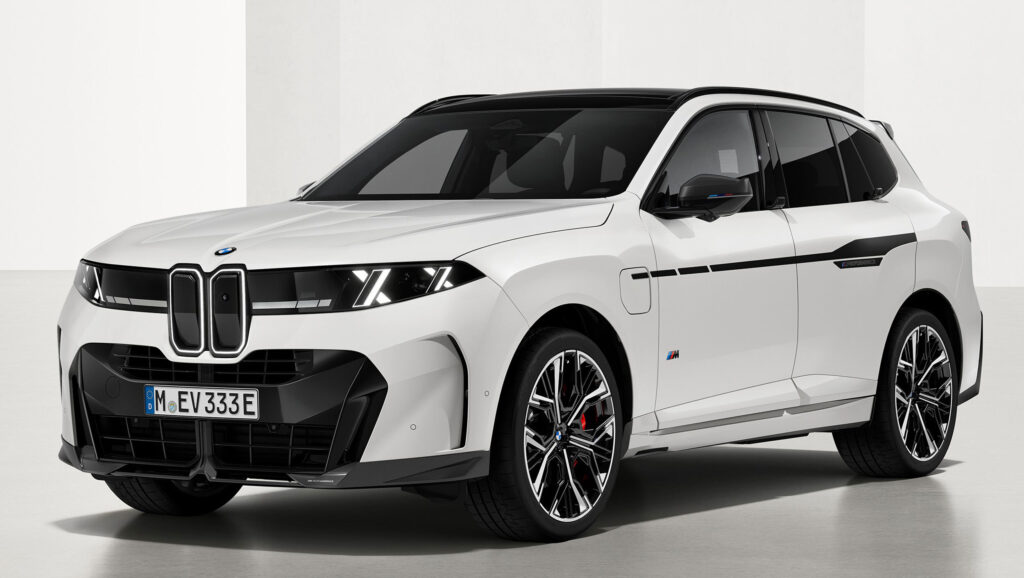



- BMW confirms V8 and inline-six engines will survive Euro 7 emissions rules.
- Power decreases are possible, but performance models aren’t going away yet.
- M boss says brand will keep combustion engines as long as there’s demand.
There’s little question that shifting industry sands are threatening the greatest combustion engines. For BMW, that could mean an ignominious end to their V8s and legendary inline-sixes. A new report indicates that they’re both sticking around, even if their output might drop.
According to BMW M boss Frank van Meel, the brand is actively updating both its V8 and 6-cylinder engines to meet new Euro 7 regulations, allowing them to remain in production for the foreseeable future. Speaking to Australian media, van Meel confirmed that BMW has no intention of abandoning combustion performance, and that it remains a core part of M’s long-term plans.
More: BMW Isn’t Killing V8s, And Its Coupes Aren’t Going Away
“We said we don’t want to give up the combustion engine, so we’re currently bringing our six-cylinder inline engine and the V8 to Euro 7 standards, and that will happen this year,” he said to Drive.
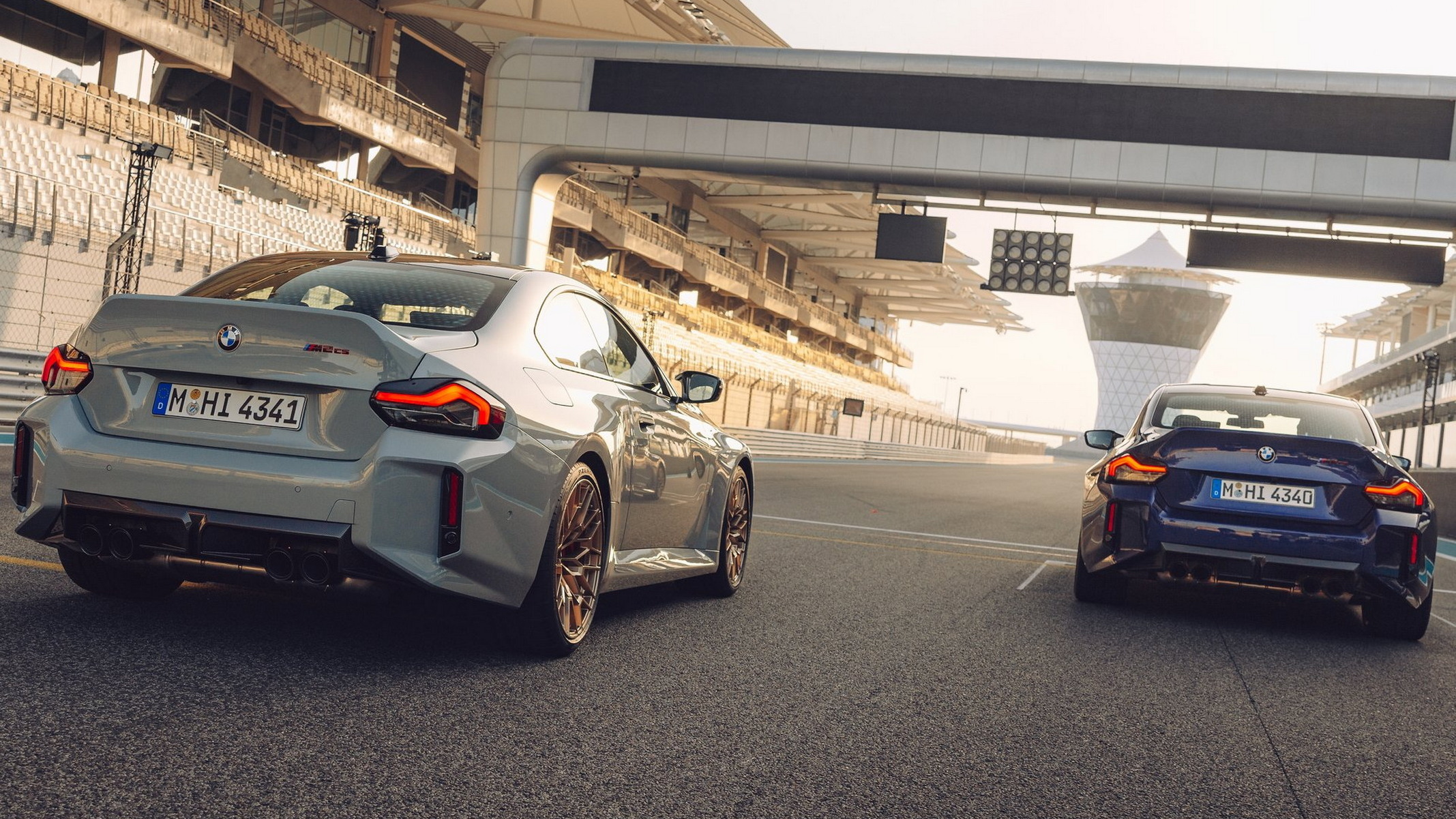
BMW’s current performance lineup relies heavily on two engines: the N63-based 4.4-liter twin-turbo V8 and the B58 and S58 3.0-liter turbocharged inline-six. The V8 is offered in models like the M5, X5 M, X6 M, X7 M60i, and M8, while the six-cylinder sits at the heart of cars like the M240i and the M3 CS.
Keeping those engines alive under Euro 7 isn’t easy, though. The latest M5 already gives us a glimpse into the future. Its V8 output dropped from 576 hp (430 kW) to 536 hp (400 kW) as part of the transition to a plug-in hybrid setup designed to meet stricter emissions limits, though thanks to software adjustments to the electric drive unit, combined power remains at 717 hp.
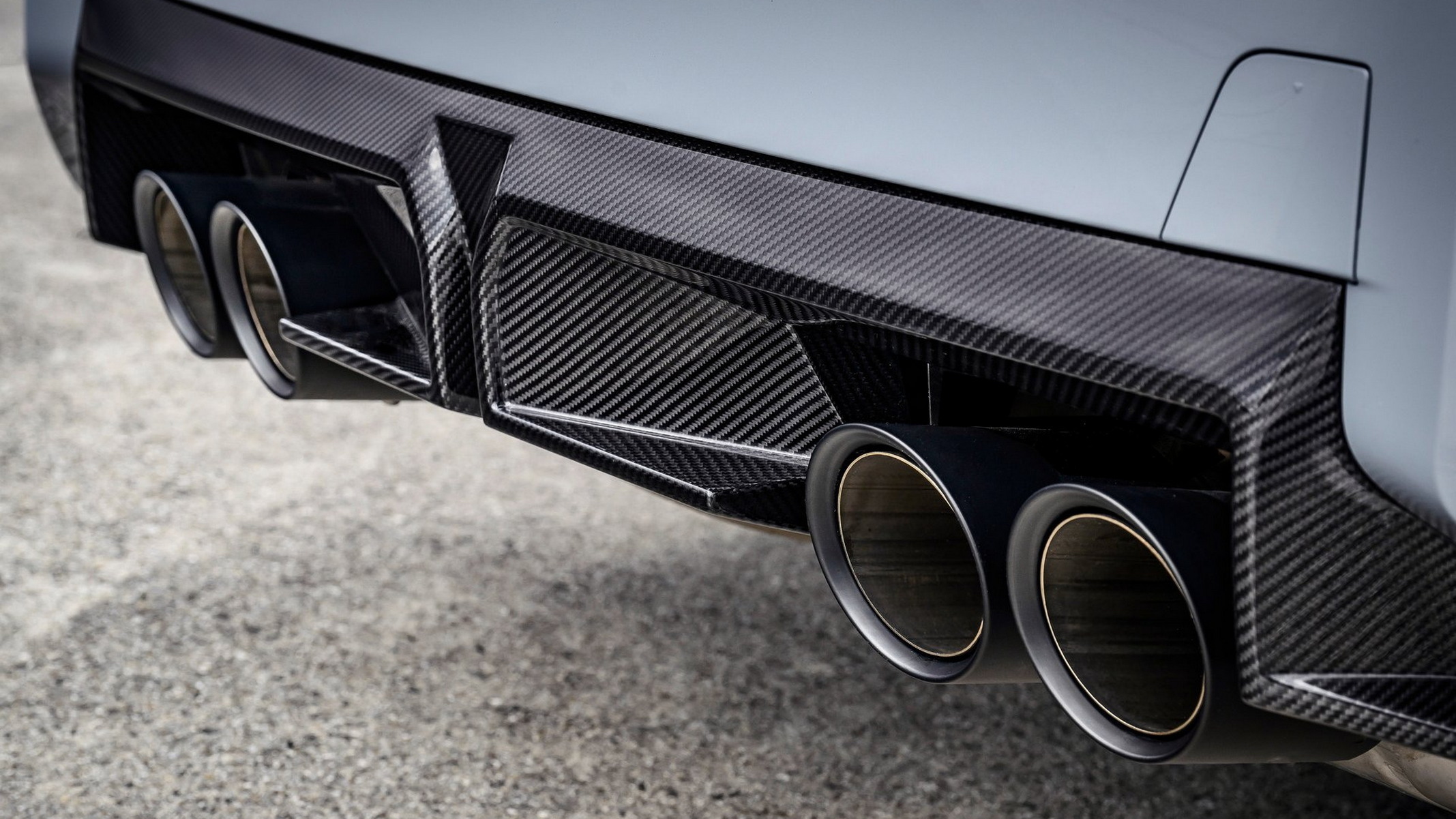
Similar detuning could happen to the inline-six, which currently makes up to 543 hp (405 kW) in the M3 CS and M4 CS. Van Meel says the company’s strategy is to follow customer demand rather than force a single solution, which is why future models, like the next M3, will likely show up with both electric and gas powertrains.
“As long as there is demand from the markets, which currently there is a lot, we will keep building petrol cars,” he said. “Of course, if there is no demand, because everyone falls in love with the electric one or the other way around, we will see. That’s the direction we’re going to follow. think the split strategy is always right because it answers, it gives the answers to the demands of our customers, and you always have to listen to your customers.”
“The good news is we have both directions, so we, we don’t, we don’t have the need to decide right now. It can just go on like this and have a broad portfolio and the right offer for everyone,” Meel added.
That’s probably the biggest takeaway here. BMW appears to have learned a lot over the past half-decade, and it’s now listening to customer demand, even if that might mean fewer horses to play with.