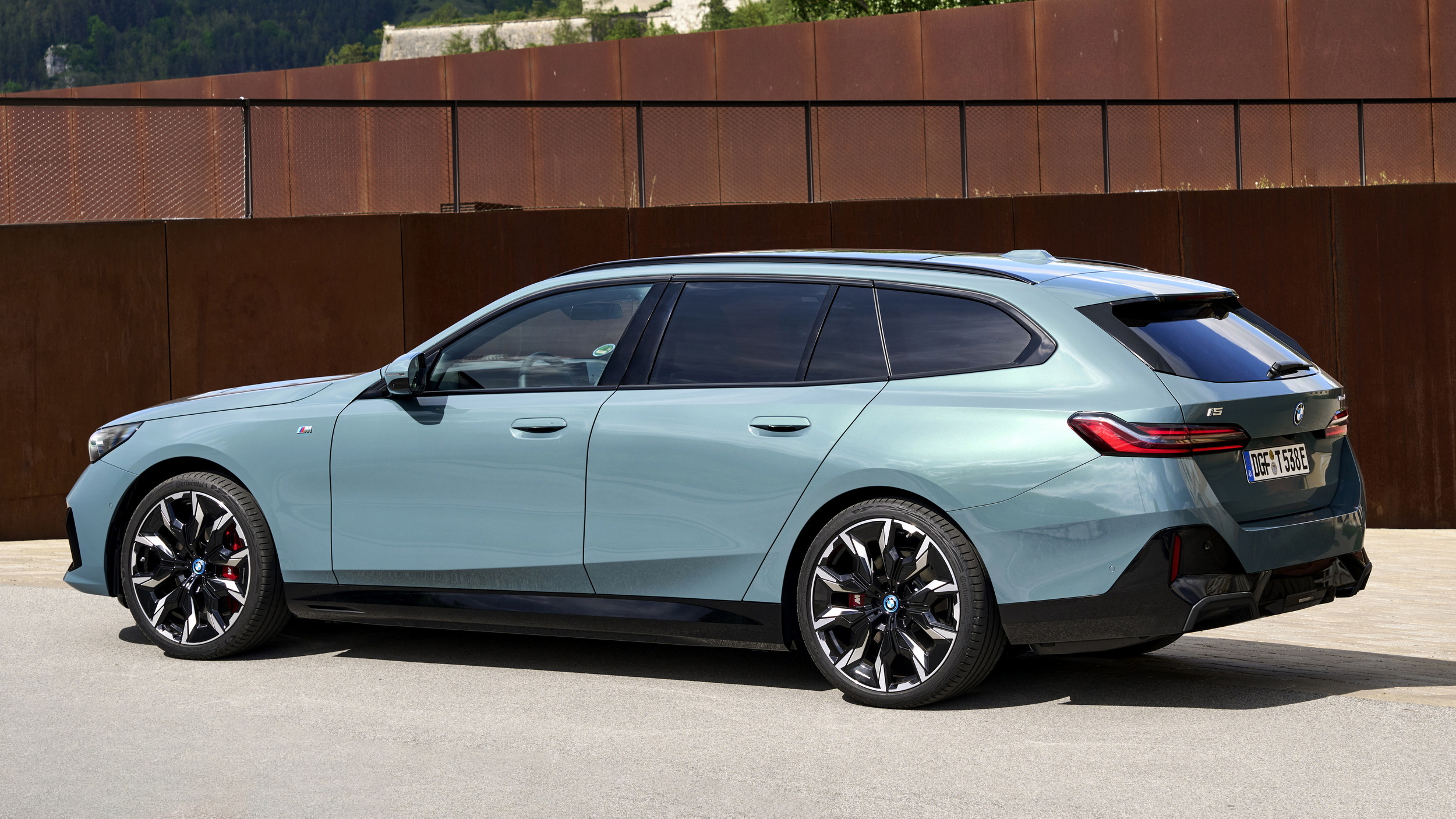
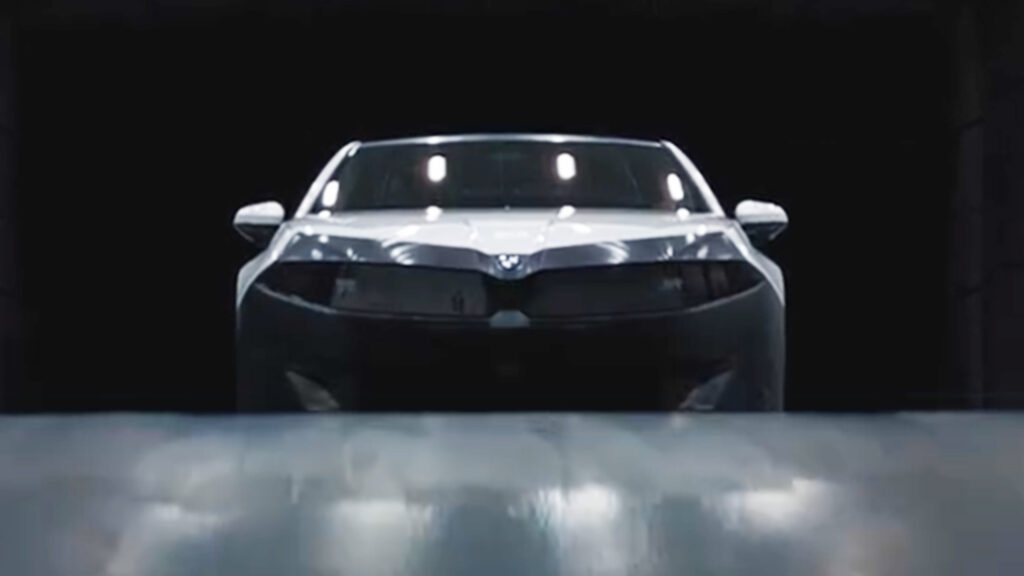
- The i5 will shift onto the Neue Klasse platform next generation.
- That move will clearly set it apart from the ICE 5-Series sibling.
- Before that, the current 5 and i5 will receive a Neue Klasse facelift.
BMW may have taken a one-size-fits-all approach with the current i5 and 5-Series, but that strategy is already on borrowed time. Looking ahead, the next generation is expected to split the two paths entirely, following the template set by the newer i3 / 3-Series and iX3 / X3, where each powertrain gets its own dedicated platform.
The transition is already underway. BMW has begun rolling out its Neue Klasse era with the all-electric iX3 SUV, and the i3 sedan close behind. It has also officially confirmed that Neue Klasse styling and technology will be applied to as many as 40 new and updated BMW models by 2027.
More: BMW Leak Reveals Two Very Different Futures For 2028 X5 And 7-Series Facelift
Joachim Post, BMW’s board member for R&D, explained the company’s thinking in a conversation with Auto Express:
“When we as BMW develop a new technology, we’re making 2.5 million cars a year in a lot of derivatives. What is always important for us is to scale. We are a global player, and we must scale our technology into the whole fleet to get that economy of scale. That gives you a feeling that once we do things, we don’t do it for just one car,” he told the magazine.
Neue Klasse Platform Expansion
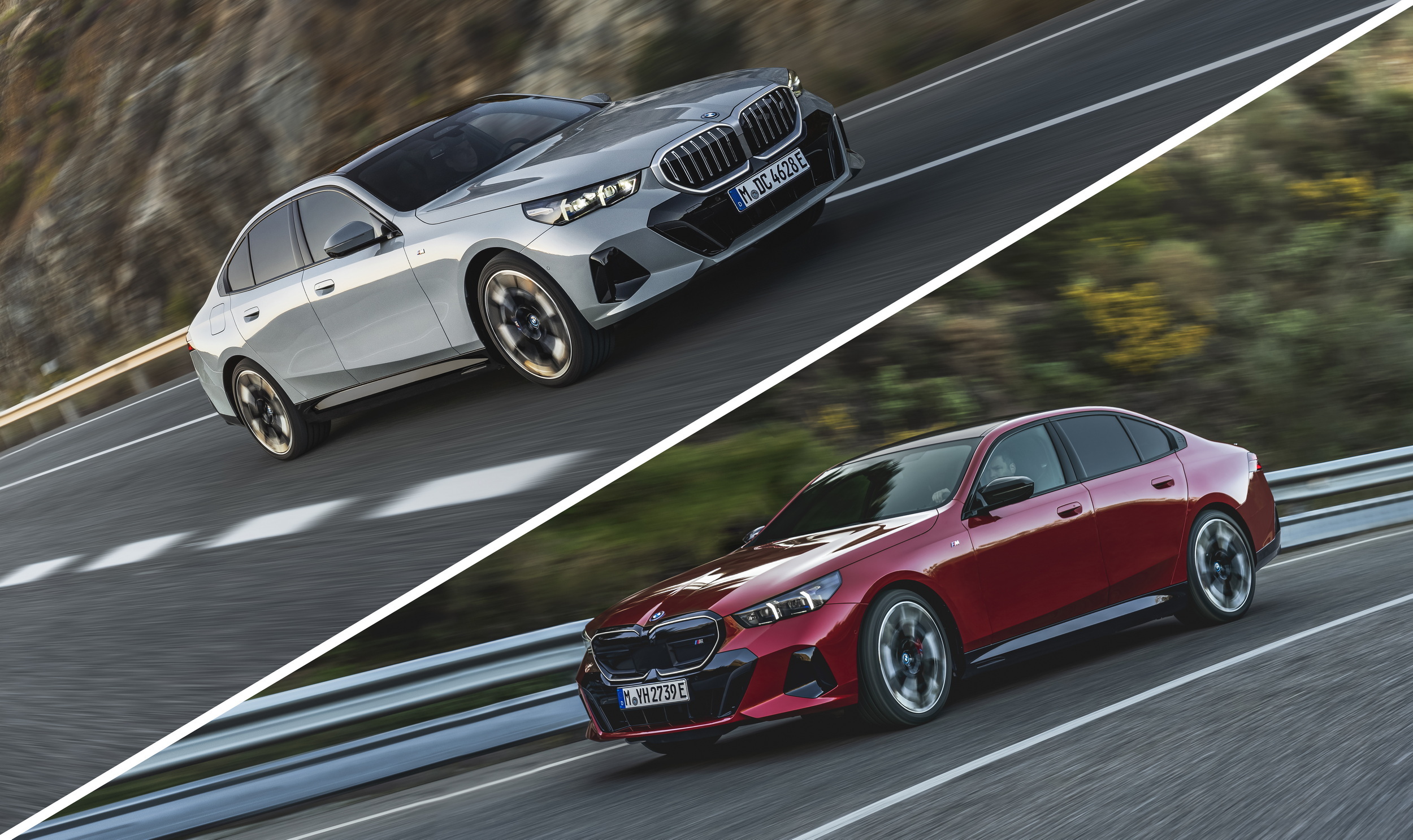
Beyond individual components such as electric motors, battery packs, infotainment systems, and ADAS, those comments extend to the EV-focused Neue Klasse architecture. Post suggested that the platform will eventually underpin larger models, including future iterations of the i5 and i7. That would clearly separate them from their combustion-powered 5-Series and 7-Series counterparts, which are expected to continue using the CLAR platform.
More: BMW’s Already Facelifting The Facelifted Neue Klasse 5-Series
The current 5-Series and i5 arrived in 2023 and are expected to receive a facelift in 2027. That timeline points to a full generational replacement toward the end of the decade. A similar pattern applies to the 7-Series and i7, which debuted in 2022 and are now approaching their own mid-cycle update with revised styling and technology.
EV Proportions Shift
By moving away from the constraints of platforms designed around inline-six engines and traditional transmissions, BMW designers gain significantly more flexibility. While a cohesive family identity will likely remain, dedicated EV models will inevitably feature different proportions and packaging compared to their ICE counterparts.
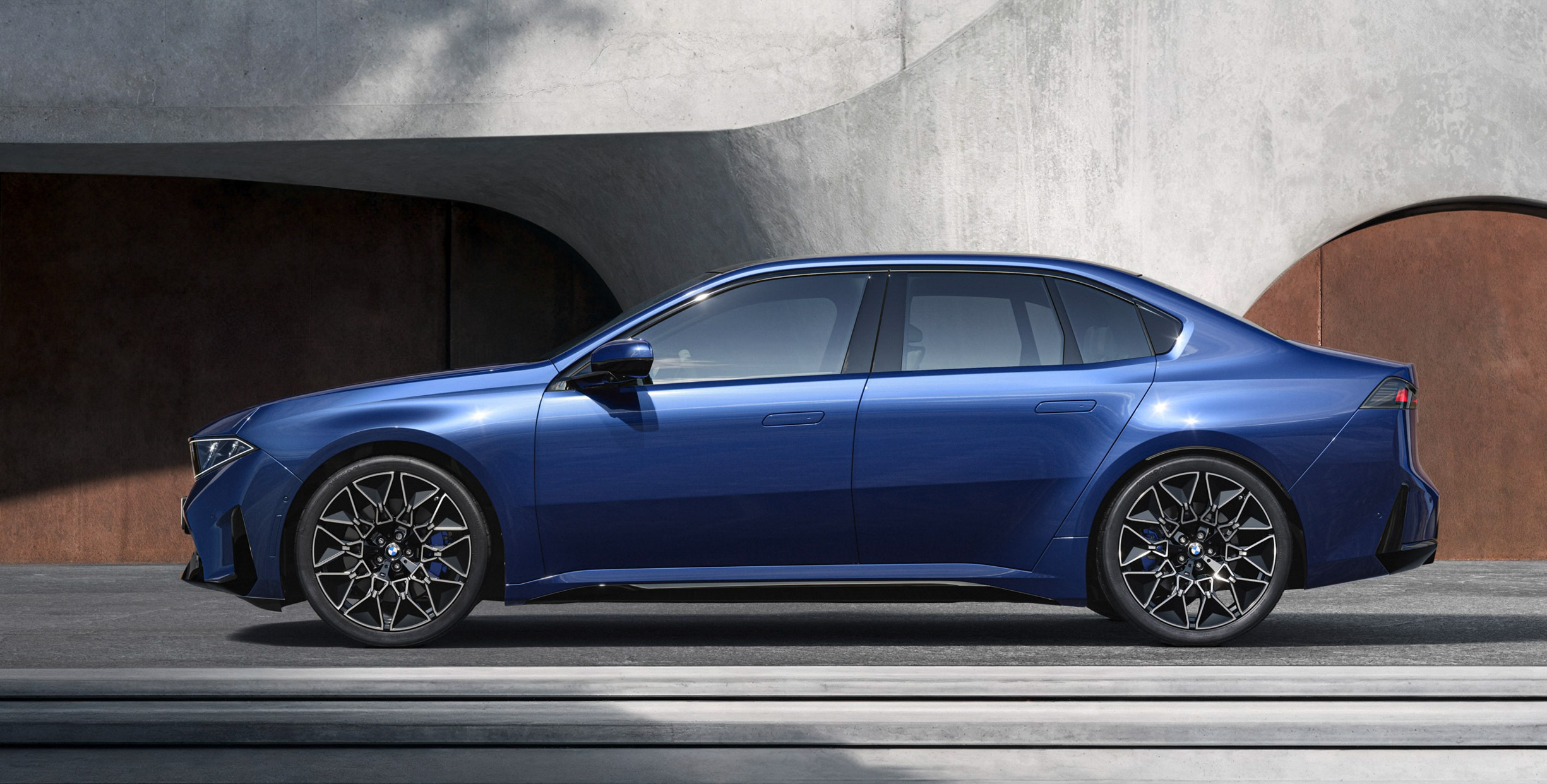
The first clear example will be the next 3-Series, expected to arrive as a heavily updated evolution of the current model. Spy shots already indicate a different dash-to-axle ratio compared to the i3 sedan, even though both share similar visual cues.
More: BMW’s New 3-Series Wagon Just Crashed The i3 Party
Similarly, shifting the next i5 and i7 onto dedicated EV platforms should bring shorter overhangs, longer wheelbases, and more cab-forward silhouettes. The focus here leans heavily toward interior space and aerodynamic efficiency.
BMW, however, appears keen to avoid the rounded, egg-like profiles seen on the Mercedes-Benz EQE and EQS, which struggled to win over buyers. Mercedes itself is now pivoting, with future EVs set to more closely resemble their combustion-engine equivalents.