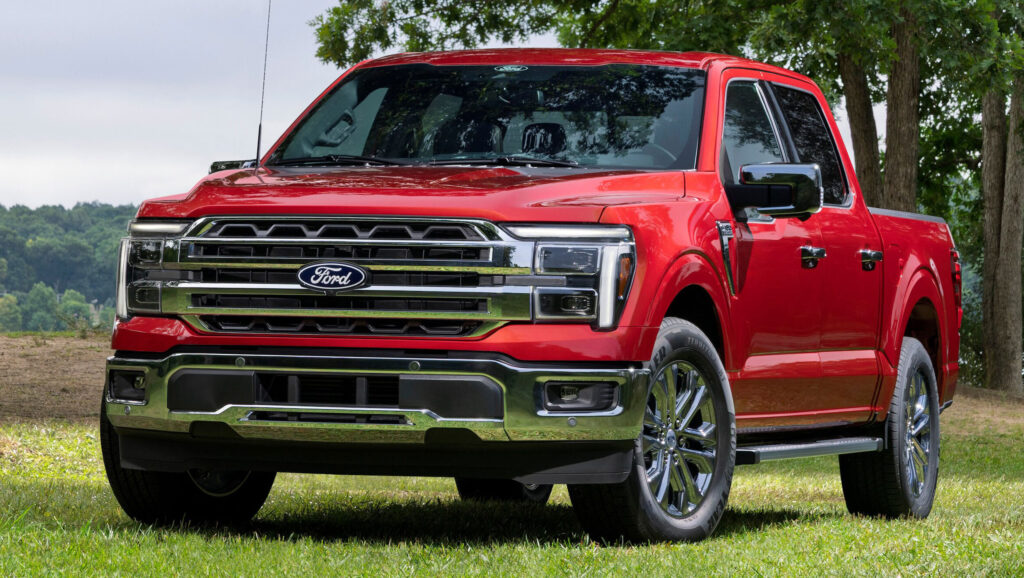



- Toyota, Kia, Mazda, and Lexus tighten restrictions on dealers working with brokers.
- New Jersey dealers risk fines, the loss of licenses, and costly contract repurchases.
- NJ Dealers are forbidden from working with brokers under a mostly ignored state law.
Car brokers have long operated in the shadows of the auto industry, quietly connecting buyers with dealers while collecting fees from both sides. Now, in New Jersey especially, the lights are suddenly very bright.
State regulators, automakers, and finance companies are all moving aggressively against brokered vehicle deals, be that leases or sales, warning dealers they could face steep penalties if they keep playing along. The pressure campaign has escalated quickly, and retailers are starting to realize this isn’t another politely worded compliance reminder.
Related: A Mitsubishi Dealer Sold 14 Cars For Up To $8,000 Below Invoice Just To Get Out
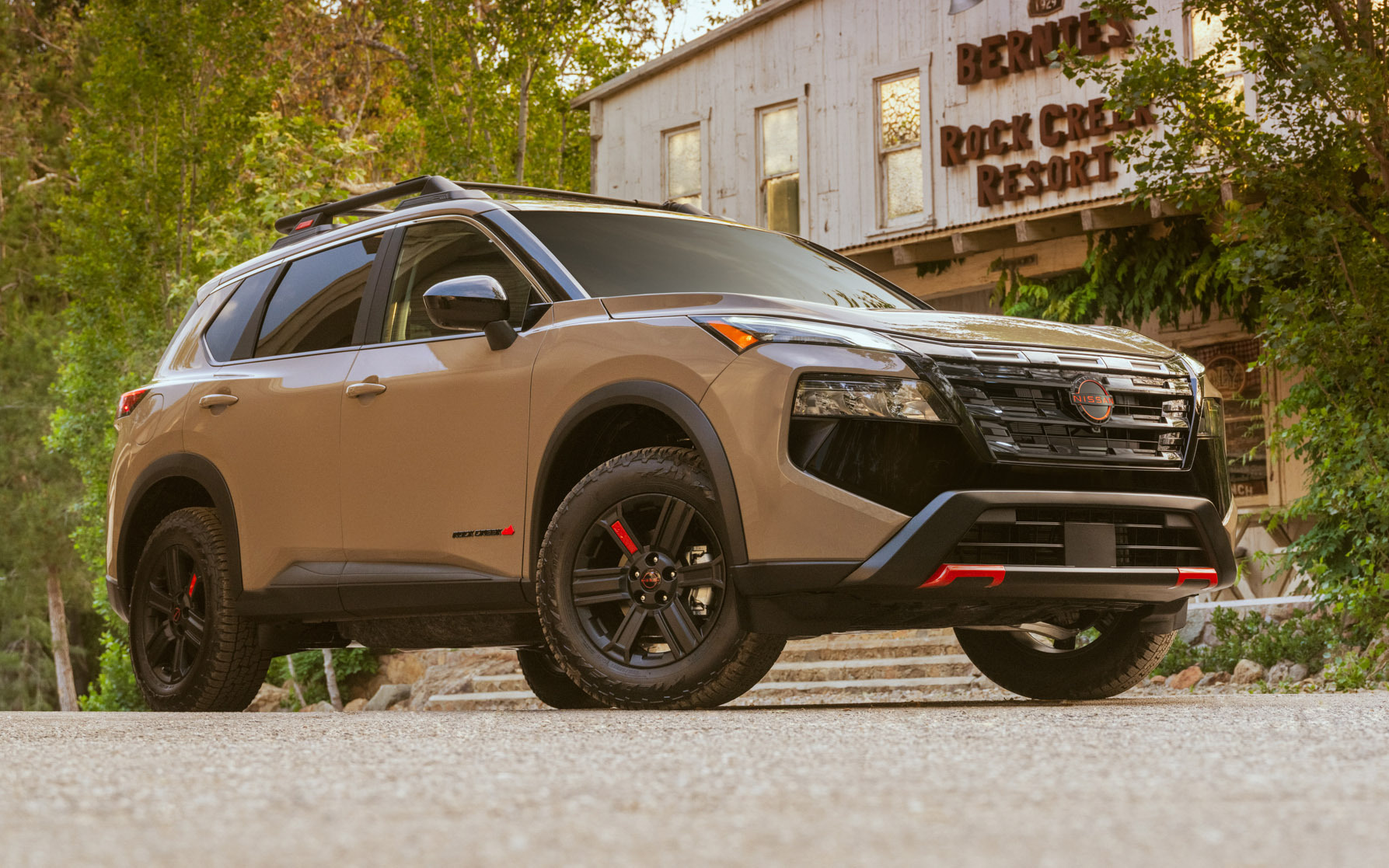
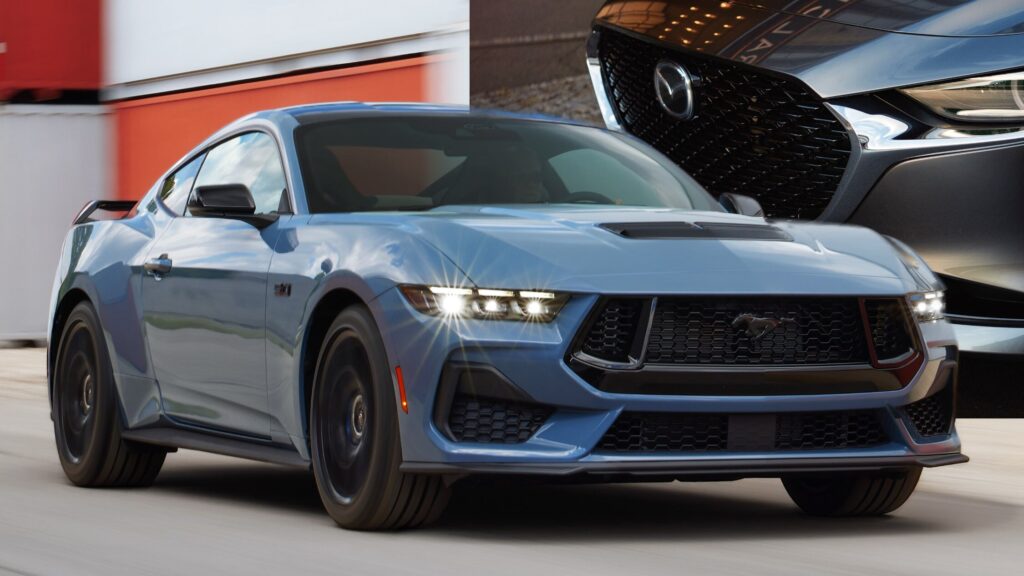
Toyota, Kia, Mazda, and Lexus have all recently circulated notices reinforcing restrictions on broker transactions, Auto News reports. Nissan has also joined the chorus, reminding dealers that brokered sales do not count toward factory allocations or sales goals and that dealers must accurately report sales types.
In some cases, the consequences are severe. Toyota Financial Services, Lexus Financial Services, and Mazda Financial Services say they simply won’t purchase lease or finance contracts tied to brokered deals originating in New Jersey. If one accidentally slips through, dealers could be forced to buy the contract back themselves. Some dealers could even have their own automaker agreements terminated.
That’s a serious financial risk in a market where broker activity has reportedly exploded. Some dealers claim brokers now influence a massive share of regional sales, especially across the Northeast. One New Jersey dealer acknowledged losing 50 percent of his primary market to brokers, a figure backed up by customers who bought through brokers but return to the store for service
Critics argue the practice undermines franchise agreements, distorts allocation systems, and creates uneven competition between retailers. Supporters see things differently. They argue brokers offer consumers a smoother experience while sparing them the traditional dealership price negotiation routine many buyers still dread.
Violates State Law
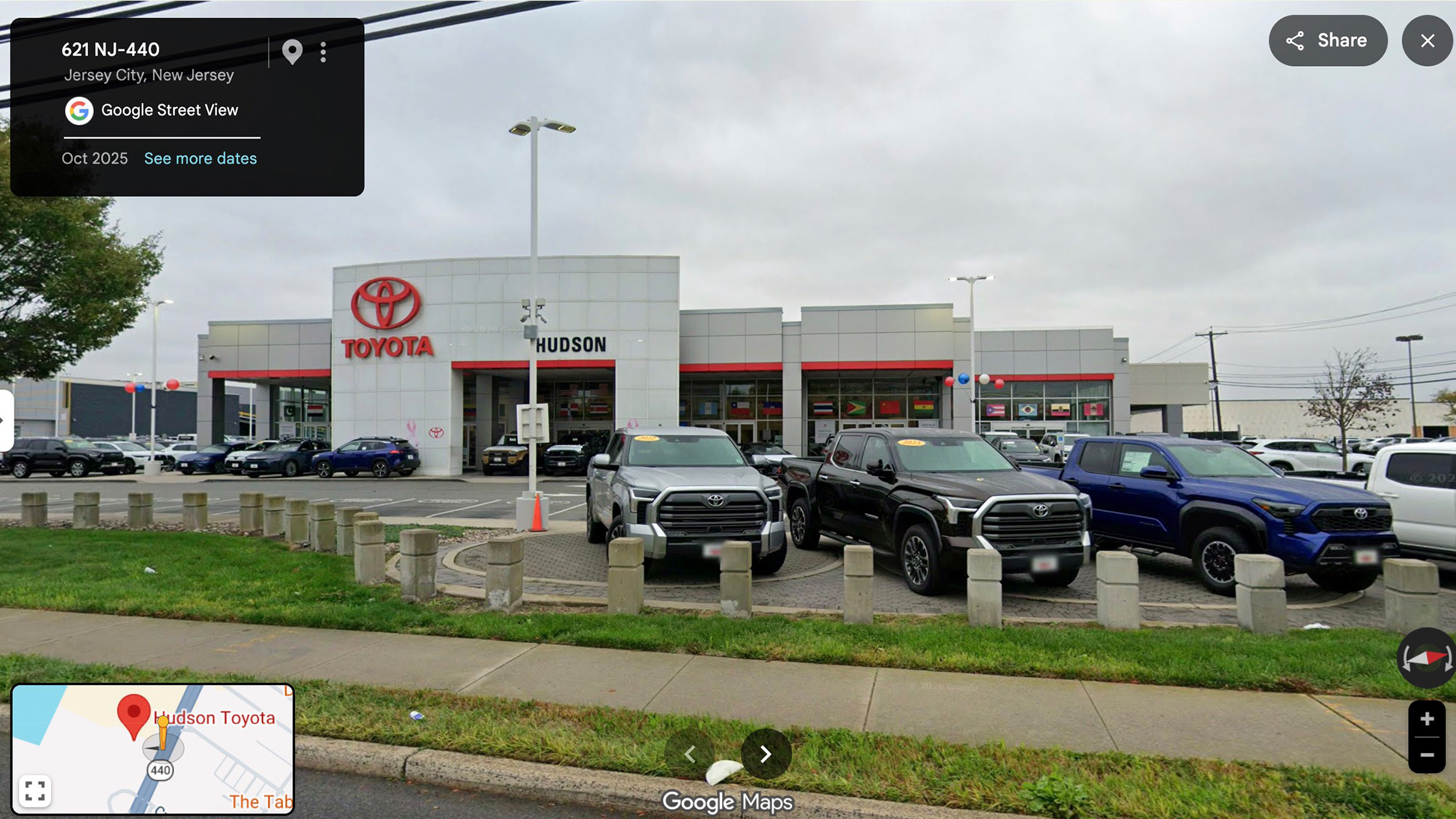
New Jersey’s Motor Vehicle Commission isn’t interested in that debate right now. The agency reminded dealers earlier this year that brokering new-car transactions violates state rules and could ultimately threaten dealer licenses. Regulators appear increasingly willing to enforce laws that many retailers previously viewed as largely dormant.
Dealers themselves are divided. Some want tougher enforcement because they believe competitors are gaming manufacturer incentive programs through broker-heavy sales. Others question whether automakers will consistently enforce the policies, especially since higher sales volumes still benefit the brands.
There’s also the practical challenge of proving a broker was involved. Unless paperwork explicitly reveals payments or third-party coordination, brokers can remain effectively invisible during transactions. Still, the US auto industry’s tone has clearly shifted. What was once quietly tolerated now looks like it’s being shut down.