









- Canada’s PM was overheard explaining the nation’s deal on Chinese EVs to Trump.
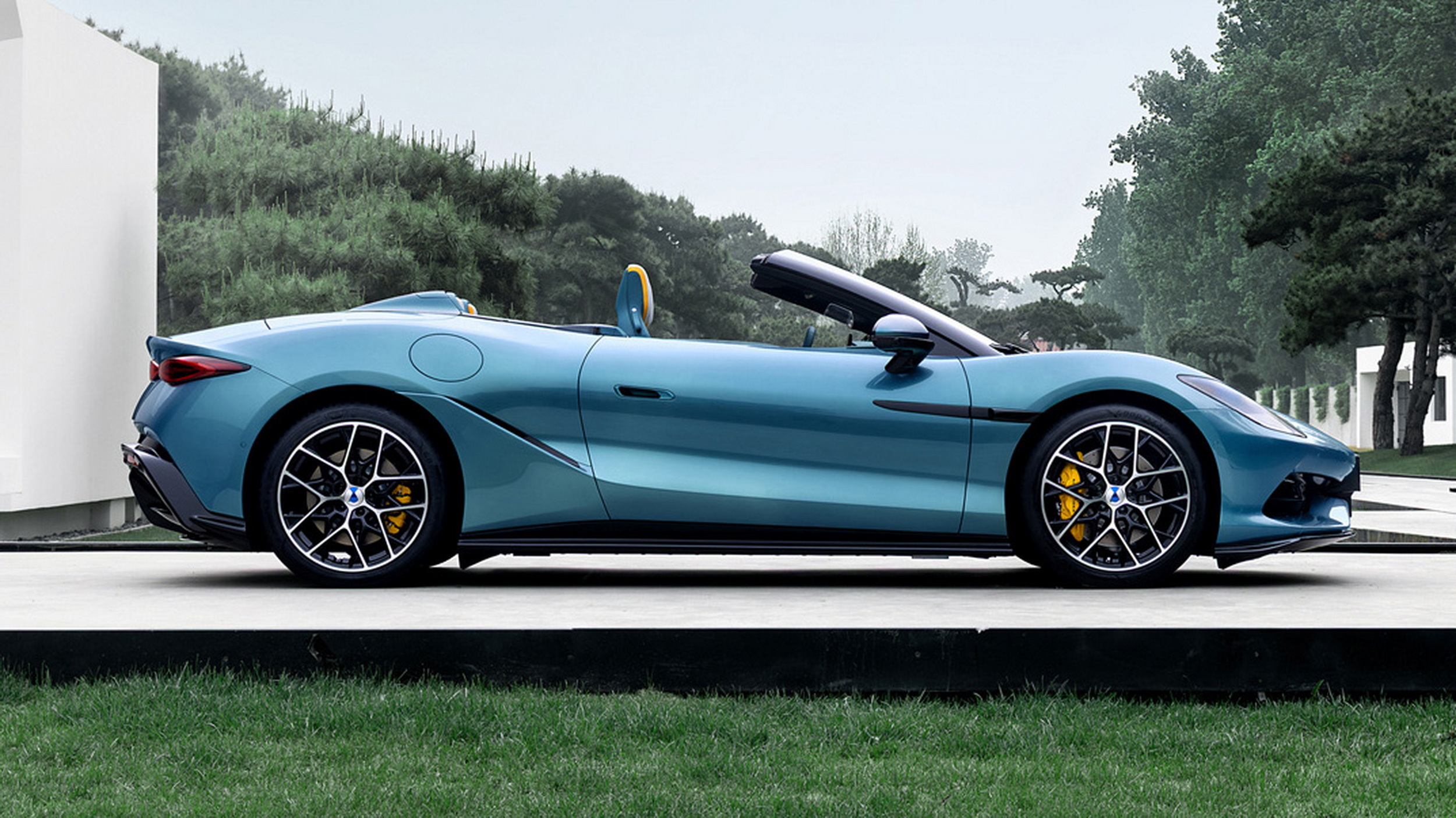
- Each year, Canada will allow 49,000 Chinese EVs onto its shores at a lower tariff rate.
- Mark Carney believes the deal opens up the possibility of local production of Chinese cars.
While President Donald Trump has been eager to keep Chinese-made cars out of the United States, he seems to like how Canada has established a quota of importing Chinese EVs into the country at a reduced tariff rate.
At a recent roundtable during the G7 Summit in France, Canadian Prime Minister Mark Carney leaned over to Trump and walked him through the country’s EV quota. The exchange was caught on a hot mic as the leaders of the Group of Seven sat together.
First, though, a detour. Carney spotted a watch French President Emmanuel Macron had left behind, reports Global News. The two joked about it, Carney noting “He’s left his watch here. We’ve got his watch,” and Trump shooting back, “Give me it if he left, gimmie.”
Read: Canada Let In 2,910 Chinese EVs Last Month, Only 18 Were Confirmed Non-Tesla
While the full extent of the conversation wasn’t audible, Carney could be heard telling Trump how the country has introduced a cap of “less than three per cent of our market, 49,000 cars…It’s a cap, we capped, a hard line…I thought you’d actually like that,” he said. Trump could be seen nodding his head in approval, saying, “That’s good, I like it.”
Speaking with reporters after the meeting, Carney added, “He [Trump] likes the structure, actually. We had a follow-up conversation.” Later asked about the exchange, Trump himself said, “I don’t know what I said I like it, but I could understand that, yeah. Would I rather see a cap than no cap? Yeah, I would.”
Chinese Brands Could Build Cars In Canada
Bloomberg reports that many within the Trump administration remain vehemently opposed to Canada’s new trade deal with China. In January, Trump took to social media to claim China was “taking over the once great country” of Canada. The deal partially rolled back Canada’s 100 percent tariff on Chinese EVs, and China suspended its retaliatory tariffs on Canadian farm goods in return.
Carney later added that the Chinese EV deal “creates the possibility – possibility, not the certainty in any way – that this commercial relationship develops, and there’s Chinese investment in Canada.” He then clarified he meant “material Canadian production” when mentioning Chinese investment, and said the nation isn’t interested in simply having so-called knockdown kits assembled in the country.
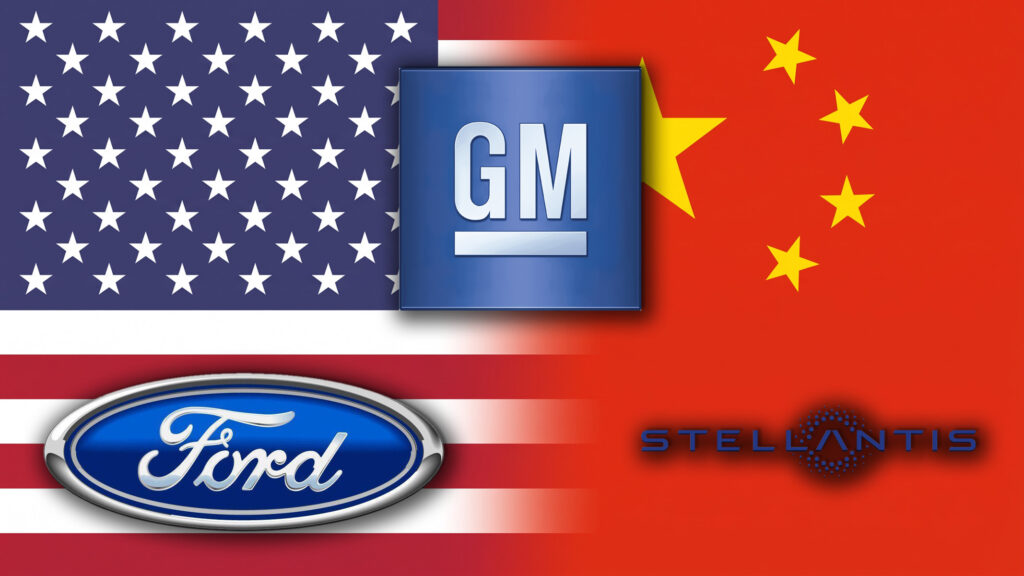
The Canadian Vehicle Manufacturers Association, which represents Ford, General Motors, and Stellantis operations in Canada, has pushed Ottawa to kill the agreement over fears it could damage the North American auto industry.
Read: US Senator Calls Chinese Cars “Cancer,” Wants Permanent Ban
Could President Trump take inspiration from Canada’s deal with China and do something similar? While we wouldn’t rule it out entirely, the United States has a much larger car manufacturing industry than Canada’s, so the threat posed by Chinese firms is much more significant, and it seems unlikely.
Critics have also flagged data security and connected-vehicle technology in Chinese EVs. Those same worries pushed two Michigan Democrats to introduce legislation in May that would bar Chinese-made vehicles from the United States on national security grounds