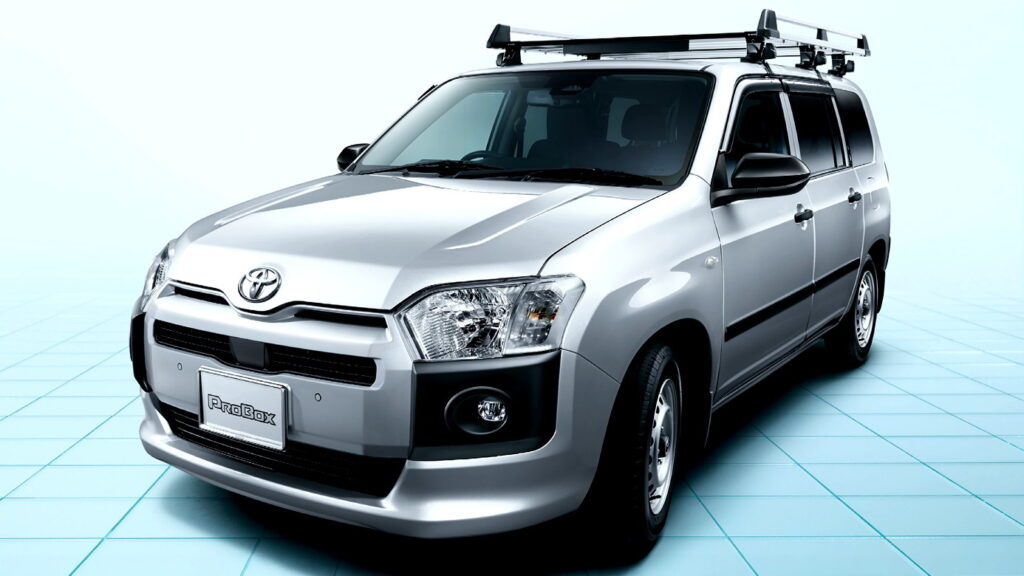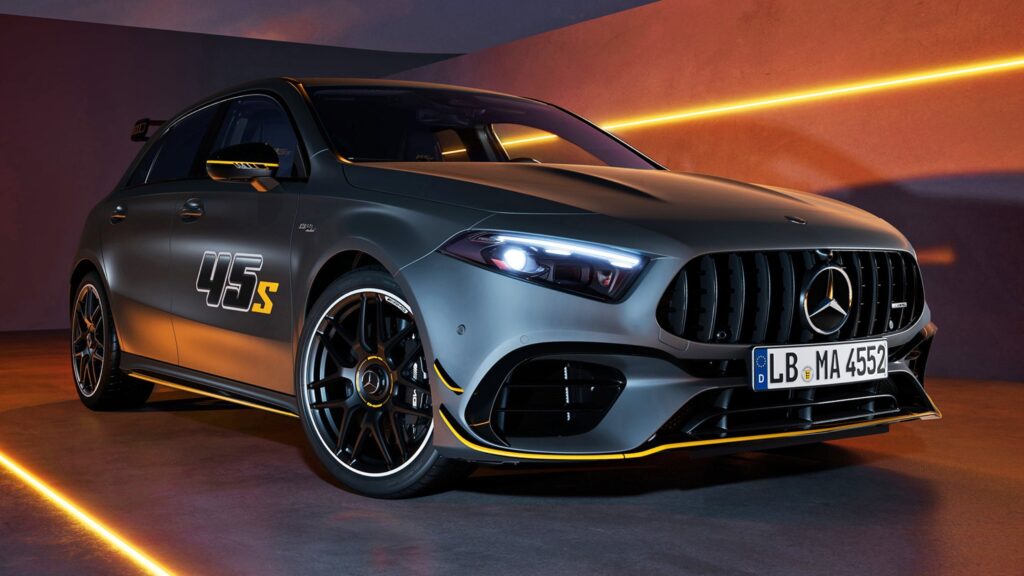
- German plants in China may run at just 46% capacity this year.
- These same factories were operating at full tilt back in 2010.
- BMW and Mercedes deny closures but weigh operational changes.
Days after word that Mercedes-Benz may have paused production of its long-wheelbase electric CLA in China, a fresh forecast spells out just how badly German manufacturers are struggling to keep their Chinese factories busy.
Read: VW Ruled China For 25 Years, Now Young Buyers Call It Their Parents’ Car
The forecast, prepared for Automobilwoche by global research firm Mobility Global, found that joint venture plants run by German firms in China, including those for Audi, BMW, Mercedes-Benz, and Volkswagen, operated at less than 50 percent capacity in 2025, with the figure set to fall further. This year it may drop to 46 percent, and slide to 44 percent by 2030.
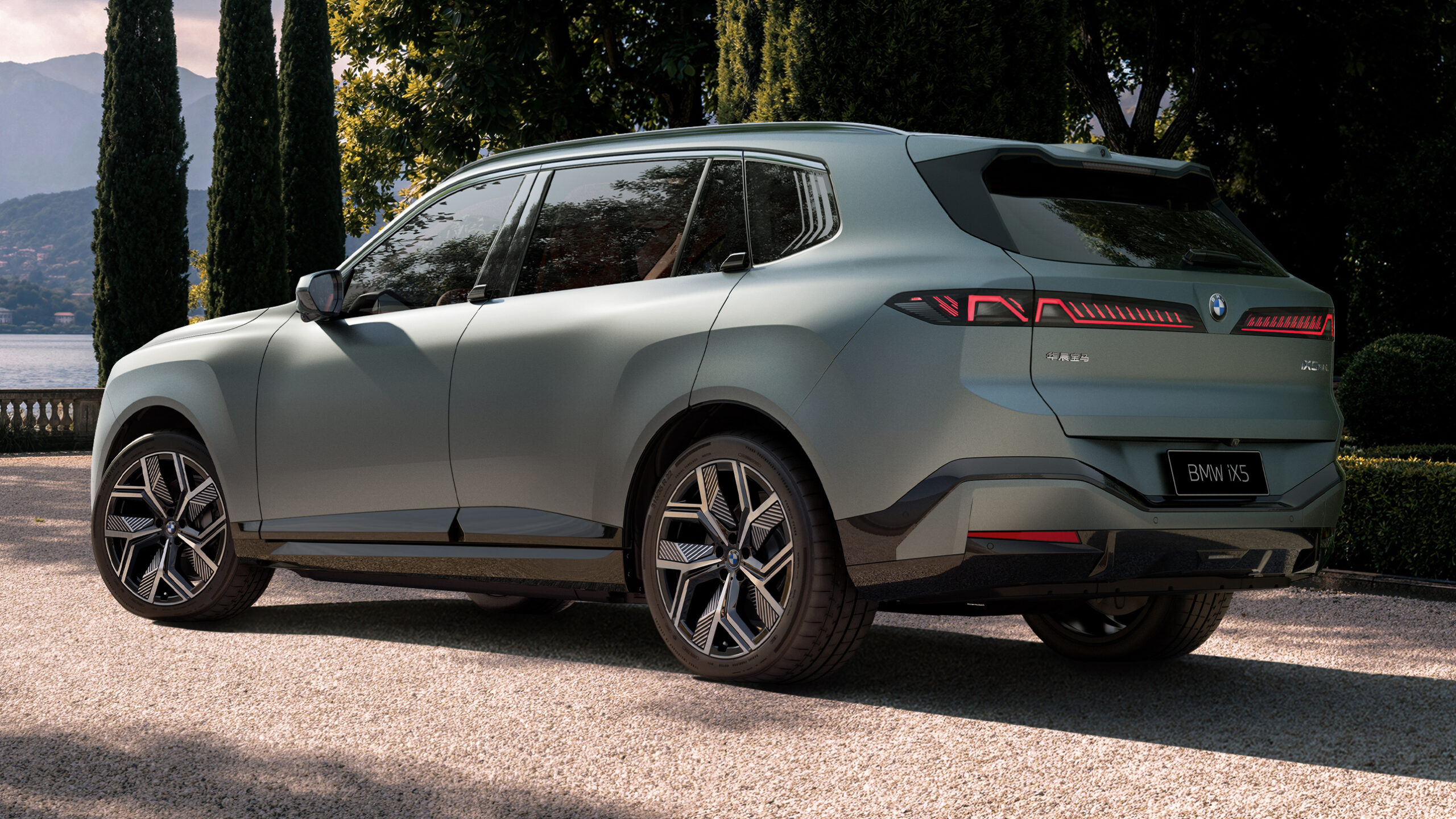
This is dramatically different from 2010, when these joint venture plants were generally operating at full capacity, Automobilwoche reports. It shows just how quickly vehicles from German brands have fallen out of favor in China. Most car buyers there now want vehicles from local brands, especially domestic EV makers.
Poor utilization rates have also prompted Volkswagen to close its plant in Nanjing, which it had been operating alongside SAIC. Its Urumqi site has also been sold. While BMW and Mercedes have ruled out the possibility of plant closures, sources allege they are considering “operational adjustments.”
The Chinese Have A Solution
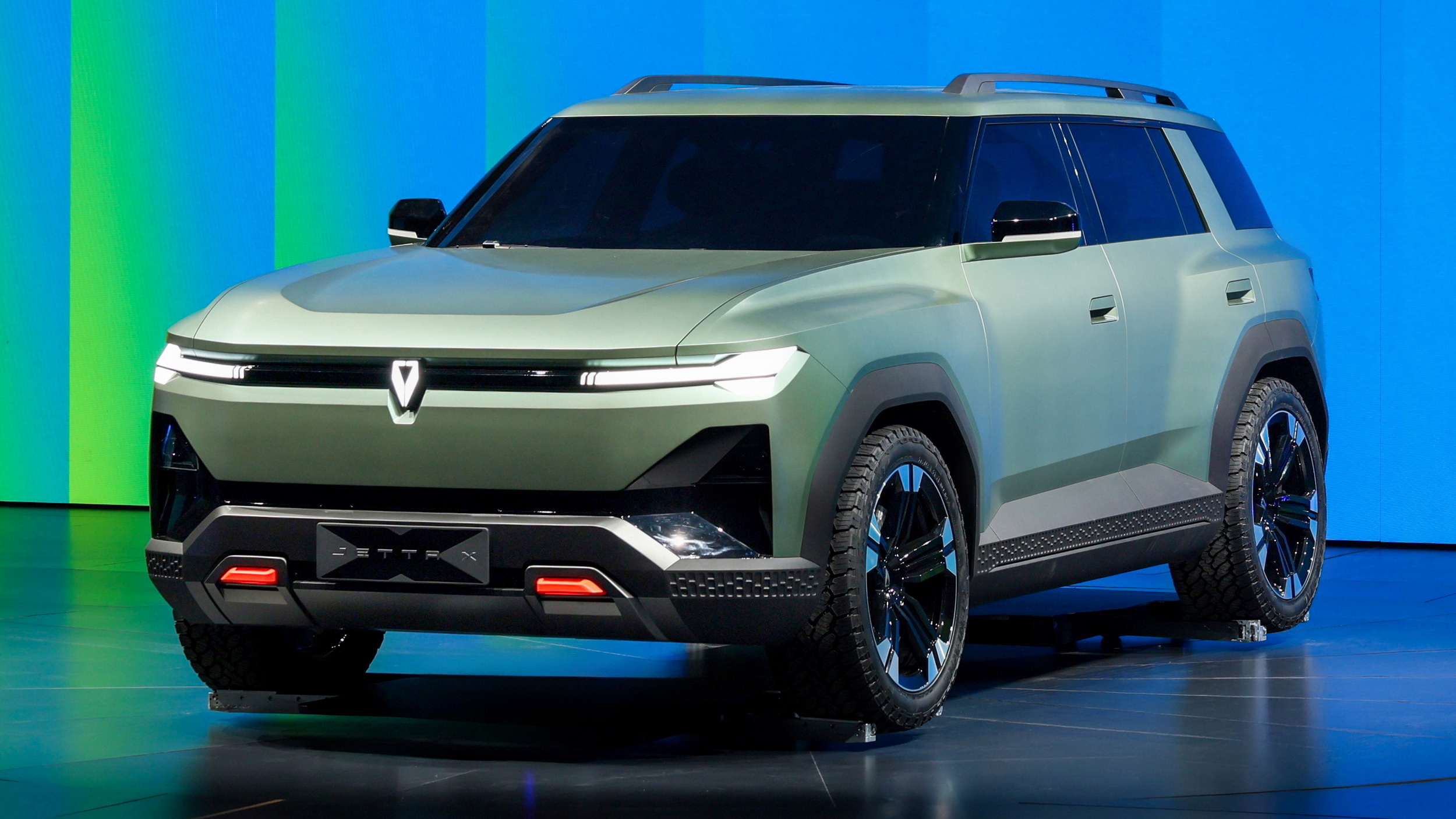
Admittedly, it’s not just foreign brands that are dealing with poor factory utilization rates. Mobility Global expects average utilization across China’s auto industry to sit near 55 percent in 2026, down from roughly 90 percent in 2010.
To help deal with this, exports of Chinese cars continue to rise, up to 10 million units this year, an increase from the seven million reported last year. In addition, while most legacy brands deal with poor utilization rates not only in China but elsewhere, Chinese brands are using strong overseas demand for their models to build new plants outside China, including in Europe. Spain and Hungary are among the locations targeted as manufacturers seek to avoid tariffs, produce closer to customers, and reduce political risk.