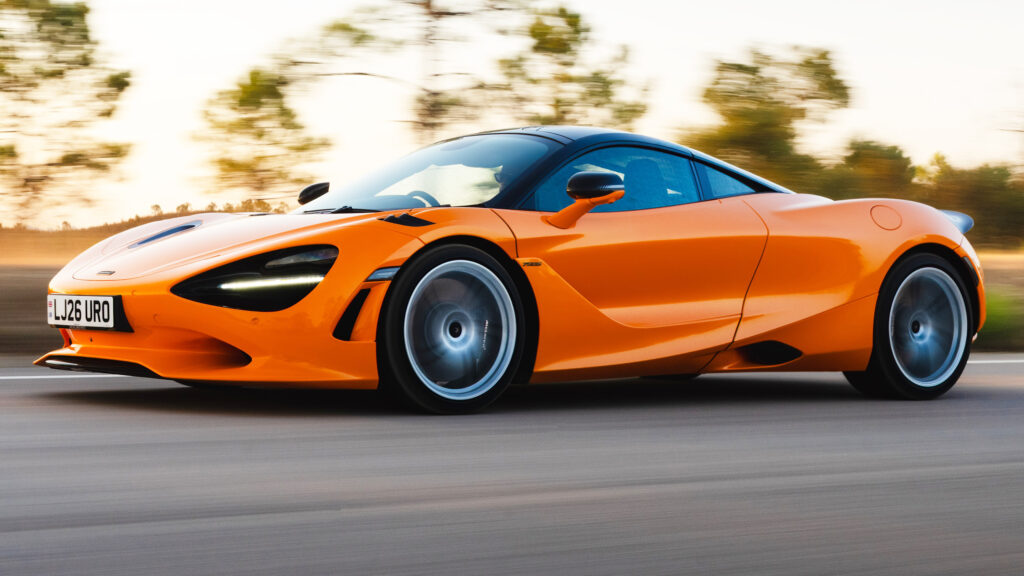











- Mate Rimac thinks combustion supercars will survive as mainstream cars electrify.
- Bugatti buyers increasingly spend huge money making exclusive cars more personal.
- Rimac says speed matters less when cheap EVs can embarrass yesterday’s exotics.
Mate Rimac made his name with outrageously rapid electric cars, so to hear him championing combustion power and professing that performance is not a top priority kind of warps the space-time continuum. It would be like reading that Thomas Edison, after spending years perfecting the light bulb, announced that candles were better after all. Yet the Bugatti boss thinks old-school engines can have a lucrative life ahead.
Speaking to CNBC, Rimac argued that the car market is splitting. Everyday transport will go electric, while the expensive stuff becomes more mechanical, emotional and deliberately extravagant. His comparison is the watch business, where cheap digital technology handles the practical job brilliantly, yet wealthy buyers still happily spend fortunes on intricate mechanical timepieces.
Related: Even Veyron Owners Balk At $42,000 Tires, But Bugatti’s $3,600 Fix Has A Catch



“For normal cars, normal people, the vast majority will be electric,” Rimac told CNBC. “The upper segment, like sports cars and upwards, are going to stay combustion for a very long time, exactly like watches.”
There’s some delicious irony here. Rimac’s Nevera showed just how comprehensively an EV could flatten contemporary combustion supercars in straight-line tests. What it didn’t do quite so spectacularly was fly out of showrooms. The Nevera’s sales struggle proved that enormous performance alone doesn’t necessarily create enormous desire.
16 Cylinders, No Turbos
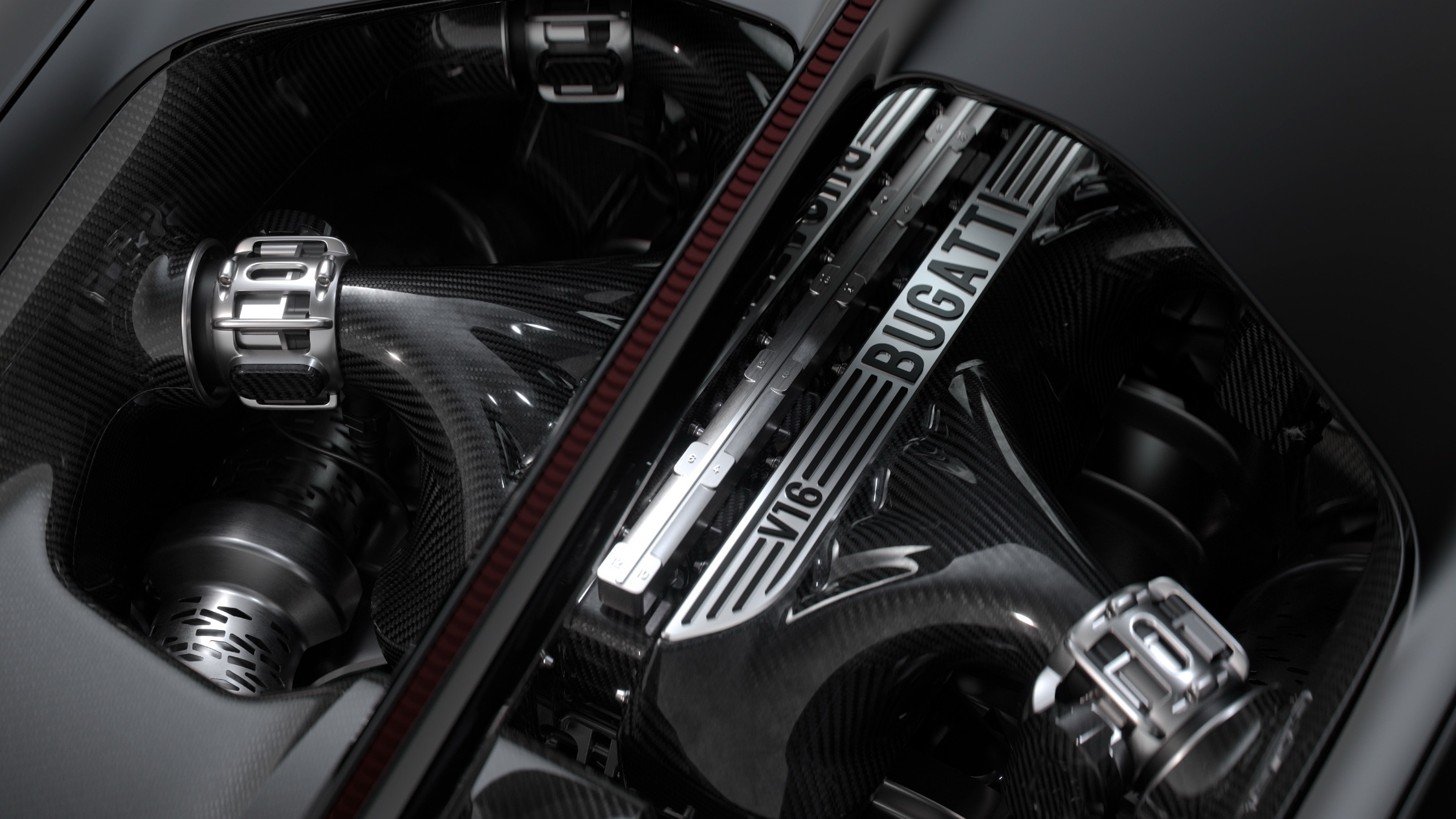
Bugatti – which considered, then rejected, the idea of making its Chiron successor an EV – appears to have absorbed that lesson. Its Tourbillon pairs electric assistance with a naturally aspirated 8.3-liter V16, producing 1,775 hp (1,800 PS) in total. Rimac is even talking about making a manual transmission available on some future models.
The hyper-luxury automaker also rejects the kind of digital dashboard now fitted to almost every new car for an intricate mechanical-style instrument cluster that still looks special when the car’s asleep and shouldn’t resemble obsolete consumer electronics in 15 years.
Both of those features, the engine and the cluster, shift the emphasis away from outright speed, which is becoming a pretty lousy differentiator. When relatively affordable EVs can deliver acceleration that would’ve embarrassed yesterday’s hypercars, adding another tenth of a second or another 100 hp mostly buys bragging rights, and almost no real customer benefit.
“Performance Is Secondary”

“You can get a car that’s faster than any performance car from 10 years ago for like $50,000 from China,” Rimac told CNBC. “Performance is really becoming secondary.”
Character, theater and craftsmanship are harder for the likes of Xiaomi to commoditize. Tourbillon customers seem to agree. All 250 cars are spoken for, despite a roughly $4.5 million starting price, and Rimac says buyers typically pile another $600,000 to $700,000 into personalization. Bugatti’s latest one-offs, like the Destrier, push that philosophy further. Rimac says rich clients increasingly want objects that feel unmistakably theirs, rather than merely expensive versions of what somebody else owns.
Those of us without hypercar budgets though, might have to settle for an EV that makes fake combustion noises. But at least it’ll be ICE-supercar quick.