









- BMW’s next-gen 3-Series will arrive soon after the electric i3.
- The new sedan uses an updated version of the CLAR platform.
- Four- and six-cylinder engines return with mild-hybrid support.
The long-awaited BMW i3 sedan is just around the corner, with its debut scheduled for March 18. It will become the second model in BMW’s new generation of electric vehicles, arriving shortly after the recently introduced iX3. Launching soon after the all-electric i3 will be the redesigned 3-Series, though it may not look quite the way many people expect.
At first glance, it would be easy to assume the upcoming i3 is simply an electric 3-Series with a different badge. BMW is taking a different approach. Rather than treating the EV as a lightly altered version of the same car, the company is developing separate, though closely related, exterior designs for the two models.
Read: New i3 And 3-Series Reveal BMW’s Most Striking Split Yet
That approach contrasts with BMW’s larger sedans. The current i5 and i7 look almost identical to the 5-Series and 7-Series respectively, sharing most of their exterior design with the combustion versions. But there’s a very good reason for that and it’s structural. Those larger models sit on the same platform whether they run on gasoline or electricity. The i3 and the next 3-Series do not. Each is built on a different architecture, which is why BMW is giving them separate bodywork.



Sugar Design/Instagram
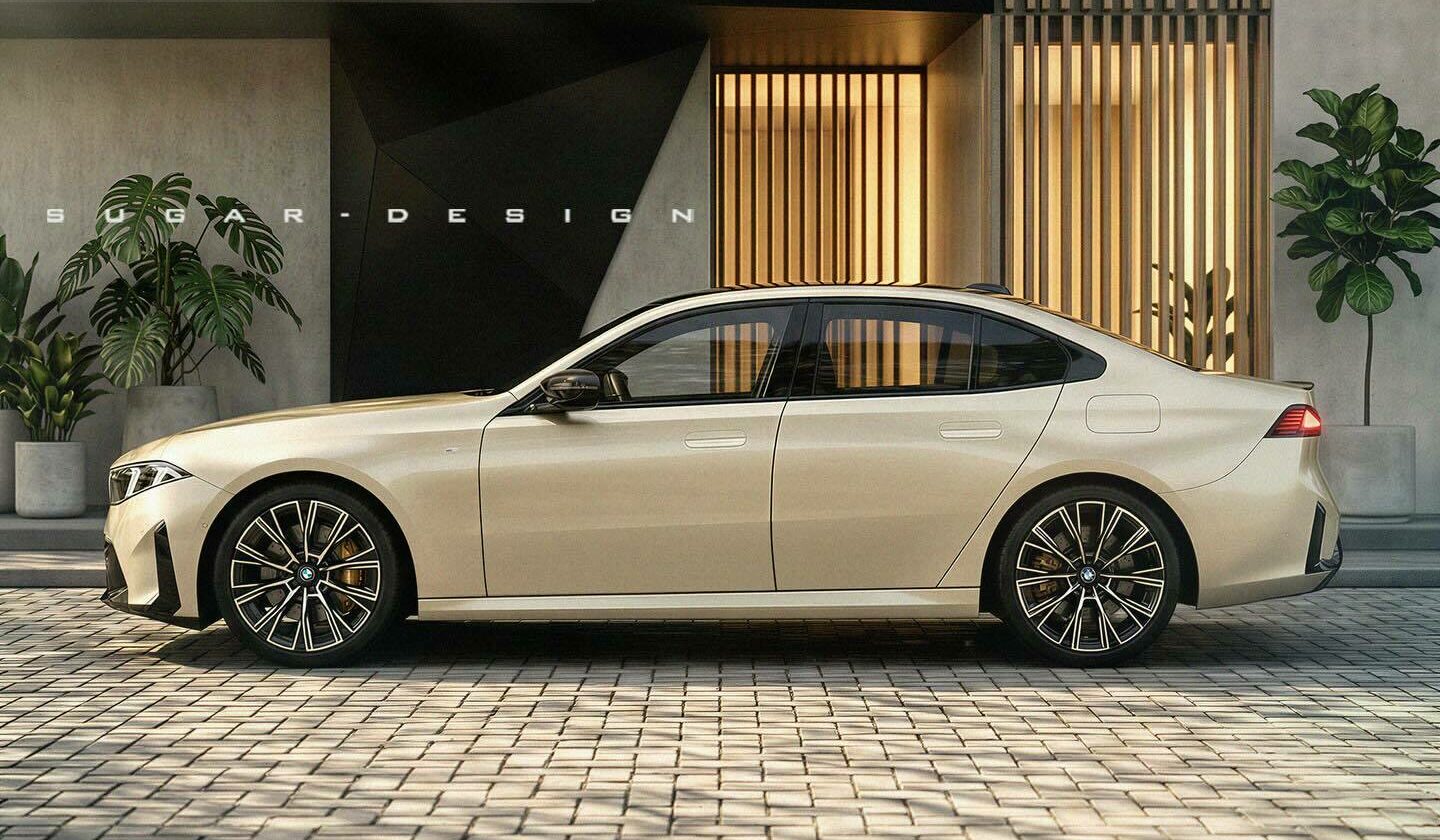
Recent spy shots have revealed that the new 3-Series will have a different roofline than the i3, necessitating bespoke side windows, doors, and quarter panels. Some of these differences are visible in these renderings of the new 3-Series, created by Sugar Design.
As with the i3, the regular 3-Series will include the same basic Neue Klasse-era nose, but the shape of the headlights and kidney grilles could be slightly different. These renderings also show the next-gen 3-Series with a new, lower blacked-out bumper.
The shape of the car’s sides and doors somewhat reminds us of the current 5-Series, free from some of the complex creases and lines of the existing 3-Series. Present at the car’s rear in these renderings are LED taillights, a subtle black lip spoiler, and a gloss black diffuser, giving it a sporty edge without being over-the-top.
What Else Can We Expect?
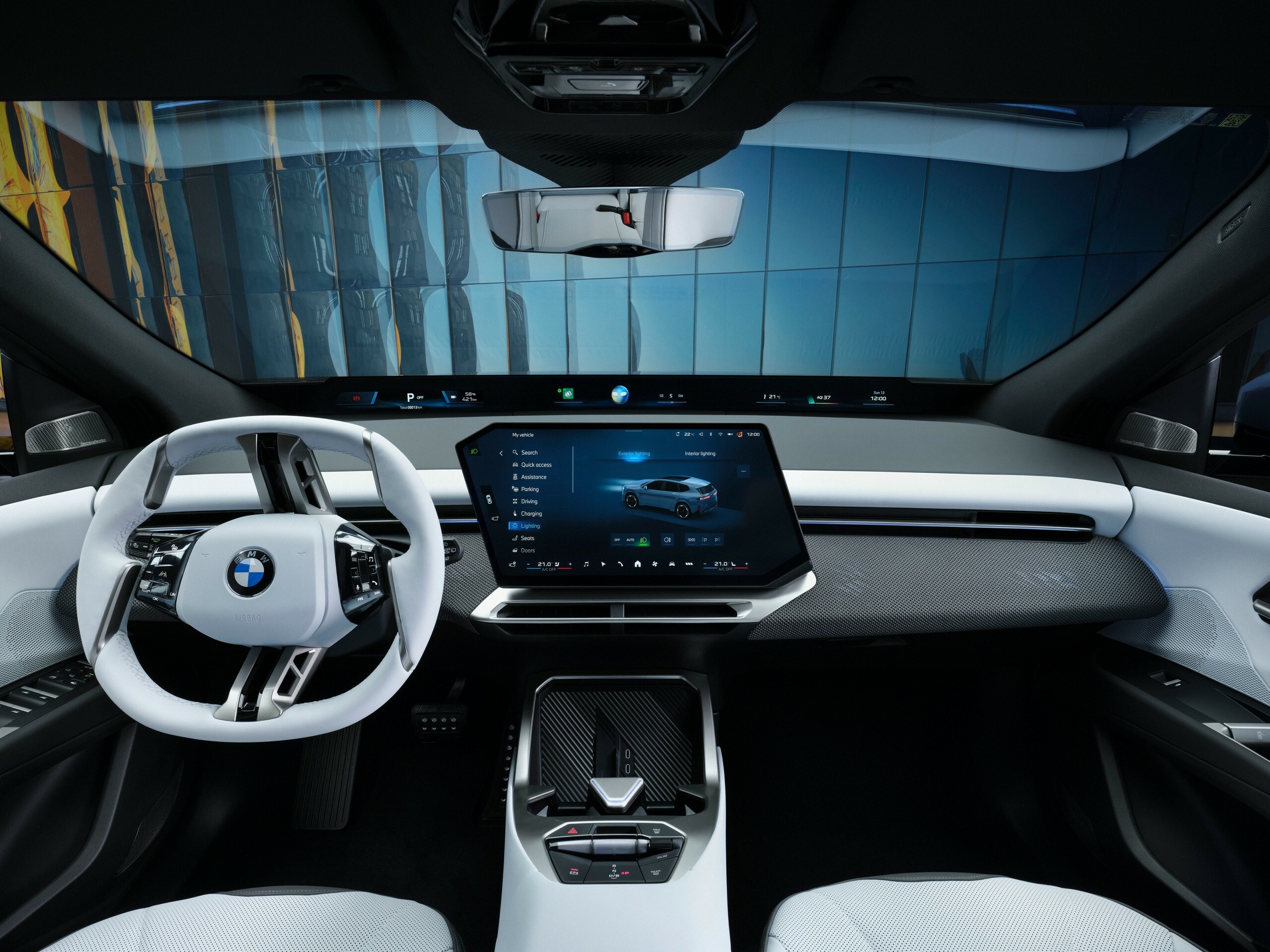
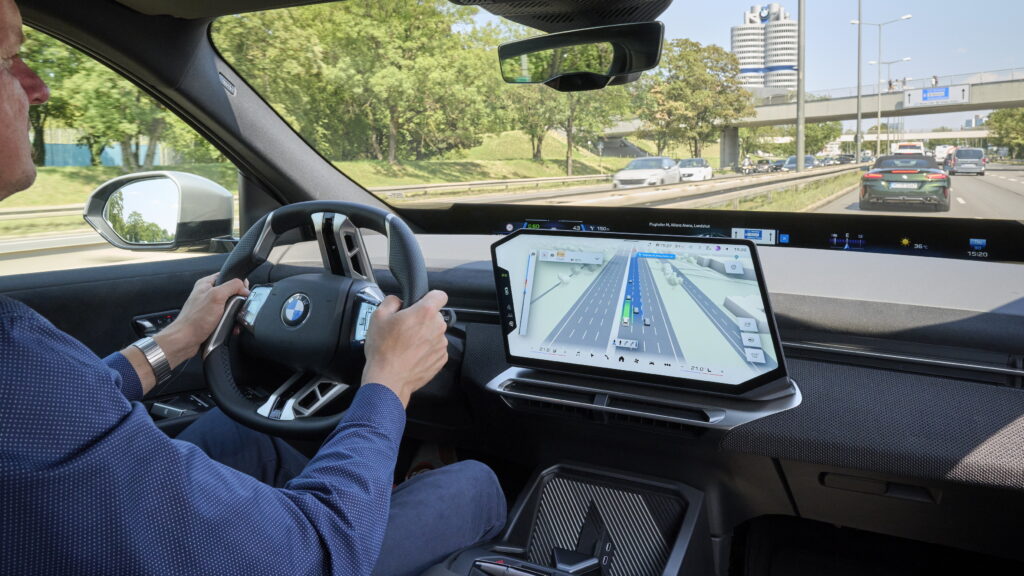
Whereas the i3 is based on BMW’s latest EV architecture shared with the similarly-sized iX3, the new 3-Series will use an updated version of the current CLAR platform. Even so, the interior is expected to look very similar to the i3 and iX3, adopting the company’s latest central infotainment display and Panoramic iDrive head-up display at the base of the windshield.
Also: This Is Where The BMW 4-Series Coupe May Be Headed Next
BMW has yet to confirm the full engine lineup, but the formula is unlikely to change dramatically. Expect a mix of turbocharged four-cylinder engines and larger inline-six options, alongside diesel and hybrid variants depending on the market.


Sugar Design/Instagram
Clues from the closely related X3 suggest mild-hybrid versions of BMW’s familiar 2.0-liter four-cylinder and 3.0-liter inline-six are likely. The six-cylinder unit should underpin the next M350, or whatever badge BMW ultimately settles on, with modest gains in both efficiency and output.
An M3 will follow later in the lifecycle. Unlike the latest M5, it is expected to skip a heavy plug-in hybrid system in favor of a lighter mild-hybrid setup. That should allow it to surpass today’s outputs of 473 hp, 503 hp, and 523 hp for the standard model, Competition, and Competition xDrive, with special editions almost certainly on the horizon.