










- New 7-Series gets Neue Klasse tech, including a standard front passenger display screen.
- Electric i7 gets cylindrical battery cells, standard all-wheel drive, and 350+ miles of range.
- Rear 31.3-inch Theater Screen now does Zoom calls, has touch functionality, HDMI port.
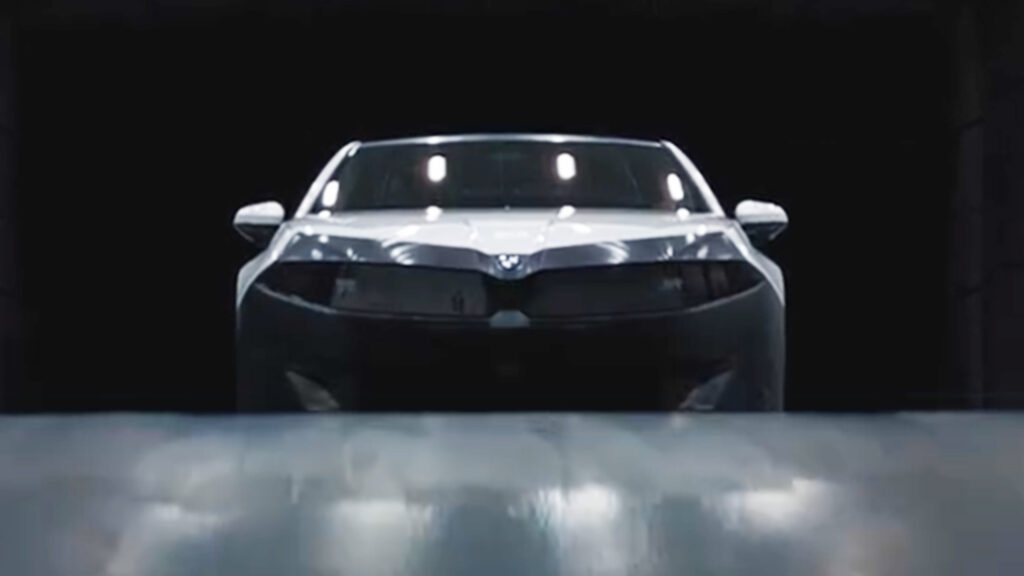
BMW’s calling the new 2027 7-Series the most extensive mid-life update it’s ever done, but what we’re seeing here goes beyond Munich’s flagship sedan. Because this update shows us how BMW will apply its Neue Klasse thinking to every older model going forward, including the revised 5-Series.
More: Rimac Went From Modifying An Old BMW To Supplying The New i7’s Most Expensive Part
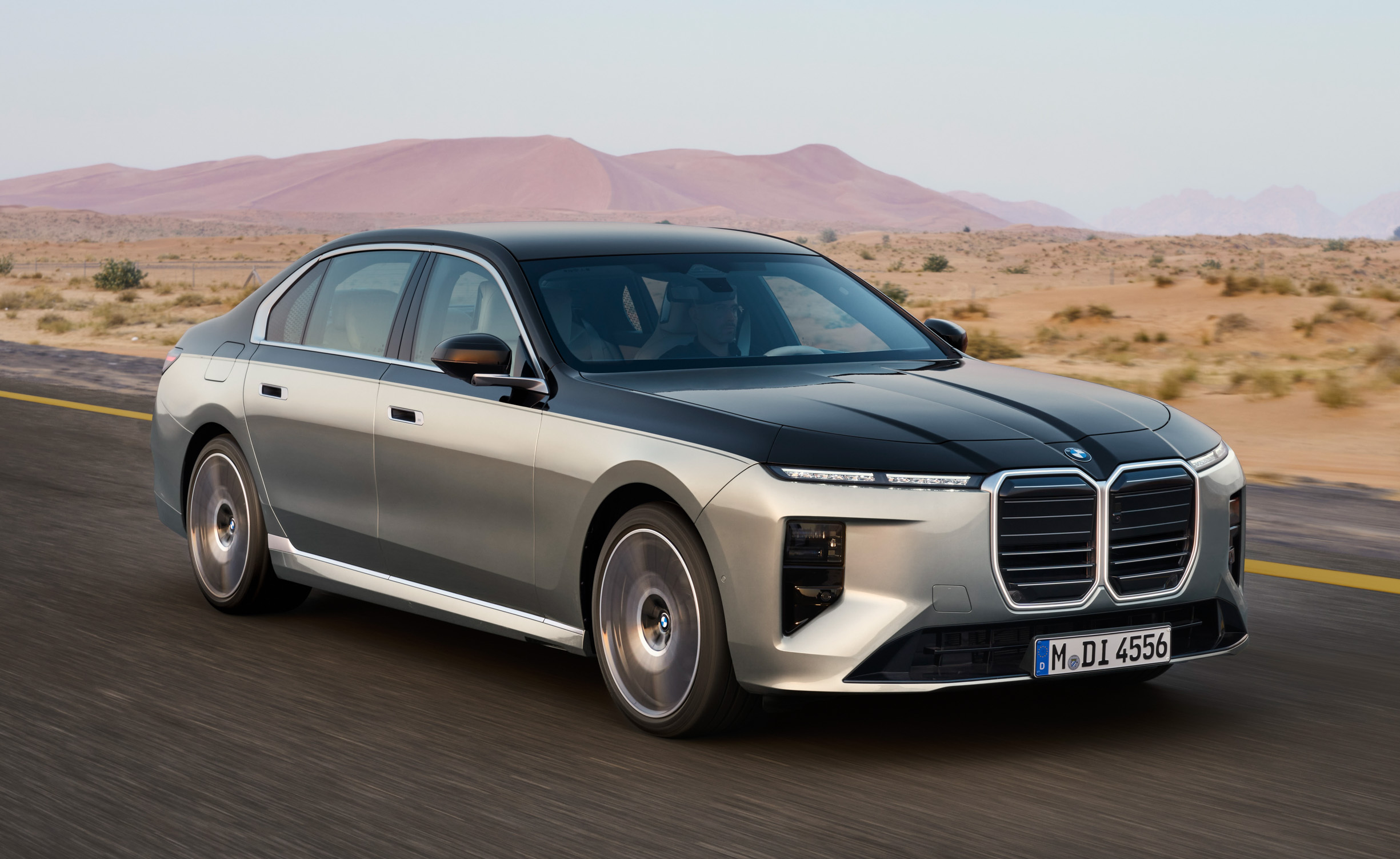
That claim of “most extensive update” might leave you shrugging at first. The new 7-Series still rides on the older CLAR platform adapted to take both ICE and electric powertrains, rather than the EV-only Neue Klasse architecture seen on the i3 and iX3. And even some of the visual changes are subtle. It doesn’t have the visor face or retro-futuristic compact kidneys.



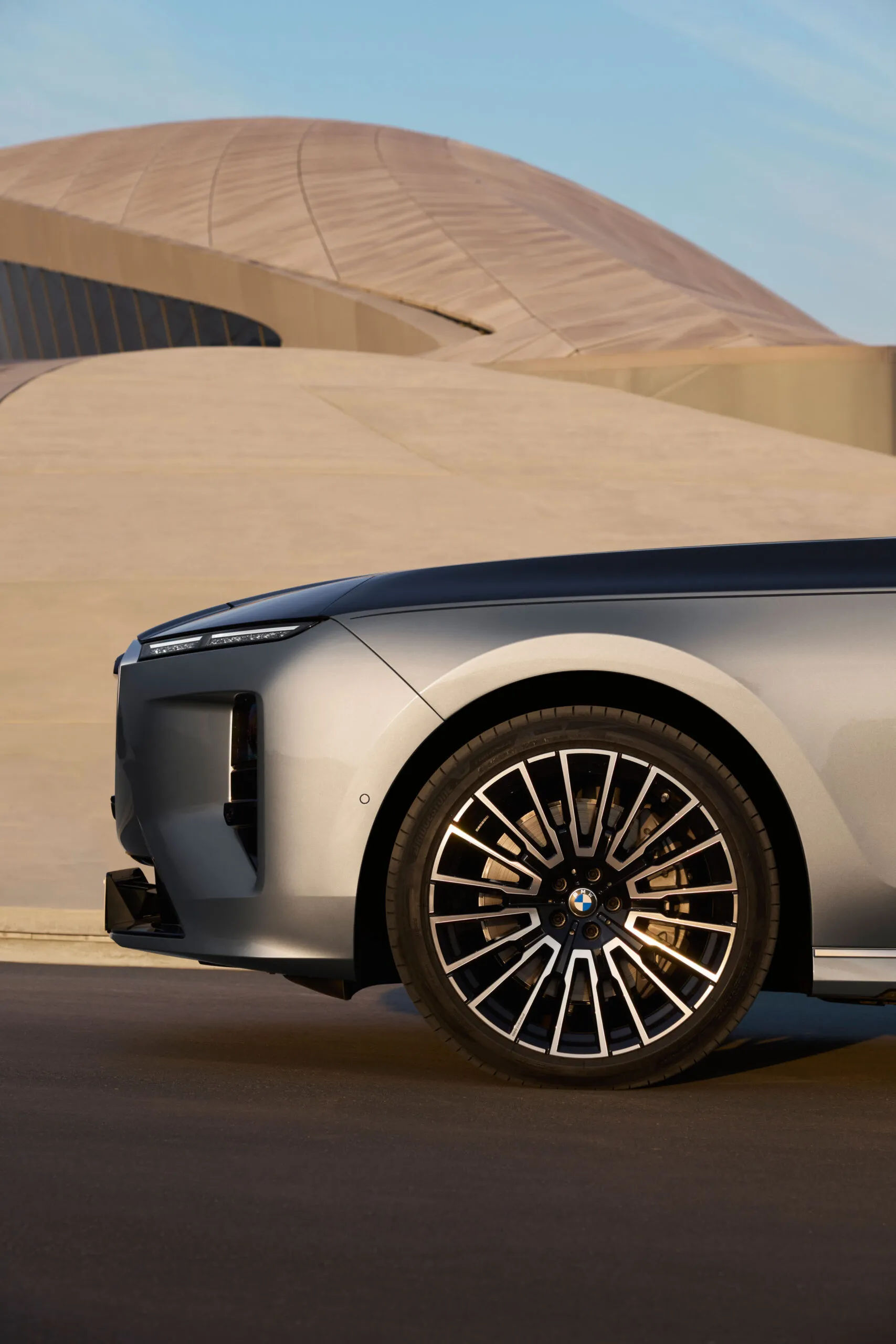
But take another look. The now illuminated jumbo grille is narrower, and its bars run horizontally, not vertically. The super-slim DRLs butt up against the grille, and the real headlights are now smaller and almost hidden in the front bumper’s side air intakes. BMW is even bracing the 7’s industrial look this time around, happy to leave big expanses of body-color plastic up front, rather than trying to break it up with large chunks of black.
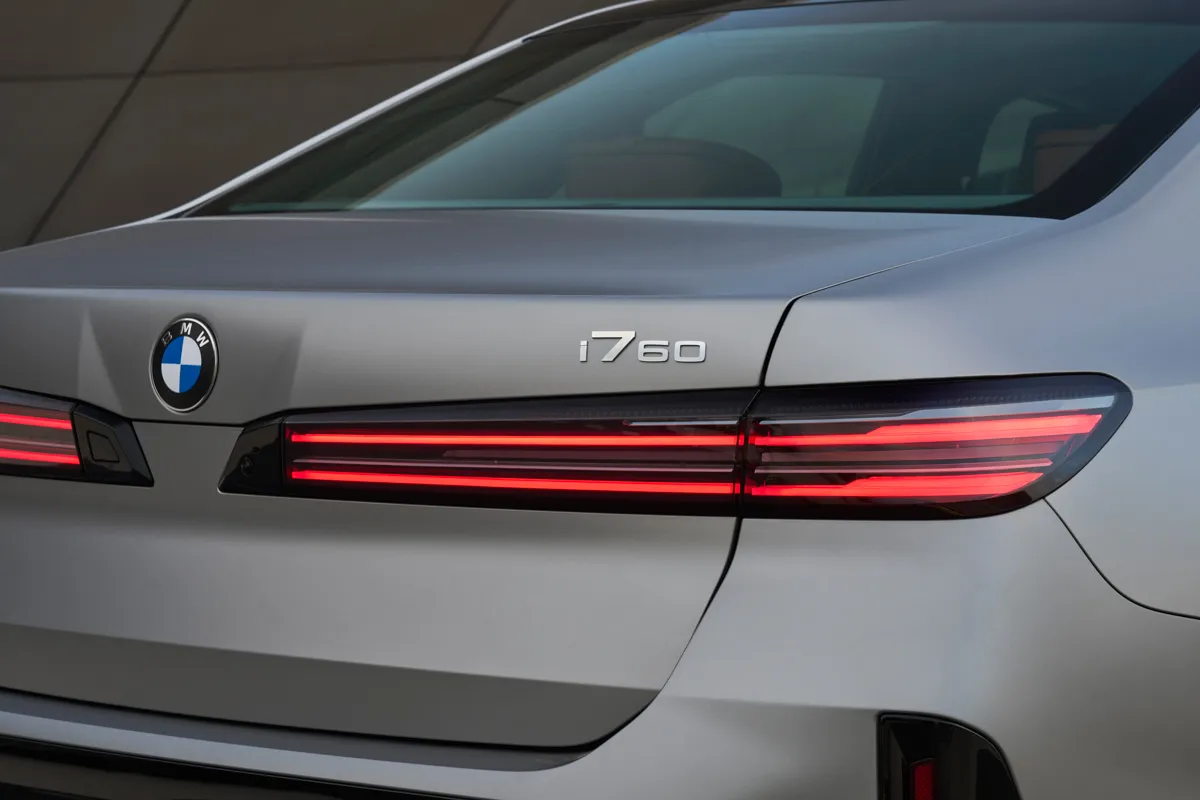
It’s not pretty, and we don’t love the duo-tone Individual paint, even if it does take 75 hours of shop time to create. But the 7-Series is certainly not lacking in presence, looking like someone machined a luxury sedan directly from a solid billet of aluminum and bolted some wheels on. Head round the back, and things are less aesthetically challenging. Besides adopting BMW’s new matte roundel first seen on the iX3, the 7-Series now has longer light units that are just a handspan from being a full light bar.
Panoramic iDrive


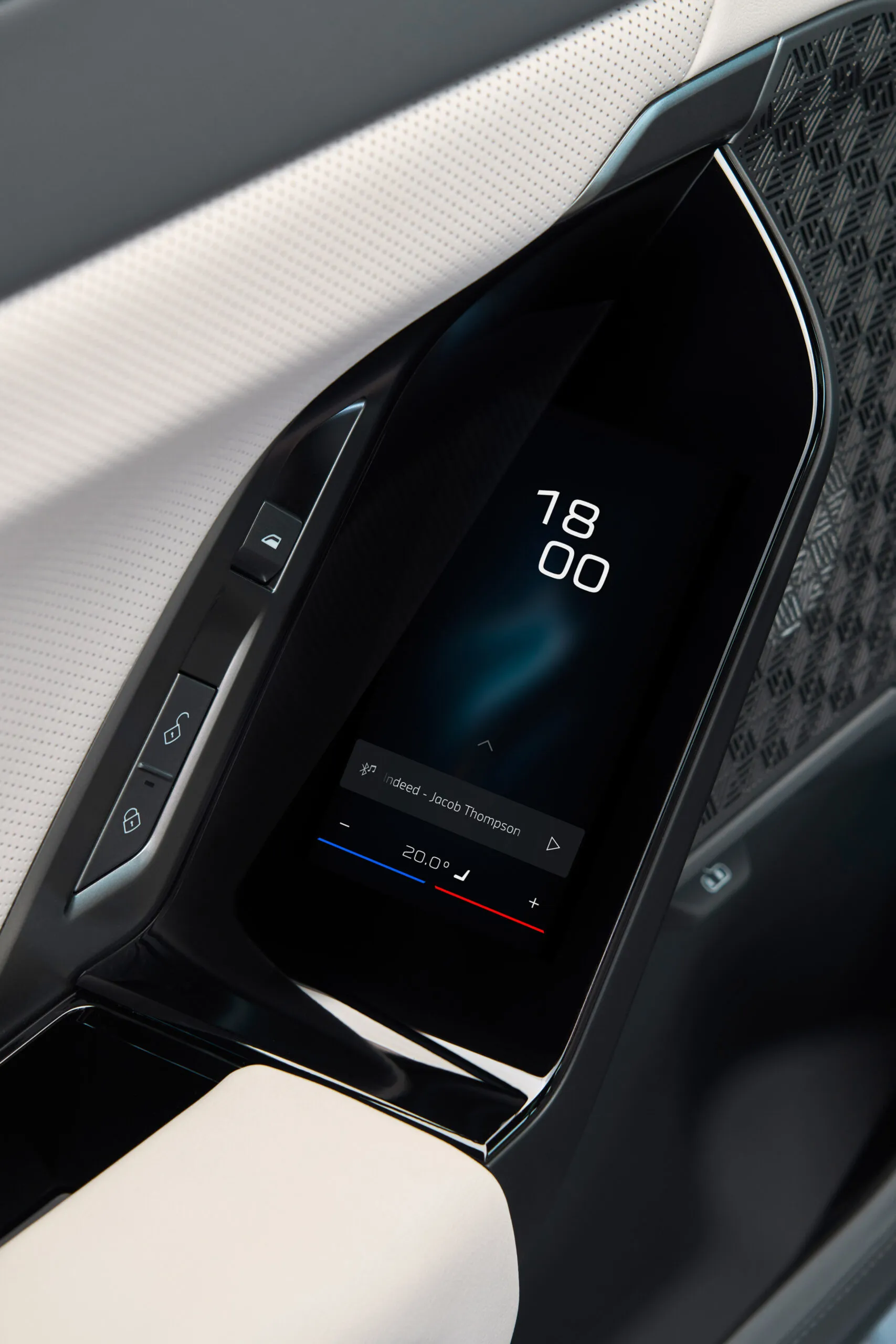


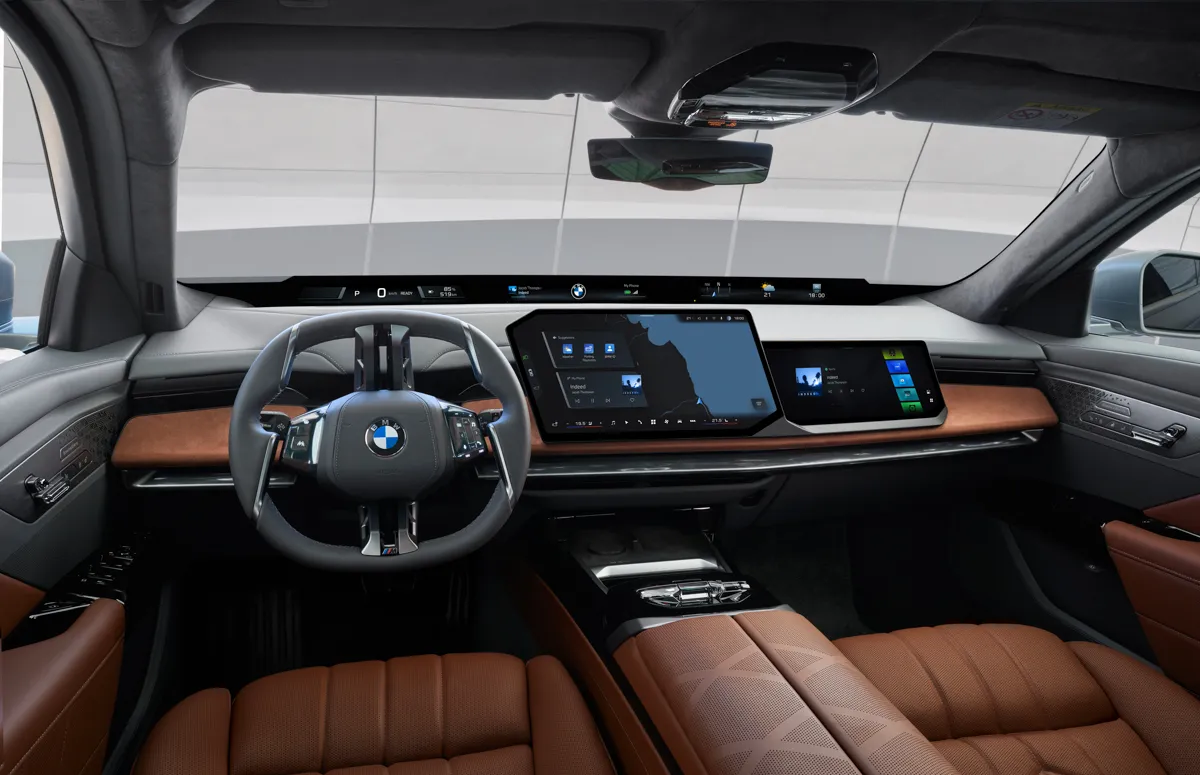
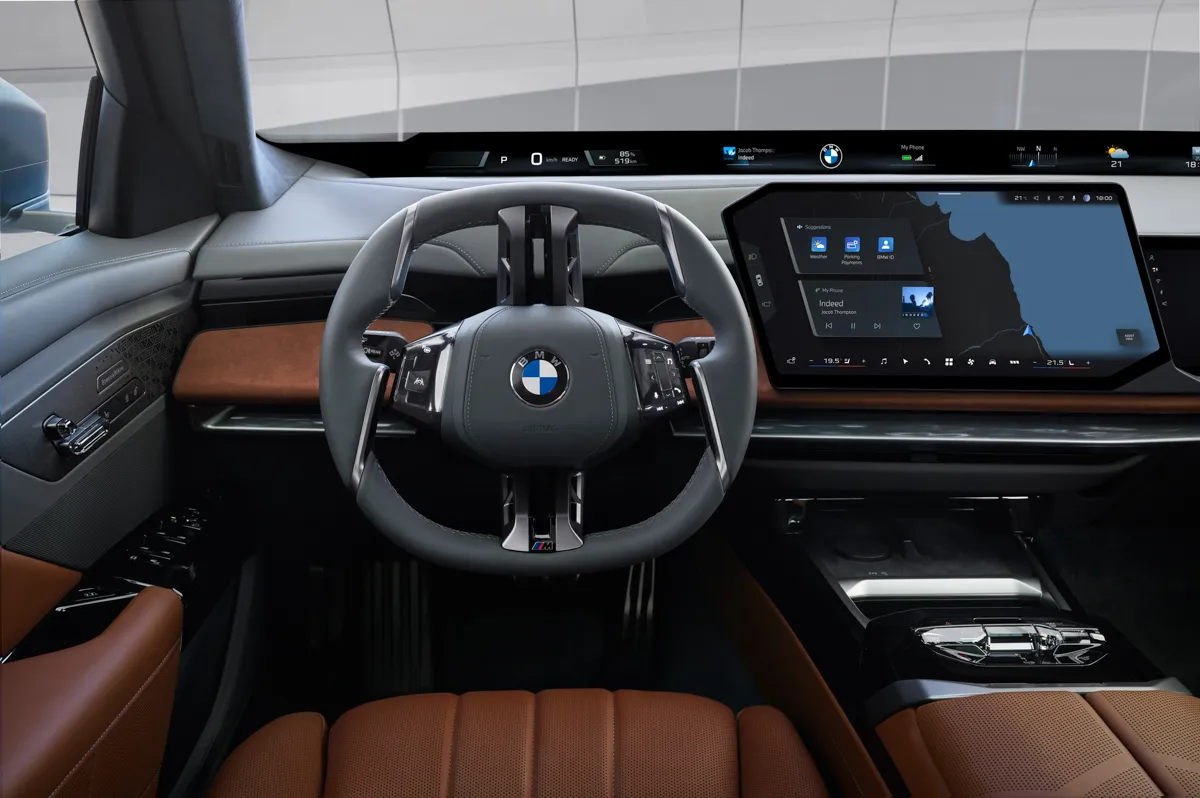
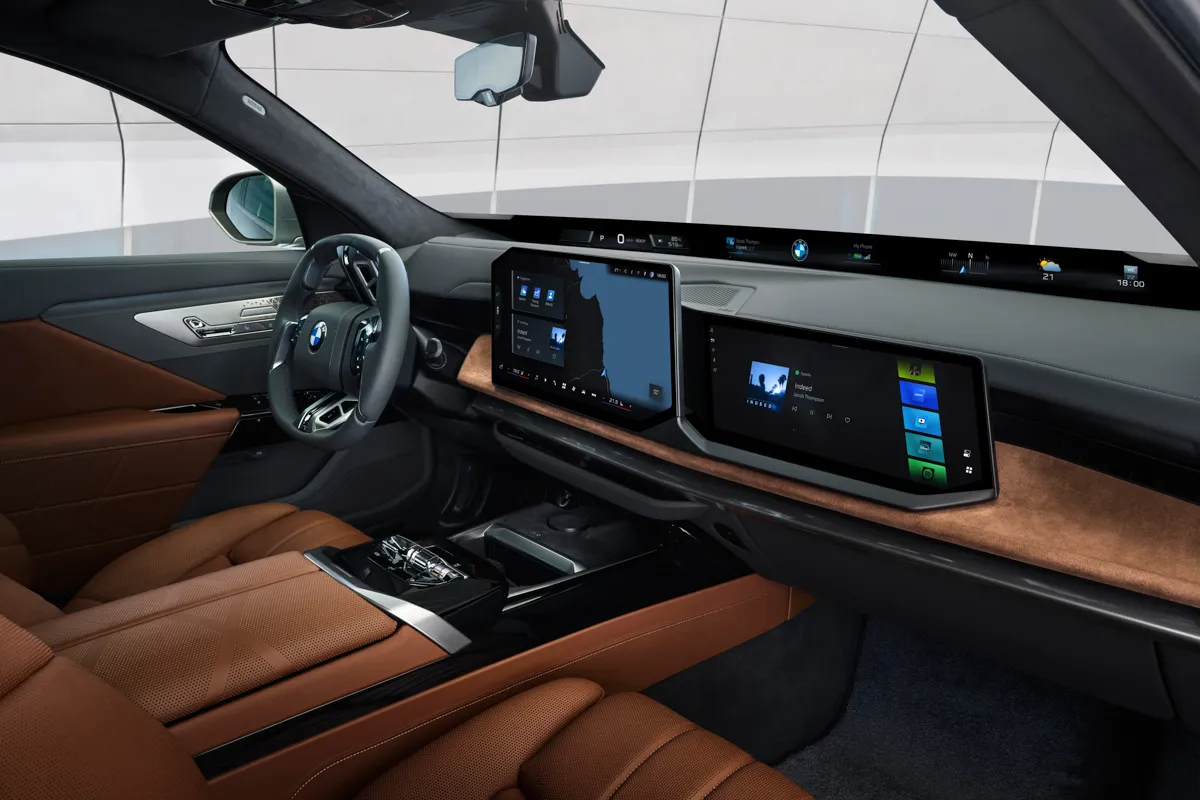
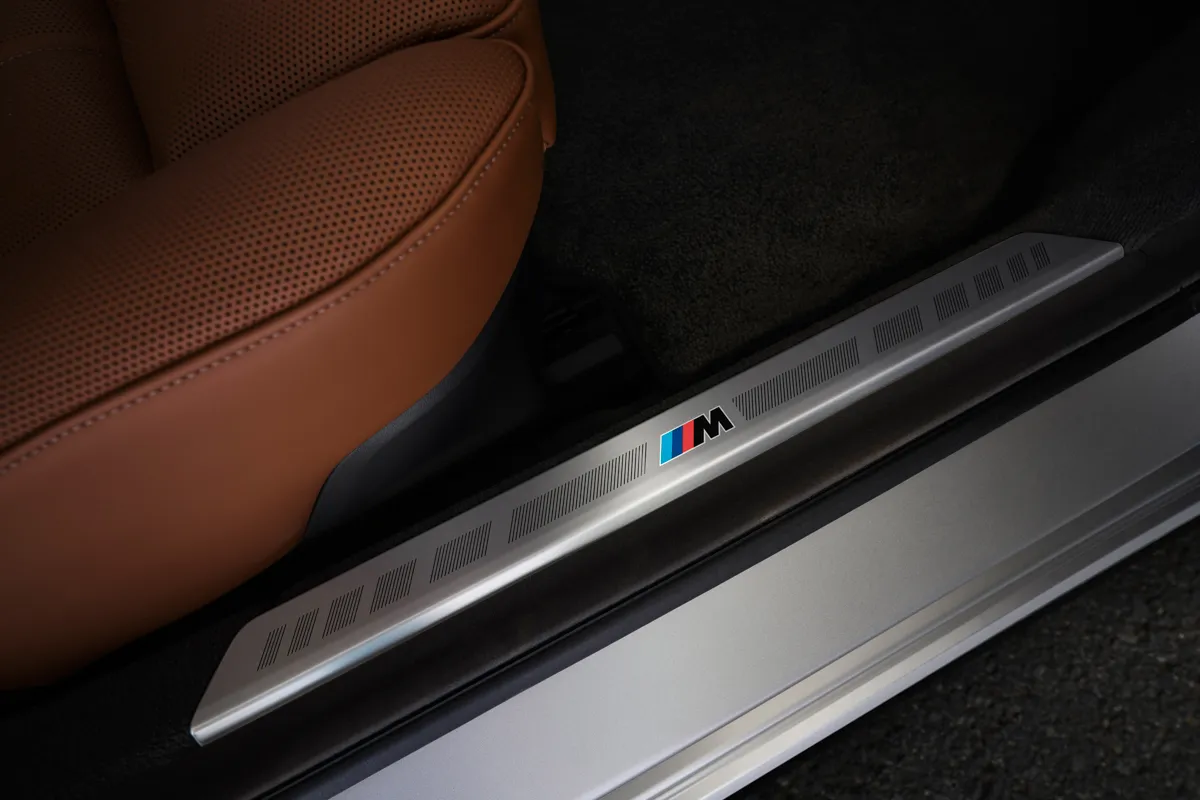
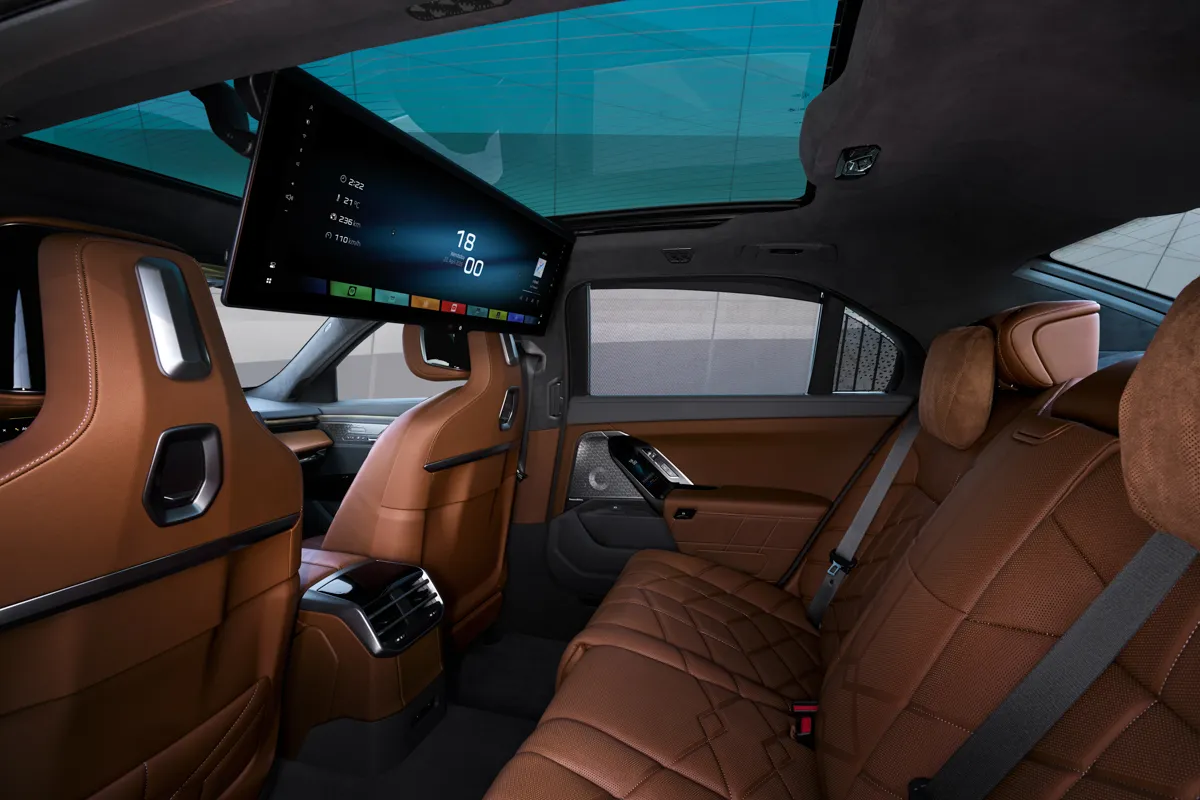
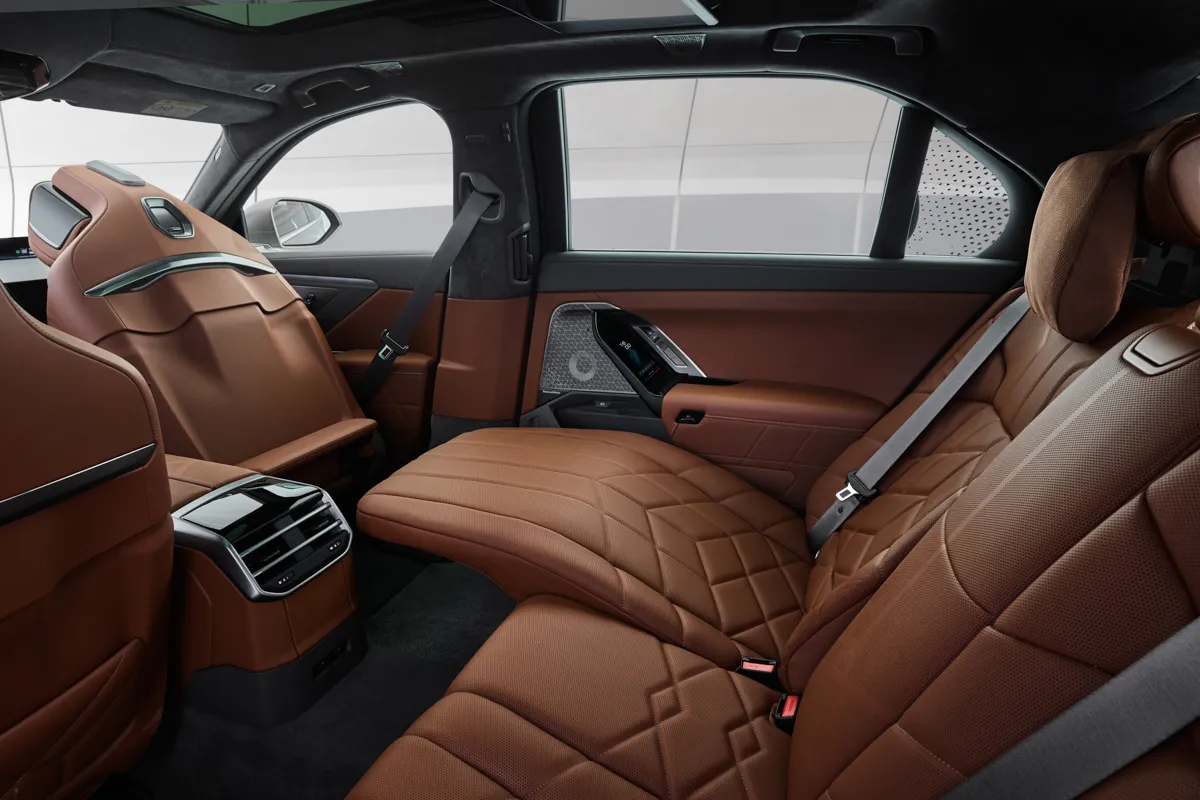
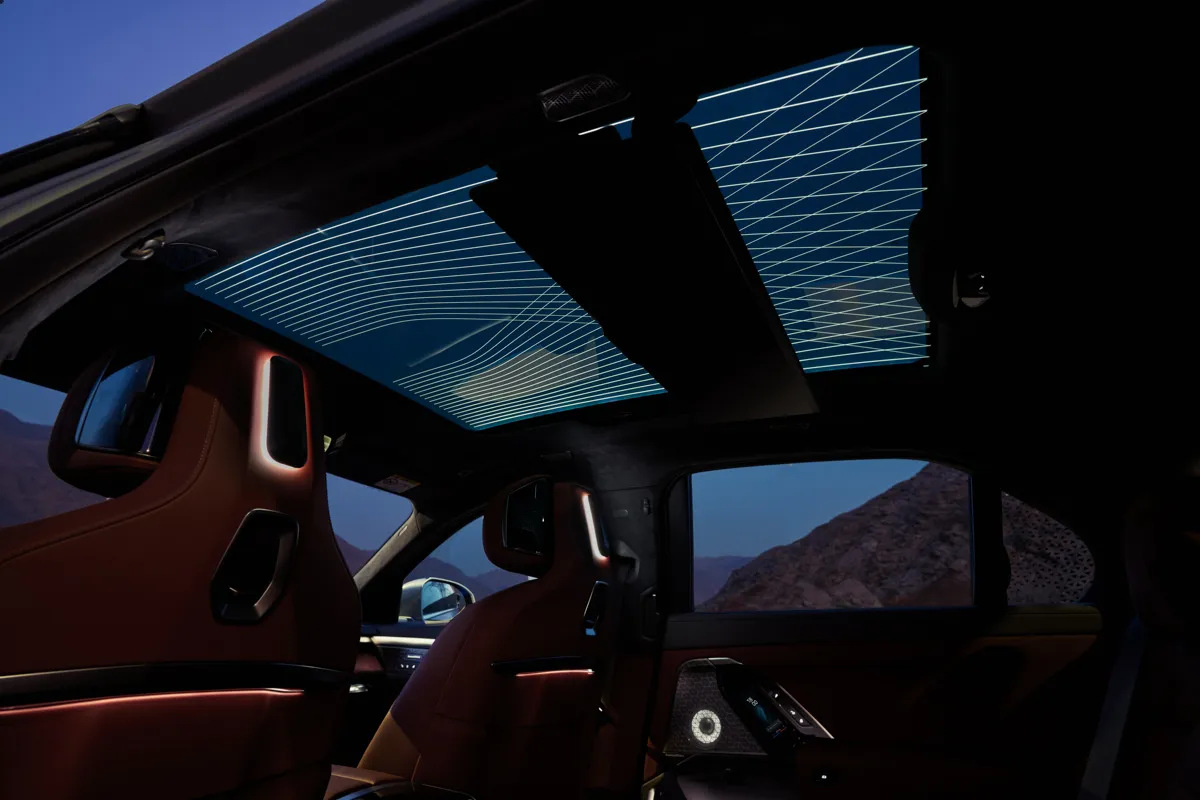
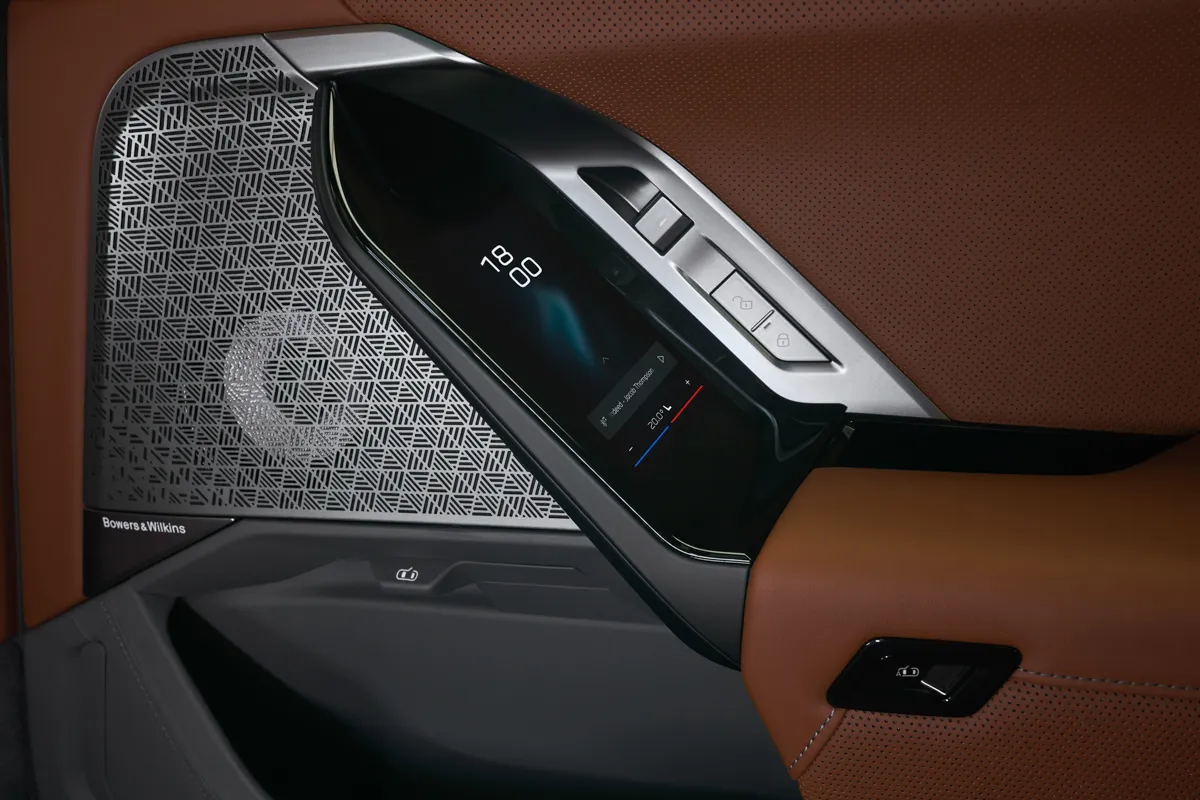
Step inside and you’ll not need a guide to help you spot the changes, like you might the exterior updates. BMW’s Panoramic iDrive, again first seen on the iX3 and then the i3, and coming to the facelifted 5-Series and i5, and new X5 soon, makes its debut here, bringing a full-width windscreen projection called Panoramic Vision and a 17.9-inch free-floating central display.
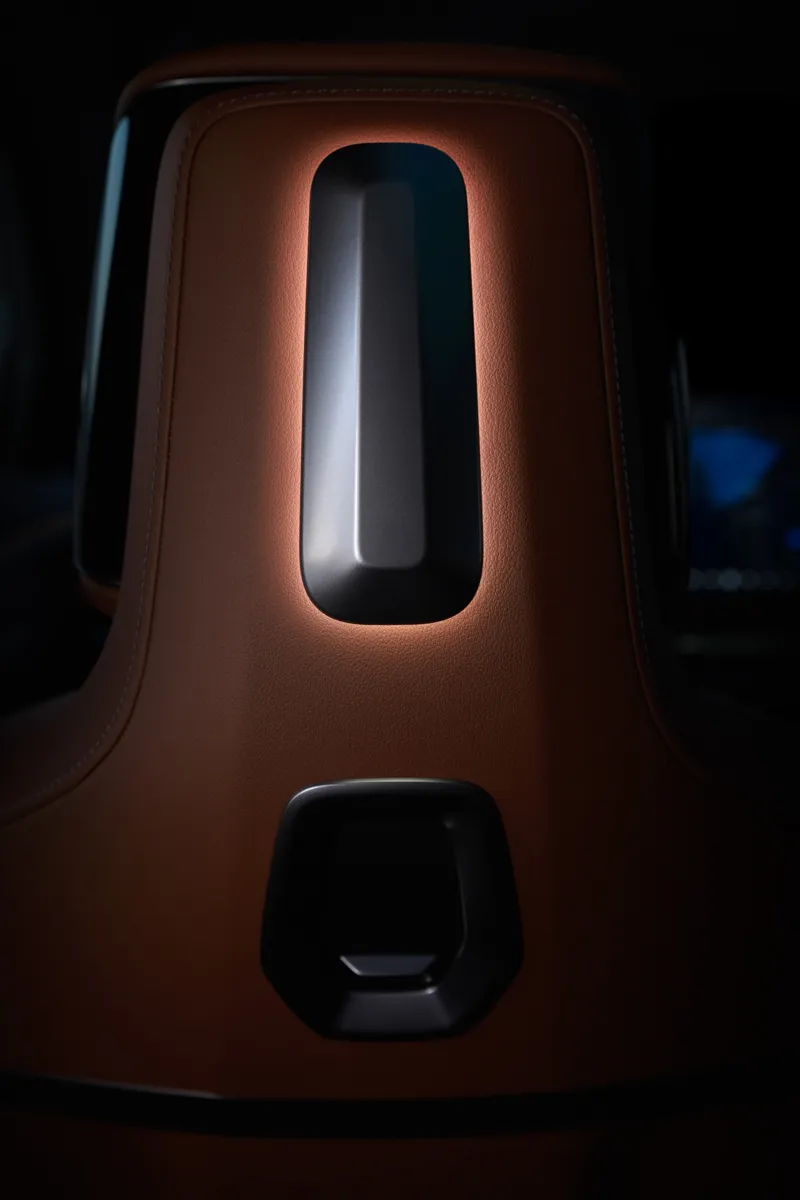
But in this case, there’s a standard 14.6-inch Passenger Screen for whoever’s riding shotgun. They get streaming, gaming, and TV, but you only get jealous: an interior camera dims it automatically if it detects driver distraction. Maybe it’s just us, but that second screen looks kind of clunky, like an afterthought. Mercedes’ latest full-width Hyperscreen setup is slicker.
Zoom On the Move
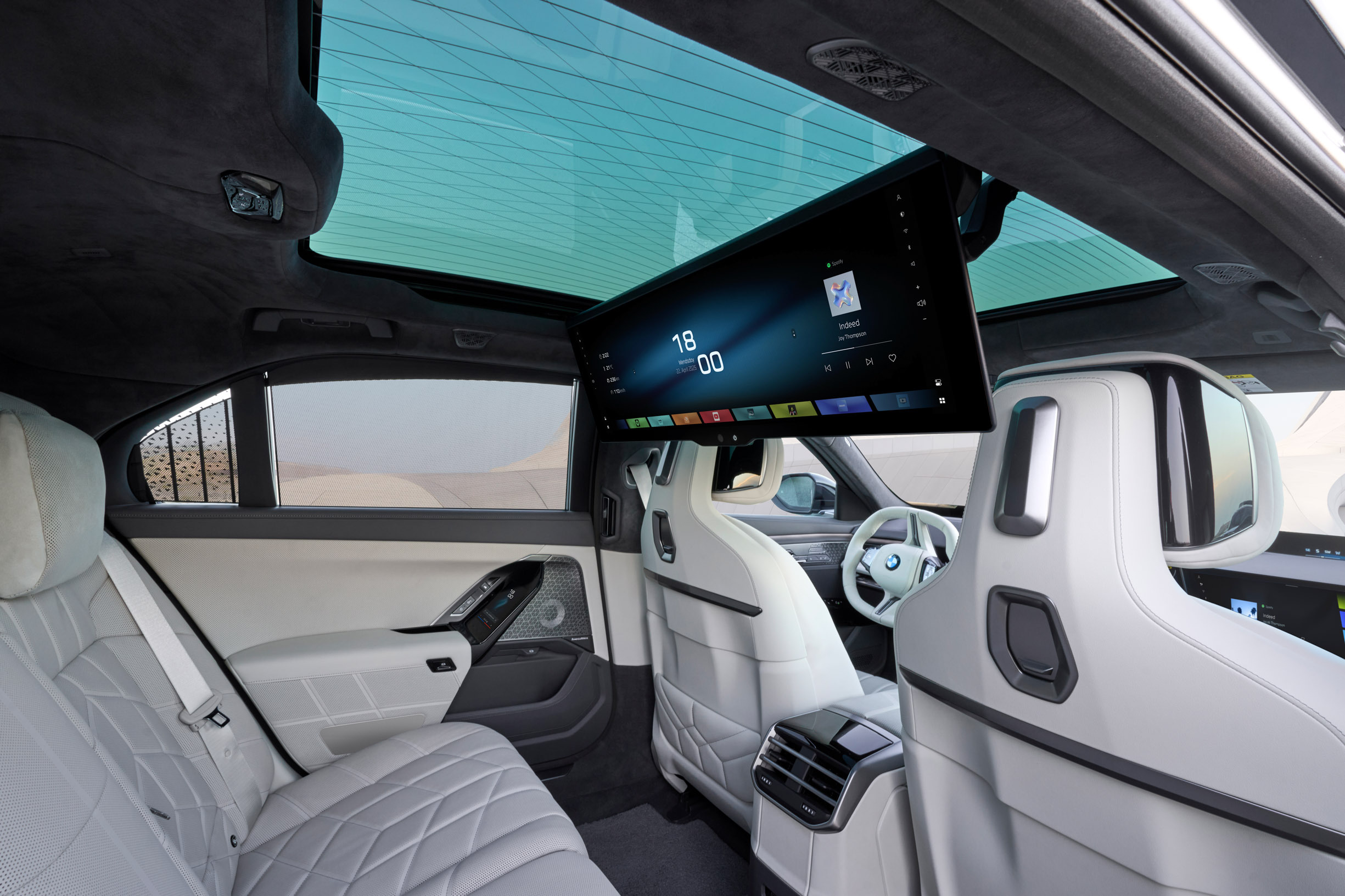
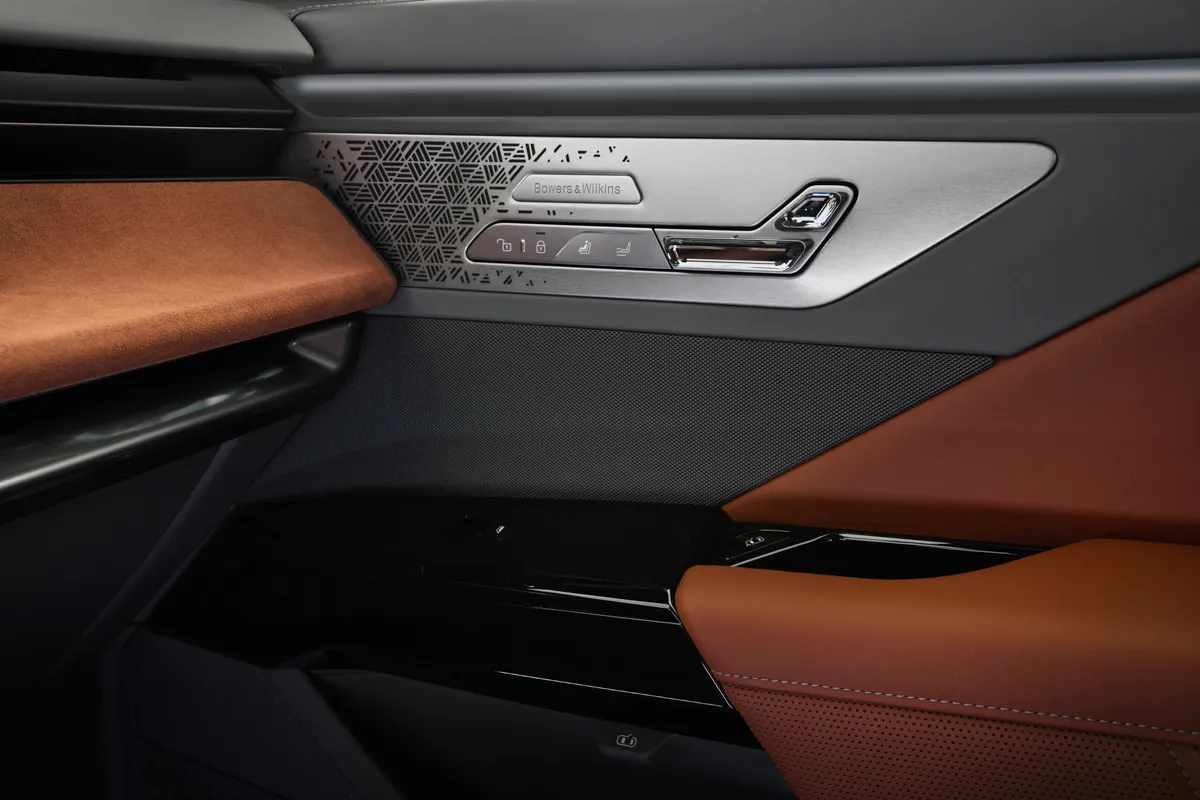
The rear Theater Screen that was such a big deal when the G70 7-Series debuted in 2022 hasn’t been left out of the updates. The 31.3-inch 8K display is now a touchscreen, supports Zoom video calls via a built-in camera, and has an HDMI input for a laptop or streaming stick, and Dolby Atmos through the optional 36-speaker, 1,925-watt Bowers and Wilkins Diamond system. It’s all optional, of course, but the standard kit includes a more modest but still very decent 18-speaker, 575-watt Bowers and Wilkins setup, so even base buyers aren’t exactly slumming it.
Powering all of this digital extravagance is a completely new electrical architecture borrowed from the Neue Klasse cars. It packs 20 times more processing power than before, and a zonal wiring harness that cuts around 2,000 ft (610 m) of cabling and sheds 30 percent of harness weight. The voice assistant had a serious upgrade too, now integrating Amazon’s Alexa+ AI for proper conversational interaction, smart home control, and streaming. BMW claims you can just talk to your 7-Series like you would a real person.
New Batteries, Extra Range
On the electric side of the 7-Series equation, the biggest news is found under the floorpan. BMW’s swapped to sixth-generation cylindrical cells that are 20 percent more energy dense, and bumped usable battery capacity up more than 10 percent to 112.5 kWh. All 2027 i7s come standard with an NACS port and can charge at up to 250 kW instead of 195 kW.
The 536 hp (544 PS / 400 kW) i7 60 xDrive makes the same power as before but now offers over 350 miles (563 km) of range rather than 311 miles (500 km), and can charge from 10 to 80 percent in just 28 minutes. It gets to 60 mph (97 kmh) in 4.6 seconds and costs $126,250, including $1,550 destination, up from $125,750 for the 2026 equivalent, the XDrive60.
At the lower end of the lineup, there’s no single-motor eDrive50 this year, but the equally powerful 449 hp (455 PS / 335 kW) i7 50 xDrive that replaces it looks like a better value at $107,750 (up from $107,250). We know it hits 60 mph in the same 5.3 seconds as the old rear-wheel drive car, but BMW hasn’t released a range figure.
ICE Upgrade, M Comes Later
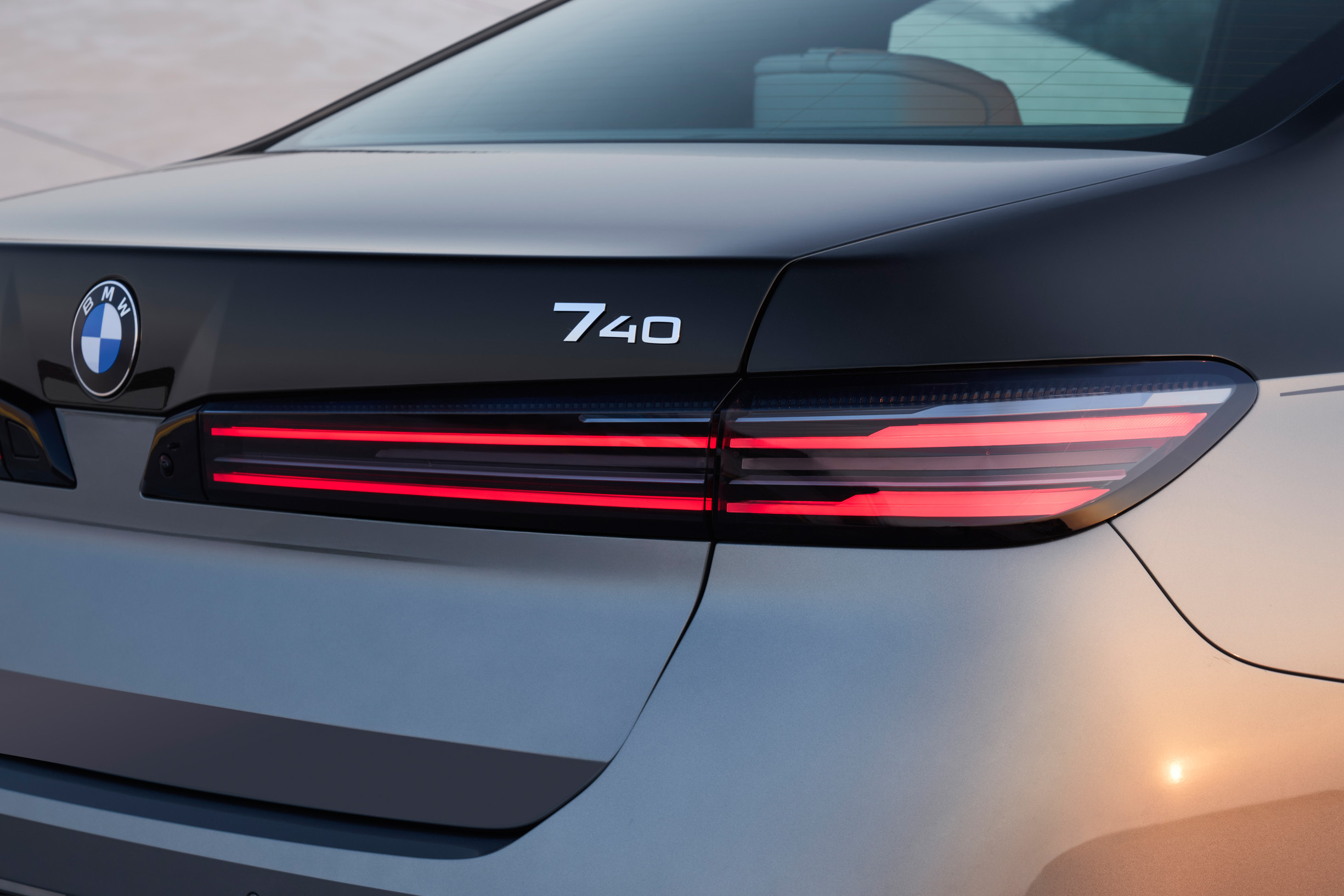
For those who’d rather have pistons, the 740 and 740 xDrive use a new-generation 3.0 inline-six making 394 hp (400 PS), or 19 hp/20 PS more than before, with the xDrive sprinting to 60 in under 5 seconds. Prices start at $101,350 and $104,350, respectively. A plug-in hybrid 750e xDrive follows in early 2027, pairing an inline six with an electric motor for the same 483 combined hp (490 PS) as the outgoing PHEV, and an unchanged 4.6-second zero-to-60.
There’s no mention of a direct replacement for 2026’s 650 hp (659 PS / 485 kW) electric M70, or the 536 hp (544 PS) 4.0-liter V8 760i xDrive, but BMW does say a V8 M Performance model arrives a little time after launch, and will probably take on that 760i ICE powertrain.
Scaling Back Autonomous Ambitions
Driver assistance has been overhauled under the banner of BMW Symbiotic Drive, a Level 2 system designed to assist without being annoying. It uses eye-tracking to understand driver intent, meaning the lane-keeping assist only nudges you when you’re actually drifting unintentionally. Wildlife detection has been added to automatic emergency braking, too.


Related: BMW Pulls The iX From America As A Better, Cheaper Alternative Waits In The Wings
Worth noting, though, is that this generation quietly drops the Level 3 autonomous driving capability that once made the 7-Series a genuine tech pioneer. BMW isn’t alone in retreating here. Mercedes has pulled back from Level 3 as well, both apparently concluding that the regulatory headaches and liability questions aren’t worth it when a really good Level 2 system is cheaper to develop and easier to sell.
Production kicks off in July 2026 at BMW’s Dingolfing plant with the i7s and 740s arriving in the US soon after. But the 750e xDrive PHEV doesn’t land until early 2027, some time before the V8-powered M Performance model.