- The electric Golf will be underpinned by VW’s new SSP architecture.
- VW is integrating Rivian’s zonal software into the next-gen platform.
- Production of the current Golf will shift to Mexico in mid-2027.
Volkswagen was supposed to launch the ninth-generation Golf in 2028, offering it as an EV for the very first time. However, the brand has now revealed that this will no longer be the case, in part to give VW enough time to ensure that a mass-market model like it is free of issues before it hits the market, unlike the original ID.3.
Speaking at the Financial Times Future of the Car summit in London earlier this week, VW brand chief executive Thomas Schäfer stated, “We have a fantastic line-up now that we do not need an electric Golf in 2028,” adding that VW is “well set with what we have in our portfolio with our vehicles.”
Read: Honda’s Civic Type R Held This Record For 3 Years, VW’s 321 HP Golf Just Took It Back
Schäfer didn’t provide an updated timeline as to when the new Golf could arrive, but we probably won’t see it until 2030 or later. Part of the delay can be attributed to VW’s launch schedule of its new Scalable Systems Platform (SSP), designed to replace the MEB architecture used by many of its current EVs.
A Golf With Rivian Tech
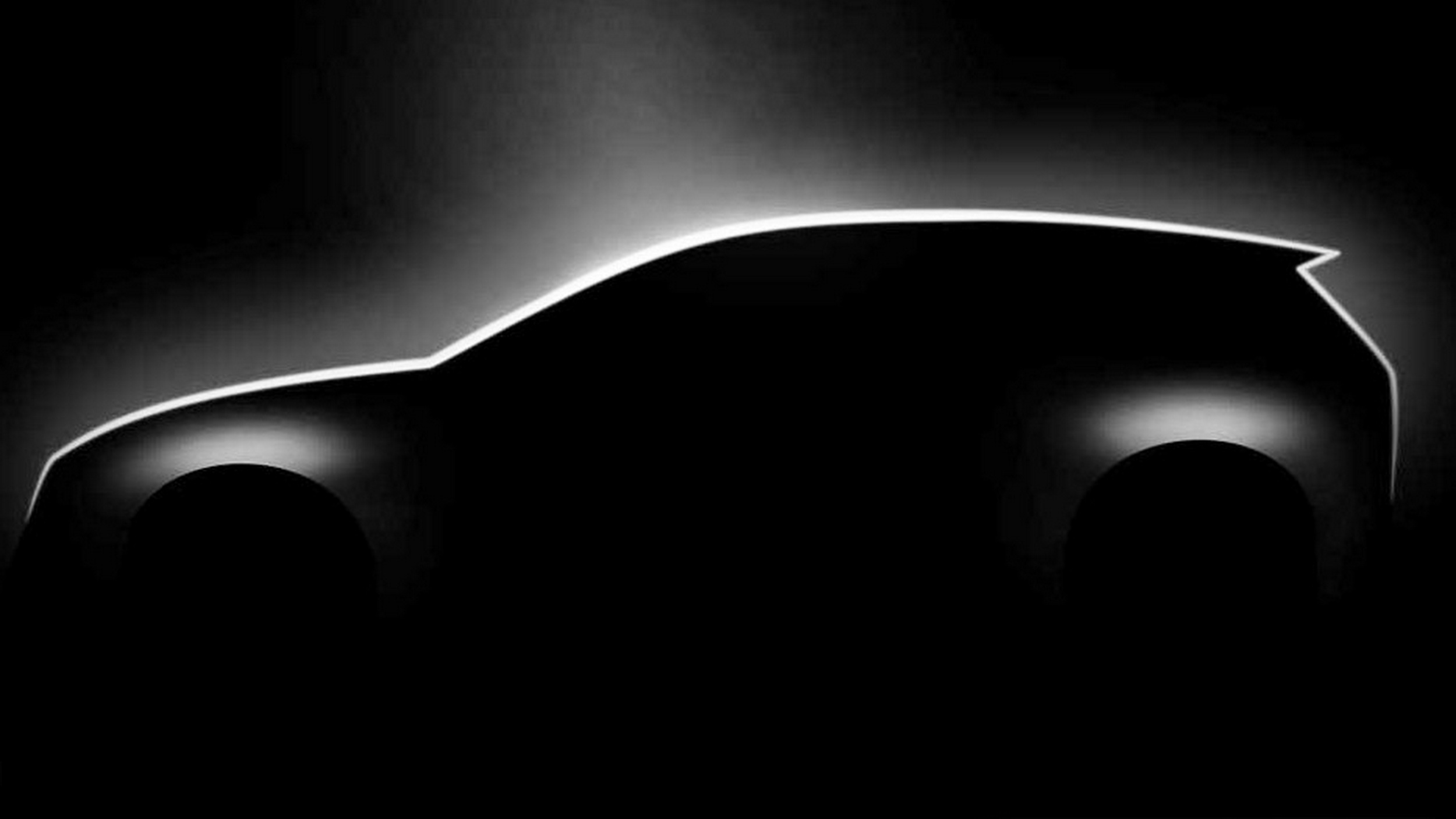
This platform will first be used by Audi, then introduced to Porsche models, and later used to underpin VW models. The slow timeline for getting this platform to market is due in part to its integration of an 800-volt system and the use of software co-developed with Rivian. As noted by Automotive World, using this new zonal architecture software on a vehicle as popular as the Golf isn’t something that can be rushed.
In the interim, VW has more than enough offerings for those in the market for a small and affordable EV. It recently unveiled the new ID.3 Neo and ID. Polo models, and is also planning to launch an electric ID. Cross later this year, and then an ID. Tiguan. In addition, the current Golf isn’t going anywhere, and its production will shift from Wolfsburg, Germany, to a plant in Mexico in the middle of next year.
Importantly, the current Golf will remain in production alongside the all-electric, ninth-generation model. However, updates will be made to the current car to make it look similar to the EV.