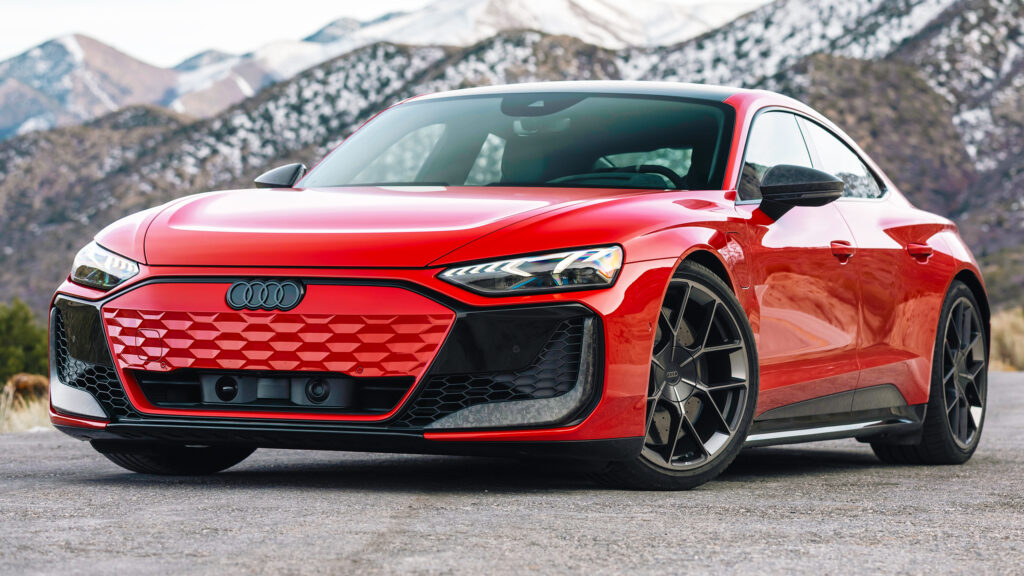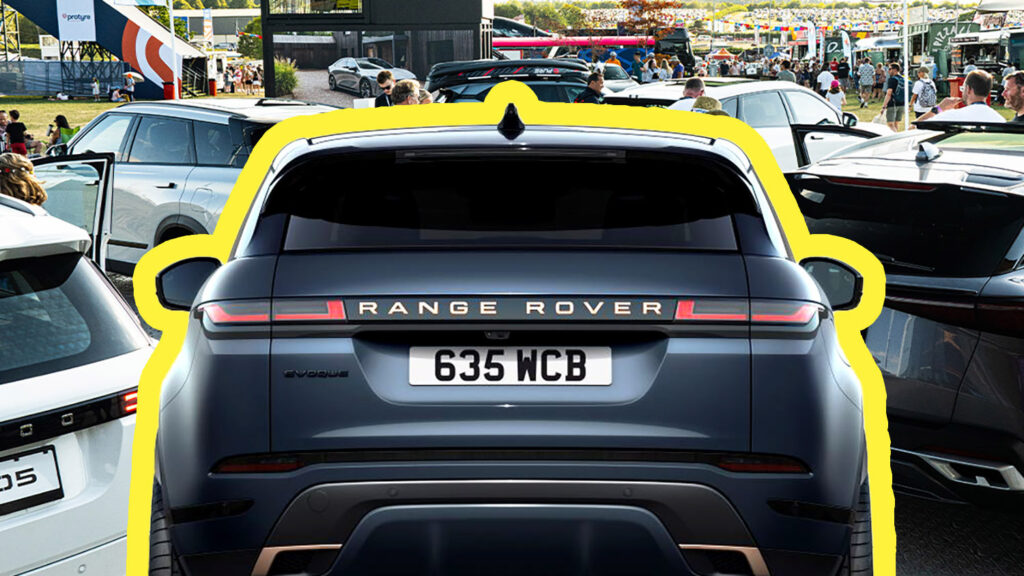











- European car sales dropped 3.5 % in January.
- EVs grew their market share to almost 20 %.
- Hybrids are the most popular vehicle type.
Europe’s new car market didn’t exactly start the 2026 race in a flurry of smokey wheelspins. Registrations across the EU, UK, and EFTA slipped 3.5 percent year-on-year to 961,382 units in January. But beneath that soggy headline number, one brand was busy throwing its own party.
And it wasn’t Tesla. Across the EU, UK, and European Free Trade Association (EFTA) regions combined, Tesla registrations dropped 17.0 percent to 8,075 cars in January. That left the American EV giant with a 0.8 percent market share, down from 1.0 percent a year earlier, according to data from industry body ACEA.
It was also Tesla’s 13th consecutive month of declining sales in Europe, a reminder that this is no short-lived dip.
Also: Tesla’s Sales Collapsed By Nearly 90% In The Land Of EVs
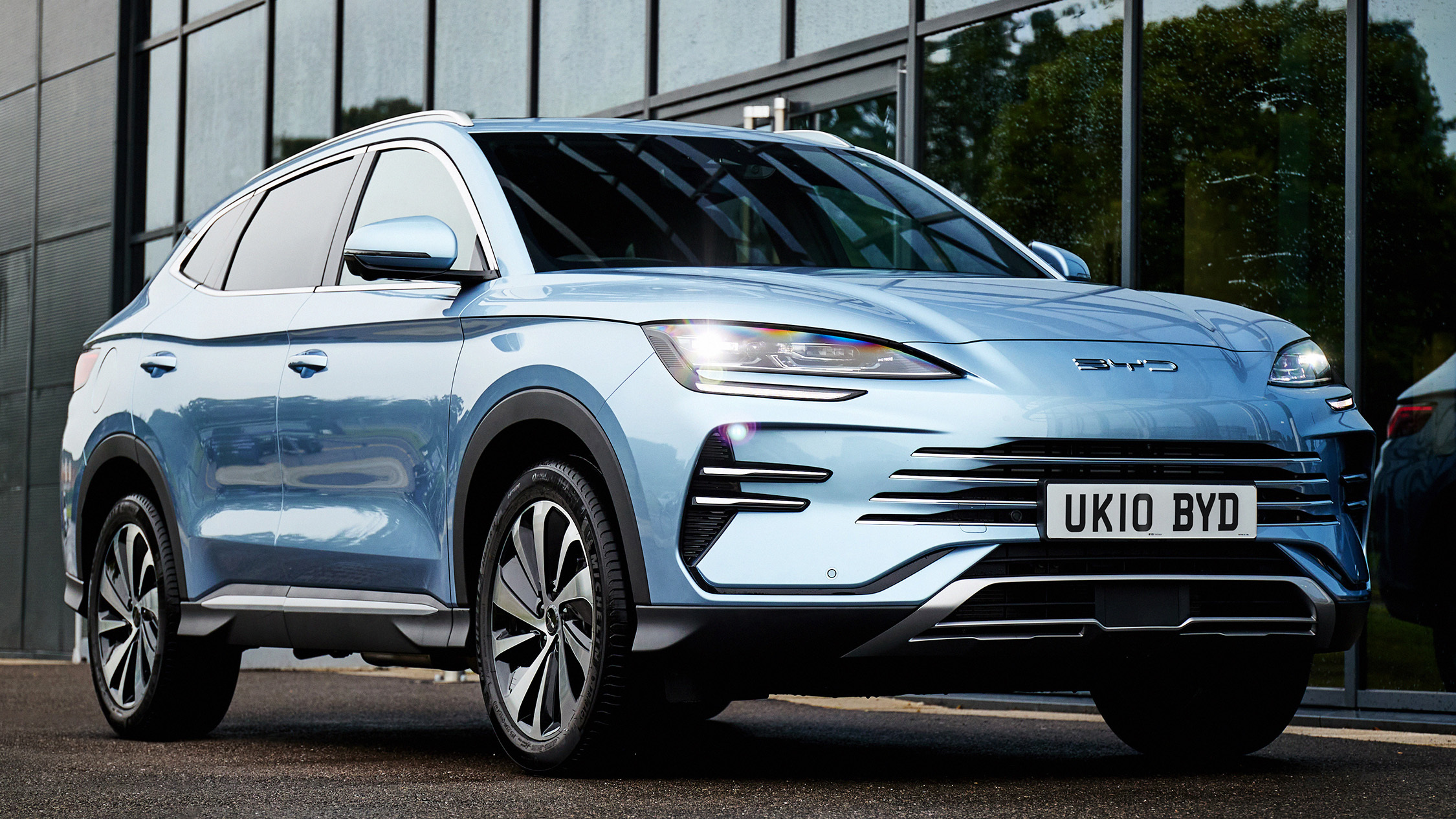
BYD, meanwhile, went into overdrive with its mix of EVs and hybrids. The Chinese brand shifted 18,242 cars across the same region, an impressive increase of 165.0 percent year-on-year (175 percent in the EU alone), and its share climbed to 1.9 percent, more than double Tesla’s slice of the pie.
Dacia’s Fall From Glory
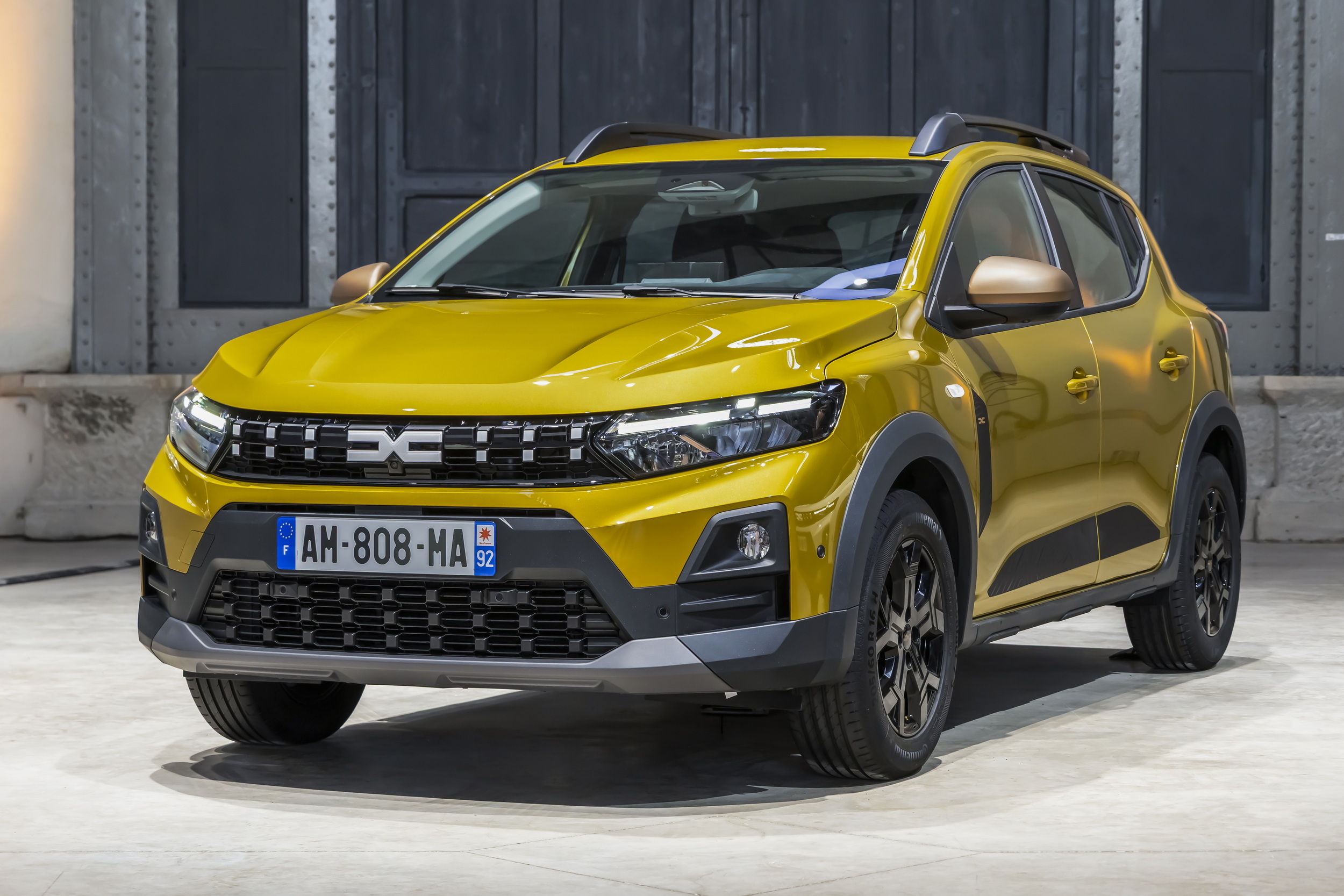
Tesla was far from the only automaker to take a beating in January. Renault Group also had a bruising month, its sales falling 15.0 percent to 83,201 units. That is a slide not too far off Tesla’s in percentage terms, though the Renault brand itself was up 4.4 percent. It was Renault-owned Dacia’s disastrous 35 percent drop that ruined the overall picture.
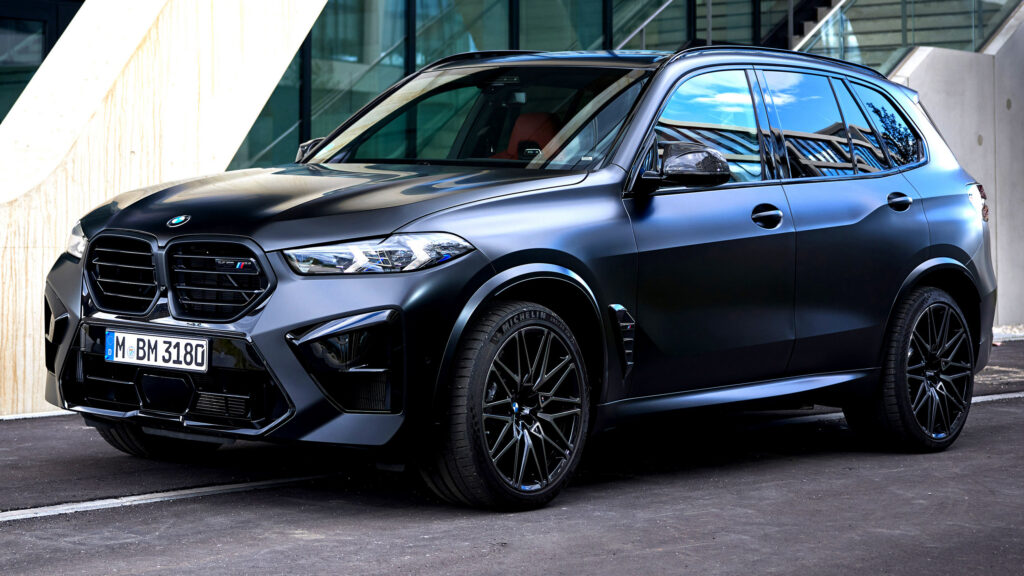
BMW (down 8.7 percent) and the VW brand (down 11.2 percent) were also left licking their wounds, while sister companies Mini (up 11.2 percent) and Skoda (up 10.1 percent) gleefully rubbed salt in them.
One In Five Cars Now An EV
On the powertrain front, the shift to electrification keeps gathering pace. Sales of battery electric cars climbed 13.9 percent, meaning they now account for 19.3 percent of the EU market in January, up from 14.9 percent a year earlier. And plug-in hybrids climbed 32.2 percent while petrol registrations plunged 25.7 percent and diesel slid 22.0 percent.
Country by country, the picture was mixed. Germany and France both saw total registrations fall 6.6 percent, but their EV registrations jumped by 23.8 and 52.1 percent, respectively. And Norway, always an EV bellwether, endured a dramatic 76.3 percent drop in overall registrations, mostly due to the end of government incentives.