- VW confirmed two facelifts for the EU-spec Tiguan.
- ICE-powered production now expected to last until 2035.
- Facelifted ID.4 may adopt the ID. Tiguan name in 2027.
Volkswagen has offered the first glimpse of the next-generation Golf but the same announcement in Wolfsburg also brought notable news about the Tiguan. The compact SUV is set for two major updates that will effectively extend its lifecycle until at least 2035.
During the first meeting of 2026, Works Council Chairwoman Daniela Cavallo revealed that Volkswagen is planning “two extensive product upgrades for the best-selling Tiguan for the years 2028 and 2031”.
Review: We Drove The 2025 VW Tiguan And It’s Not What You Expect, But It’s What You Need
Cavallo was referring to the European-market Tiguan which debuted in September 2023, followed by the larger Tayron in October 2024. That model later evolved into the North American-market Tiguan, although without the third-row seating and hybrid options.
The Double Facelift Strategy
Most models receive a single mid-cycle refresh before slowly drifting toward retirement. The Tiguan, however, is getting special treatment. VW has already locked in two updates for the SUV, which rides on the MQB Evo architecture.
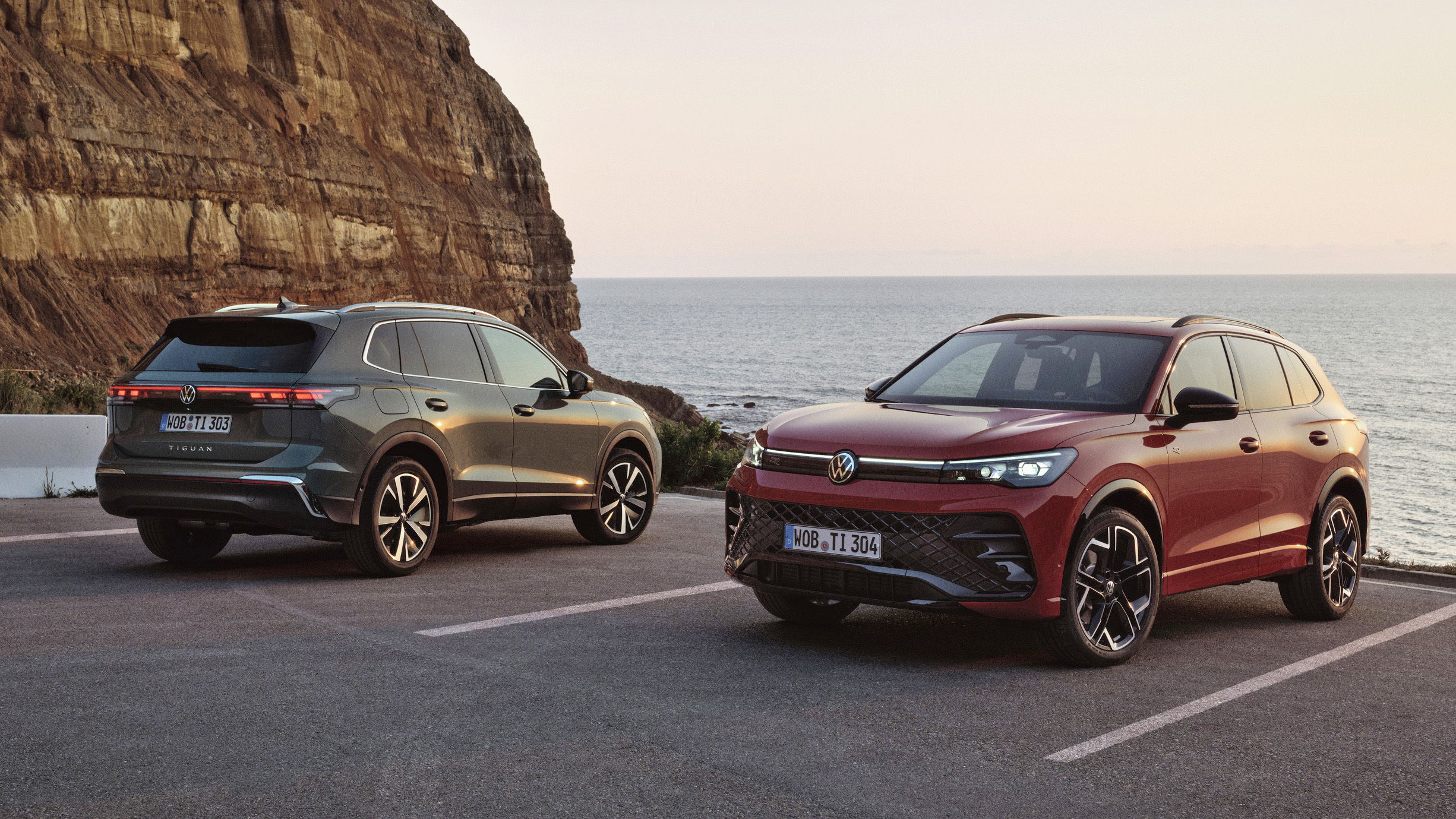
The first facelift, scheduled for 2028, will likely bring the interior tech up to speed with Volkswagen’s newer models. Expect a renewed focus on physical controls, paired with more capable software. If recent VW updates are anything to go by, exterior changes may stay fairly restrained, limited to revised bumpers and LED lighting signatures, plus a few new colors and wheel designs.
More: The Tiguan R Could Return Stronger Than Ever
The second facelift is planned four years later, or eight years after the current generation first arrived. That update should deliver more noticeable design revisions, keeping the Tiguan looking current in the crowded compact SUV segment and aligned with Volkswagen’s evolving design language.
Powertrains will also need attention. A stronger dose of electrification will likely be required to keep the lineup compliant with Europe’s steadily tightening emissions rules.
Increasing Life Expectancy
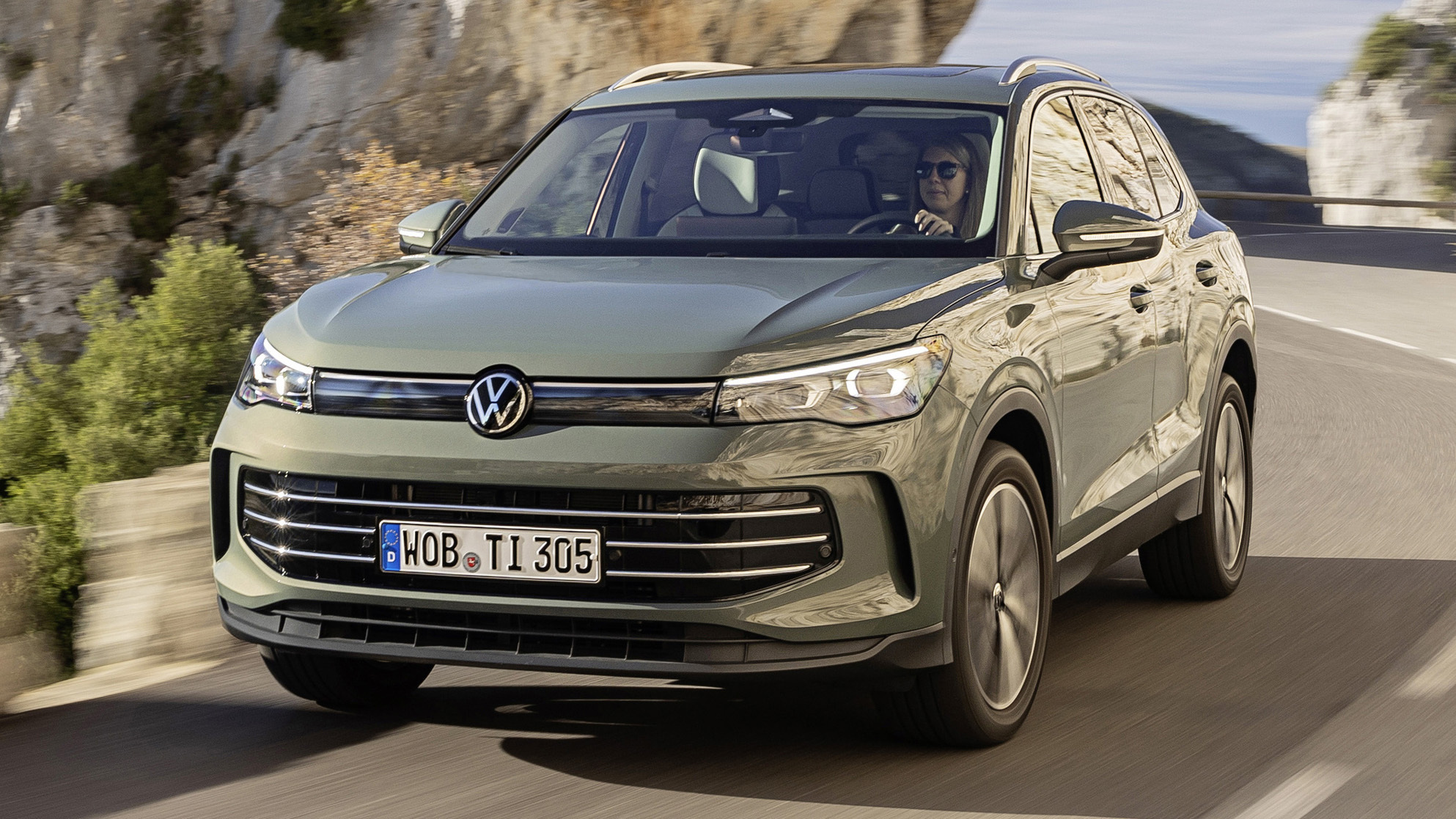
By launching a major refresh as late as 2031, Volkswagen is effectively guaranteeing the ICE-powered Tiguan a long life. The new plan pushes the SUV’s lifecycle to at least 2035, lining up with company plans to keep combustion engines on sale in Europe until the middle of the next decade.
More: VW Liked Its Design Boss So Much, He’s Now Leading Every Brand
A similar fate appears likely for the current ICE-powered Golf. Reports suggest it could remain on sale until around 2035, even after the fully electric ID. Golf arrives before 2030. So while the electric future is clearly coming, Volkswagen is not in a rush to turn off the lights on its combustion models.
Production remains split across two continents. The EU-spec Tiguan is built in Wolfsburg, Germany, alongside the Tayron, while the US-spec version rolls out of Volkswagen’s Puebla plant in Mexico. The company has not confirmed long-term plans for either model, but a pair of facelifts sounds far more plausible than funding entirely new generations.
What About The ID Tiguan?
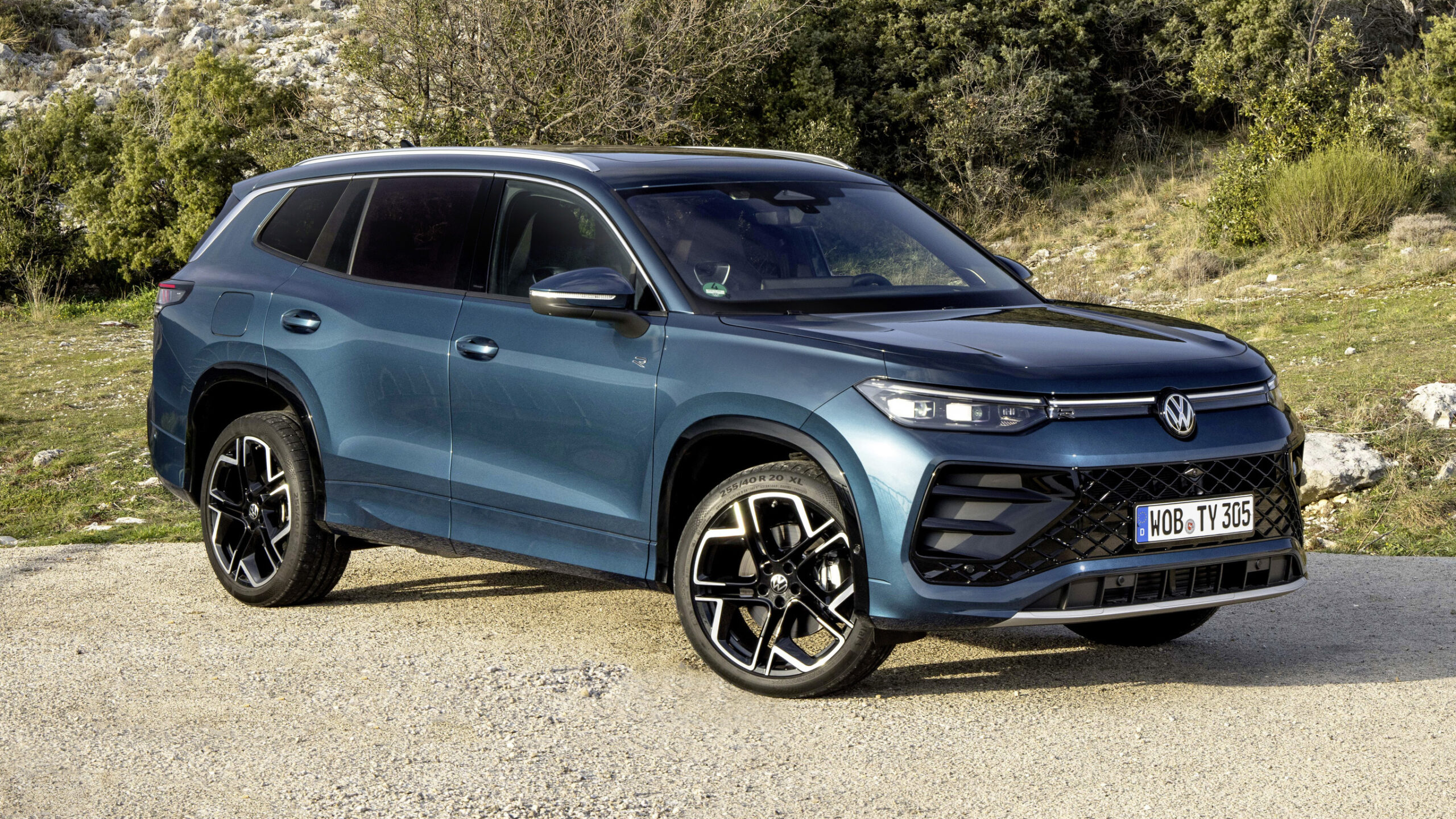
Volkswagen has also confirmed two upcoming EVs built in Wolfsburg on the new SSP architecture. They are the ID. Golf and the ID. Roc, both expected to arrive toward the end of the decade. Before their arrival, the company plans substantial updates for the current MEB-based ID.3 and ID.4.
More: VW’s 1 Millionth EV Took 12 Years, Its 2 Millionth Took 10 Months
While nothing is official yet, the facelifted ID.4 is rumored to adopt the ID. Tiguan name as part of Volkswagen’s new naming strategy. The electric crossover is also expected to abandon its curvier styling in favor of a more traditional SUV design. Inside, look for a heavily revised cabin and mechanical upgrades aimed at improving power, range, and efficiency.
By keeping the Tiguan name alive across two different platforms, VW is hedging its bets. Whether buyers choose hybrid or fully electric, Wolfsburg seems keen to make sure there is still a Tiguan sitting in the driveway over the next decade.