- Corolla prices in Japan have risen sharply over ten years.
- Some versions show increases nearing sixty percent.
- US Corolla pricing has tracked closely with inflation.
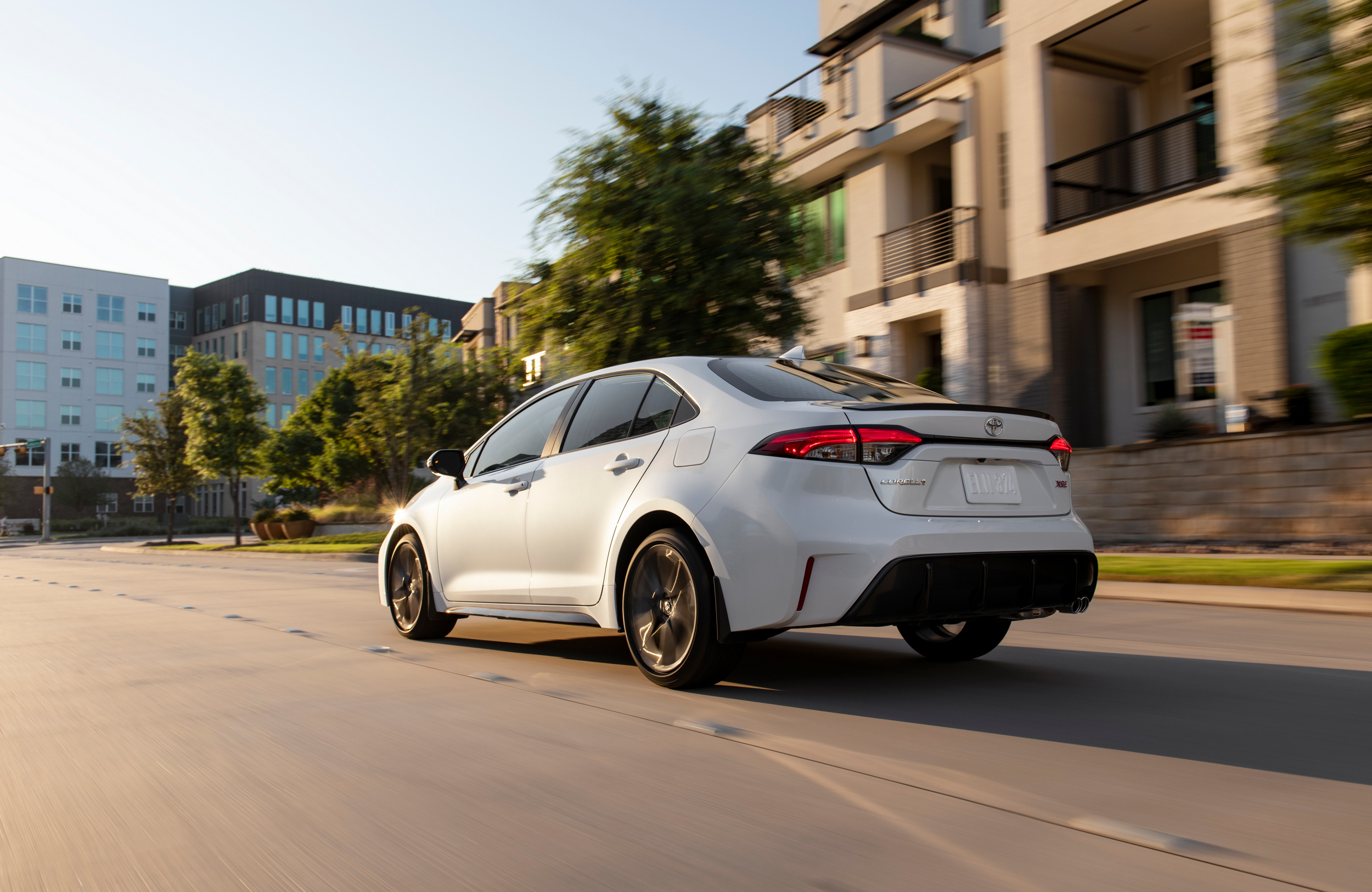
Inflation can be unforgiving, and anyone who has priced a new Toyota Corolla in Japan recently has likely felt the impact firsthand. Depending on the model you compare, the nameplate’s entry price in its home market has risen somewhere between almost 40% and nearly 60% over the past decade, edging some budget-conscious buyers out of the showroom.
According to a report from Nikkei Asia, citing data from the Statistics Bureau, the Corolla’s starting price climbed from ¥1.45 million (equal to $9,300 at current rates) in 2015 to ¥2.28 million ($14,500) in 2025. That works out to a 57.2% increase, which is enough to make even a famously sensible sedan look pricey.
More: New Toyota Corolla Is Done Playing The Boring Sedan Game
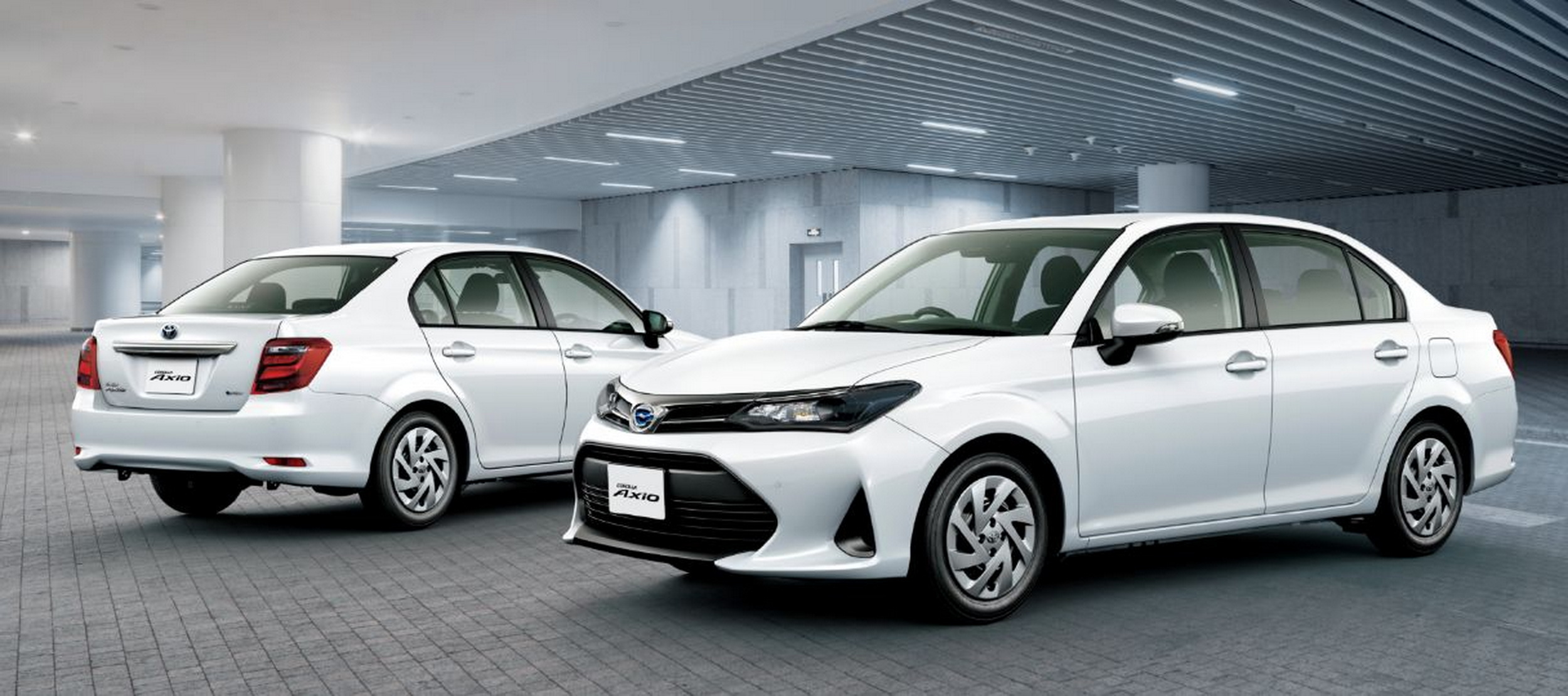
However, despite the headline figure in the report, the reality is a bit more nuanced. The Corolla sedan sold in 2015 was the budget-focused Corolla Axio, which was discontinued last year at a final price of ¥1.64 million ($10,500). Viewed in that light, its increase over a decade comes to a more restrained 13%.
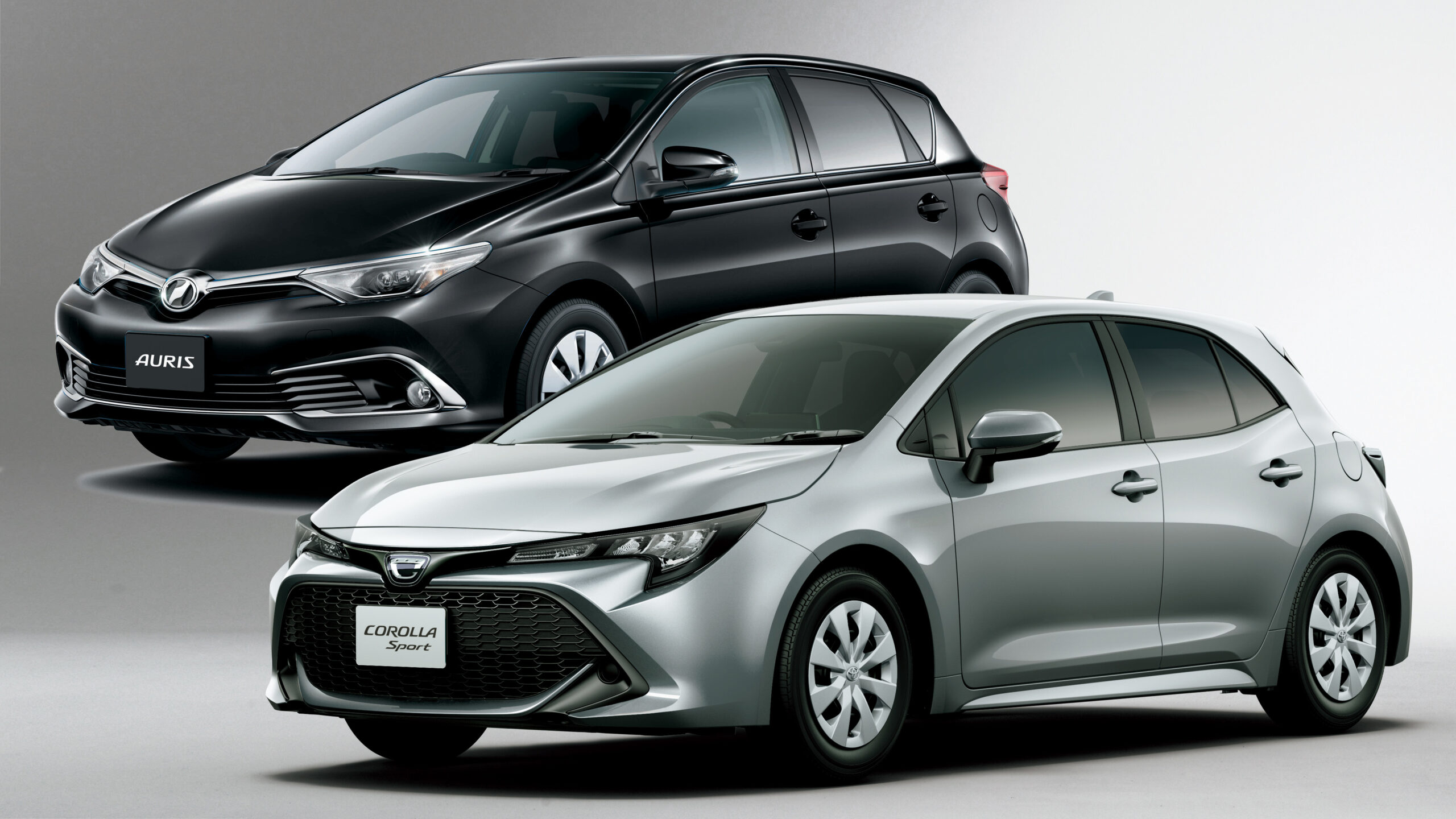
For a cleaner price comparison between global-spec compact hatchbacks, the 2015 Auris started at ¥1.79 million ($11,400). Its modern counterpart, the 2025 Corolla Sport, begins at ¥2.46 million ($15,700), marking a 37.4% jump.
Inflation Hits Every Segment
Of course, the Corolla is hardly alone in this. According to the report, between 2015 and 2025, kei cars in Japan became 33% more expensive, reaching ¥1.76 million ($11,200). Over the same period, the average compact passenger vehicle rose 31% to ¥2.39 million ($15,200), while large models climbed 24% to ¥3.72 million ($23,700). Inflation has not exactly been selective.
More: You Won’t Be Seeing These Stretched 2026 Corollas Over Here
At the same time, data from Japan’s Ministry of Health, Labor and Welfare shows that the average worker’s pay increased by just 10% during that stretch. The math is not complicated. Cars have become a lot more expensive in Japan, even more so once you factor in higher gasoline prices, parking fees, and even used vehicle costs.
Against that backdrop, it is little surprise that car-sharing has expanded rapidly. The number of car-sharing vehicles in Japan was five times higher in 2024 than it was in 2014.
The Situation In The US
In the United States, the MSRP of a base Toyota Corolla has risen from $17,300 a decade ago to $22,725 for the 2026 equivalent sedan, an increase of 31.4%. That is almost perfectly in line with general Consumer Price Index inflation of roughly 31.8% over the same period. Step back to look at the wider market, though, and the story becomes more intense.
More: Trump Tariffs Pushed Some MSRPs Up $4,000, But US-Made Cars Now Top 55%
Since 2016, the average transaction price for a new vehicle in the US has climbed nearly 47%, crossing the $50,000 mark for the first time last year. Over roughly the same 10-year stretch, seasonally adjusted nominal average hourly earnings for all private-sector workers rose by a nearly identical 46.5%, according to the US Bureau of Labor Statistics. Keep in mind that figure reflects an average, not median pay, and it is not adjusted for inflation.