- Automakers in the US are taking sharply different paths toward EV adoption.
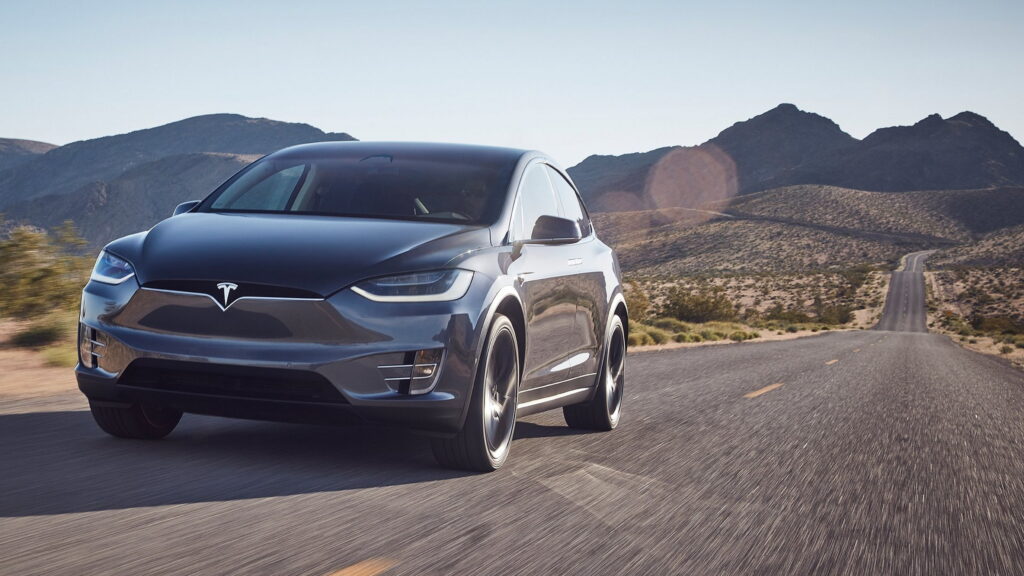
- Some, like Toyota and Mercedes, continue with a measured approach to new EVs.
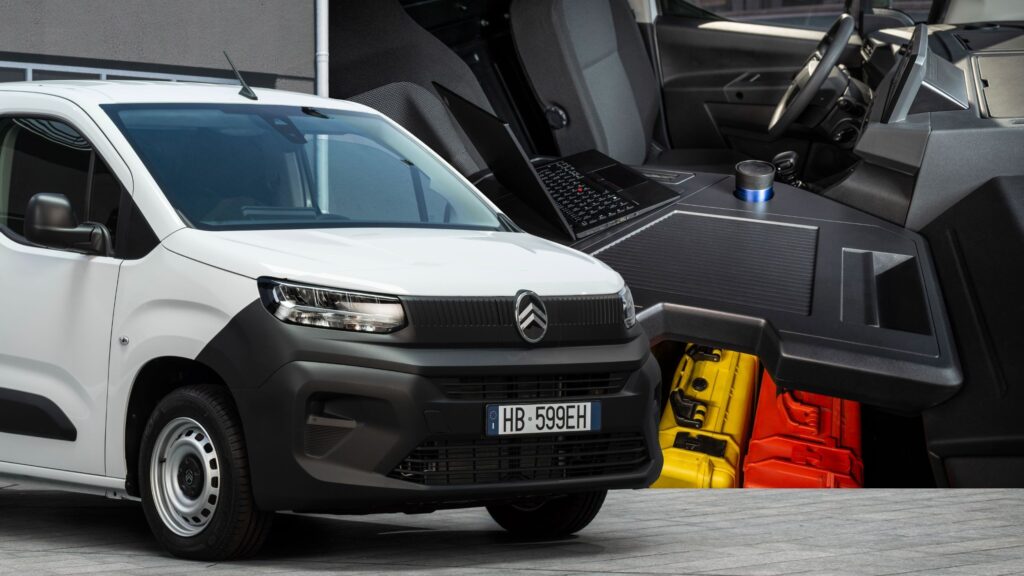
- Others, such as Honda and Stellantis, are cutting back on their planned EV launches.
The auto industry is at a crossroads with EVs, and this is becoming increasingly evident. Nearly every automobile manufacturer has been forced into some level of self-reflection as far as electric cars are concerned. Some are forging ahead in hope, while others are slowing down and reassessing their plans as market demand fluctuates and prices rise.
Also: These Are The Best-Selling EVs In America This Year So Far
The recent developments in the industry portray the picture of how fragmented everything has become. Some have already abandoned or delayed EV projects since it has emerged that the growth they were envisaging was not that imminent. Others are in the process of doubling down and are taking this as a chance to leapfrog, as competition takes a breather.
Slow And Steady Wins The Race?
Toyota is one of the companies that continues to go on the offensive. It will launch four electric models in the U.S. towards the end of the year, including the bZ, bZ Woodland, C-HR, and a three-row Highlander EV.
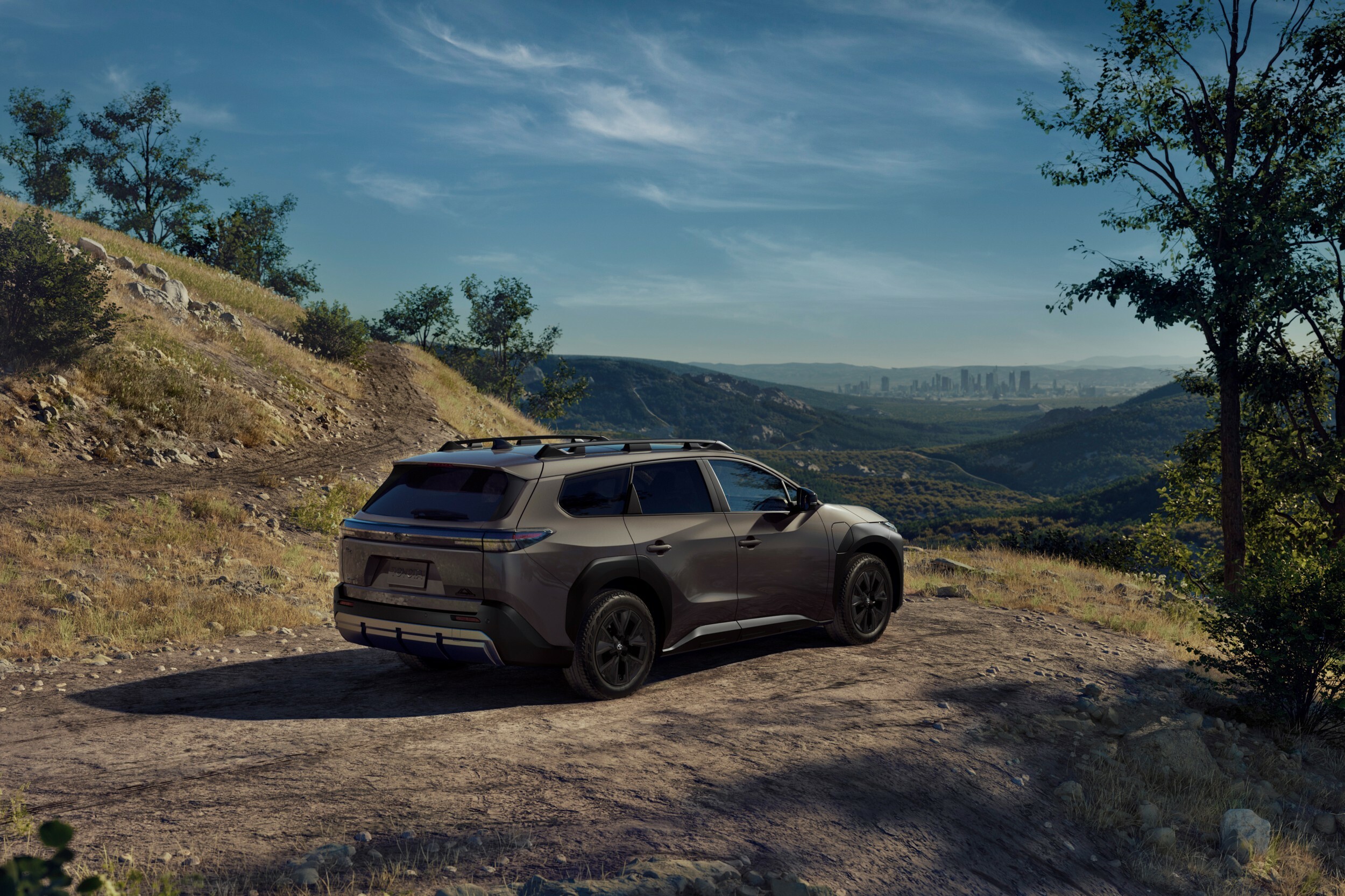
Speaking to Automotive News, analysts from iSeeCars and Edmunds expressed positivity on Toyota’s approach. Toyota had attracted criticism for its slow approach towards EVs, but its measured approach seems to have left it in good standing. The ratio of hybrids, gas cars, and EVs the company has had over the years is finally starting to pay off because it will be able to be flexible as the market readjusts.
Pull Backs And Uncertainty
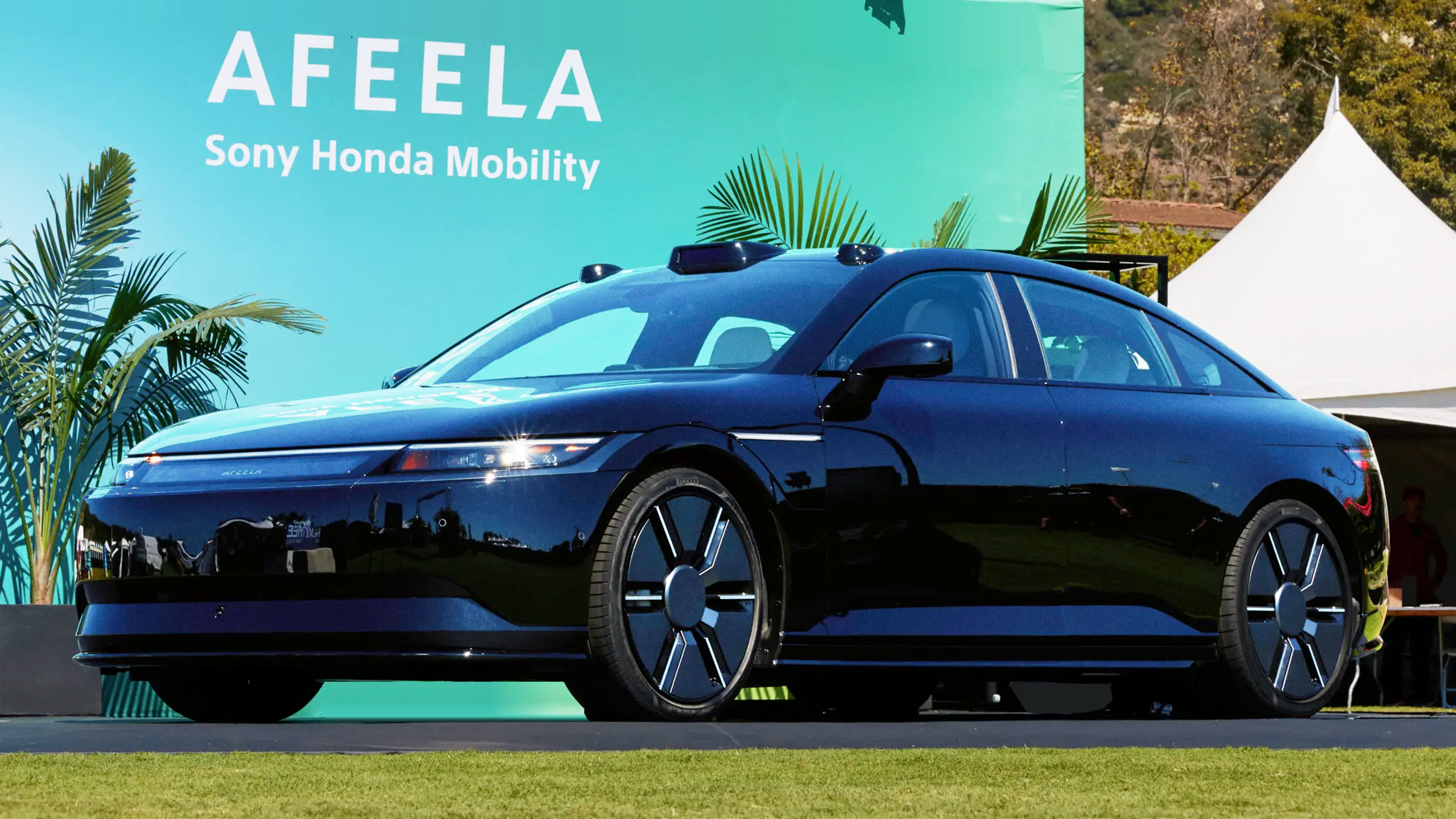
One of the biggest shifts in EV planning has to have been from Honda. The Japanese company has scrapped a number of future electric models and is shifting to hybrids. This move comes with a financial hit, but the company believes that it is a more prudent short-term decision since EV demand has not yet evened out.
Read: Toyota’s bZ Outsold The Prius, And Now A Second US-Made Electric SUV Is Coming
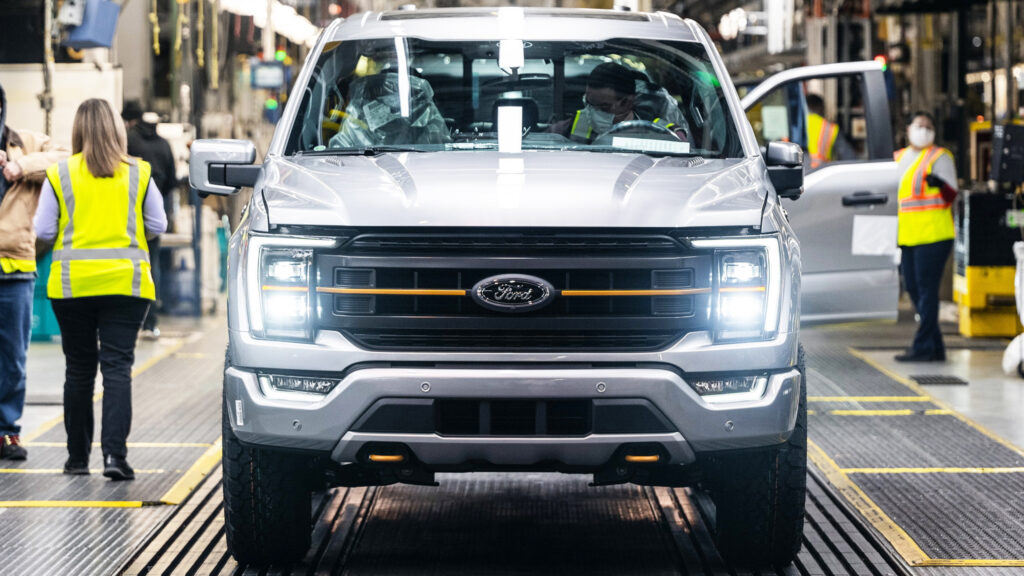
Stellantis is taking the same route, scrapping its electric Ram pickup and delaying other EV plans in Europe. Ford and General Motors are not giving up on electric vehicles, but instead, they are streamlining their production to suit demand rather than overloading it too soon. It is not about quitting but timing things.
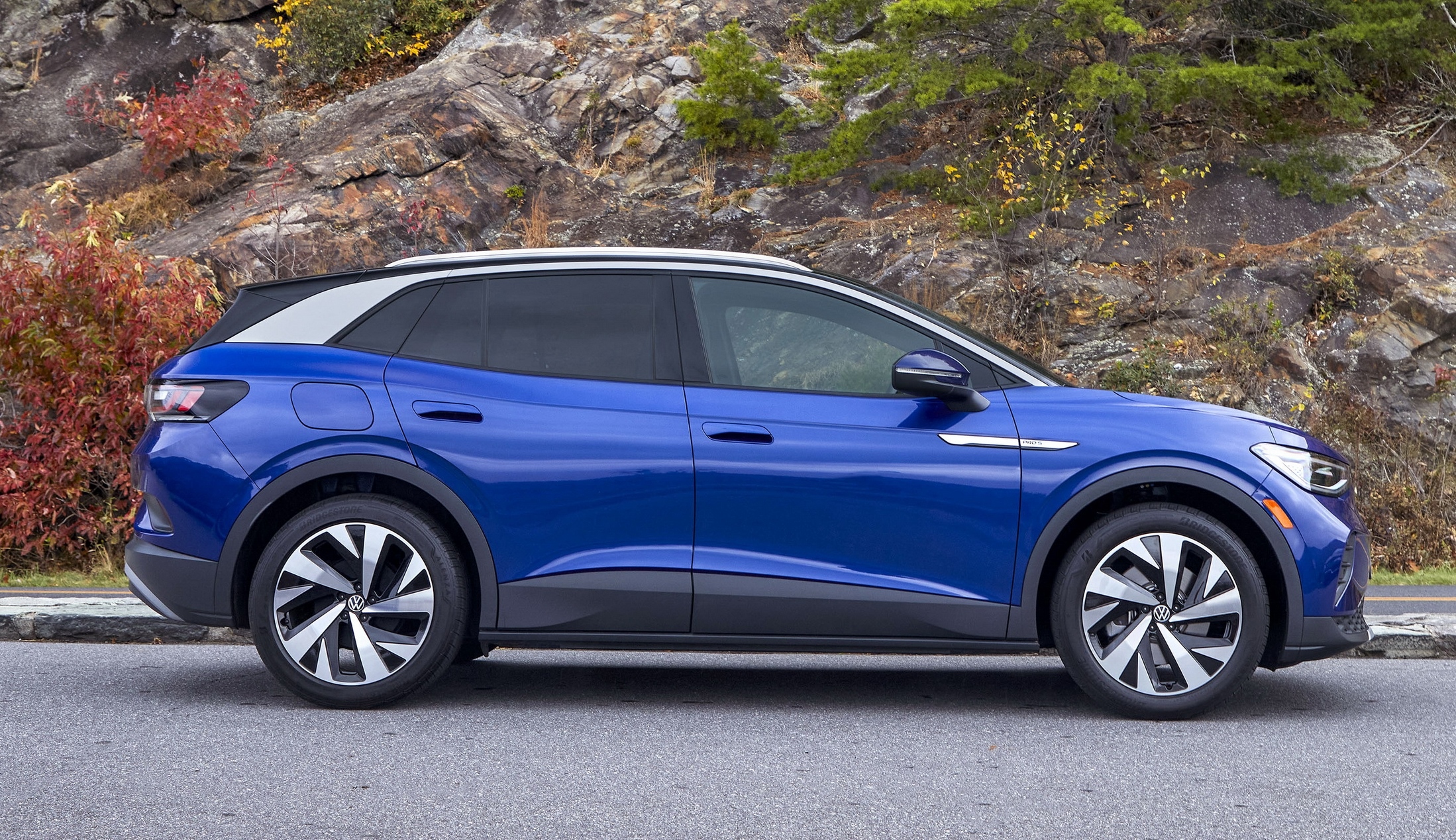
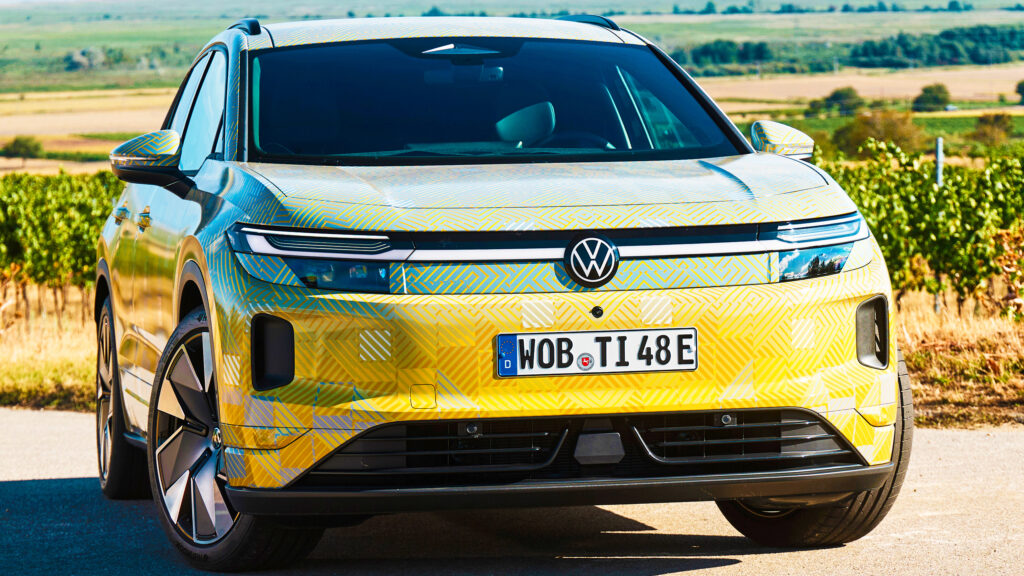
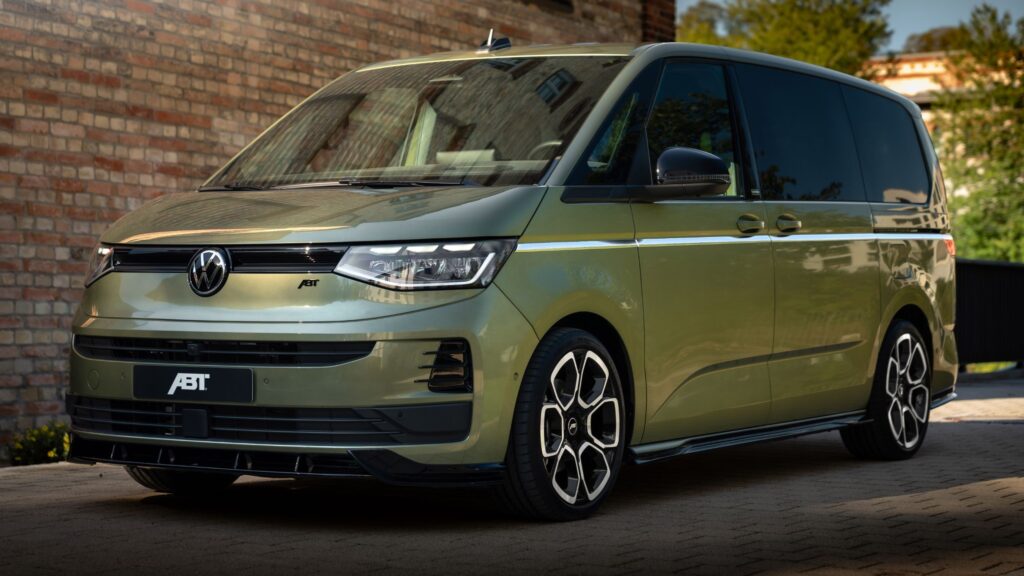
Meanwhile, Volkswagen has canceled its production of the US-made ID4 electric crossover. Besides the ID Buzz minivan, there are no plans to expand the VW EV lineup stateside for the next couple of years. On the other hand, Mercedes-Benz still plans to introduce more EVs to the US, but their approach will continue to incorporate gas and hybrid options too.
See Also: A 96% Sales Collapse Is Why VW Just Killed US ID.4 Production
These different avenues are reduced down to the situation of the firms, according to industry analysts. Some have the financial cushion to keep on investing, but others are choosing to save and avoid incurring more losses.