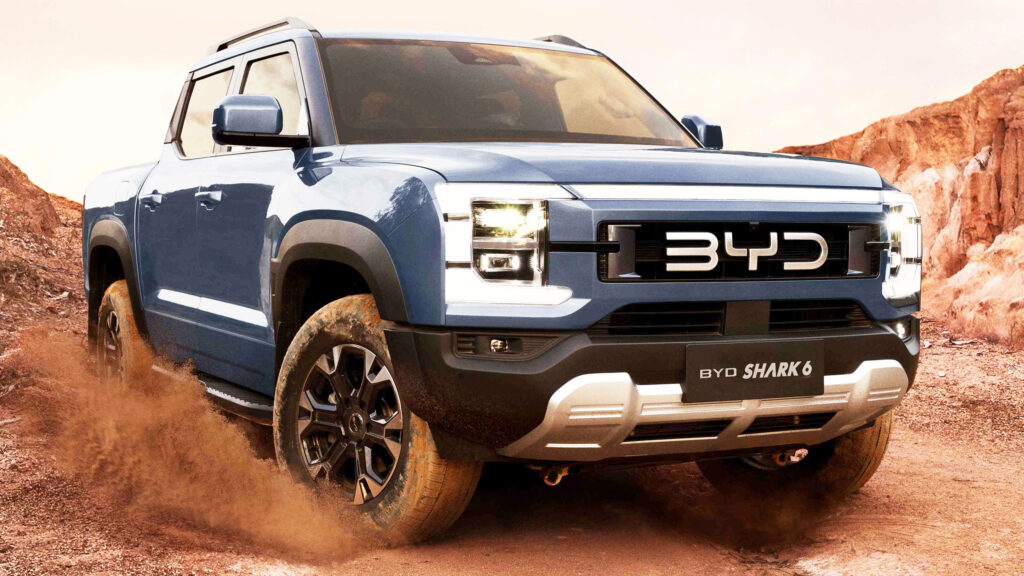



- Ford is adopting Tesla-style gigacasting overall to simplify repairs.
- Its new electric pickup replaces small parts with two larger cast sections.
- Exec says early focus on repairability in development creates an advantage.
Ford thinks it’s found a more intelligent way to build cars, and maybe rebuild them after a crash. Instead of stitching together hundreds of little pieces, it’s going big with huge aluminum castings that could make both factories and body shops breathe easier.
Company leadership has framed this as one of the most significant shifts in manufacturing approach in decades, with the added goal of lowering both vehicle prices and repair costs.
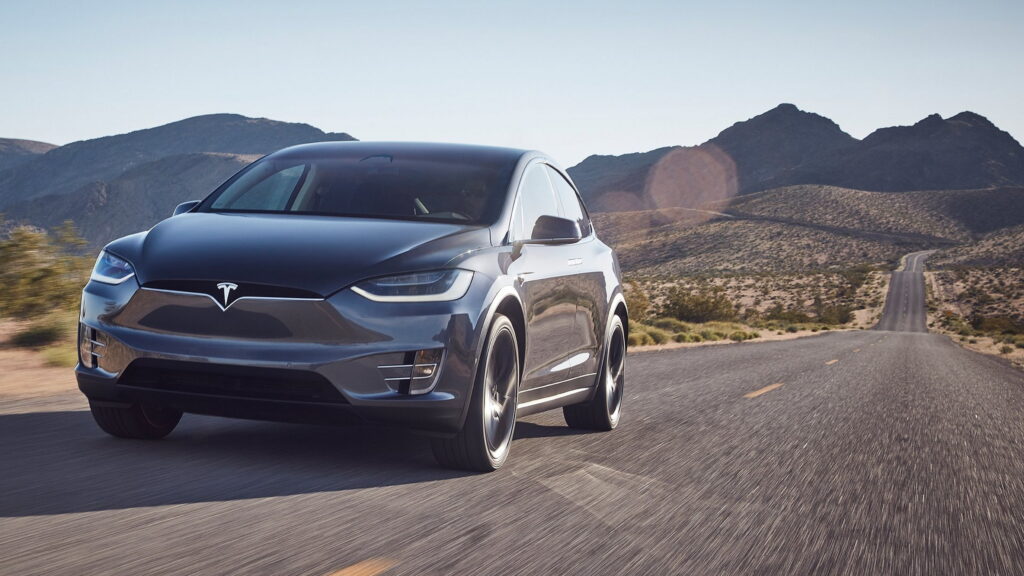
Starting with its upcoming electric pickup, Ford plans to swap out loads of small structural parts for just two massive sections. One up front, one at the rear. It’s the same basic Gigacasting idea Tesla has been using for years, just with Ford putting its own spin on it. The truck is expected to target a $30,000 starting price, positioning it as a more affordable entry point into the EV market.
Also: That Rivian Bumper Tap Didn’t Look Like An $11,000 Mistake, But Here We Are
Naturally, the idea of swapping several small parts with a couple of large one raises a big question: what happens when you crash it? You’d think replacing one giant chunk of metal would cost a fortune. But early data suggests that isn’t always the case. In fact, some repairs might actually get cheaper.
According to research by Thatcham in the UK highlighted by Auto News, vehicles using large castings can sometimes be repaired for less money than traditionally built cars. In certain low-speed impacts, there may be little to no damage to the main structure at all.
Engineers have designed these castings with repair in mind, including predefined cut zones that tell technicians exactly where to section and replace damaged areas. As one Ford executive explained to AN’s reporter, making repairability a priority early on “actually becomes an advantage.”
Some designs also incorporate sacrificial components that absorb minor impacts, helping shield the larger cast sections from damage in everyday accidents.
Rivian Owners Left Behind
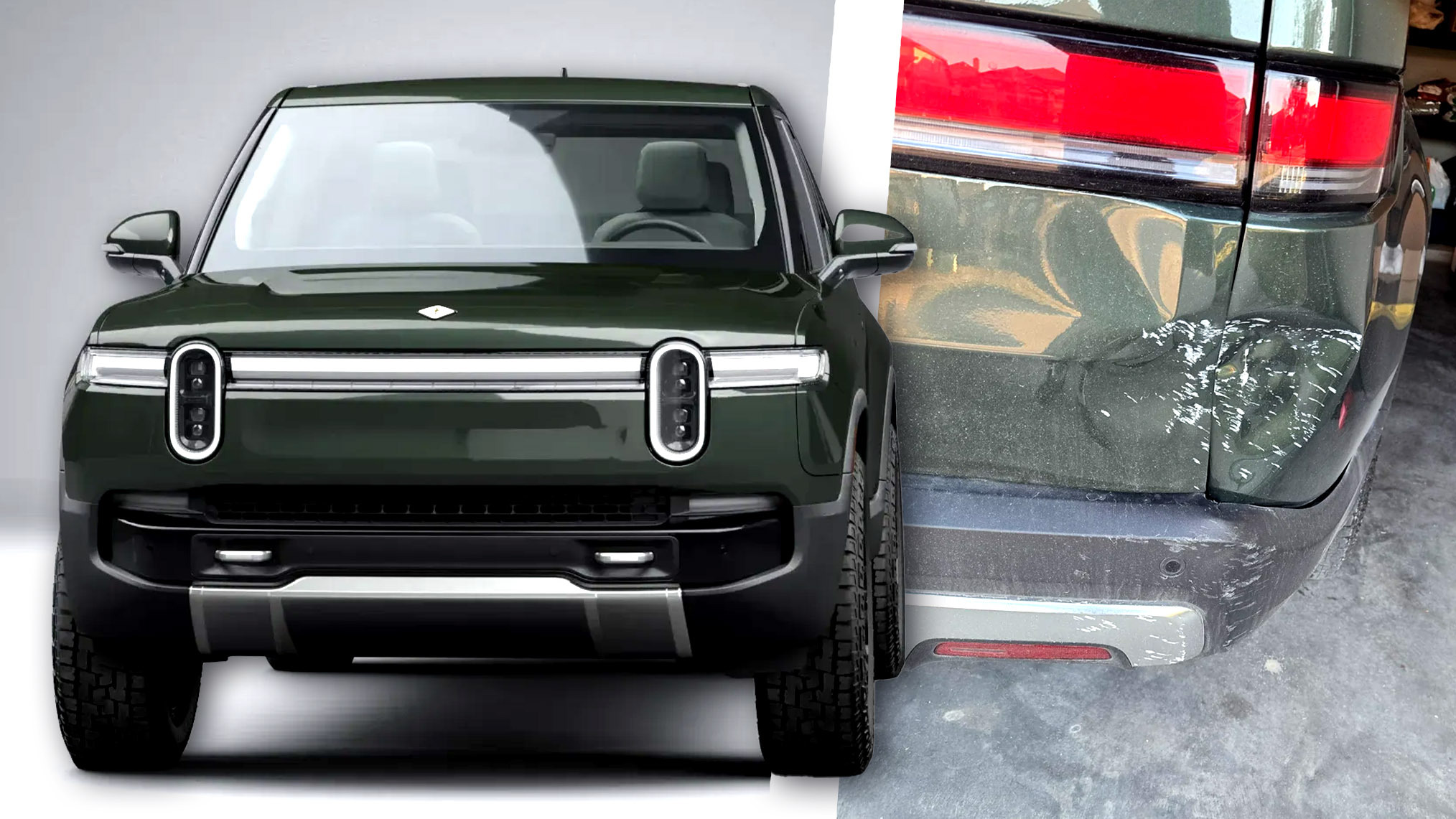
Rivian/Reddit/Rivianforums
Not at all EV brands have grabbed that advantage. Just ask Rivian owners who have seen relatively minor bumps turn into eye-watering bills thanks to complex aluminum panels and integrated components. Ford clearly wants to avoid that trap.
By simplifying the structure and making repairs more predictable, it’s aiming to keep both insurance costs and customer headaches in check. That’s especially important as it prepares to launch more affordable electric models aimed at mainstream buyers.
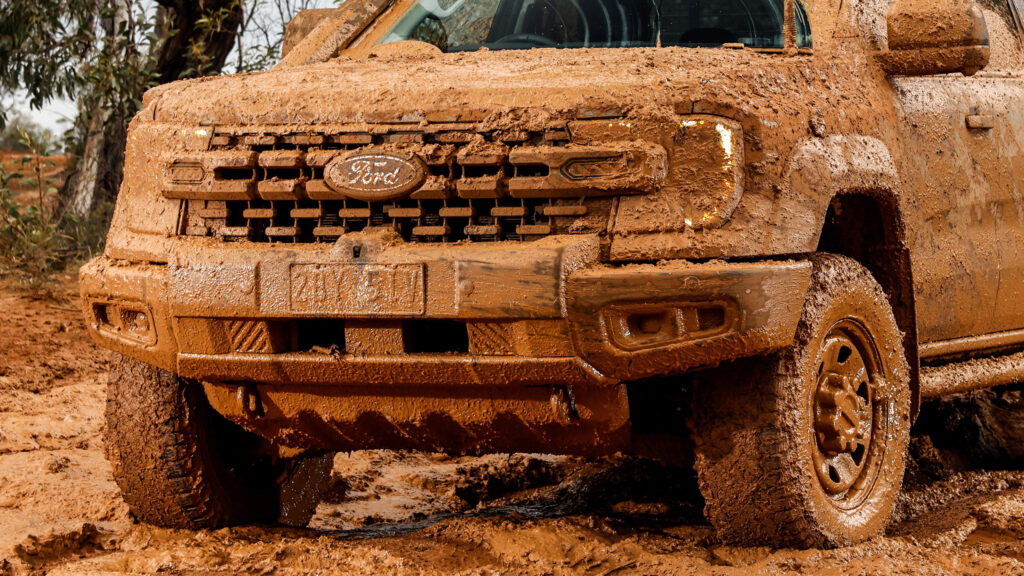
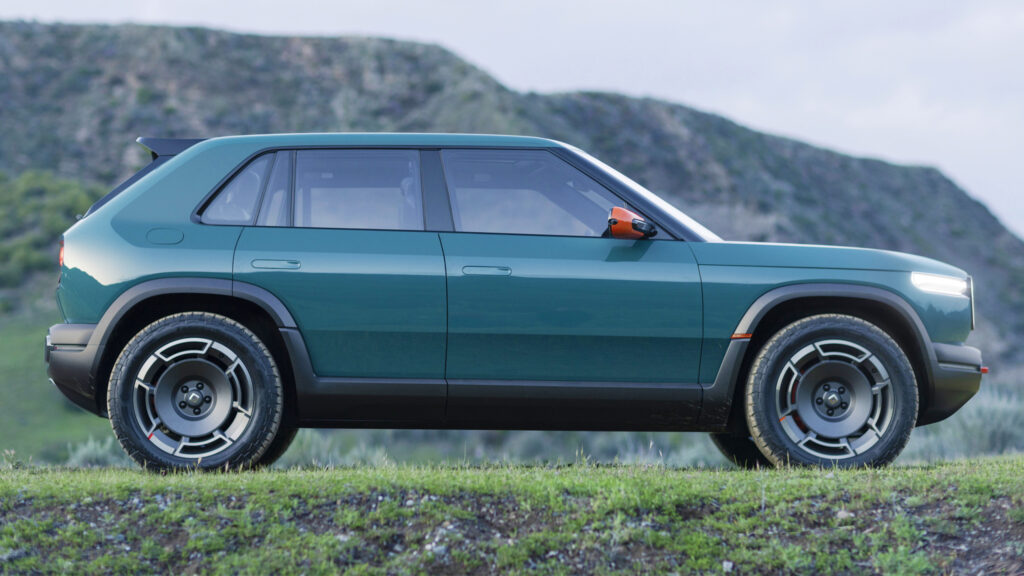
Of course, it’s not all upside. Some scenarios could still require replacing large sections, and that won’t be cheap. Plus, body shops will need training and the right tools to handle these new designs that debut on next years’s electric truck (pictured below).
But Ford has one advantage Tesla didn’t at launch. A massive dealer and service network that can be trained from day one. That scale could help address one of the key challenges seen elsewhere, where limited certified repair networks have slowed adoption and complicated repairs.