- The new i7 battery pack promises more range and faster charging.
- BMW and Rimac spent five years developing the battery together.
- Facelifted i7 and 7-Series will debut at Auto China 2026 in Beijing.
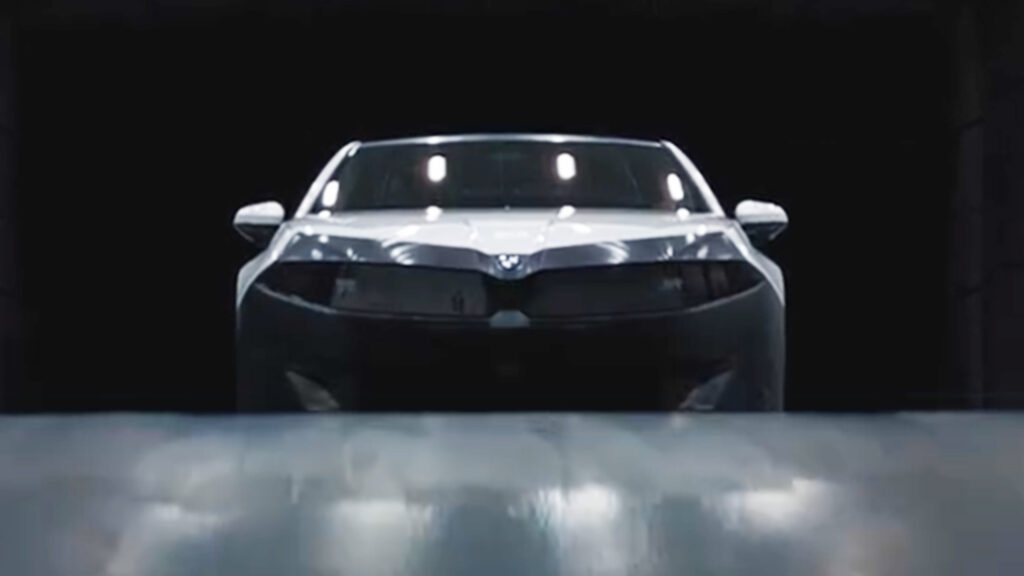
BMW has confirmed the next phase of its partnership with Rimac Technology that will see the Croatian firm supply high-voltage battery systems for the upcoming facelifted i7, which is expected to debut later this month.
For CEO Mate Rimac, the deal brings things full circle. His journey into the EV space started back in 2009 with a modified E30 BMW 3-Series. Now, the company he founded is delivering the most critical component for BMW’s flagship electric sedan. Rimac Group also holds a controlling stake in Bugatti Rimac, the hypercar joint venture with Bugatti.
More: There’s A Lot More To The 2027 BMW 7-Series Facelift Than A New Face
Rimac shared the news via his personal social media channels, noting that development work on the battery has been underway with BMW for the past five years.



BMW / Rimac
The battery unit was developed in Jankomir, Croatia, and is now built locally at Rimac’s sprawling 90,000 square meter (968,751 square feet) campus in Zagreb. From there, completed battery packs are shipped to BMW’s Dingolfing plant in Germany, where final vehicle assembly takes place.
Production capacity stands at 300,000 modules per year, translating to around 50,000 full battery systems annually. Rimac says the scale of the operation likely makes it the largest industrial project in Croatia’s history, which puts into perspective just how ambitious this setup really is.
More: BMW’s iX7 Gets Every Neue Klasse Upgrade Except The One That Would Make It Look Different
According to the Bugatti Rimac CEO, the dedicated production line for the BMW i7 battery carries a €130 million ($150 million) price tag. That figure actually surpasses the €120 million ($139 million) cost to build the entire campus.
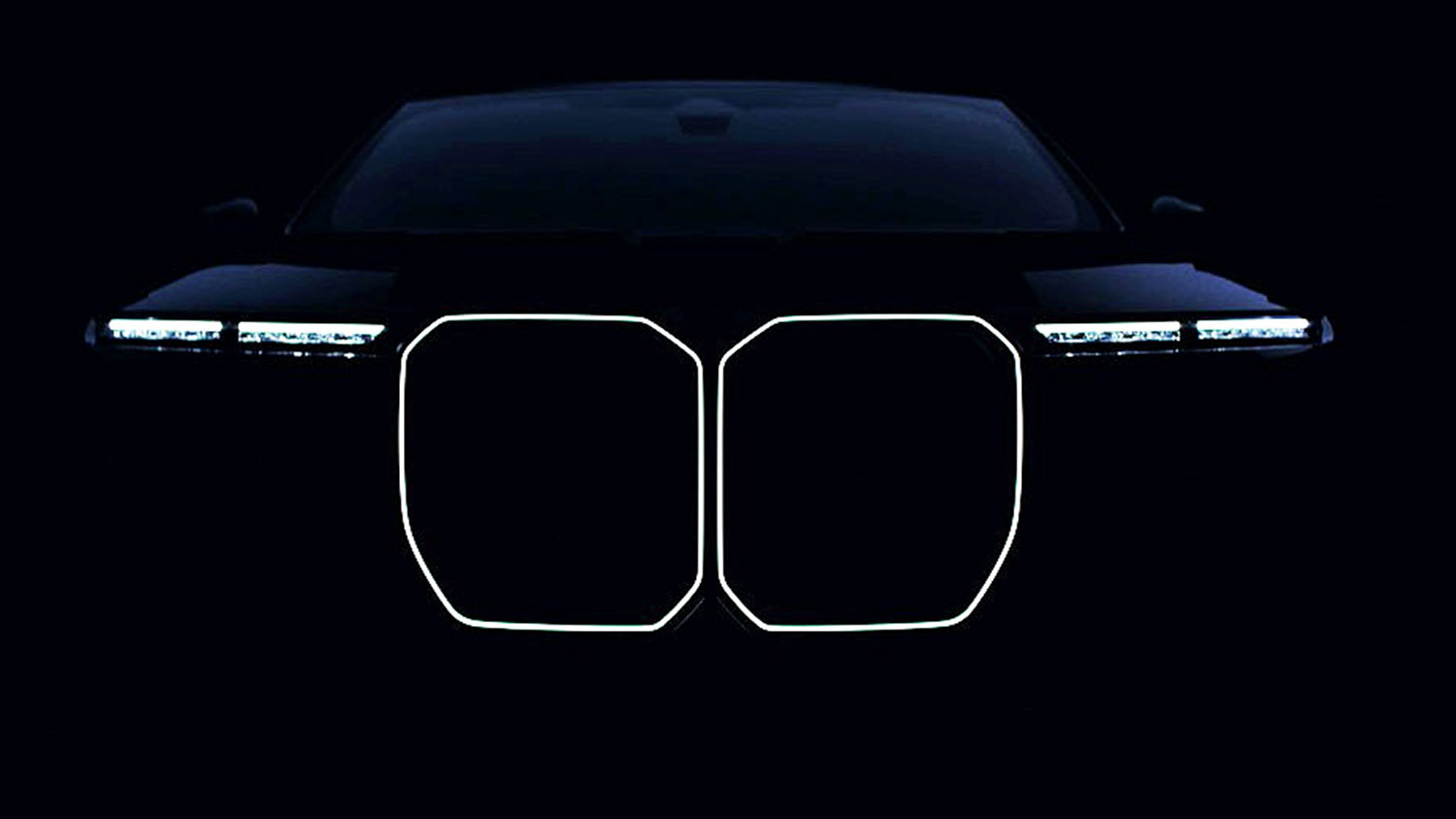
The high-voltage battery pack blends BMW’s Gen6 cell chemistry with its Gen5 module-based architecture. It uses 4695-format cylindrical lithium-ion cells, delivering a 20% boost in energy density compared to the prismatic cells used in current batteries.
BMW says the new setup will bring “significantly increased range” and “much faster” charging than the outgoing i7, effectively injecting some Neue Klasse thinking into the brand’s flagship EV sedan.
More: BMW Once Owned Range Rover, Now It Wants To Make One
Rimac added: “BMW has always been known for pushing engineering to the highest level, which made this collaboration especially exciting for us. Together, we developed a high-voltage battery system that unlocks the full potential of the new cylindrical cells in record time, delivering significant improvements in energy, range, and charging performance. We are proud to now see this system being produced at scale at our new Rimac Campus.”
The updated BMW i7 is set to make its global debut alongside the combustion 7-Series facelift at the Auto China 2026 in Beijing at the end of April. Teasers, leaks, and recent spy shots all point to a redesigned front end and a refreshed interior.