- Tariffs have cost automakers at least $35.4B so far.
- Detroit’s automakers absorbed $6.5B in tariff costs last year.
- Imported vehicle prices have started rising faster lately.
It’s been nearly a full year since US President Donald Trump imposed sweeping tariffs, and the true cost to the automotive industry is coming into focus. The financial impact is no longer theoretical. It’s now showing up, line by line, in automakers’ results.
An Auto News analysis of financial filings by from major carmakers shows that tariffs have cost at least $35.4 billion since their introduction, although the burden varies widely between companies. Toyota, the world’s largest car manufacturer, expects the tariffs to cost it $9.1 billion in its 2026 fiscal year ending March 31.
Read: Tariffs Hit Porsche So Hard Even A US Factory Looks Appealing Now
BMW, Mazda, Mercedes-Benz, Nissan, Honda, Hyundai, Kia, Subaru, and VW each expect tariff-related costs of at least $1 billion. Meanwhile, Ford, General Motors, and Stellantis, the companies the Trump administration likely intended to shield, absorbed a combined $6.5 billion hit last year.
When the new duties were first announced, many expected carmakers to pass the costs directly to consumers through higher prices. That largely didn’t happen. According to Sam Fiorani of AutoForecast Solutions, several brands chose to absorb the added expense, betting the tariffs would be temporary.
Price Rises And More US Production
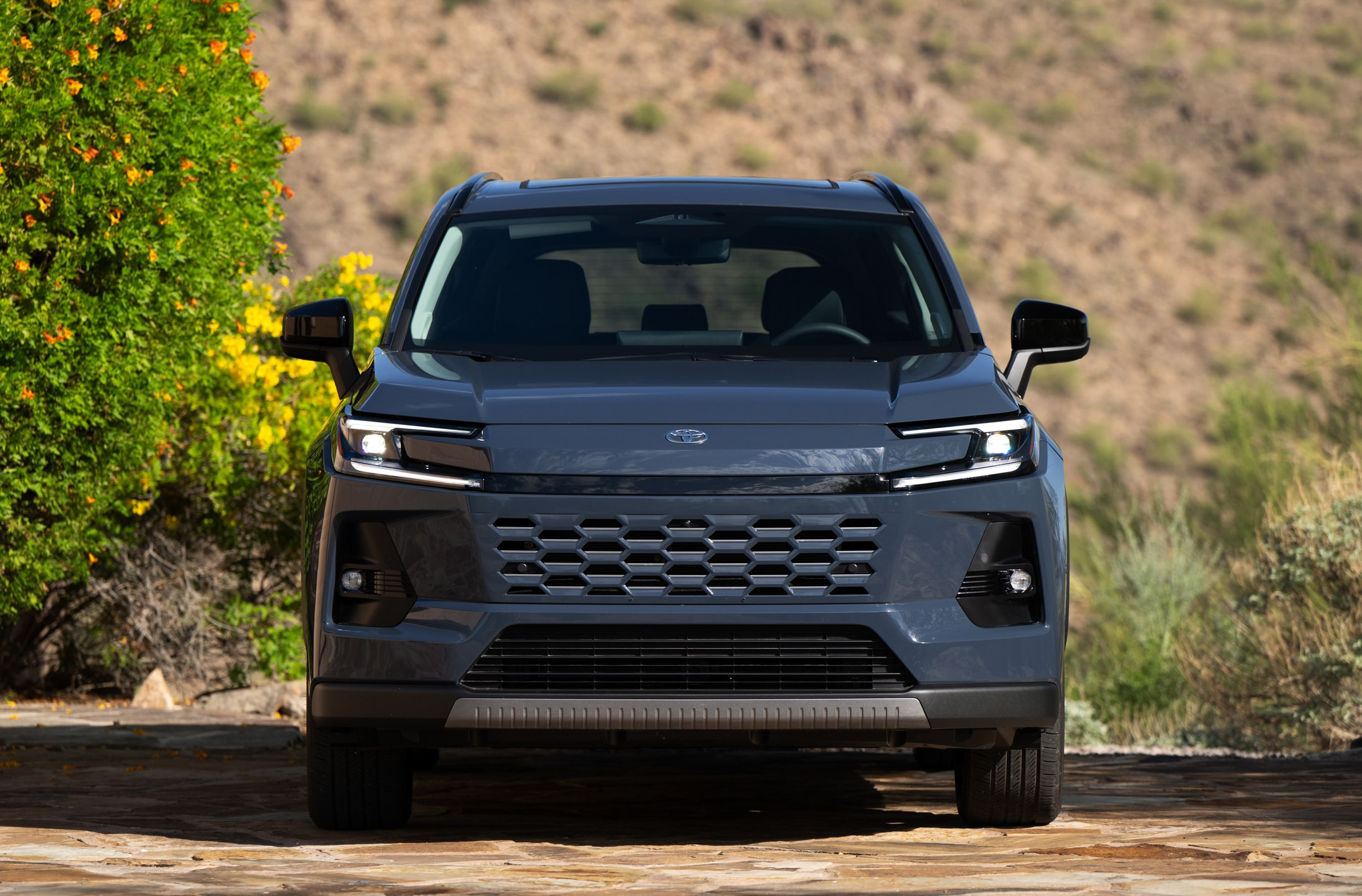
However, prices are now beginning to edge upward again. Since the third quarter of last year, retail prices for vehicles imported from Canada, Japan, Germany, and Mexico have risen faster than those built in the US. In some cases, brands have already started adjusting sticker prices directly, with Porsche, for example, raising US prices multiple times to offset tariff-related costs.
Tariffs are not the only factor at play. The removal of the $7,500 federal EV tax credit has also dented demand for electric vehicles in the US, forcing carmakers to revise product plans and restructure operations at a cost exceeding $70 billion.
At the same time, the structure of the tariffs themselves is shaping what consumers pay, with imported vehicles from regions such as the EU, Japan, and South Korea facing 15 percent duties, while certain vehicles from Canada and Mexico can be subject to tariffs on non-US content.
The tariffs have also nudged some automakers to shift production to the US, as reported by Auto News. Jeep, for instance, will build the new Compass in the US rather than Ontario, Canada. GM is also planning to produce the Envision’s successor in Kansas instead of China. Sales data from the final quarter of 2025 shows that vehicles assembled outside North America saw a 7.9 percent decline compared to the previous year.